The modern apartment often promises the luxury of private outdoor space, but delivers a small, often neglected concrete slab: the tiny balcony. For many, this space remains a visual appendage—a separate room cut off by a jarring threshold and sliding glass door—rather than a true extension of the home. But in an era where square footage is precious, viewing the balcony as an annex to your living room is one of the most powerful small-space design hacks available.
The Problem: Dividing Space and Diminishing Flow
The core challenge with a small balcony is not its size, but its separation. The typical design creates a stark visual and physical barrier. Inside, you have comfortable furniture, soft textiles, and careful lighting. Outside, you have exposed materials, mismatched furniture, and often, an overwhelming sense of constraint.
This division prevents the living area from benefiting from the outdoor space’s assets—namely, fresh air, natural light, and the psychological benefit of connecting with nature. When the balcony feels like an afterthought, your primary living area appears smaller, darker, and less integrated. Essentially, you are losing valuable, usable square footage simply by failing to create a seamless transition.
The Solution: Designing for Seamless Balcony Integration
Integrating a small balcony means blurring the lines between indoor and outdoor environments so effectively that they function as one unified, larger space. This strategy relies on three core pillars: Structural Synchronization, Aesthetic Cohesion, and Functional Fluidity. When executed correctly, the balcony doesn’t just look pretty; it fundamentally alters the perception of spaciousness in your entire living area, adding valuable visual and physical square footage.
Pillar 1: Structural Synchronization—Removing the Physical Barrier
The most immediate and impactful change you can make is reducing the physical elements that scream “barrier.”
Minimizing the Threshold and Door Frame
The raised track or step between the indoor flooring and the balcony flooring is a major psychological impediment. While full removal may require structural approval (especially in rentals or condos), you can minimize its impact:
- Matching Height: If possible, raise the balcony decking (using adjustable pedestals or low-profile tiles) to meet the interior floor height, minimizing the trip hazard and visual step-down.
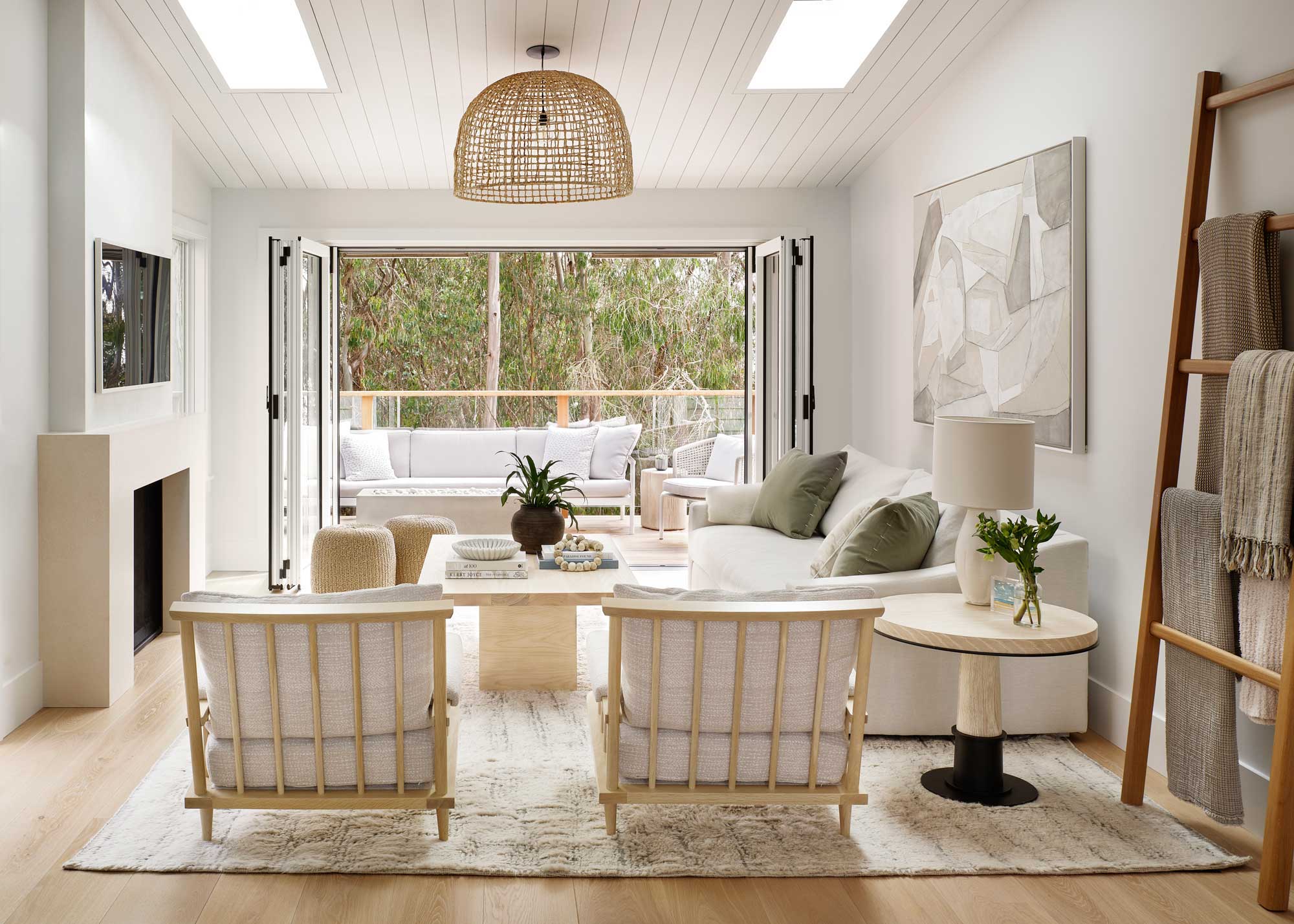
- Selecting the Right Door: Traditional sliding glass doors often have thick frames that interrupt sightlines. Consider upgrading to ultra-slim-profile aluminum frames or, ideally, bi-fold or stacking glass doors. Bi-fold doors completely open the wall, allowing the living room to spill directly onto the balcony, making the space feel instantly double the size.
Flooring Unification Strategy
To trick the eye into seeing one continuous space, the flooring must flow. This is one of the most important structural decisions:
If your indoor area uses wood or laminate, match the tone and grain with outdoor-rated composite decking tiles or porcelain pavers. If you are unable to match materials directly, opt for colors that are either exactly the same or complementary neutral tones. For visual expansion in already small interiors, consider implementing 12 Monochrome Palettes to Visually Expand Small Spaces, extending that palette directly to your outdoor flooring.
| Option | Pros | Cons |
|---|---|---|
| Matched Porcelain Tile | Excellent durability, seamless look, easy transition. | Installation complexity, potential for high cost. |
| Composite Decking Tiles | Easy DIY installation, softer underfoot, good visual warmth. | Must ensure adequate drainage underneath. |
Pillar 2: Aesthetic Cohesion—The Design Bridge
A successful integration strategy relies on visual continuity. The eye should glide effortlessly from the sofa to the railing without noticing a sharp break in style.
Unified Color and Material Palettes
Use textiles, materials, and colors that repeat both inside and out. If your living room features woven natural materials (rattan, jute, linen), ensure your outdoor cushions or a small area rug mimic these textures. Use the same accent color—be it a deep terracotta or a crisp navy—in throw pillows both indoors and on the balcony seating.
For those leaning toward sophisticated, streamlined looks, applying Industrial Loft Style Secrets for Tiny Spaces can be highly effective. The use of metal, concrete finishes, and exposed materials transitions perfectly between a sleek urban living room and a modern balcony setting.
The Power of Seamless Lighting
Lighting is arguably the most crucial tool for merging spaces, especially after dusk. Poor outdoor lighting makes the balcony look like a dark void, shrinking the adjacent living room.
- Layering Light: Use similar light temperatures (warm white is best) inside and out. Hang string lights or install vertical wall sconces on the balcony that mirror the ambiance of your interior lamps.
- Task Lighting: If you have a reading nook inside, place a similar small, focused reading light or floor lamp outside.
- Illuminating the Perimeter: Soft lighting along the edges of the balcony draws the eye outward, further enhancing the illusion of extended space. For deeper insights on maximizing illumination, reference our guide on 16 Lighting Tricks for Windowless Rooms, many of which translate perfectly to optimizing external light flow.
Pillar 3: Functional Fluidity—Maximizing Usable Space
The smallest balconies must work overtime. Every piece of furniture should be multi-functional, lightweight, and specifically scaled for the space. Oversized items instantly clutter and defeat the purpose of integration.
The Biophilic Connection (Indoor/Outdoor Plants)
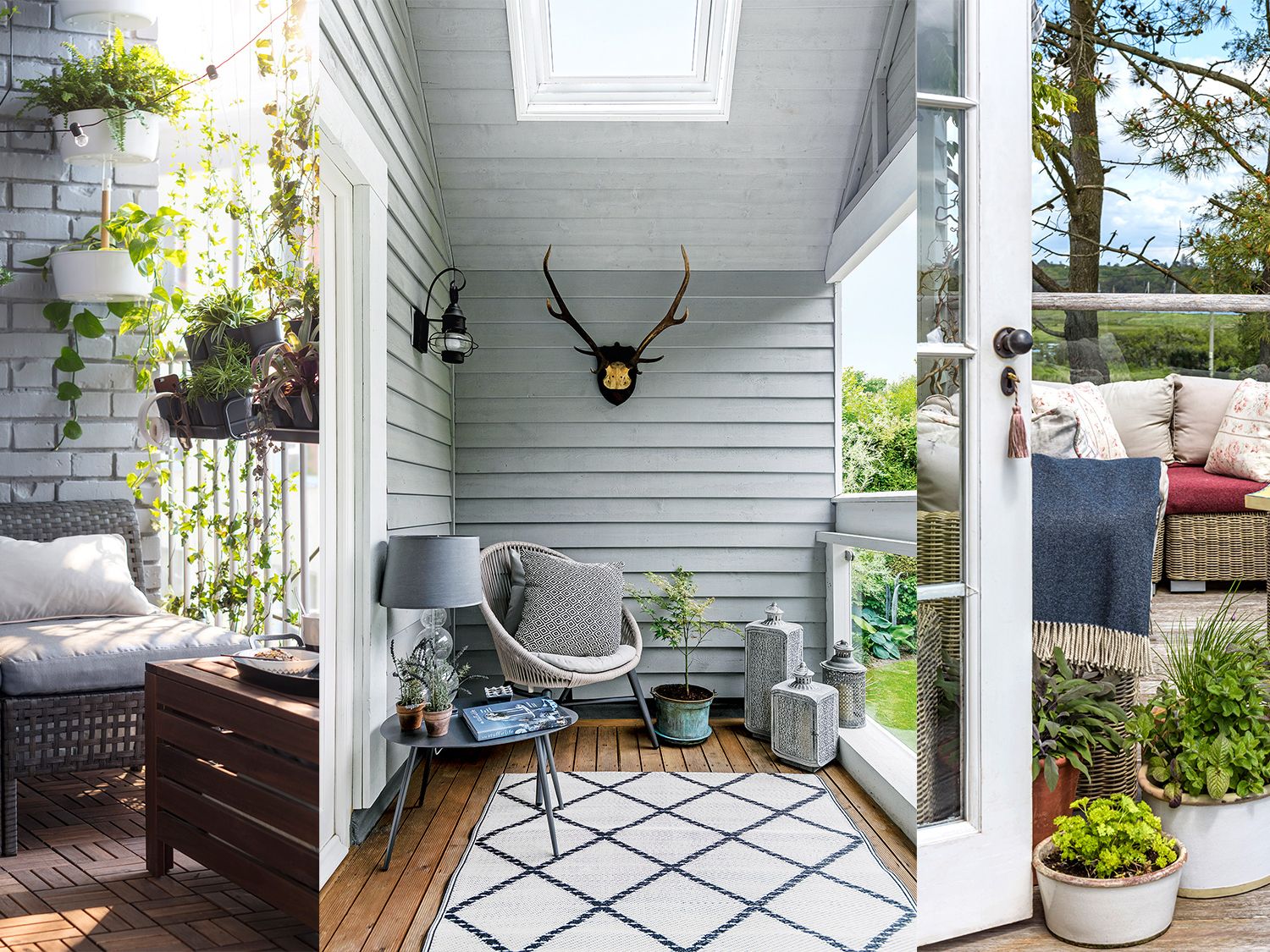
Plants are essential connectors. They naturally bridge the gap between interior decor and the outdoors. Use similar planter materials (e.g., matching terracotta or sleek matte black pots) on both sides of the glass line. Place large, lush indoor plants immediately adjacent to the balcony door to visually pull the greenery in.
For those living in shadier urban environments, selecting appropriate greenery is key. Ensure the plants you choose thrive in your specific light conditions. Need guidance? Check out the 13 Best Low Light Indoor Plants for Apartments to start your biophilic design journey.
Strategic Furniture Placement
Think less about bulky seating and more about portability and scale:
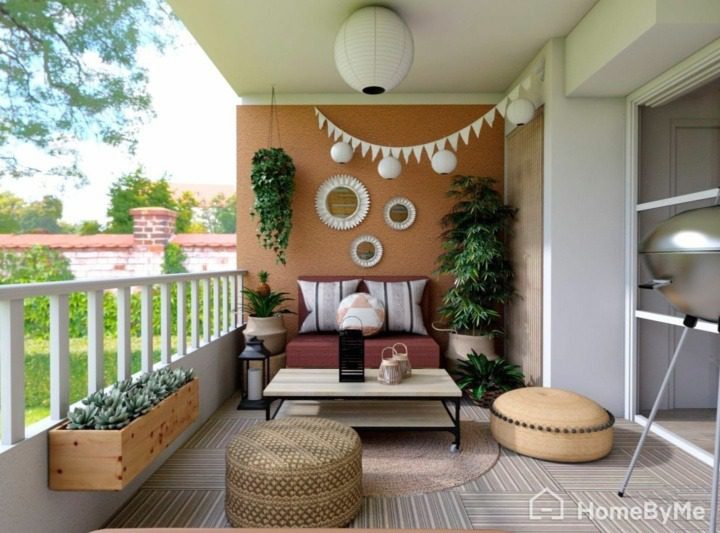
- Foldable & Stackable: Invest in high-quality, weather-resistant foldable bistro sets. These can be tucked away when not in use, freeing up floor space for circulation.
- Built-In Seating: If possible, install a narrow built-in bench along the railing. This saves space and provides permanent seating that doesn’t block sightlines. Ensure the bench depth is minimal (no more than 18 inches).
- Wall-Mounted Solutions: Use the railing or wall space for vertical gardens, foldable dining tables, or even narrow shelving units. This keeps the floor clear, which is crucial for creating the appearance of seamless flow.
Creating Dual-Purpose Zones
Even the tiniest balcony can accommodate distinct functions that enhance the adjacent living room:
The Outdoor Dining Nook
If your living room lacks a formal dining area, the integrated balcony can serve this purpose. Use a small, drop-leaf table. When the glass doors are fully opened, the balcony dining area feels like a sun-drenched extension of the kitchen or main seating area.
The Reading Retreat
Dedicate the balcony to quiet relaxation. A comfortable, lightweight armchair (perhaps a deep wicker or rattan club chair) paired with a small side table turns the balcony into a retreat zone. This provides a visual break from the main living room furniture while still feeling connected via the open doorway.
The Urban Garden Sanctuary
Focus on maximizing vertical planting. By using tiered planters, wall pockets, or trellises, you create a lush green view that acts as dynamic wall art for the living room when the doors are closed.
Advanced Integration Techniques for Small Balconies
Reflective Surfaces and Transparency
Mirrors aren’t just for interiors. A strategically placed outdoor-rated mirror on the balcony wall opposite the living room window can reflect light and the interior view back onto itself, further blurring boundaries and making both spaces feel significantly larger. Use reflective metallic planters or glass tabletops to amplify this effect.
Controlling Visibility
While you want seamless integration, you might still need privacy. Install sheer, light-colored curtains (outdoor-rated fabric) on the balcony perimeter. When drawn, these curtains maintain the flow of light and visual continuity while providing a soft, diffused sense of enclosure. This is particularly effective if the living room uses similar light-filtering window treatments.
Crucial Takeaway: Never overcrowd the balcony. For a small space to integrate effectively, the focus must be on negative space and clean lines. If the balcony is packed full, it creates visual stress that crowds the adjacent interior space as well.
Conclusion: Maximizing Life, Not Just Space
Integrating a small balcony into your living area is not merely a cosmetic fix; it is a fundamental shift in how you use your home. By applying structural consistency, aesthetic cohesion, and smart functionality, you transform a forgotten outdoor strip into a vital, dynamic, and fully utilized extension of your living space.
The resulting flow dramatically increases natural light, improves air circulation, and—most importantly—provides a daily connection to the outdoors, making your entire apartment feel inherently more spacious and luxurious. Start small with matching textiles and lighting, and work towards the structural upgrades that will permanently unlock the full potential of your urban oasis.