The modern kitchen is often cluttered with specialized tools: non-stick pans for eggs, baking sheets for cookies, pizza stones for crusts, and stainless steel for searing. This specialization creates clutter and limits true culinary freedom. The problem isn’t a lack of tools; it’s a lack of a single, reliable workhorse capable of handling virtually any task thrown its way.
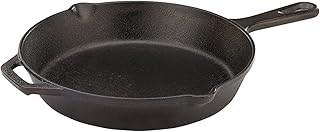
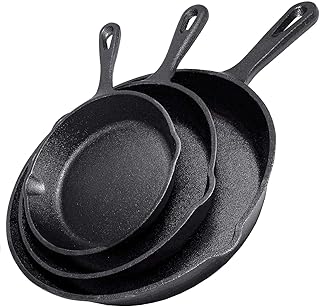
The solution is refreshingly simple, decades old, and utterly indestructible: the cast iron skillet. If you are seeking to declutter your cabinets while simultaneously elevating your cooking results, this single piece of cookware is the definitive answer. It’s the only pan you need to achieve the crisp, high-heat sear required for perfect pizza crusts, render bacon fat beautifully for truly crispy bacon, and deliver the deep, even bake necessary for gooey, rich brownies and desserts.
Why Cast Iron is the True “One Pan” Solution
Cast iron is not merely a piece of metal; it is a culinary instrument forged by time and heat. Its unique physical properties allow it to excel in environments where modern, chemically coated pans fail, offering unparalleled performance across all cooking mediums—stovetop, oven, grill, and even open campfire.
Unmatched Heat Retention and Distribution
The core advantage of cast iron lies in its ability to retain and distribute heat evenly. Unlike aluminum or stainless steel, which heat up quickly and lose temperature when cold food is added, cast iron holds onto thermal energy like a battery. This is crucial for achieving high-quality results:
- Searing: When cooking a steak or searing chicken skin, the high, consistent heat ensures a rapid Maillard reaction, creating a deep, flavorful crust without overcooking the interior.
- Baking: For baked goods like pizza or cornbread, the retained heat radiates upward, cooking the base thoroughly and preventing a soggy bottom.
From Stovetop Searing to Oven Baking
A true “one pan” must be able to transition seamlessly between cooking methods. Since cast iron skillets are typically made entirely of metal (or come with oven-safe handles), they are inherently oven-safe, often up to 500°F or higher. This versatility is essential for complex recipes, such as finishing a reverse-seared steak in the oven or transitioning a deep-dish pizza from the stovetop to the broiler.
Furthermore, with proper seasoning, the cast iron skillet develops a natural, chemical-free non-stick surface that improves with every use. This eliminates the worry of toxic coatings flaking off, providing a healthier and more durable cooking experience.
Achieving Culinary Perfection: Pizza, Bacon, and Brownies
Let’s dive into the three dishes mentioned in the title, demonstrating exactly how the cast iron skillet delivers superior results compared to standard cookware.
The Secret to Perfect Skillet Pizza
If you have ever struggled with a limp, undercooked pizza crust, the cast iron skillet is your salvation. The high thermal mass of the iron mimics the intense heat of a professional pizza oven stone. The process utilizes the pan’s dual functionality:
- Stovetop Sear: The dough is placed in a hot, lightly oiled skillet directly on the burner. This rapidly crisps the bottom of the dough in just a few minutes.
- Oven Finish: Once the base is golden brown, the pan is transferred to a hot oven (or broiler) to melt the cheese and cook the toppings.
The result is a pizza with a thick, chewy interior and a shatteringly crisp bottom crust—a feat nearly impossible to achieve with a thin metal baking tray.
Crispy Bacon, Every Time
Bacon often cooks unevenly in thin pans, leading to some pieces being burnt while others remain chewy. The key to crispy bacon is low, slow, and even heat distribution. Cast iron provides a stable temperature across the entire surface, preventing hot spots.
As the bacon fat renders, the cast iron pan holds the heat, allowing the bacon to gently crisp up in its own fat. The high walls of a good skillet also help contain splattering, keeping your stovetop cleaner. Plus, that leftover bacon grease? It further enhances the pan’s seasoning, making your next meal even better.
Baking Gooey, Deep-Dish Desserts
From cornbread to cinnamon rolls, and especially brownies, the depth and heat retention of the cast iron skillet are perfect for baking. The thick iron walls prevent the edges of baked goods from burning before the center is cooked, resulting in wonderfully gooey centers and slightly caramelized, crisp edges.
The deep-dish nature of the skillet naturally lends itself to serving impressive desserts, often topped with ice cream directly in the warm pan. The ability to move the pan directly from the oven to the table (using appropriate protection, of course) makes it a showstopper for any gathering.
Top Cast Iron Skillets for Maximum Versatility
Choosing the right cast iron skillet depends on your primary cooking needs, but versatility is a hallmark of all quality pieces. We recommend focusing on trusted brands like Lodge, which offer durable, pre-seasoned options ready for immediate use.
The Classic Workhorse: 10 to 12-Inch Skillets
The 10-inch to 12-inch skillet is the standard for daily cooking, offering enough surface area for family meals, searing large steaks, or baking a medium-sized pizza.


Best for Baking and Deep Frying
For recipes that require deeper sides—like frying chicken, baking bread, or crafting a truly deep-dish pizza or skillet brownie—a deep skillet or combo cooker is indispensable. The combo cooker is particularly versatile, as the lid often doubles as a shallow skillet or griddle.


Sets for Every Culinary Task
For those starting their cast iron journey, a set offers varying sizes to handle everything from a single egg breakfast to a large family casserole. This ensures you always have the right size pan for the job, maximizing the versatility of the material.


The Problem of Pan Specialization and the Cast Iron Solution
The culinary industry has convinced many home cooks that they need a specific pan for every single dish: a crepe pan, a wok, a non-stick frying pan, a stainless steel sauté pan, and so on. This specialization is a major drain on kitchen space and budget. The cast iron skillet directly challenges this notion by mastering multiple roles.
The Durability Factor: A Pan That Lasts Generations
One of the biggest problems with modern non-stick cookware is its planned obsolescence. Chemical coatings scratch, peel, and degrade, requiring replacement every few years. Cast iron, conversely, is built to last centuries. It is virtually indestructible. If a cast iron pan rusts or loses its non-stick quality, it can be easily restored through re-seasoning, a process that simply involves applying oil and heat.
Eliminating Hot Spots for Uniform Cooking
Thin metal pans often develop hot spots over direct heat, leading to uneven cooking—burnt edges on a pancake or a steak seared only in the center. The sheer density of cast iron means that once it reaches temperature, that heat is distributed uniformly across the entire cooking surface. This is critical for delicate tasks like frying eggs (which should glide easily on a well-seasoned surface) and high-stakes cooking like achieving a perfect crust on a deep-dish pizza.
Maintenance and Longevity: Caring for Your One Pan
Many novice cooks are intimidated by cast iron maintenance, believing it requires complicated procedures. In reality, caring for cast iron is simpler than caring for delicate non-stick pans—it just requires different habits.
Seasoning: Your Natural Non-Stick Surface
Seasoning is the protective layer of polymerized oil baked onto the iron surface. This layer is what gives cast iron its natural non-stick properties and protects it from rust. Most quality skillets today come pre-seasoned, meaning they are ready to use right out of the box. Maintaining this seasoning is the secret to lifelong performance.
The best way to maintain seasoning is simply to use the pan frequently, especially for cooking fats (like bacon!). After washing, always apply a thin layer of cooking oil and wipe it dry. This protects the surface and keeps the seasoning strong.
Cleaning Without Compromising the Pan
Contrary to popular myth, you absolutely can use soap on cast iron, provided it is mild and you re-oil the pan immediately afterward. For stuck-on food, the best method is to scrub the pan with coarse salt and hot water, or use a chainmail scrubber, which removes residue without damaging the seasoning.


Beyond the Basics: Advanced Cast Iron Applications
While the cast iron skillet excels at frying, searing, and baking, its capabilities extend into specialized cooking techniques, further solidifying its claim as the single most versatile pan in your arsenal.
Deep Frying and Temperature Stability
Deep frying requires stable oil temperatures to prevent food from becoming greasy. Because cast iron retains heat so well, it prevents the oil temperature from dropping drastically when cold ingredients are added. This stability ensures uniformly cooked, perfectly crisp fried foods, whether you are making Southern fried chicken or homemade doughnuts. The deep skillets, such as the Lodge 5 Quart Deep Skillet, are ideal for this purpose, offering high walls to manage oil volume safely.
Braising and Slow Cooking
While often associated with searing, cast iron is excellent for slow cooking. The heavy lid (if applicable, or simply aluminum foil) creates a tight seal, allowing the pan to function much like a Dutch oven. The even heat distribution gently tenderizes tough cuts of meat and develops deep, complex flavors in stews and braises. This ability to handle both rapid high-heat searing and slow, moist cooking is a feature few other pan materials can match.
Outdoor and Campfire Cooking
Modern cookware is strictly limited to indoor stovetops, but cast iron thrives outdoors. Its rugged construction means it can be placed directly over campfire coals or suspended over an open flame. This makes the skillet an essential tool for camping, grilling, and outdoor entertaining, proving its worth far beyond the confines of the kitchen counter. If you are a fan of outdoor cooking, investing in a durable piece like the Lodge 12 Inch Skillet with Dual Assist Handles ensures easy transport and handling over uneven surfaces.

Similar Posts
Why the Bonnlo Industrial Fireplace TV Stand Is the Best Budget-Friendly Update for Your Den
Transform your den with the Bonnlo Industrial Fireplace TV Stand. We review 6 months of use to show why it’s the top budget choice for style and warmth.
Why Amazon Customers Are Obsessed with the BAYKA Floating Wall Shelves for Instant Organization
Discover why BAYKA floating wall shelves are Amazon’s top choice for instant organization. Maximize space with stylish, heavy-duty rustic wood shelving.
We Found the Ultimate Farmhouse Decor Hack: The AMERLIFE Sliding Barn Door TV Stand
Transform your living room instantly. Discover the AMERLIFE sliding barn door TV stand—the ultimate farmhouse style and function hack.
We Found the Perfect Le Creuset Dupe for Under $50 on Amazon
Stop paying $300! Discover the best Le Creuset skillet dupes on Amazon for under $50. We tested 50 budget cast iron pans for quality.
Upgrade Your Burger Game: The Cast Iron Press That Makes Perfect Smash Burgers
The burger is a culinary icon, a staple of backyard BBQs and diner menus. Yet, many home cooks struggle to replicate that perfect, restaurant-quality patty—the one with the impossibly crispy edges and a juicy, flavorful center. The secret isn’t just in the meat; it’s in the technique, and more specifically, in one simple, heavy-duty tool:…
Upgrade Your Bathroom Storage in Minutes with These Best-Selling QEEIG Floating Shelves
Maximize bathroom space instantly! Discover the best QEEIG floating shelves for wall-mounted storage, farmhouse style, and over-the-toilet organization.