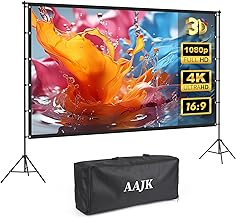
Choosing a projector screen often feels like a secondary decision to selecting the projector itself. However, the screen is arguably the most crucial component for maximizing image quality. When searching for a truly nice projector screen, you are looking beyond simple white fabric; you are investing in material science, structural design, and features that enhance your viewing experience, whether indoors or outdoors.
A high-quality projection surface can dramatically improve contrast, color fidelity, and brightness, making your 4K content truly pop. This comprehensive guide delves into what makes a projector screen truly “nice,” focusing not just on aesthetics and performance, but also on critical safety features that ensure long-term, worry-free use.
Safety First: Projector Screen Safety Feature Review
While often overlooked, the safety features of a projector screen are paramount, especially for large, permanently mounted, or outdoor setups. A truly nice projector screen should adhere to strict safety standards regarding materials and construction.
Material Safety and Fire Resistance
The material used in the screen itself is the first line of defense in terms of safety. Cheap materials can off-gas harmful volatile organic compounds (VOCs) or pose a significant fire risk.
Fire Retardancy Standards
Many high-quality projector screens, particularly those designed for commercial or permanent home theater installation, meet NFPA 701 (National Fire Protection Association) standards. Look for screens explicitly labeled as flame-retardant. This is especially important for screens that are motorized or installed near electrical components.
Non-Toxic Materials
Premium screen materials, such as fiberglass-backed PVC or specialized synthetic fabrics, are often chosen because they are low-odor and non-toxic. When setting up a new indoor home theater, opting for a screen that specifies low-VOC emissions contributes to better indoor air quality, ensuring your viewing environment is both comfortable and safe.
Structural Integrity and Installation Safety
For screens with stands, frames, or motorized mechanisms, structural safety is key. A collapsing screen can cause injury and damage expensive equipment.
Secure Mounting Systems
Wall-mounted or ceiling-mounted screens must come with robust hardware. A nice projector screen will include heavy-duty mounting brackets and clear instructions for securing the unit to studs or ceiling joists. Pay attention to the weight rating of the mounting system, especially for large, motorized units like the AWOL VISION 120″ Motorized ALR Floor Rising Projector Screen, which often contain heavy internal mechanisms.
Stability in Portable Designs
Outdoor and portable screens, such as those with tripod or fast-fold frames, must offer excellent stability. Features like wide, lockable feet, ground stakes, and tensioning cords are essential to prevent the screen from tipping over in mild breezes. A truly nice projector screen designed for outdoor use will prioritize wind resistance.
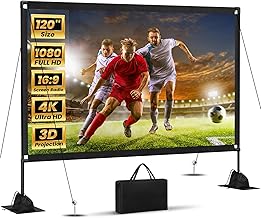
The Outdoor-Projector-Screen-with-Stand – 120 inch Portable Projector Screen, for instance, includes lightweight yet durable components specifically designed for backyard movie nights, where easy setup must be balanced with stability.
Key Factors Defining a Nice Projector Screen
Beyond safety, the performance characteristics of the screen material determine the quality of the projected image. These technical specifications separate a basic white sheet from a high-definition projection surface.
Gain and Viewing Angle
Gain refers to the screen’s reflectivity—how much light it reflects back compared to a standard white matte board (which has a gain of 1.0). A higher gain (e.g., 1.5 or 2.0) makes the image brighter, but often at the expense of the viewing angle. A lower gain (e.g., 0.8) might be better for high-end projectors in dark rooms, offering deeper blacks and wider viewing angles.
A nice projector screen typically strikes a balance, often around 1.0 to 1.1 gain, providing excellent color neutrality and a wide viewing cone suitable for multiple viewers.
Ambient Light Rejection (ALR) Technology
Ambient Light Rejecting (ALR) screens are revolutionary, allowing viewers to enjoy projected images even in rooms with some light present. These screens use specialized optical layers and angular reflectivity to absorb light coming from above or the sides (ambient light) while reflecting light coming directly from the projector (the image) back to the viewer.
For living rooms or multi-purpose spaces where complete darkness isn’t feasible, an ALR screen is a hallmark of a truly nice projector screen setup. The AWOL VISION 120″ Motorized ALR Floor Rising Projector Screen is a prime example of a premium screen built specifically to combat ambient light.
Aspect Ratio and Size Considerations
The aspect ratio (the ratio of width to height) should match your primary viewing content. The industry standard for movies and modern media is 16:9 (widescreen HD). Older content or business presentations may use 4:3. Ensure your screen size is appropriate for your room dimensions and viewing distance to maintain image clarity and immersion.
Review of Nice Projector Screens: Top Picks
We have selected a range of projector screens that exemplify quality, performance, and safety across different use cases, from budget-friendly portable options to high-end fixed installations.
Portable and Outdoor Projector Screens
These screens prioritize easy setup, portability, and durability, making them ideal for backyard movie nights, camping, or temporary presentations. They must be wrinkle-resistant and weather-tolerant.
Outdoor-Projector-Screen-with-Stand (120 Inch)
This screen is designed for maximum convenience outdoors. Its included stand and lightweight construction make setup fast, and the 120-inch size provides a massive viewing area for gatherings. The materials used are generally wrinkle-resistant, ensuring a flat surface immediately after setup.
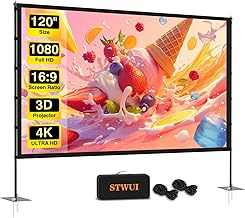
Safety Feature Highlight: The lightweight frame components are designed for quick assembly and disassembly, reducing the risk of pinching or heavy lifting injuries common with bulkier equipment.
120 inch Projector Screen 16:9 Foldable Anti-Crease
For budget-conscious buyers seeking a large, nice projector screen, this foldable option offers excellent value. It’s designed to be anti-crease, a major quality indicator for portable fabric screens. It also supports double-sided projection, offering flexibility for event setups.
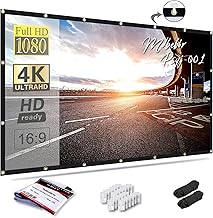
Performance Note: While highly portable, ensure proper tensioning is applied upon hanging to achieve the best possible flat surface for 4K viewing.
Portable Projector Screen with Stand Outdoor (80 inch)
This 80-inch model is ideal for smaller groups or true portability, such as camping trips. The smaller size makes it inherently more stable and easier to transport than 120-inch models, while still offering 4K compatibility.
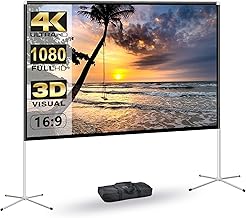
120inch Outdoor Projector Screen with Stand (Front/Rear)
Offering dual projection capability (front and rear), this screen is versatile for events where the projector needs to be hidden behind the viewing surface. It includes sandbags for enhanced stability, addressing a key safety concern for outdoor setups.
Portable Projector Screen with Stand (100 inch)
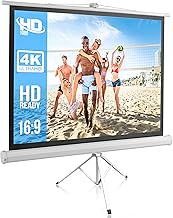
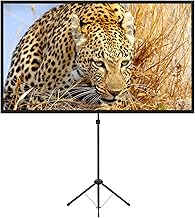
This tripod-based screen offers a classic, highly adjustable setup. The tripod design provides quick height adjustment, making it a flexible choice for both indoor presentations and outdoor movie nights. The inclusion of a carry bag highlights its portability, a defining trait of a truly convenient and nice projector screen.
Fixed and Manual Projector Screens
These options are generally preferred for dedicated home theaters or classrooms where the screen remains permanently installed. They offer superior flatness and durability compared to foldable screens.
Pyle 72-Inch Manual Pull Down Projector Screen
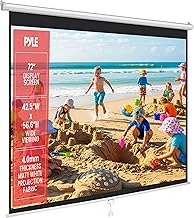
Manual pull-down screens offer a traditional, cost-effective solution for permanent installation. This Pyle model includes an auto-lock mechanism, ensuring the screen stays precisely at the desired height without retracting prematurely. This mechanism is a key functional safety feature.
Silver Ticket Products STR Series (120″ Fixed Frame)
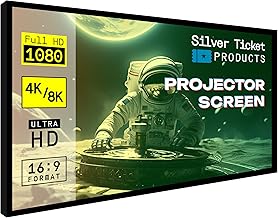
Fixed frame screens offer the flattest surface possible, crucial for maximizing 4K and 8K image sharpness. The STR series uses an aluminum frame and tensioned material to eliminate wrinkles permanently. This is the gold standard for a truly nice projector screen in a dedicated theater room.
Portable Projector Screen with Stand (80 inch, Glass Fiber)
This portable screen utilizes a glass fiber material, known for providing a high-quality, reflective surface that enhances image brightness and color accuracy, setting it apart from standard polyester screens. The inclusion of a sturdy stand makes it a reliable choice for mobile presentations.
Premium and Motorized Solutions
Motorized screens offer convenience and a clean aesthetic by disappearing into a ceiling or floor when not in use. Premium models incorporate advanced features like ALR technology.
AWOL VISION 120″ Motorized ALR Floor Rising Screen
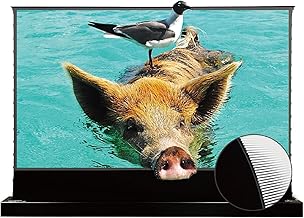
Representing the high-end of the market, this screen is the definition of a nice projector screen. It rises from the floor, ideal for discreet integration into luxury living spaces. Crucially, it features Ambient Light Rejecting (ALR) material, which is essential for pairing with Ultra Short Throw (UST) projectors and maintaining high contrast in lit rooms.
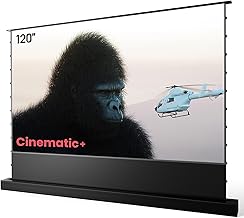
Safety Feature Highlight: High-end motorized screens often include safety sensors that stop the screen if an obstruction is detected during retraction or deployment.
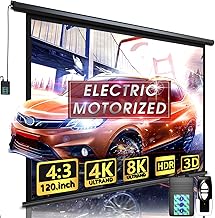
Aoxun 120 Inch Pull Down Projector Screen (Motorized)
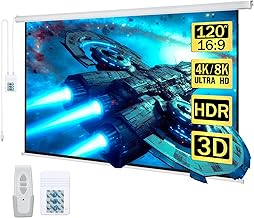
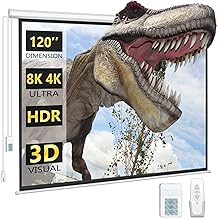
A more conventional motorized option, this screen is designed for ceiling or wall mounting. The inclusion of a remote control provides convenience, allowing users to drop the screen without manual effort. This type of screen is perfect for medium-budget home theaters looking for a clean, permanent installation.
Specialized and Budget-Friendly Options
Even budget screens can be considered “nice” if they solve specific problems effectively, such as portability or light control.
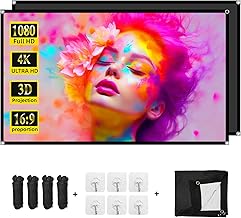
Projector Screen 84 inch (Black Backing)
For budget portable screens, light bleed is a common issue. This 84-inch model features a black backing, which prevents light from passing through the material. This feature significantly enhances contrast and brightness, making it a surprisingly effective and nice projector screen for the price point, especially when used in front of windows or bright walls.
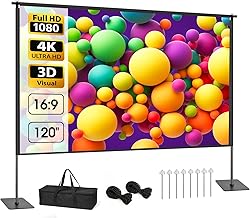
Outdoor Projector Screen with Stand (Black Backing, 120 inch)
Similar to the previous entry, this outdoor screen incorporates a black backing for improved image quality when used in transitional light conditions or near ambient light sources like streetlights. This attention to light control elevates its status among portable outdoor screens.
Outdoor Projector Screen with Stand 100 Inch (16:10 Aspect Ratio)
While most home screens are 16:9, this 100-inch screen offers a 16:10 aspect ratio. This slightly taller format is often preferred for presentations, gaming, or displaying PC content, offering a versatile option for users who need a screen for more than just movies.
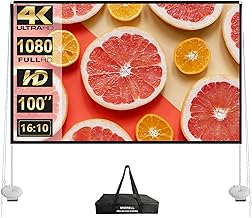
TOWOND Projector Screen with Stand (100 inch, Rear/Front)
This model is highly portable and offers both rear and front projection capabilities. This dual functionality is highly valued for commercial use or outdoor events where projector placement might be restricted, making it a flexible and nice projector screen solution for diverse environments.
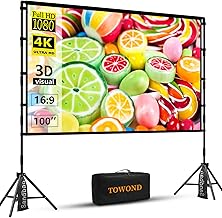
Elite Screens Yard Master 2 DUAL Projector Screen (120-INCH)
Specifically designed for outdoor use, this model boasts dual projection capabilities (front and rear) and a fast-folding frame. Its durable material is rated for outdoor elements, ensuring longevity and consistent performance, solidifying its place as a professional-grade outdoor option.
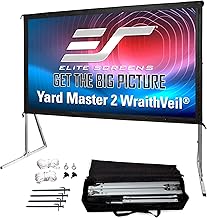
Taotique Projector Screen 72 inch (Foldable and Portable)
This compact 72-inch screen is highly portable and budget-friendly. Its foldable, anti-crease material makes it perfect for impromptu setups, whether for a small apartment or a quick office meeting. Its small footprint and ease of storage make it an excellent entry-level nice projector screen.
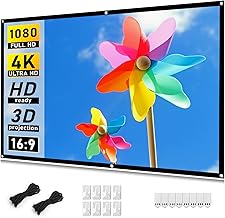
Installation and Maintenance for Longevity
Even the nicest projector screen requires proper installation and care to maintain its performance and safety profile over time.
Mounting Motorized and Fixed Screens
When installing fixed frame or heavy motorized screens, always locate structural supports (studs or joists). Never rely solely on drywall anchors. For ceiling-recessed motorized screens, professional installation is often recommended to ensure the casing is perfectly level and securely integrated into the ceiling structure. Misalignment can cause the screen material to retract unevenly, leading to wrinkles or mechanical failure over time.
Keeping Your Nice Projector Screen Wrinkle-Free
Wrinkles severely degrade image quality, especially with high-resolution 4K and 8K content. For fixed and tensioned screens (like the Silver Ticket model), this is rarely an issue after initial setup.
For portable, foldable screens, careful storage is key. Always fold the screen loosely, or ideally, roll it up if possible. If wrinkles do appear, manufacturers often recommend hanging the screen tautly for several days or using a low-heat steamer from a distance, following the specific material guidelines provided by the manufacturer.
Cleaning Your Screen Surface
Dust and fingerprints can accumulate and negatively affect image clarity and gain uniformity. Most matte white screens can be gently cleaned with a microfiber cloth and mild soap and water solution, applied sparingly. Never use harsh chemical cleaners, as they can damage the delicate optical coatings found on high-gain or ALR screens.
Regular maintenance ensures that your investment in a high-quality, nice projector screen continues to deliver stunning images for years to come.
Conclusion: Selecting Your Ideal Nice Projector Screen
A truly nice projector screen balances superb image quality with reliable safety and durability. Whether you opt for the pristine flatness of a fixed frame screen, the convenience of a motorized ALR system, or the rugged portability of an outdoor model with a stand, prioritizing quality materials and robust construction is essential.
When making your final selection, consider the viewing environment (light levels matter!), the primary content type (movies vs. presentations), and the permanence of the installation. By focusing on the features discussed—from fire retardancy to anti-crease technology—you can ensure your new screen provides a stunning, safe, and long-lasting centerpiece for your viewing pleasure.