If you are a devoted user of cast iron cookware—a kitchen essential that will last forever—you understand the magic it brings to searing steaks, frying chicken, and baking cornbread. However, you also know the searing pain of accidentally grasping a handle that has been sitting over a high flame for 20 minutes. That split-second lapse in judgment often results in a painful burn and a ruined meal. It’s the Achilles’ heel of otherwise perfect cookware.
For years, cooks relied on clumsy cloth potholders or bulky oven mitts, which often slipped or were too thin to truly block the intense, radiating heat. But the solution to this universal kitchen problem is surprisingly simple, highly effective, and incredibly affordable: the silicone hot handle cover. Starting at around $6, this small accessory is arguably the single most important safety upgrade you can make for your cast iron collection.
We dive deep into why these covers are essential, how they work, and showcase the best options available right now, proving that high-level kitchen safety doesn’t require a high price tag.
The Hidden Danger of Cast Iron: Why Handles Get So Hot
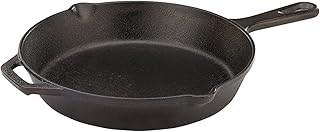
Cast iron is prized for its superior heat retention and even heat distribution. These qualities are exactly what make it dangerous. Unlike modern cookware with plastic or insulated handles, cast iron skillets are typically forged from a single piece of metal. This means the handle is structurally connected to the cooking surface, allowing heat to travel directly up the metal through a process called thermal conductivity.
Thermal Conductivity Explained
When you place a cast iron skillet on a burner, the iron absorbs and stores massive amounts of energy. Since the handle is made of the same material, it acts like a heat sink. While the handle might initially stay cooler than the pan bottom, given enough time—especially when cooking long braises, slow-simmered sauces, or dishes that require a high-temperature sear—the handle temperature can easily exceed 400°F (200°C). This is far above the temperature required to cause severe burns in seconds.
The traditional solution, the cloth potholder, often fails because it provides insufficient insulation or, worse, absorbs moisture, which can instantly turn to steam against the hot iron, accelerating the burn. Silicone, a modern polymer, offers a fundamentally superior defense.
Introducing the Kitchen Hero: The Silicone Handle Cover
The silicone handle cover is a simple, sleeve-like accessory designed to slide snugly over the main handle of your cast iron skillet. It provides a thick, non-slip layer of thermal protection, transforming a searing-hot metal bar into a comfortable, secure grip.
The Science of Safety: How Silicone Works
Silicone is a synthetic rubber that boasts excellent thermal stability. Unlike plastics, which melt or deform at high temperatures, quality food-grade silicone can withstand temperatures up to 450°F (230°C), and sometimes even higher, without degradation. This material works as an insulator, drastically slowing the transfer of heat from the iron handle to your hand.
Beyond its heat resistance, silicone offers several functional advantages:
- Superior Grip: The textured surface of silicone provides a non-slip grip, crucial when maneuvering heavy, grease-laden cast iron pans.
- Affordability: As our featured products show, reliable protection doesn’t cost a fortune. You can secure your safety for less than the price of a takeout coffee.
- Durability: Silicone is incredibly resilient against oils, detergents, and frequent use, and most covers are dishwasher safe, making cleanup effortless.
This small investment eliminates the need to fumble for a mitt or risk scorching your fingers, allowing you to focus on achieving that perfect sear or flipping that flawless pancake.
Luxury vs. Budget: Finding the Perfect Handle Cover
While some high-end cast iron collections come with custom-fitted handle covers, the beauty of the silicone solution is its universal compatibility and low cost. Here, we compare the best options, focusing on individual covers that deliver maximum protection for minimal expense, often hitting that sweet $6 mark.
The Budget Champions: Essential Protection Under $10
For cooks who just need reliable, no-frills protection for their existing skillets, these options are unbeatable.
1. Lodge Silicone Mini Hot Handle Holder (The $6 Star)
This product perfectly illustrates how little you need to spend for maximum safety. Designed specifically for smaller skillets (8 inches or less) or as an assist handle cover, its compact size and effective insulation make it a kitchen staple.
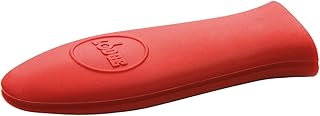
2. Lodge Silicone Hot Handle Holder (The Standard Workhorse)
The standard size Lodge cover is built for 9-inch and larger skillets. It is a highly rated, durable accessory that fits most traditional cast iron handles, providing heat protection up to 500°F. This is the definitive upgrade for anyone struggling with their main skillet handle.

3. Joyhalo 6 Pack Silicone Pot Handle Covers (The Value Pack)
If you own multiple cast iron pieces, or even stainless steel pans with metal handles, buying in bulk is the smart move. This 6-pack offers various sizes and shapes, ensuring every piece of cookware in your arsenal is protected. It’s a fantastic way to equip your entire kitchen for a low per-unit cost.

The Bundled Convenience: Skillets that Include the Cover
For those looking to purchase new cast iron, selecting a skillet that already includes a silicone handle cover is the easiest way to ensure safety from day one. These bundles often represent excellent value, combining the pan and the essential accessory.
4. Lodge 12 Inch Cast Iron Skillet with Red Silicone Hot Handle Holder
Lodge, the undisputed leader in cast iron, often bundles its most popular skillets with the essential red silicone holder. This 12-inch skillet is perfect for family meals, and the included holder means you never have to scramble for protection. It’s a seamless integration of performance and safety.

5. Cuisinel 12 Inch Cast Iron Skillet with Red Silicone Grip Cover
Cuisinel offers a highly competitive 12-inch skillet that comes pre-seasoned and includes the vital red silicone grip cover. This is a great alternative to the standard Lodge, often favored by cooks who appreciate the complete package right out of the box. This skillet is versatile enough for searing, frying, and oven use, making it an excellent candidate for daily cooking.

6. Cuisinel Cast Iron Skillet with Silicone Handle & Lid Holders
For those who need more than just the handle cover, this comprehensive set from Cuisinel often includes both the long handle cover and a silicone assist handle holder, plus a lid. This is especially useful for handling heavy pans when pouring liquids or transferring a full skillet meal from the stovetop to the oven. If you are looking to upgrade your cookware and safety gear simultaneously, consider a 3 piece skillet set sale that offers these accessories.

Beyond Cast Iron: Versatility in the Modern Kitchen
While silicone handle covers are most famous for protecting against hot cast iron, their utility extends across many types of cookware found in the modern kitchen. Any pan with a metal handle that conducts heat quickly—such as stainless steel frying pans, carbon steel woks, or even small metal saucepans—can benefit from a silicone grip.
Woks and Carbon Steel
Carbon steel pans, which heat up even faster than cast iron, often feature thin metal handles that become scalding almost instantly. A silicone cover provides immediate safety for these quick-cooking vessels. If you frequently use a wok, especially those that lack traditional wooden handles, a silicone cover is non-negotiable. It’s an ideal accessory for users who have recently purchased new Amazon woks or carbon steel skillets.
Dutch Ovens and Braisers
Many Dutch ovens, including popular enamel models, feature small, cast-iron loop handles that are impossible to grip without heavy mitts. While silicone covers designed for long handles won’t fit these loops, specialized silicone assist grips are available. These smaller, circular grips slide onto the loop handles, offering a secure, insulated hold when moving a heavy, simmering pot. This same principle applies if you’ve found a great Le Creuset dupe and need better grip on the side handles.
The universal appeal of silicone protection lies in its adaptability. Whether you are searing on the stovetop, grilling outdoors, or handling a pan fresh from the oven (with proper precautions, as noted below), the silicone cover is ready to provide reliable, instant protection.
Maintenance and Longevity: Keeping Your Covers Pristine
One of the greatest advantages of silicone over traditional fabric potholders is how easy it is to clean and maintain. Because silicone is non-porous, it doesn’t absorb grease, odors, or stains the way cloth does. This ensures your handle covers remain hygienic and aesthetically pleasing for years.
Cleaning Made Simple
Most silicone handle covers are entirely dishwasher safe. Simply toss them into the top rack with your other kitchen tools. For quick cleaning, a rinse under hot water with a little dish soap is usually enough to remove any surface grease. This simplicity is key to encouraging regular use; unlike a greasy cloth mitt that gets tossed aside, a clean silicone cover is always ready for action.
A Crucial Safety Warning: Oven Use
While silicone is highly heat-resistant, it is generally rated only up to 450°F or 500°F (depending on the manufacturer). This is a critical distinction, especially for cast iron cooks who frequently move their pans into the oven. You should **never** leave the silicone handle cover on your cast iron skillet when placing it inside a hot oven (which often operates above 500°F for searing or baking).
The covers are designed for stovetop use and for handling the pan immediately after removing it from the oven or stovetop. Once you are done cooking and the pan is off the heat source, slide the silicone cover on for safe maneuvering to the serving area or sink. Leaving it in a high-temperature oven can cause the silicone to melt, smoke, or degrade, posing a safety risk and potentially ruining your cookware.
The Critical Difference: Why Silicone Beats Cloth Mitts
Before silicone covers became widely adopted, the kitchen relied on two main forms of heat protection: the fabric potholder and the leather mitt. While these options still have their place, particularly for oven use, they fall short when compared to the modern silicone grip, especially for the specific task of handling a cast iron skillet handle.
Heat Transfer and Insulation
Fabric potholders rely on thickness and density to slow heat transfer. If they are thin, wet, or compressed, the heat can transfer almost instantly. Silicone, due to its chemical structure, is inherently a poor conductor of heat. It provides a consistent, reliable barrier that fabric simply cannot match, especially over long periods of stovetop cooking where the cast iron handle is constantly radiating heat.
Grip and Security
The slickness of a hot, seasoned cast iron handle combined with the smooth surface of a cloth potholder is a recipe for disaster. A slipping grip can lead to serious burns, injury, and a mess. Silicone covers are designed with textured ridges and an ergonomic shape that locks onto the handle, providing unparalleled security. This firm grip is essential when pouring off bacon grease or transferring a heavy pizza skillet.
Durability and Hygiene
Think about your cloth potholders: they are likely stained, possibly scorched, and hold onto residual grease and cooking odors. They wear out quickly and must be replaced often. Silicone covers resist staining, repel grease, and are built to last as long as your cast iron skillet itself—which, as we know, is practically forever. Their easy cleaning process ensures that safety never comes at the expense of hygiene.
Choosing the Right Fit: Size Matters
When purchasing a silicone handle cover, ensure you select the correct size for your most frequently used skillet. While many covers are designed to fit the standard Lodge skillet shape, slight variations exist, particularly among different brands or specialized cookware.
- Standard (Large) Covers: These fit most 10-inch and 12-inch skillets (like the Lodge ASHH41). They are the most common and versatile choice for main cooking pans.
- Mini Covers: Ideal for smaller skillets (6-inch or 8-inch) or as an extra layer of protection for the short “assist” handles found opposite the main handle on larger pans. The $6 Lodge mini cover is a perfect example of this smaller, highly functional design.
- Assist Grips: These are usually smaller, circular, or rectangular silicone pieces designed specifically for the helper handles on large skillets, Dutch ovens, or griddles. They are invaluable when you need two hands to lift heavy cookware.
Checking the product description for compatibility is always recommended, but generally, the universal design of brands like Lodge and Cuisinel ensures a snug fit on most major cast iron manufacturers.
An Essential Upgrade for Every Cook
The irony of cast iron cookware is that its greatest strength—its heat retention—is also its greatest safety hazard. For just a few dollars, you can completely mitigate that risk. The $6 silicone handle cover isn’t just a kitchen gadget; it’s a fundamental piece of safety equipment that enhances your cooking experience by eliminating the fear of burns.
Whether you are a seasoned chef handling a dozen pans or a beginner just learning to season your first cast iron skillet, this small, brightly colored accessory is a massive quality-of-life improvement. Stop fumbling with unreliable cloth and invest in the reliable, heat-deflecting power of silicone.
Ready to upgrade your kitchen safety? Explore the options above, and don’t forget to check out our guides on other essential cookware and home decor ideas, such as finding the perfect cloud modular sectional sofas or tips for cleaning your wok. For more kitchen inspiration and home tips, visit Homybudy.com.
***
Frequently Asked Questions (FAQ) About Silicone Handle Covers
H3: Can I leave the silicone handle cover on my cast iron skillet while it’s heating?
Generally, yes, but only on the stovetop and under its maximum temperature rating. Most silicone covers are rated up to 450°F or 500°F (230°C–260°C). Since the handle of a cast iron skillet rarely exceeds this temperature when used on a conventional stovetop burner, it is safe to leave the cover on during cooking. However, if you are cooking at extremely high temperatures (e.g., using a high-powered induction burner or commercial range), or if the flame wraps around the side of the pan and directly touches the silicone, you should remove it. Always check the specific heat rating of your product.
H3: Are silicone handle covers safe to use in the oven?
NO. You must remove the silicone cover before placing the cast iron skillet in the oven. Ovens are often preheated to temperatures well above the silicone’s maximum rating (e.g., 550°F for searing). Leaving the cover in the oven will cause it to melt, smoke, or catch fire, damaging the cover and potentially the oven. The cover is strictly intended for handling the skillet on the stovetop or immediately after removing it from the heat source.
H3: How do I clean my silicone handle cover?
Silicone covers are incredibly easy to clean. They are almost always dishwasher safe and can be placed on the top rack. Alternatively, you can hand wash them with hot water and dish soap. Since silicone is non-porous, it does not trap food particles or grease, making cleaning much simpler than cleaning fabric potholders.
H3: Will a silicone cover fit my non-Lodge cast iron skillet?
Most silicone handle covers, including those made by Lodge and Cuisinel, feature a universal design intended to fit the standard shape of traditional cast iron skillet handles. While there might be minor differences in snugness, a standard-sized cover will typically fit most 10-inch and 12-inch skillets from major brands like Victoria, Wagner, or Griswold. If you have a specialty skillet, such as a Dolly Parton collection skillet, measure the handle width to ensure compatibility.
H3: What is the difference between the mini and standard silicone handle holders?
The standard (or large) holder is designed for the long handle of your main frying pan (typically 9 inches and up). The mini holder is shorter and is often used for smaller skillets (6-inch or 8-inch) or, more commonly, to cover the small “assist” loop handle found opposite the main handle on larger, heavier skillets. Using an assist grip is crucial when moving a fully loaded pan, as it requires two hands for safety and balance.
H3: Why should I choose silicone over a leather or fabric handle cover?
Silicone offers superior heat protection, especially against sustained heat transfer, due to its low thermal conductivity. It also provides a non-slip, secure grip that fabric or leather often lacks, particularly when exposed to grease or moisture. Furthermore, silicone is easier to clean and maintain, offering better hygiene and longevity compared to porous fabric or leather options.
H3: Are there different colors available?
Yes, while red and black are the most common colors (red being highly visible and black matching the cast iron aesthetic), many brands offer silicone covers in various colors, including blue, green, and orange. Choosing a bright color like red can actually be a safety feature, making the cover highly visible and reminding you to use it before grabbing the hot handle.
H3: Is it worth buying a multi-pack of silicone covers?
If you own multiple cast iron skillets or often use an assist handle, buying a multi-pack (like the Joyhalo 6-pack) is highly recommended. It ensures that every hot handle in your kitchen is covered, preventing accidental burns during busy cooking sessions. Multi-packs are usually the most cost-effective way to outfit your entire cookware collection.
H3: How does this compare to heat-resistant gloves?
Silicone handle covers are a specialized tool designed for the handle only, offering a snug, fixed grip that becomes part of the pan. Heat-resistant gloves offer flexibility and full hand protection but can be bulky and may still slip if the