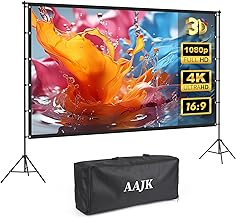
The quality of your home theater experience often comes down to one critical, yet frequently overlooked component: the projector screen material fabric. While the projector itself generates the image, the screen surface is responsible for reflecting that light back to your eyes, dictating brightness, color accuracy, contrast, and even viewing angle. Choosing the wrong fabric can result in a dim, washed-out, or distorted picture, turning a cinematic experience into a frustrating viewing session.
This guide dives deep into the world of projection surfaces, addressing the most common issues users face—from persistent wrinkles to poor ambient light performance—and provides expert solutions and product recommendations to ensure your image quality is flawless.
Understanding Projector Screen Material Fabric Basics
Before troubleshooting specific issues, it is essential to understand the core metrics that define a projection surface. These characteristics are determined entirely by the composition and texture of the projector screen material fabric.
Key Metrics: Gain, Viewing Angle, and Contrast
Gain is arguably the most crucial metric. It measures how much light the screen reflects compared to a standard reference surface (Magnesium Carbonate, which has a gain of 1.0). A gain of 1.0 means the light is reflected equally across all viewing angles. Higher gain (e.g., 1.5 or 2.0) makes the image brighter, but typically narrows the viewing angle, creating a “hot spot” directly in front of the screen. Lower gain (e.g., 0.8) diffuses the light more evenly, enhancing contrast, but resulting in a slightly dimmer image.
Viewing Angle refers to the maximum angle from which you can view the image without significant loss of brightness or color shift. Screens with high gain materials often have a narrower viewing cone, meaning viewers sitting far off-center will see a duller picture.
Contrast is the difference between the brightest whites and the darkest blacks. While the projector handles the initial contrast ratio, the screen material — particularly gray or Ambient Light Rejecting (ALR) fabrics — plays a major role in maintaining contrast, especially in rooms that aren’t perfectly dark.
Common Material Types
The physical composition of the projector screen material fabric falls into a few main categories:
- Matte White (PVC/Vinyl): The standard, most common material. Offers a 1.0 to 1.1 gain and excellent color neutrality. It is versatile but performs poorly in rooms with ambient light.
- High-Gain White: Uses reflective coatings (sometimes beaded or metallic) to achieve gains up to 2.5. Great for low-lumen projectors but prone to hot spotting.
- Gray/High-Contrast Gray: These materials have a lower gain (0.8-0.9) but absorb ambient light better than white screens, deepening black levels and improving perceived contrast in moderately lit rooms.
- Ambient Light Rejecting (ALR) / Ceiling Light Rejecting (CLR): These specialized materials use microscopic optical structures (often angular or lenticular) to actively deflect light coming from off-axis sources (like ceiling lights or windows) while reflecting the projector’s light directly toward the viewer. Essential for bright living rooms.
Common Problems Solved: Projector Screen Material Troubleshooting
Even the best projection setups encounter issues. Here is how to troubleshoot the most frequent problems related to the screen material itself.
Problem 1: Wrinkles and Creases (The Folding Issue)
This is arguably the most common complaint, especially with portable or budget-friendly screens made of thin polyester or vinyl fabric that ship folded. Creases distort the image, making straight lines appear wavy and distracting the viewer.
Solution: Heat, Tension, and Storage
The solution depends on the material type. For thin, foldable polyester screens (common in portable setups), manufacturers often recommend gentle ironing on a low setting, or using a steamer. However, the most reliable long-term solution is tension.
If you have a manual pull-down screen, ensure the bottom bar is weighted correctly and the mechanism is functioning smoothly. For fixed screens, ensure the material is stretched taut across the frame. Many high-quality screens, like those from Elite Screens or Silver Ticket Products, feature tensioning systems (tabs, snaps, or springs) designed specifically to eliminate wrinkles. If you are constantly setting up and taking down a portable screen, investing in a wrinkle-free fabric (often thicker PVC or polyester blends) is crucial.

The Mdbebbron 120 inch Projection Screen is an example of a popular portable, anti-crease option, utilizing a thick, soft polyester fiber material designed to minimize folding marks.
Problem 2: Hot Spotting (Uneven Brightness)
Hot spotting occurs when the center of the screen appears significantly brighter than the edges, often resulting in poor uniformity. This is almost always caused by using a screen material with too high a gain for your setup, especially when paired with a bright projector or a short throw distance.
Solution: Choosing the Right Gain
The solution is to switch to a screen with a lower gain (closer to 1.0). High-gain screens focus light back to the center, which works well in very long throw, dedicated dark rooms, but fails in modern home theaters where seating is spread out or the throw distance is short. For most standard home theater setups, a 1.0 to 1.1 gain matte white surface is ideal, providing excellent uniformity and a wide viewing angle.
Tip: If you are using a fixed frame screen like the Silver Ticket Products STR Series, ensure the material specified is a neutral 1.1 gain or lower if you are experiencing hot spots.

Problem 3: Low Contrast in Ambient Light
In a living room or a space with windows, a standard white screen washes out quickly. The reflected ambient light raises the black floor, making the image look gray and dull.
Solution: Utilizing ALR/CLR Materials
The best fix for ambient light is specialized projector screen material fabric designed to reject light from sources other than the projector. These are known as Ambient Light Rejecting (ALR) or Ceiling Light Rejecting (CLR) screens.
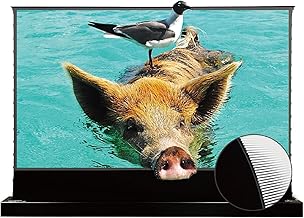
ALR screens are typically gray or black and use micro-layered structures to reflect light from the projector (which is coming from a specific angle) back to the viewer, while absorbing light coming from the ceiling or sides. For ultra-short throw (UST) projectors, specialized ALR screens are mandatory, such as the material used in the AWOL VISION Motorized ALR Floor Rising Screen. These high-end materials can dramatically improve contrast and black levels even in bright rooms.

For DIY enthusiasts who need to control light spill, using a material like the Elite Screens Designer Cut Blackout DIY High Contrast Grey Material can offer a significant improvement over standard white paint or cheap fabrics by absorbing stray light.
Problem 4: Difficulty Cleaning Stains
Whether it’s dust, fingerprints, or accidental splashes (especially common with outdoor or children’s movie setups), stains on the screen surface can permanently damage image quality.
Solution: Material Care and Maintenance
Most projector screen material fabric surfaces, particularly vinyl and PVC, are washable. However, never use abrasive cleaners, harsh chemicals, or scrub brushes, as these can permanently damage the gain coating or the micro-structure of ALR screens.
Recommended Cleaning Method:
- Use a microfiber cloth to gently wipe away loose dust.
- Mix mild soap (like dish soap) with distilled water.
- Dampen a clean, soft cloth (microfiber is best) and gently wipe the stained area, moving horizontally or vertically (never in circles).
- Wipe dry immediately with a separate, clean microfiber cloth.
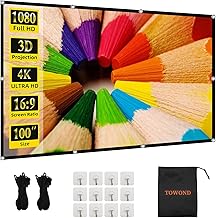
Screens designed for portability, like the TOWOND 100 inch Projection Screen, often boast washable materials, making them suitable for frequent outdoor use where dirt and spills are inevitable.
Problem 5: Poor Color Accuracy (Yellowing/Tinting)
If whites look slightly yellow or colors appear muted, the issue might be degradation of the screen material over time, particularly if it has been exposed to UV light or moisture.
Solution: Checking Material Composition
High-quality projection materials, such especially those reinforced with fiberglass or thick PVC, maintain color neutrality for longer. Cheaper fabrics may yellow quickly, especially when exposed to humidity or sunlight.
If your screen is aging poorly, replacement is usually the only option. Look for screens that specify they are made of multi-layer PVC or fiberglass-backed material, which provides rigidity and better resistance to environmental factors compared to thin polyester sheets.
Selecting the Right Fabric for Your Setup (Indoor vs. Outdoor)
The environment where you plan to use your projector is the primary factor dictating the ideal projector screen material fabric.
Indoor Fixed Frame vs. Pull-Down Mechanisms
For a dedicated indoor home theater, a fixed frame screen is preferred. The material is permanently stretched and tensioned, guaranteeing a perfectly flat, wrinkle-free surface that maximizes image quality. Products like the Silver Ticket Products STR Series offer professional-grade flatness.
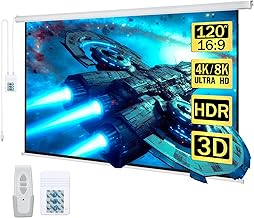
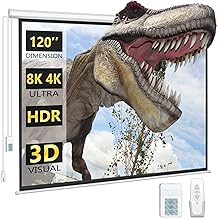
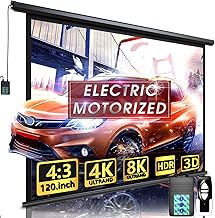
If you need the screen to disappear when not in use, a manual or motorized pull-down screen is necessary. Motorized options, such as the Aoxun 120 Inch Pull Down Projector Screen or the VIVOHOME Motorized Projector Screen, ensure a smooth retraction and often feature tensioning systems to keep the material taut when deployed.
Portable Outdoor Fabrics (Durability and Wrinkle Resistance)
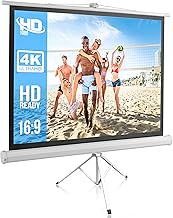
Outdoor use demands durability and easy setup. Portable screens must be lightweight, foldable, and resistant to wrinkles from packing. They often feature grommets for easy hanging or come with stands. For outdoor movie nights, look for materials that support both front and rear projection, offering flexibility in setup. The Elite Screens Yard Master Lite is designed specifically for portability and outdoor durability.
Key Feature for Outdoor: Look for materials with a black backing (like the DUYIKJ Portable Black Backing Screen). This backing prevents light from passing through the screen, which is crucial if setting up near a bright wall, or if using rear projection.
Advanced Material Considerations for High-End Setups
When dealing with 4K, 8K, and HDR content, the screen material needs to be flawless. Any imperfections, textures, or substandard gain coatings will become immediately visible.
Acoustically Transparent Materials
For truly immersive home theaters, the front speakers should ideally be placed directly behind the screen, allowing sound to emanate directly from the action. This requires an acoustically transparent (AT) projector screen material fabric. These screens feature microscopic perforations or a woven structure that allows sound to pass through with minimal attenuation, without visibly affecting the projected image resolution.
While AT screens are typically more expensive and require careful calibration, they deliver the most professional cinema experience by perfectly aligning the sound stage with the visual image.
Motorized Tensioned Screens
Manual pull-down screens often suffer from “v-waving” or curling at the edges after repeated use. This is where the tensioning mechanism fails to keep the material perfectly flat. Motorized, tab-tensioned screens are designed to combat this. Tabs along the sides of the screen pull the material outward, ensuring a smooth, flat surface that rivals a fixed frame setup, even when retracting and deploying frequently.
The Elite Screens Manual Series, and especially their motorized counterparts, utilize advanced tensioning systems to maintain flatness, crucial for high-resolution viewing where even minor ripples are distracting.

Recommended Projector Screen Material Products
Finding the right balance between portability, performance, and price often means evaluating the quality of the underlying fabric. Here are several top-rated options covering various needs, focusing heavily on the screen material’s characteristics.
Portable and Budget-Friendly Options
These screens prioritize flexibility and ease of setup, often using lightweight polyester or thin vinyl materials that are easy to fold and transport.
Mdbebbron 120 inch Projection Screen (B07FB6VW1M)
This simple, foldable screen is highly rated for its anti-crease fabric, making it a favorite for casual indoor and outdoor movie nights. It supports double-sided projection, offering great versatility for rear projection setups.
DUYIKJ Portable Black Backing Blackout Projector Screen (B0G79F8Z2B)
For situations where light bleed-through is an issue (e.g., setting up against a window or bright wall), the blackout backing on this projector screen material fabric is invaluable. It ensures the image remains vibrant by blocking light transmission.
TOWOND Projector Screen 100 inch (B0CQ2459N8)
A simple, highly portable, and washable screen surface that is perfect for temporary installations or travel. Its anti-crease nature makes setup quick and hassle-free.
Fixed and Manual Pull-Down Screens (Permanent/Semi-Permanent)
These options offer superior flatness and image integrity due to their robust construction and tensioning systems.
Pyle 72-Inch Manual Pull Down Projector Screen (B0G6FH74JK)
A classic manual pull-down design featuring a matte white projection surface and an auto-lock mechanism. Ideal for small office spaces or home theaters where a screen needs to be concealed when not in use.

Elite Screens Manual B, 100-INCH (B008XGTXWE)
Elite Screens is known for quality materials. This manual screen uses a MaxWhite material, offering 1.1 gain and a wide viewing angle, perfect for general home theater use. The manual pull-down system is reliable and designed for long-term wall or ceiling mounting.

Elite Screens Manual Series, 120-INCH 16:9 (B000PHLB88)
A larger version of the Elite Screens manual pull-down, providing a spacious 120-inch diagonal display area with the same quality 1.1 gain material suitable for 4K and 8K projectors.
Silver Ticket Products STR Series 120″ (B00CYLOTPK)
This is a fixed frame screen, providing the best possible flatness. The 1.1 gain white material is ideal for dedicated dark rooms, ensuring maximum color accuracy and minimal texture visibility for high-resolution content.
Motorized and High-Performance Options
For convenience and premium performance, especially in ambient light environments.
VIVOHOME Motorized Projector Screen with Remote (B089N22T2W)
A motorized screen offering easy deployment via remote control. The material is a matte white surface, suitable for standard throw projectors in light-controlled rooms.