The rise of mobile content consumption has created a demand for devices that can take the small screen experience and blow it up to cinematic proportions. This is where the phone screen projector steps in. Whether you are hosting an impromptu backyard movie night, need a portable presentation solution, or simply want to enjoy mobile gaming on a massive display, these compact devices offer incredible versatility.
A phone screen projector is essentially any device designed to take the visual output from your smartphone (via wired connection, Wi-Fi mirroring, or even optical magnification) and display it onto a large surface. The market offers a wide spectrum of options, ranging from sophisticated digital mini-projectors capable of 4K input to incredibly simple, non-electronic screen magnifiers. Choosing the right one depends heavily on your primary use case, required image quality, and budget.
To help you navigate this crowded field, we have selected three distinct products representing the best and most popular categories of phone screen projection devices. We compare a versatile budget smart projector, a high-resolution portable powerhouse, and the ultimate low-tech, ultra-portable screen magnifier.
Understanding Phone Screen Projectors
Before diving into the product comparison, it is crucial to understand that the term “phone screen projector” covers a few different technologies. The core function remains the same—enlarging the phone’s display—but the method of achieving this varies significantly, impacting cost, quality, and portability.
Types of Phone Screen Projectors
The two main categories of devices that project or magnify your phone screen are digital projectors and optical magnifiers.
Digital Projectors (LED/DLP)
These are miniature versions of traditional projectors. They use LED or DLP (Digital Light Processing) technology to cast a digital image onto a wall or screen. Modern versions almost universally include Wi-Fi and Bluetooth connectivity, allowing for easy screen mirroring from iOS (AirPlay) or Android (Miracast/DLNA) devices. They are the go-to choice for achieving large, high-quality images, often supporting resolutions up to 1080P or 4K input.
- Pros: High resolution, large image size, robust connectivity, built-in speakers.
- Cons: Requires power (battery life varies), generally more expensive, needs a dark environment for best results.
Optical Magnifiers (Non-Electronic)
These are the simplest and most budget-friendly option. They consist of a large magnifying screen (usually made of acrylic or Fresnel lens technology) mounted in a stand. You simply place your phone behind the lens, and the image is optically enlarged. They require no batteries, no setup, and are extremely portable.
- Pros: Zero power required, extremely cheap, highly portable.
- Cons: Image quality is limited (often blurry or distorted at the edges), relies on ambient light, screen size is limited compared to digital projection.
The Multi-User Comparison: TMY vs DreamFair vs 3D Magnifier
We selected three top products that represent different approaches to projecting or magnifying your phone screen. This comparison will help you decide whether you need the power of a digital projector or the simplicity of an optical magnifier.
Product A: DreamFair Mini Projector (The Budget Smart Choice)
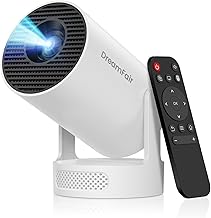
The DreamFair Mini Projector is designed for users seeking a full digital projection experience without breaking the bank. It features native 720P resolution (with 4K support input) and focuses heavily on portability and ease of setup. Its standout feature is the 210° rotatable design, allowing users to project images onto the ceiling, walls, or even the floor without needing a tripod.
Key Features:
- Connectivity: WiFi and Bluetooth for seamless smartphone mirroring.
- Portability: Extremely compact and lightweight, ideal for travel.
- Usability: 210° rotatable stand and auto keystone correction simplify setup.
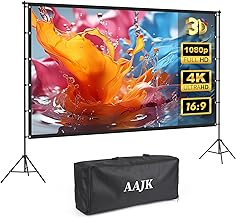
Product B: TMY Portable Projector (The 1080P Powerhouse)
The TMY Portable Projector targets users who prioritize crisp image quality and brightness. With native 1080P resolution, this model delivers a significantly sharper picture than most budget mini-projectors. It is bundled with an 80-inch screen, making it a comprehensive package for immediate use, especially for outdoor movie nights where image clarity is essential.
Key Features:
- Resolution: True native 1080P resolution for superior clarity.
- Value: Includes an 80-inch screen, saving you an extra purchase.
- Versatility: Excellent compatibility with phones, TV Sticks, HDMI, and USB devices.
Product C: 3D HD Screen Magnifier (The Ultra-Portable Budget Pick)
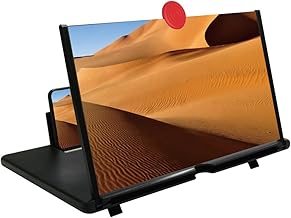
For those seeking the simplest, non-electronic solution for mobile video viewing, the 3D HD Screen Magnifier is the answer. This is not a projector in the traditional sense, but an optical device that uses a large magnifying lens (often 12-14 inches) to enlarge the phone screen. It folds flat for ultimate portability and requires zero charging or complicated setup.
Key Features:
- Simplicity: No batteries, no cables, instant use.
- Cost: Extremely affordable, making it a great impulse purchase or gift.
- Portability: Folds down completely flat for easy carrying in a backpack or large pocket.
Feature Breakdown and Comparison
To determine which phone screen projector best fits your lifestyle, let’s compare the critical features across the three categories.
Portability and Setup
Portability is a primary concern for any phone screen projector. If you plan to use the device frequently on the go—say, moving between office meeting rooms, camping trips, or different rooms in your house—size and setup time matter.
Portability Comparison: Mini Projectors vs. Magnifiers
The 3D HD Screen Magnifier wins the portability contest hands-down. It is non-electronic, weighs mere ounces, and collapses flat. It is the perfect grab-and-go solution for watching videos in bed or on a long train ride. However, its screen size is fixed and relatively small (around 12 inches).
The DreamFair Mini Projector is highly portable for a digital unit. Its small cube size and built-in 210° swivel mount mean you rarely need a separate tripod, simplifying setup. It’s excellent for spontaneous projection onto any surface.
The TMY Portable Projector is the least portable of the three. While still manageable, its larger size and the need for a separate screen (even if bundled) mean it’s best suited for planned setups, like a backyard cinema, rather than casual travel.
Image Quality and Resolution
The quality of the projected image is often the deciding factor, particularly for movie enthusiasts and gamers. This is where the digital projectors shine, provided you have a dark viewing environment.
Image Quality Comparison: Clarity and Brightness
The TMY Portable Projector offers the best image quality due to its native 1080P resolution. Native resolution refers to the actual number of pixels the projector uses to create the image, resulting in a clearer, crisper picture compared to projectors that only support 1080P input but display at a lower native resolution.
The DreamFair Mini Projector, with its native 720P, provides a good balance between quality and cost. While noticeable differences exist when compared side-by-side with a native 1080P unit, it still delivers a sharp, enjoyable image suitable for most casual viewing and presentations, especially given its budget price point.
The 3D HD Screen Magnifier offers the lowest quality. Because it relies on optical magnification, the image often suffers from edge distortion, color aberration, and reduced brightness. It effectively enlarges the image, but the clarity will be significantly degraded compared to the original phone screen.
Connectivity and Compatibility
A true phone screen projector must connect effortlessly to your device. This often involves wireless screen mirroring protocols.
Digital vs. Optical Connectivity
Both the DreamFair and TMY models excel in modern digital connectivity. They support dual-band WiFi for screen mirroring (AirPlay for iOS, Miracast for Android) and Bluetooth for external speakers. They also include physical ports like HDMI and USB, making them compatible with almost any modern media source, from gaming consoles to laptops.
The 3D HD Screen Magnifier requires no electronic connectivity whatsoever. It is universally compatible with any smartphone—simply place the phone on the stand. This simplicity eliminates any connectivity headaches (like lag or dropped signals), though it also removes any possibility of connecting external audio or other peripherals.
Price Point and Value
The cost difference between these categories is substantial, directly correlating with the technology involved.
Evaluating Cost vs. Performance
The 3D HD Screen Magnifier offers unparalleled value for basic magnification. For less than the cost of a movie ticket, you get a larger viewing area for your phone, perfect for occasional use or for children.
The DreamFair Mini Projector represents the best value in the digital category. It provides smart features, decent native resolution (720P), and high portability at a very competitive price, making it an excellent entry-level choice for those new to projection.
The TMY Portable Projector sits at a higher price point, justified by its native 1080P resolution and the inclusion of a dedicated screen. This investment is worthwhile for users who plan to use the projector frequently for high-definition content, especially outdoors or in environments where brightness and clarity are paramount.
Who Should Buy Which Phone Screen Projector?
Your ideal choice depends entirely on how you intend to use the device. Here is a guide based on common user scenarios.
Best for Backyard Movie Nights
If your main goal is to host outdoor events, movie clarity, brightness, and screen size are the most important factors. You need a robust digital solution.
- Recommendation: TMY Portable Projector.
- Why: The native 1080P resolution ensures the best possible image quality for films, and the bundled screen provides a high-contrast surface, which is essential for maximizing brightness outdoors. Its comprehensive connectivity options also make it easy to hook up a streaming stick or external soundbar.
Best for Travel and Presentations
For professionals who need a quick, reliable way to share content in various locations, portability and fast setup are key.
- Recommendation: DreamFair Mini Projector.
- Why: Its extremely compact size and innovative 210° rotating stand mean you can set up a presentation in seconds on any available wall or ceiling. The built-in Wi-Fi mirroring makes connecting to your phone or laptop seamless, eliminating the need to carry multiple cables.
Best for Casual Viewing and Kids
If you are looking for a simple, non-electronic solution for casual video watching, reading, or keeping kids entertained without worrying about battery life or complex tech, simplicity rules.
- Recommendation: 3D HD Screen Magnifier.
- Why: It is cheap, unbreakable (mostly), requires zero charging, and is universally compatible. While the image quality is lower, it provides a magnified viewing experience that is perfect for reading recipes, watching short videos, or giving kids a “bigger screen” for their cartoons without the cost or complexity of a full digital projector.
The Future of Phone Screen Projection
The technology driving phone screen projectors continues to evolve rapidly. We are seeing a trend toward higher brightness (measured in ANSI lumens) in smaller, battery-powered units. Features like automatic focus and sophisticated keystone correction are becoming standard even in budget models, further simplifying the user experience.
For those interested in the highest-end experience, advanced portable projectors are now incorporating full smart TV operating systems (like Android TV), allowing them to stream content directly without needing a smartphone connection at all. However, for the purpose of truly projecting the content *from* your phone screen, the current digital models offer the best combination of quality and connectivity.
When selecting your device, consider the viewing environment. If you anticipate using the projector mostly indoors in a dark room, a 720P native resolution like the DreamFair model offers fantastic performance. If outdoor use or brightly lit conference rooms are common, investing in a brighter, native 1080P unit like the TMY projector will ensure the image remains visible and impactful.
Conclusion
The versatility offered by a phone screen projector makes it an invaluable tool for entertainment, education, and professional use. Whether you opt for the budget-friendly, highly portable 3D HD Screen Magnifier for simple, non-electronic viewing, the versatile and travel-ready DreamFair Mini Projector for its smart features and easy setup, or the high-definition power of the TMY Portable Projector for cinematic experiences, there is a perfect option available to supersize your mobile world.
Ultimately, the best choice is the one that aligns with your most frequent use case. For the highest quality digital experience, invest in native 1080P. For maximum portability and simplicity, the optical magnifier remains unbeatable.