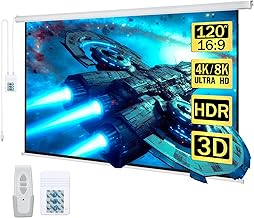
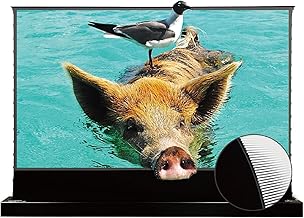
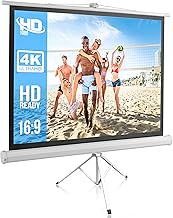
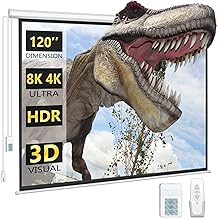
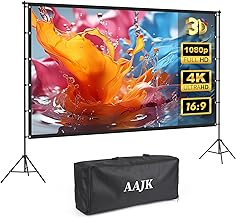
The dream of hosting a cinematic movie night under the stars has never been more accessible. Gone are the days of complicated rigging systems and heavy, cumbersome equipment. The modern solution for large-format outdoor entertainment is the inflatable projection screen with projector setup. This combination delivers massive screen real estate, incredible portability, and surprisingly simple setup, transforming your backyard, park, or pool deck into a true outdoor cinema.
Choosing the right inflatable screen involves balancing size, stability, and ease of use. While many systems focus solely on the screen itself, the overall experience hinges on selecting a compatible projector and understanding the key features that make an inflatable screen durable and visually appealing. This comprehensive guide breaks down the essential factors and compares three leading inflatable projection screen options to help you find the perfect match for your outdoor viewing needs.
Why Choose an Inflatable Projection Screen?
Inflatable screens offer significant advantages over traditional framed or pull-down screens, especially when portability and large viewing areas are paramount. They are designed specifically for temporary, outdoor installations, making them the superior choice for parties, camping trips, and neighborhood movie events.
Portability and Setup Speed
One of the most compelling features of an inflatable projection screen is its ease of transport. When deflated, even screens measuring 15 to 20 feet diagonally fold down into a compact carrying bag, often weighing less than 20 pounds (excluding the blower). Setup is typically a matter of minutes. Once the screen is unrolled and secured with stakes, the integrated or included air blower handles the rest, inflating the frame quickly and smoothly. This rapid deployment capability is crucial for spontaneous backyard movie nights or events where time is limited.
Massive Screen Sizes
If you want a truly immersive cinematic experience, size matters. Inflatable screens routinely offer viewing areas far exceeding what is practical or affordable with rigid, framed screens. You can easily find inflatable projection screens ranging from 12 feet to over 30 feet diagonally. This scale is ideal for large gatherings, ensuring that everyone, even those seated in the back, has a clear and impressive view of the content projected by the accompanying projector.
Durability and Weather Resistance
Modern inflatable screens are constructed from heavy-duty, puncture-resistant materials, often durable Oxford cloth or PVC vinyl. They are designed to withstand light breezes, provided they are properly anchored using the included ropes and stakes. Furthermore, most are weather-resistant, meaning a sudden drizzle won’t ruin the equipment, though they should generally be taken down during heavy rain or strong winds.
Understanding the “Projector Combo”
While most inflatable screens are sold separately from the projector, the term “inflatable projection screen with projector” highlights the necessity of pairing the screen with the correct projection unit. A large inflatable screen requires a powerful projector to ensure a bright, clear image, especially outdoors where ambient light can be a factor.
What to Look for in a Projector
When selecting a projector to use with your inflatable screen, focus on these specifications:
- Brightness (Lumens): For outdoor night viewing, aim for at least 2,500 ANSI Lumens. If you plan to start viewing before dusk, look for 4,000+ ANSI Lumens.
- Resolution: While 720p is acceptable for casual viewing, 1080p (Full HD) is the standard for a great movie experience. If your screen is 4K compatible, ensure your projector can support 4K input, even if it downscales the output.
- Throw Distance: Measure the space available in your yard. Large inflatable screens require longer throw distances. Ensure your chosen projector can fill the screen size from your intended mounting location.
Essential Accessories for the Setup
Beyond the screen and projector, a complete outdoor cinema setup requires a few key accessories:
Air Blower
Most inflatable screens come bundled with an air blower. This is critical for maintaining the screen’s rigidity. Ensure the blower is rated for continuous use and is powerful enough for the screen size. Noise level is also a consideration, as a loud blower can interfere with the movie audio.
Sound System
Projectors often have weak built-in speakers. For a true cinematic feel, invest in a powerful Bluetooth speaker or a dedicated soundbar system. Positioning the speakers correctly—near the screen—is essential for immersion.
Anchoring and Stability Kit
All quality inflatable projection screens include ropes and stakes. Always use them. A sudden gust of wind can easily lift and damage a large, unanchored screen.
The Multi-User Comparison: 14FT vs 16FT vs 20FT Inflatable Screens
To help you navigate the market, we compare three popular sizes of inflatable screens, focusing on features relevant to the outdoor movie experience.
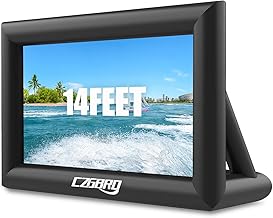
Product A: 14FT Inflatable Screen (The Portable Party Starter)
The 14FT screen size is often the sweet spot for families and smaller gatherings. It provides a substantial viewing area without dominating a standard suburban backyard. This size is typically the quickest to inflate and deflate, maximizing convenience.
Key Features
- Size: Approximately 14 feet diagonally (viewing area usually around 12 feet).
- Projection: Supports Front and Rear Projection.
- Ideal Use: Family movie nights, smaller patios, or camping trips.
Pros and Cons
Pros:
- Fast Setup: Inflates very quickly, usually under 2 minutes.
- Highly Portable: Easy to pack and transport in a standard car trunk.
- Lower Power Draw: The included blower is often quieter and more energy efficient than those required for larger screens.
Cons:
- May feel too small for large neighborhood events.
- Less imposing visual presence compared to larger options.
Product B: 16ft Inflatable Screen (The Backyard Blockbuster)
Stepping up to the 16ft size provides a noticeable boost in immersion, making it a favorite for those who frequently host larger groups or want a true big-screen feel. This size often requires a slightly more powerful blower and robust anchoring.
Key Features
- Size: Approximately 16 feet diagonally.
- Projection: Designed for Front/Rear projection versatility.
- Ideal Use: Community events, pool parties, or large backyard theaters.
Pros and Cons
Pros:
- Excellent Visibility: Large enough for 20-50 viewers to enjoy comfortably.
- Good Balance: Strikes a great balance between massive size and manageable setup.
- Enhanced Stability: Often includes reinforced tie-down points for windy conditions.
Cons:
- Requires more storage space than the 14FT option.
- A brighter projector (3,000+ lumens) is highly recommended to fill the surface adequately.
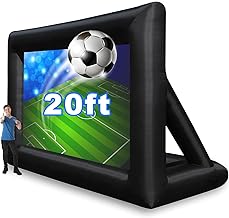
Product C: 20 Feet Inflatable Screen (The Mega Event Center)
The 20-foot screen is an absolute behemoth, delivering a cinematic experience comparable to a drive-in theater. This option is best suited for large acreage, professional event rentals, or neighborhood associations looking to host major outdoor events. Due to its size, this screen requires significant anchoring and a high-powered, high-lumen projector.
Key Features
- Size: 20 feet diagonally or larger.
- Projection: Professional-grade viewing surface for maximum light dispersion.
- Ideal Use: Commercial rentals, large public parks, or dedicated outdoor home theaters with ample space.
Pros and Cons
Pros:
- Unmatched Immersion: Truly stunning scale for movies and sporting events.
- High Audience Capacity: Can entertain hundreds of viewers simultaneously.
- Durable Construction: Built with robust materials to handle frequent use and setup.
Cons:
- Difficult Placement: Requires a large, clear setup area and significant distance for the projector.
- Cost and Power: Higher purchase price and requires a powerful, potentially louder, air blower.
- Projector Demands: Requires a high-end, high-lumen projector (4,500+ ANSI lumens) to achieve optimal brightness.
Key Buying Factors for Your Outdoor Setup
Beyond size, several technical specifications and design choices impact the quality and longevity of your inflatable projection screen experience.
Screen Material and Gain
The viewing surface material dictates image quality. Most inflatable screens use a matte white PVC or polyester fabric. The key metric here is “gain.”
Gain refers to the screen’s reflectivity. A screen with a gain of 1.0 reflects all projected light equally across the viewing angle. Most outdoor screens fall between 1.0 and 1.2 gain. While higher gain (e.g., 1.5) can make the image brighter, it often narrows the viewing angle, meaning people seated off-center will see a dimmer image. For large outdoor groups viewing an inflatable projection screen, a 1.0 to 1.1 gain is generally recommended for wide viewing angles.
Blower Noise and Power
Since inflatable screens require constant air flow, the blower runs continuously. A loud blower can easily drown out quieter dialogue or atmospheric movie moments, even with a powerful external speaker system. When evaluating an inflatable projection screen with projector setup, research user reviews regarding the noise level of the included blower. Some high-end screens include quieter, yet powerful, fans, or offer options for placing the blower further away using extended tubing.
Front vs. Rear Projection
Most quality inflatable screens support both front and rear projection. This versatility is a major benefit for outdoor setups:
- Front Projection: The projector is placed in front of the screen, shining over the audience. This is standard but means the audience must sit behind the projector, and people walking past the projector can cast shadows.
- Rear Projection: The projector is placed behind the screen, shining through the translucent material. This keeps the projector and cables out of the audience area, eliminating shadows and making the space safer and cleaner. If you plan on hosting large, active parties, a screen that handles rear projection well is a significant advantage.
Setting Up Your Inflatable Projection Screen Safely
Safety and stability are paramount, especially when dealing with large, air-filled structures. Ignoring proper setup steps can lead to damage to your equipment or, worse, injury.
Choosing the Right Location
Select a flat, clear area free of sharp objects that could puncture the screen material. Ensure there is enough space not just for the screen itself, but also for the anchoring ropes, which typically extend several feet outward from the frame. If you are using a projector, plan your projection distance carefully to fill the screen while keeping the projector safe from foot traffic.
Anchoring is Non-Negotiable
Never skip the anchoring process. Even a slight breeze can turn a large inflatable screen into a giant sail. Use all provided stakes and ropes. For extra security, especially with the larger 16FT or 20FT models, consider using sandbags or water weights tied to the base of the frame, providing additional ballast against wind gusts.
Power Management
An outdoor cinema setup requires reliable power for the blower, the projector, and the sound system. Use heavy-duty, outdoor-rated extension cords and surge protectors. If you are far from an outlet, a quiet, portable power station or generator might be necessary, but remember to account for the generator’s noise level.
Integration of Projector Technology with Inflatable Screens
The quality of the projected image on an inflatable projection screen has improved dramatically due to advances in both screen materials and projector technology. Modern screens are often designed to be 4K and HDR compatible, meaning they can accurately display the vibrant colors and deep contrast produced by high-end projectors.
Aspect Ratios and Screen Formats
The majority of inflatable screens use the 16:9 widescreen aspect ratio, which is the standard format for modern movies, TV shows, and streaming content. This ensures that the image from your projector fits the screen perfectly without distracting black bars. Always confirm that your projector’s native aspect ratio matches the screen’s ratio for the best results.
Maintenance and Longevity
Maintaining an inflatable screen is straightforward. After use, ensure the screen is completely dry before folding it up and storing it. Storing a damp screen can lead to mold and mildew. If the screen surface gets dirty, use a mild soap and water solution to gently clean the vinyl or polyester viewing area. Proper care ensures your investment in an inflatable projection screen with projector lasts for many seasons of outdoor entertainment.
Conclusion
The combination of an inflatable projection screen with projector technology offers an unparalleled outdoor cinematic experience, merging convenience with breathtaking scale. Whether you opt for the highly portable 14FT screen, the versatile 16FT model, or the truly massive 20FT cinema setup, the key to success lies in careful planning and selecting a powerful projector to match the screen size.
By prioritizing stability through proper anchoring, ensuring adequate brightness from your projector, and choosing a screen that supports your preferred projection method (front or rear), you are ready to enjoy countless memorable movie nights under the stars.