There is nothing quite like the smell of bacon sizzling over an open flame or the satisfying crust on a perfectly seared trout caught just hours before. For the outdoor adventurer, camping is about more than just sleeping under the stars—it’s about cooking in the elements. However, not all cookware is created equal when facing the rigors of the wilderness. Lightweight aluminum pans warp under intense heat, and non-stick coatings quickly flake off when exposed to charcoal or direct flame.
To truly master the art of outdoor cooking, you need a skillet that is as rugged and dependable as your hiking boots. A great outdoor skillet must offer superior heat retention, unmatched durability, and the versatility to handle everything from a smoky breakfast scramble to a perfectly baked Dutch oven pizza. These are the workhorses of the wilderness kitchen, capable of transitioning seamlessly from the campfire to the home stovetop.
We’ve scoured the market to find the absolute best options for adventurers who demand performance both on the trail and in their everyday lives. Here are the 5 best skillets designed to thrive in the toughest outdoor environments.
Why Traditional Skillets Fail Outdoors
Before diving into our top picks, it’s crucial to understand why your average kitchen frying pan simply won’t cut it when cooking over an open fire or a portable propane stove.
The Problem with High Heat
Campfires and grills generate extremely high, often uneven heat. Most modern cookware, especially those made from thin stainless steel or aluminum, are designed for controlled indoor temperatures. When placed directly over glowing coals, these pans can warp, buckle, and develop dangerous hot spots. This uneven heating leads to scorched food and unusable cookware.
Non-Stick Coatings Don’t Survive
PTFE (Teflon) and other chemical non-stick coatings are convenient for indoor use, but they are highly susceptible to damage from metal utensils and, critically, high heat. Exposing these coatings to the extreme temperatures of a campfire not only destroys the non-stick surface but can also release harmful fumes. Outdoor cooking requires a naturally non-stick surface, which leads us directly to the tried-and-true materials.
Durability and Portability Trade-offs
Backpacking requires prioritizing lightweight gear, but sometimes, the weight sacrifice is worth the long-term durability. A pan that can withstand being dropped on rocks, tossed in a trunk, and cleaned with sand (in a pinch) is essential for any serious outdoor cook. We are looking for kitchen essentials that will truly last forever and even outlive you.
Key Features of a Great Outdoor Skillet
The best outdoor skillets share a few critical characteristics that make them suitable for rugged use:
Material: Cast Iron Reigns Supreme
For outdoor cooking, cast iron is the undisputed champion. It retains heat incredibly well, meaning once it’s hot, it stays hot, allowing for perfect searing even when the fire fluctuates. Furthermore, cast iron is virtually indestructible. While carbon steel is a lighter alternative, cast iron’s mass is often an advantage when dealing with uneven heat sources like a bed of coals.
Pre-Seasoning and Maintenance
A well-seasoned pan offers a natural, chemical-free non-stick surface. Most of our top picks come pre-seasoned, making them ready for use straight out of the box—a huge bonus when you are setting up camp. However, maintaining that seasoning is key to its longevity, especially after cooking over smoky wood.
Handle Design
Long, integrated cast iron handles are ideal because they can be placed directly into the fire or oven without melting. Look for models that offer a helper handle (a small loop opposite the main handle) for easier lifting and maneuvering, especially when the pan is full of food.
Size and Weight Considerations
While backpacking requires smaller, lighter gear, car camping, RVing, or basecamp cooking allows for larger, more versatile pans. A 10-inch to 12-inch skillet is generally the sweet spot, providing enough surface area for family meals without becoming overly cumbersome.
The 5 Best Skillets for Outdoor Adventurers
Based on performance, durability, and versatility, here are our expert picks for the best skillets built for the adventurous cook.
1. Lodge 10.25 Inch Cast Iron Skillet – The Campfire Standard
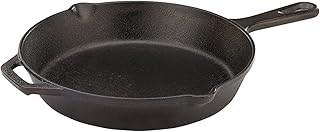
Lodge is synonymous with American-made cast iron, and their classic 10.25-inch skillet is arguably the most reliable piece of cookware you can take into the wilderness. It is heavy, durable, and comes factory pre-seasoned, ready to be placed directly over a grill grate or nested in hot coals.
The 10.25-inch size is versatile enough for cooking two to three servings, making it perfect for couples or small groups. Its relatively compact size also makes it manageable to pack and clean.

Is It Worth It? (Value Analysis)
Absolutely. For its price point, the Lodge 10.25-inch skillet offers unbeatable performance and durability. It is the definition of a lifetime purchase. If you need a reliable, medium-sized skillet that can handle extreme heat and abuse, this is the essential piece of gear. It is the perfect entry point into cast iron cooking, whether you are making pancakes on the propane stove or searing steaks over a roaring fire.
2. Lodge 12 Inch Cast Iron Skillet with Red Silicone Hot Handle Holder – The Basecamp Upgrade
Stepping up in size, the 12-inch Lodge skillet provides ample cooking space, ideal for feeding a larger family or group at basecamp. What sets this particular model apart for the outdoor enthusiast is the inclusion of the red silicone hot handle holder.
While you should never leave the silicone holder on while cooking over a direct fire (it will melt!), it is invaluable for safe handling once the skillet is removed from the heat. Trying to maneuver a heavy, 500°F skillet using only a rag or oven mitt is tricky, but the silicone holder provides a secure, heat-resistant grip for serving or moving the pan away from the heat source.

Is It Worth It? (Value Analysis)
Yes, especially for car camping. The added size and the practical silicone handle cover justify the slight increase in cost. If you frequently cook for four or more people, the 12-inch diameter is far more efficient. Just remember to remove the silicone grip when the pan is directly exposed to flame or coals, and keep it handy for when it’s time to eat.
3. Lodge Pre-Seasoned Cast Iron Skillet Set (8, 10.25, and 12 Inch) – The Versatility King
For those building a comprehensive outdoor kitchen setup—perhaps for an RV, a cabin, or a permanent hunting camp—a set offers the ultimate versatility. This Lodge set includes the three most useful sizes: 8-inch (perfect for side dishes or individual servings), 10.25-inch (the workhorse), and 12-inch (for large mains).
Having multiple sizes allows you to manage different cooking temperatures simultaneously, keeping chili warm in the smaller pan while searing meat in the largest one. This set truly equips you for any meal, regardless of how complex your camp menu gets. If you are looking to invest in a foundational collection, consider checking out this 3-piece skillet set sale for maximum value.

Is It Worth It? (Value Analysis)
Excellent value. Buying a set is almost always more cost-effective than purchasing individual pieces. If you are serious about cooking outdoors and need multiple sizes for different tasks—like frying eggs, baking cornbread, and searing steak—this set covers all bases. It is particularly great for group cooking where multitasking is necessary.
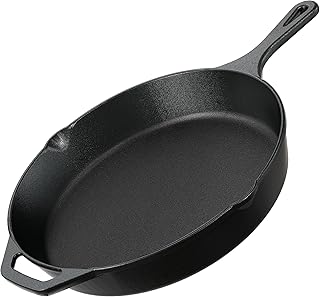
4. Utopia Kitchen Cast Iron Skillets 12 Inch – The Budget Performer
While Lodge dominates the market, other brands offer high-quality cast iron at competitive prices. The Utopia Kitchen 12-inch skillet is a fantastic option for the adventurer who needs a large, dependable pan without the premium brand name cost. Like the Lodge models, it is pre-seasoned and designed for use across all heat sources, including campfires and grills.
Its generous 12-inch size ensures you have plenty of space for frying fish, making large batches of chili, or preparing a skillet lasagna. The Utopia skillet maintains the core benefits of cast iron—superior heat retention and extreme durability—making it a perfect companion for rugged use.
Is It Worth It? (Value Analysis)
High value for the price. If brand loyalty isn’t a concern, this Utopia skillet delivers the necessary performance metrics for outdoor cooking at a fraction of the cost of some competitors. It proves that you don’t need to spend a fortune to get a durable, heavy-duty pan capable of handling direct fire and uneven heat distribution. It’s a great option for those looking for a reliable, large skillet on a tighter budget.
5. Lodge 12 Inch Pre-Seasoned Cast Iron Skillet – Dual Assist Handles
This version of the 12-inch Lodge skillet is built specifically with heavy lifting in mind. Unlike the traditional skillet with one long handle and one small helper loop, this model features two substantial assist handles on opposite sides. When a 12-inch cast iron pan is full of food—say, a massive batch of campfire chili or a deep-dish pizza—it can weigh upwards of 15 pounds. Trying to lift that with a single handle and a tiny helper loop is dangerous.
The dual assist handle design allows two hands (or two people) to safely lift and maneuver the hot, heavy pan, minimizing the risk of spills or burns around the campfire. This design also makes it easier to fit the pan into smaller camp ovens or Dutch oven racks.

Is It Worth It? (Value Analysis)
Highly recommended for safety and heavy use. If you primarily use your skillet for large, heavy meals like stews, deep frying, or baking bread over coals, the dual-handle design is a significant safety upgrade. It sacrifices the long handle favored by some indoor chefs but gains immense practicality and security for the outdoor cook who frequently deals with high heat and heavy loads. For maximum safety when cooking outdoors, this design is superior.
Cast Iron vs. Carbon Steel: The Campfire Debate
While cast iron dominates the outdoor skillet landscape, carbon steel is a growing contender, particularly among those who prioritize weight savings for activities like backpacking.
Carbon Steel: The Lightweight Alternative
Carbon steel pans are essentially thin cast iron. They are made from a mixture of iron and carbon, just like cast iron, but they are stamped or spun into thinner sheets, making them significantly lighter. They also build up a beautiful seasoning layer similar to cast iron.
- Pros: Lighter weight, heats up faster, responsive to temperature changes (good for propane stoves).
- Cons: Prone to warping if exposed to sudden, extreme, uneven heat (a common issue with campfires), requires more careful seasoning maintenance than thick cast iron.
Why Cast Iron Wins for Campfire Cooking
For cooking directly over a wood fire or charcoal briquettes, the sheer thermal mass of cast iron is its biggest advantage. It acts as a buffer against erratic heat spikes. If one side of your fire burns hotter than the other, the cast iron pan will slowly equalize the heat across the entire surface, providing a more consistent cooking experience. This is crucial for dishes like cornbread, biscuits, or anything that requires even baking.
If your adventure involves a mix of indoor and outdoor cooking, or if you prefer the responsive control of a wok for stir-fries, you might consider how carbon steel compares to cast iron. We have a detailed comparison of Amazon woks, including Lodge, which often involves carbon steel options.
Essential Skillet Care for the Trail
Outdoor cooking is messy, and your skillet will bear the brunt of smoke, ash, and sticky marinades. Proper care is vital to maintaining that essential non-stick seasoning.
Cleaning on the Go
The cardinal rule of cast iron care still applies: No soap. Soap strips the seasoning.
- Scrape: While the pan is still warm, scrape off any large food particles using a metal spatula or a plastic pan scraper.
- Rinse and Scrub: Rinse with hot water. For stubborn messes, use coarse salt and a paper towel (or a chainmail scrubber, if you packed one) to gently scrub the surface. The salt acts as a mild abrasive.
- Dry Immediately: This is the most important step outdoors. Moisture leads to rust quickly. Wipe the pan completely dry with a towel, or place it back on the dying embers for a minute or two to evaporate all moisture.
Re-Seasoning in the Field
If the seasoning looks dull or dry, or if you notice rust spots, it’s time to re-season. This can easily be done at camp:
- Clean the pan thoroughly (using a bit of soap and steel wool if rust is present, but rinse meticulously).
- Heat the pan over the fire until it is hot and dry.
- Apply a very thin layer of high smoke point oil (like flaxseed or canola oil) to the entire surface, inside and out.
- Wipe off any excess oil—it should look dry, not greasy.
- Place the pan back over the heat (or into a camp oven) until the oil smokes and cures into a hard, black polymer layer.
Cooking Techniques: Mastering the Campfire Flame
Cooking with a skillet outdoors requires different techniques than cooking on a modern gas or electric range. The key is controlling the heat, which is inherently difficult with an open flame.
Managing Heat Intensity
Never place your cast iron skillet directly into the roaring flames. The hottest part of the fire is too intense and will scorch your food. Instead, create a dedicated cooking zone:
- Coals are King: Build your fire and let it burn down until you have a deep bed of glowing red coals. This provides steady, predictable heat.
- Elevation is Control: Use a campfire grill grate to elevate the skillet 4 to 6 inches above the coals. Moving the pan closer or further away from the coals is your primary temperature control method.
- Two-Zone Fire: If possible, create a hot zone (fresh coals) and a warm zone (dying embers). This allows you to quickly move the skillet to prevent burning, much like moving food to the cool side of a conventional grill.
Maximizing Skillet Versatility
Your cast iron skillet is more than just a frying pan:
- Baking: Use it as a baking dish. Place the skillet on a grill grate over low coals and place the lid on top, covering the lid with a few hot coals. This turns the skillet into a mini convection oven perfect for biscuits, cinnamon rolls, or even small loaves of bread.
- Searing: Cast iron excels at searing. Get the pan ripping hot over the hottest part of your coals, drop in your protein (steak, chicken, or fish), and achieve that restaurant-quality crust that is impossible with thinner pans.
- Deep Frying: The deep walls and superior heat retention make cast iron ideal for deep frying fish or donuts at camp, maintaining a stable oil temperature even when food is added.
The versatility of these rugged pans means they are just as useful for cooking a gourmet meal at home as they are for a simple campfire dinner. If you are intrigued by the idea of single-pan cooking, you might also be interested in alternatives like the Le Creuset dupe under $50, which offers similar oven-to-table functionality, albeit with enamel rather than traditional seasoning.
Conclusion: Investing in Durability
Choosing the right skillet for outdoor adventures is an investment in durability, performance, and safety. While lightweight options exist, nothing compares to the reliability of pre-seasoned cast iron when facing the unpredictable heat of a campfire or the rigors of the trail.
The Lodge 10.25-inch skillet remains the gold standard for its balance of size and ruggedness, while the 12-inch dual-handle version is a smart choice for those prioritizing safety and handling heavy loads. Whether you opt for a single, dependable pan or a comprehensive 3-piece skillet set, the right piece of cast iron will elevate your outdoor cooking experience from basic survival to true culinary enjoyment. Happy trails, and happy cooking!