For years, the promise of easy cleanup seduced home cooks into buying expensive, brightly colored non-stick cookware. We were told these pans were the future, offering effortless omelets and sticky-free frying. Yet, within months, the coatings inevitably degrade, scratch, and flake, forcing us back to the store to replace them—a costly, frustrating, and environmentally questionable cycle.
Meanwhile, professional kitchens and seasoned home chefs have quietly held onto a timeless secret: the humble, heavy, and incredibly cheap cast iron skillet. You can find a high-quality, pre-seasoned 10-inch skillet for under $30, often hovering right around the $19 mark, and it will outperform and outlast any modern non-stick pan on the market. This isn’t just cookware; it’s an investment that improves with age.
This deep dive explores why cast iron, specifically the affordable, workhorse skillet epitomized by the entry-level models, is the true “chef’s secret” and how you can harness its power for superior cooking.
The $19 Secret: Why Cast Iron is Making a Comeback
The average consumer often overlooks cast iron because it requires a different approach to care and cleaning than modern cookware. However, its benefits far outweigh the minor learning curve, especially when considering the sheer performance you get for a minimal investment. The secret isn’t just in the material, but in the unique properties it offers.
Superior Heat Retention and Distribution
Cast iron is famous for its mass, which translates directly into unparalleled heat retention. Unlike thin aluminum or stainless steel pans that lose temperature the moment you drop a cold steak onto the surface, cast iron holds onto that heat, ensuring a consistent cooking environment.
This stability is crucial for achieving the perfect sear, crusting bread, or frying chicken. When you want that rich, deep brown crust on a piece of meat—the Maillard reaction—you need consistent, high heat. Cast iron delivers this reliably, transforming everyday cooking results.
For an excellent entry point into this world of superior heat, consider a foundational piece:

The classic Lodge 10.25 Inch Cast Iron Skillet is often the standard bearer, offering incredible durability and performance right out of the box thanks to its pre-seasoning.
The Natural, Chemical-Free Non-Stick Surface
The second major advantage is the “seasoning.” This isn’t a factory coating; it’s a layer of polymerized oil baked onto the iron surface. Every time you cook with fat, you reinforce this layer. Over time, a well-cared-for cast iron skillet develops a slick, black, naturally non-stick surface that is completely free of PFOA, PTFE, or other synthetic chemicals found in traditional non-stick coatings.
This natural non-stick property means you can cook eggs, fish, and pancakes without worrying about sticking, and without the health concerns associated with damaged synthetic coatings. Furthermore, unlike Teflon, you can use metal utensils without fear of scratching the surface.
If you’re looking for a pan that perfectly embodies the $19 sweet spot for size and value, look no further than the smaller, highly versatile options:
The Lodge 8″ Cast Iron Skillet – Chef Collection, often priced right at $19.90, is the perfect size for single servings, sides, or baking skillet cookies.
Head-to-Head: Cast Iron vs. The Competition
To truly appreciate the value of the $19 cast iron skillet, we need to compare its performance against the cookware types it aims to replace.
Cast Iron vs. Traditional Non-Stick (Teflon)
Traditional non-stick pans are lightweight, heat up quickly, and require little oil. They are fantastic for delicate foods like eggs or crepes, initially. However, their lifespan is notoriously short, typically lasting only 1-3 years before the coating fails. They cannot handle high heat (which degrades the coating rapidly and can release fumes), and they are strictly forbidden from going into the oven above 400°F.
The Cast Iron Advantage:
- Durability: Cast iron lasts for generations, not years.
- High Heat Capability: It can handle searing temperatures (600°F+) on the stovetop and is completely oven-safe, allowing for seamless stove-to-oven cooking (e.g., finishing a steak).
- Searing Power: Only cast iron delivers the thermal mass needed for a restaurant-quality sear.
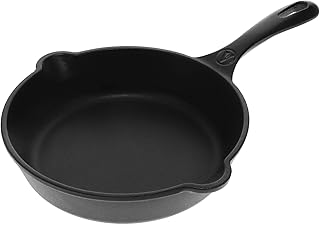
For those looking for a slightly larger, yet still affordable non-stick alternative that won’t flake, the Victoria 8-Inch Cast Iron Skillet provides a fantastic entry point, often priced just over $20.
Cast Iron vs. Stainless Steel
Stainless steel is the other major competitor in professional kitchens. It is durable, non-reactive, and can handle high heat. However, stainless steel often requires more fat to prevent sticking and lacks the thermal mass of cast iron, leading to less consistent cooking temperatures, especially when cooking in batches.
The Cast Iron Advantage:
- Natural Non-Stick: A well-seasoned cast iron pan is inherently more non-stick than stainless steel.
- Heat Retention: Cast iron stays hot longer, making it superior for frying and deep searing.
- Affordability: High-quality stainless steel (like clad sets) costs hundreds of dollars. A quality cast iron skillet costs $19–$30.
If you’re ready to commit to the cast iron life, buying a set is the most cost-effective way to get multiple sizes for all your cooking needs:

The Lodge Pre-Seasoned Cast Iron Skillet Set (3-Piece) gives you an 8-inch, 10.25-inch, and 12-inch skillet, covering everything from frying eggs to baking bread.
Finding Your $19 Skillet: Top Affordable Picks
The “chef’s secret” isn’t about buying the most expensive, boutique cast iron; it’s about accessing the foundational quality offered by heritage brands and reliable manufacturers at an accessible price point. Here are some of the best-value cast iron skillets that prove you don’t need to break the bank for professional performance.
The Budget Workhorses (Under $25)
These pans represent the core value proposition: maximum durability and searing power for minimal cost.
1. The Ultimate Entry Point: The Lodge FBA_ Cast Iron, 8-Inch is often the cheapest high-quality skillet you can buy. Perfect for small apartments, single servings, or side dishes. It’s light enough for daily use but heavy enough to hold heat.

2. The 10-Inch Sweet Spot: If you need slightly more cooking surface without the weight of a 12-inch pan, the 10.25-inch models are ideal. The Mercer Culinary Pre-Seasoned Cast Iron Skillet, 10.25-Inch is consistently one of the best deals, often falling well below the $20 threshold while offering professional-grade performance.

3. The Reliable Alternative: For those seeking alternatives to Lodge, the Utopia Kitchen Cast Iron Frying Pan 10.25 Inch offers the same heavy-duty construction and pre-seasoning at a competitive budget price.

Mid-Range Favorites (Under $35)
Moving slightly up in price usually means getting a larger size or added features like silicone handle covers or dual assist handles, which are crucial for maneuvering heavier pans.
The Lodge 10.25 Inch Pre-Seasoned Cast Iron Skillet with Dual Assist Handles is perfect for baking or when you need a secure grip to lift the pan from the oven.

For large family meals, the Utopia Kitchen Cast Iron Skillets 12 Inch provides ample cooking space for large batches of stir-fry, deep-dish pizza, or skillet roasts.

Another excellent 12-inch option is the Cuisinel Cast Iron Skillet, which often includes a silicone grip cover, addressing the primary complaint about cast iron handles getting too hot.

For those who frequently cook outdoors or need maximum stovetop coverage, the Lodge 12 Inch Pre-Seasoned Cast Iron Skillet is a robust, lifetime tool designed for use over any heat source, including campfires.
Mastering the Iron: Care, Cleaning, and Seasoning
The biggest barrier for new users is the perceived difficulty of maintenance. In reality, caring for cast iron is simpler than wrestling with delicate non-stick coatings. It just requires consistency.
The Myth of Soap and Water
Generations ago, lye-based soaps could strip the seasoning from cast iron. Modern dish soap, however, is mild enough to use sparingly without damaging a well-seasoned pan. The key is to clean immediately after use and avoid soaking the pan.
- Scrape: Use a pan scraper or chainmail scrubber (see below) to remove stuck-on food.
- Wash: Use hot water and a small amount of mild soap, scrubbing lightly.
- Dry: This is critical. Dry the pan thoroughly immediately after washing.
- Oil: Apply a thin coat of seasoning oil (like vegetable or canola oil) to the entire surface, heating it slightly on the stovetop until it smokes to seal the surface.
Essential Accessories for Cast Iron Longevity
To truly enjoy your $19 skillet, a few inexpensive accessories make the cooking and cleaning process much easier.
1. Silicone Handle Holders: Because cast iron handles retain heat, a silicone holder is non-negotiable for stovetop cooking. The Lodge 12 Inch Cast Iron Skillet with Red Silicone Hot Handle Holder is a popular bundle, ensuring safety right away.
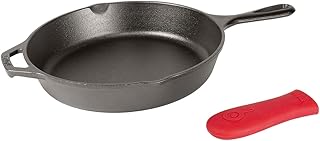
If you already own a pan, you can purchase the holder separately:

2. Cleaning Tools: Forget sponges that fall apart. A specialized scrubber is necessary for the occasional stubborn mess.

The Lodge Care Scrub Brush is designed specifically for cast iron, helping remove food residue without damaging the seasoning layer.
Beyond the Skillet: Versatile Cast Iron Cookware
Once you fall in love with your affordable cast iron skillet, you’ll realize the material is versatile enough to replace several other specialized pieces of cookware in your kitchen. Cast iron excels at tasks far beyond basic frying.
Multipurpose Cooking Vessels
Cast iron is indispensable for slow cooking, deep frying, and baking. Products that combine multiple functions offer even greater value.
The Lodge Pre-Seasoned 2-in-1 Cast Iron Combo Cooker is a deep pot and a skillet lid, perfect for baking sourdough bread, deep frying, or making large stews. It’s a huge value piece that covers two cooking styles.
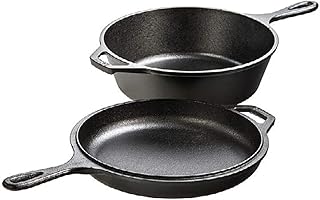
For those interested in a similar concept but with a larger capacity, the Cuisinel Cast Iron Skillet + Lid – 2-In-1 Multi Cooker offers a 3-quart Dutch oven base with a skillet lid.

Specialty Surfaces: Griddles and Grills
The heat retention of cast iron is equally valuable for flat surfaces like griddles, ensuring even cooking across the entire surface—essential for pancakes, tortillas, and grilled sandwiches.

Similar Posts
Why This Swiss Diamond Induction Pan Is the Secret Weapon for Perfect Omelets
The quest for the perfect omelet is a culinary pilgrimage. It involves delicate technique, precise heat control, and perhaps most crucially, the right tool for the job. For decades, chefs and home cooks alike have debated the merits of cast iron versus stainless steel, ceramic versus traditional PTFE nonstick. Yet, in the world of high-performance…
Why This Lodge Cast Iron Wok Is the Kitchen Staple You Didn’t Know You Needed
Unlock authentic Asian flavors and unmatched versatility. Discover why the durable Lodge cast iron wok is the only pan your kitchen needs.
Why the Bonnlo Industrial Fireplace TV Stand Is the Best Budget-Friendly Update for Your Den
Transform your den with the Bonnlo Industrial Fireplace TV Stand. We review 6 months of use to show why it’s the top budget choice for style and warmth.
Why OXO’s Hybrid Wok Is the Comfortable, Reliable Pan You’ll Use Every Day
Discover the OXO Hybrid Wok: unmatched comfort, superior searing power, and effortless cleanup. The reliable pan built for daily use.
Why Amazon Customers Are Obsessed with the BAYKA Floating Wall Shelves for Instant Organization
Discover why BAYKA floating wall shelves are Amazon’s top choice for instant organization. Maximize space with stylish, heavy-duty rustic wood shelving.
We Found the Ultimate Farmhouse Decor Hack: The AMERLIFE Sliding Barn Door TV Stand
Transform your living room instantly. Discover the AMERLIFE sliding barn door TV stand—the ultimate farmhouse style and function hack.