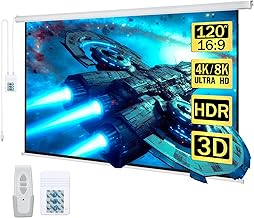
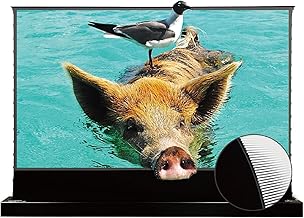
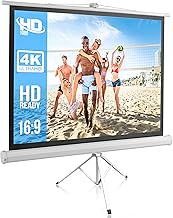
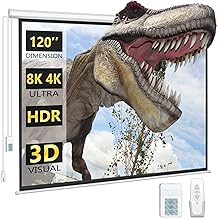
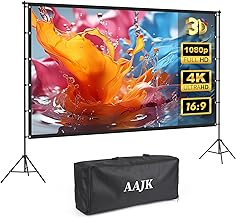
The rise of affordable, high-quality projectors has fundamentally changed how we consume media, transforming living rooms and backyards into personalized cinemas. However, pairing a great projector with a plain wall is a disservice to the image quality. To truly unlock the potential of your home theater setup, a dedicated projector movie screen is essential. But how do these screens hold up over time, especially the popular portable models designed for both indoor and outdoor use?
We embarked on a rigorous, six-month review of one of the market’s most popular options—a 120-inch portable screen with a stand—to see if the initial excitement translates into long-term satisfaction. This review covers everything from the initial setup struggles to how the screen material handles repeated folding and exposure to the elements.
Why a Dedicated Projector Movie Screen Matters
Many newcomers to projection believe any white surface will suffice. While a wall can technically display an image, a purpose-built projection screen offers several critical advantages that dramatically improve the viewing experience.
Improving Contrast and Brightness
A standard wall absorbs and scatters light unevenly. Dedicated projector movie screens are manufactured with specialized materials and coatings (measured by “gain”) designed to reflect light back to the audience efficiently. This targeted reflection boosts the perceived brightness and, more importantly, enhances the contrast ratio, making blacks look deeper and colors more vibrant. For 4K HD content, this difference is immediately noticeable.
The Importance of a Flat Surface
A wall often has subtle textures, orange peel finishes, or imperfections that distort the projected image, especially visible when displaying sharp 4K resolution. A high-quality movie screen, particularly those that are tensioned or framed, provides a perfectly smooth surface. This is non-negotiable for achieving a truly cinematic look, free from visual distractions or warped lines.
The Shift to Backyard Cinema
The main driver for portable screens is the desire for outdoor entertainment. A portable projector movie screen allows users to set up a massive display in the backyard for movie nights, sporting events, or gaming. This versatility demands a product that is not only easy to transport but also durable enough to withstand outdoor conditions, which leads us directly to our chosen product for this long-term review.
Product Spotlight: The 120-Inch Portable Projector Screen (B0DGBXPKMW)
For this six-month test, we selected a highly-rated, budget-friendly option that represents the average consumer’s entry point into large-format portable screens: the 120-inch Portable Projector Screen with Stand.
Initial Impressions and Technical Specifications
Out of the box, the system arrives neatly packed in a dedicated carry bag. The kit includes the foldable aluminum frame, the 120-inch screen material (16:9 aspect ratio, claiming 4K HD support), ground stakes, ropes, and assembly hardware. The material itself is a thick, white polyester fabric with a gain rating estimated around 1.1—standard for a versatile, non-specialized screen.
Key Features for Long-Term Use
- Size: 120 inches diagonal (a massive display area).
- Portability: Lightweight aluminum frame breaks down easily.
- Material: Anti-crease, washable polyester fabric.
- Versatility: Designed for both indoor and outdoor use with included stability accessories.
Month 1-2: Setup and Initial Performance
The first few weeks were dedicated to understanding the assembly process and testing the core performance metrics of the projector movie screen.
Assembly Experience (The Frame and Screen Material)
The biggest challenge with any portable screen is the initial setup. The instruction manual was adequate, but assembling the aluminum frame required a surprising amount of force the first time. The frame uses elastic cords running through the poles, similar to tent poles, which guide the assembly. Once the frame is snapped together, the screen material attaches via small bungee cords threaded through grommets along the screen edges and looped over the frame hooks.
Initial finding: Getting the screen material taut enough to eliminate wrinkles is a two-person job, especially for a 120-inch model. We found that stretching the screen diagonally first, then securing the corners, and finally working the sides resulted in the best tension. Even so, minor folding creases from shipping persisted. They were only visible during very bright scenes, but they were present.
Picture Quality Testing (4K HD and Gain)
We tested the screen using a native 4K projector, projecting content in a completely dark room (indoor testing) and in a dark backyard environment (outdoor testing).
Indoor Performance
Indoors, the screen performed admirably. The 1.1 gain provided a bright, uniform image. Colors popped, and the black borders around the projection area helped define the image and improve perceived contrast. The screen material’s texture was minimal, supporting the claim of 4K clarity without distracting artifacts. Compared to projecting onto a lightly textured wall, the difference in sharpness and color saturation was night and day. This confirms that even a budget-friendly projection screen significantly upgrades the indoor viewing experience.
Outdoor Performance
Outdoor viewing requires careful timing. Even with the reflective surface, ambient light (like a distant street lamp or the moon) washes out the image. However, once the environment was sufficiently dark, the screen delivered impressive size and brightness. The sheer scale of the 120-inch display made for a spectacular movie night. We noticed that the slight wrinkles, barely visible indoors, were slightly more apparent outdoors due to the uneven light distribution from the projector’s throw angle in the open air.
Months 3-4: Portability, Durability, and Weather Resistance
This phase tested the screen under real-world conditions, focusing on its main selling point: portability and ruggedness.
Testing the “Portable” Claim
We disassembled and reassembled the screen four times during months 3 and 4, moving it between the backyard, a garage space, and a friend’s house for a neighborhood party. The breakdown process is surprisingly fast—about 5 minutes once you know the routine. Everything fits back into the provided carry bag, which is essential for maintaining organization and protecting the material.
Durability observation: The aluminum frame held up perfectly. However, the connection points on the screen material (the grommets) showed minor signs of stress where the bungee cords applied maximum tension. While none tore, we learned that gentle handling during setup is crucial to prevent long-term damage to the fabric edges.
Handling the Elements (Wind and Dew)
Outdoor movie nights are often subject to unpredictable weather. We specifically tested the screen’s stability in light winds (under 10 mph) and its resistance to morning dew.
Wind Resistance
The included ground stakes and tension ropes are mandatory for outdoor use. Without them, the large surface area acts like a massive sail. Properly staked down, the screen remained stable in light breezes. However, setting up this outdoor movie screen is not advisable in winds exceeding 10-15 mph; the frame, while sturdy, is lightweight, and high winds could easily bend the poles or pull the stakes from the ground. Stability is adequate for calm summer evenings, but it is not built for harsh conditions.
Moisture and Cleaning
We left the screen out overnight once, resulting in heavy morning dew. The polyester material dried quickly in the sun without staining. The manufacturer claims the screen is washable, and we spot-cleaned a small smudge using a damp microfiber cloth and mild soap. The material cleaned easily, leaving no residue or distortion. This resilience to moisture and minor dirt is a huge plus for any portable projector screen used outdoors.
Months 5-6: Longevity and Maintenance
The final phase focused on how the screen material endured repeated use, folding, and storage—the true test of a long-term investment.
Addressing Wrinkles and Creases
The initial creases from packaging mostly faded after the first month of being stretched tightly on the frame. However, new, fainter creases developed from repeated folding and storing in the carry bag. We attempted a wrinkle removal technique suggested by other users: lightly steaming the screen while it was set up and taut.
Result: Gentle steaming successfully removed about 80% of the minor folding creases, restoring the surface to near-new condition. This maintenance step is vital if you plan to frequently pack and unpack your projector movie screen. If you intend to leave it set up permanently, wrinkles will generally not be an issue.
Long-Term Storage and Carry Bag Integrity
The overall longevity of a portable product often depends on the quality of its accessories, particularly the bag used for storage and transport.
The provided carry bag, while functional, is basic. After six months, the zipper showed signs of strain, and the stitching near the handles began to fray slightly. For heavy users who transport the screen weekly, this bag may need reinforcement or replacement within a year. However, the compact size of the packed screen (roughly the size of a folding camping chair) remains a major benefit.
We confirmed that storing the screen loosely rolled, rather than tightly folded, minimizes the appearance of wrinkles when setting it up next time. This is a practical tip for maximizing the lifespan and visual quality of any flexible projection screen material.
The Final Verdict: Is This Projector Movie Screen Worth It?
After six months of frequent use, both indoors and out, the 120-inch Portable Projector Screen proved to be an excellent value proposition for the casual or frequent home cinema enthusiast who prioritizes portability and screen size over high-end features like Ambient Light Rejection (ALR).
This product delivers exactly what it promises: a massive, sharp viewing surface that is genuinely portable and easy to manage, provided you are willing to put in the effort during the initial setup and take care during takedown.
Pros and Cons After Six Months
Pros:
- Exceptional Size for Price: A 120-inch movie screen at this price point is hard to beat.
- 4K Clarity: The matte white surface provides excellent color reproduction and clarity for HD and 4K content in dark environments.
- Quick Breakdown: Once the screen is detached, the frame folds down very quickly.
- Wrinkle Management: While wrinkles occur, they are manageable with tension and light steaming.
Cons:
- Initial Setup Difficulty: Achieving perfect tension on the first few setups is challenging and often requires two people.
- Accessory Quality: The carry bag and stakes are adequate but may not withstand rigorous, heavy-duty use over multiple years.
- Wind Sensitivity: Requires careful staking and is unsuitable for moderate to high winds.
Who Should Buy This Screen?
This projector movie screen is ideal for:
- Families hosting regular backyard movie nights.
- Educators or businesses needing a large, temporary presentation screen.
- Anyone looking to upgrade from projecting onto a wall without committing to a permanent, expensive installation.
If your primary viewing environment is a sunlit living room, you should invest in a specialized ALR (Ambient Light Rejecting) screen. But for dedicated evening viewing, this portable screen is a fantastic choice.
Choosing the Right Projector Movie Screen Material
Understanding the different materials available is crucial when selecting a projection screen. The 120-inch model we reviewed uses standard matte white polyester, but other options exist depending on your specific needs.
Matte White (High Versatility, Standard Gain)
This is the most common and affordable material, like the one used in our test product. It offers a wide viewing angle (typically 160 degrees) and a neutral color balance. It performs best in dark rooms and is the go-to choice for portable and pull-down screens.
Grey Screens (Enhanced Contrast)
Grey materials have a lower gain but help absorb ambient light, boosting black levels and contrast, making them excellent for rooms where some light control is difficult. While the overall image may be slightly dimmer than a high-gain white screen, the improved contrast often makes the image look richer and more three-dimensional. This is a great choice for a dedicated indoor home theater setup.
Acoustically Transparent Screens
These specialized screens are woven or perforated, allowing sound from speakers placed directly behind the movie screen to pass through without degrading the audio quality. They are essential for creating a true cinema experience where the sound appears to emanate directly from the on-screen action. They are typically much more expensive and are almost exclusively used in fixed-frame, high-end installations.
Setting Up Your Outdoor Projector Movie Screen for Maximum Impact
Achieving the perfect outdoor cinema experience requires more than just a great projector movie screen. Here are a few tips we learned during our six months of testing to maximize your viewing pleasure.
Positioning and Throw Distance
Always consult your projector’s manual for the ideal throw distance required for a 120-inch image. Positioning the projector too close or too far can lead to keystoning issues (where the image is trapezoidal instead of rectangular). Even with digital keystone correction, maintaining a straight, perpendicular projection is best for 4K clarity.
Securing the Portable Screen
When using a portable screen with a stand, securing it properly is non-negotiable. Use all included stakes and ropes. We found that filling the carry bag with sand or water bottles and placing it on the feet of the stand added significant stability, particularly if you are setting up on a deck or patio where stakes cannot be used. This extra weight acts as ballast against sudden gusts of wind.
Optimal Viewing Angle
While the screen material offers a wide viewing angle, the best seats are always centered. Position seating directly in front of the screen, ideally at a distance roughly 1.5 times the screen diagonal (about 15 feet for a 120-inch screen). This ensures everyone gets the maximum brightness and avoids potential color shifting that can occur at extreme angles.
Future Considerations for Projector Movie Screen Technology
The world of projection is constantly evolving. While our 120-inch screen is a fantastic entry point, future users might consider investing in new technologies, especially if they plan to use their projector during daylight hours or in brightly lit rooms.
Ambient Light Rejecting (ALR) Screens
ALR technology is rapidly becoming more accessible. These screens use microscopic optical filters to reflect light coming from the projector (usually below) back to the viewer while actively rejecting light coming from the ceiling or sides (ambient light). While still significantly pricier than standard matte white, ALR screens are the game-changer for using a projector in a living room with windows or moderate lighting. As prices drop, ALR screens will likely replace standard white screens for most permanent indoor setups.
Fixed-Frame vs. Motorized Screens
For permanent indoor installations, the choice often comes down to fixed-frame or motorized screens. Fixed-frame screens, like the Silver Ticket model mentioned earlier, offer the best wrinkle-free tension and a clean, cinema-like aesthetic with velvet borders. Motorized screens, on the other hand, retract into a housing when not in use, offering flexibility for multi-purpose rooms. The trade-off for motorized convenience is often a higher price and a slight risk of wrinkles over time if the tensioning system is inadequate.
Our experience with the portable 120-inch projector movie screen demonstrates that budget-friendly options can offer exceptional performance and durability for long-term, casual use. Six months in, this screen remains a central piece of our entertainment setup, delivering a true big-screen experience without breaking the bank.