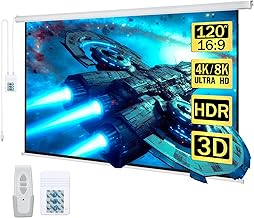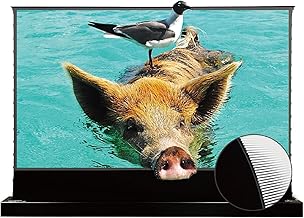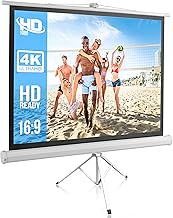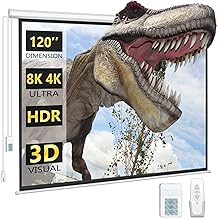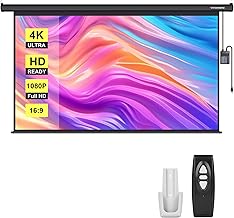
100 Inch Motorized Projector Screen (P13)
Another excellent electric option, this screen is ideal for seamless integration into a modern home. Its smooth, electric operation ensures longevity and prevents the material damage common with manual pull-downs. It is a robust, wall/ceiling-mounted option for a permanent, yet retractable, 100 projector screen setup.
The 100-inch diagonal projection screen has become the industry standard for creating an immersive home theater experience. It offers a perfect balance between size, affordability, and compatibility with standard living spaces. If you are upgrading from a smaller screen or moving beyond projecting directly onto a painted wall, investing in a dedicated 100 projector screen is the critical step toward achieving true cinematic quality.
Choosing the right screen, however, involves navigating a wide array of options, including different mounting styles, materials, and gain levels. This buyer’s guide and checklist will walk you through everything you need to know to select the best 100 projector screen that meets your specific viewing environment and budget requirements.
Why Choose a 100 Projector Screen?
While projectors can often cast images much larger (up to 150 inches or more), the 100-inch size is widely considered the sweet spot for most consumers. Here’s why the 100 projector screen remains the most popular choice:
Optimal Viewing Distance and Immersion
A 100-inch screen (typically measuring about 87 inches wide by 49 inches tall in the popular 16:9 aspect ratio) provides significant cinematic impact without overwhelming a standard-sized room. For a 100-inch screen, the generally recommended viewing distance (THX standard) ranges from 8 to 12 feet. This distance is achievable in most modern living rooms or dedicated media rooms, ensuring viewers are fully immersed in the content without excessive eye strain.
Compatibility and Standardization
Most entry-level and mid-range projectors are factory-calibrated and optimized to deliver their best brightness and sharpness when projecting onto a 100-inch surface. Furthermore, accessories and mounting solutions are most abundant for this specific size, making setup simpler than dealing with custom, oversized screens.
Cost-Effectiveness
Moving beyond the 100-inch mark, screen prices often jump significantly, especially for high-quality tensioned or ALR (Ambient Light Rejecting) materials. The 100 projector screen offers the best value proposition, delivering a massive viewing area at a fraction of the cost of a comparable large-format TV.
Types of 100-Inch Projector Screens
The first major decision you must make is determining the mounting style. This choice depends entirely on whether the screen will be a permanent fixture in a dedicated room or needs to be portable for outdoor movie nights.
Fixed Frame Screens
Fixed frame screens are the gold standard for dedicated home theaters. The screen material is stretched tightly and permanently attached to a rigid, typically black velvet-wrapped aluminum frame, resembling a large, premium flat-panel TV.
- Pros: Provides a perfectly flat, wrinkle-free surface; the black velvet frame absorbs any projector overshoot, improving perceived contrast.
- Cons: Permanent installation; not suitable for multi-purpose rooms.
Recommended Fixed Frame 100 Projector Screen

The KHOMO GEAR Fixed Frame Projector Screen – Matte 100 inch offers a sleek, modern look with a fixed frame design. It is 4K and 8K ready, providing a sharp, cinematic experience ideal for a permanent home theater setup. The black velvet border helps absorb light and enhances the overall picture quality.
Manual Pull-Down Screens
Manual screens are mounted to the wall or ceiling and are pulled down by hand when needed. They use a spring-loaded roller mechanism that retracts the screen when released.
- Pros: Cost-effective; retracts out of sight when not in use.
- Cons: Prone to developing “keystoning” (a trapezoidal image distortion) or wrinkles over time; the locking mechanism can sometimes fail or be difficult to engage.
Recommended Manual 100 Projector Screens

The Elite Screens Manual B, 100-INCH Manual Pull Down Projector Screen is a popular choice for its reliability and easy installation. It features an auto-locking mechanism, ensuring the screen stays precisely where you set it, and is designed for high-definition viewing.
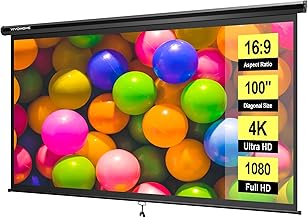
For those seeking a durable, basic manual screen, the VIVOHOME 100 Inch 16:9 Pull Down Projector Screen offers great value. Its robust design is suitable for both home theaters and office presentations.
Motorized Electric Screens
Motorized screens operate via a remote control, smoothly lowering and retracting the screen with the push of a button. They are available in wall-mounted, ceiling-mounted, or even floor-rising configurations.
- Pros: Convenience and luxury; often feature tensioning systems to keep the surface perfectly flat; ideal for integrating into smart home systems.
- Cons: Higher cost; requires access to power near the installation point.
Recommended Motorized 100 Projector Screens
The VIVOHOME Motorized Projector Screen provides the convenience of remote operation in a 100-inch size, perfect for ceiling or wall mounting in multi-use rooms where the screen needs to disappear when not in use.
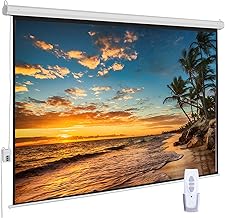
Another excellent electric option is the 100 Inch Motorized Projector Screen by Auto-Motorized, which includes a remote control and is designed for easy wall or ceiling installation, ensuring a smooth, wrinkle-free viewing experience every time.
Portable Screens with Stands
If you plan on hosting backyard movie nights, tailgates, or moving the screen between rooms, a portable screen with a stand is essential. These screens fold down into a compact carrying bag.
- Pros: Highly versatile; quick setup and takedown; ideal for outdoor use.
- Cons: Can be susceptible to wind (requires staking/weighting); may not achieve the same level of flatness as fixed or tensioned motorized screens.
Recommended Portable 100 Projector Screens
The SKERELL Outdoor Projector Screen with Stand 100 Inch is designed specifically for portability, making it a fantastic choice for outside entertainment. Its quick setup means you can transition from storage to movie night in minutes.

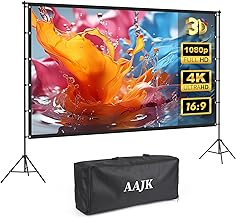
For a lightweight and wrinkle-free portable solution, consider the AAJK 100in Projector Screen with Stand. This screen is built for both indoor and outdoor use, offering 4K HD compatibility in a highly mobile package.

The VOOPVOR 100 inch Portable Projector Screen is an upgraded model focused on delivering a wrinkle-free surface on a stable stand, making it a reliable option for frequent outdoor use.

If stability is paramount, the 100 Inch Indoor and Outdoor Projector Screen with Tripod Stand provides a sturdy, premium solution for both professional presentations and home entertainment.
The 100 Inch Indoor and Outdoor Projector Screen with Stand offers HD viewing and is designed for quick assembly and disassembly, complete with a carry bag for easy transport.
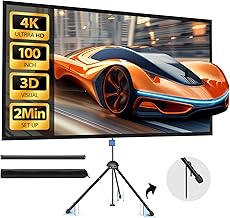
Featuring a high-gain PVC material, this 100″ Indoor/Outdoor Projector Screen with Stand offers vibrant 4K HD images and includes a 2-in-1 design for both stand-alone use and wall hanging.

The Elite Screens Tripod, 100-Inch Portable Projector Screen is a classic, reliable solution, offering a MaxWhite 2 material with 1.1 gain, perfect for presentations and home cinema on the go.
Budget and Foldable Sheets
For temporary setups or situations where space is extremely limited, simple foldable polyester sheets offer a budget-friendly way to get a large screen image. While they require careful hanging to avoid wrinkles, they are incredibly portable.

The 100 inch Foldable Portable Projector Screen is a highly affordable and flexible option. It’s a simple cloth screen that can be easily folded and transported, ideal for casual viewing.
Critical Features Checklist for Your 100 Screen
Beyond the mounting style, the screen material itself determines the quality of the projected image. When shopping for a 100 projector screen, pay close attention to these technical specifications:
Screen Material and Gain
The screen material (usually matte white vinyl, fiberglass, or PVC) is responsible for reflecting light back to the viewer. The key measurement here is “gain.”
What is Gain?
Gain is a measure of a screen’s reflectivity compared to a standard white reference board (magnesium carbonate), which has a gain of 1.0.
- Low Gain (0.8 – 1.0): These screens diffuse light evenly across a wide viewing angle. They are excellent for dedicated dark rooms where color accuracy and wide viewing angles are prioritized.
- High Gain (1.1 – 2.0+): These screens reflect more light back toward the center viewing axis. This makes the image appear brighter, which is useful in rooms with some ambient light, but the viewing angle is narrower (the image dims if you sit far off to the side).
For a standard 100 projector screen in a typical home theater, a gain between 1.0 and 1.3 is usually recommended for a good balance of brightness and viewing angle.
Aspect Ratio (16:9 vs 4:3 vs 16:10)
The aspect ratio defines the shape of the screen. For modern movies, TV shows, and video games, 16:9 is the standard high-definition format.
- 16:9: The modern cinematic standard, matching the native resolution of most projectors (1080p, 4K UHD). This is the default choice for a 100 projector screen used for entertainment.
- 4:3: A squarer format, typically used for older content, standard definition TV, or business presentations.
- 16:10: Often found in business or educational settings, as it matches the aspect ratio of many laptop screens.

While 16:9 is standard, products like the ZENY Portable Projector Screen Pull Down, 100 Inch 16:10 cater to users who require a more versatile screen for both media and computer presentations.
4K and 8K Compatibility
If you own a 4K or 8K projector, the screen material needs to be acoustically transparent and finely textured to prevent image artifacts like “hot spots” or moiré effects. Look for screens explicitly labeled as “4K/8K Ultra HD Ready.” These materials have micro-fine surfaces that ensure the highest resolution image is maintained.
Ambient Light Rejection (ALR)
If your viewing area cannot be completely darkened (such as a living room with windows), an ALR screen is highly recommended. ALR technology uses specialized microscopic structures within the screen material to reflect light coming from the projector (usually below) while absorbing ambient light coming from the ceiling or sides.
ALR screens dramatically improve contrast and black levels in moderately lit rooms, making them an excellent investment for a 100 projector screen that needs to function outside of a dedicated dark cave.
Detailed Product Breakdown: 100 Projector Screen Options
Here is a detailed look at some of the best 100-inch screen options available, categorized by use case and feature set, ensuring you find the right fit for your home or outdoor cinema needs.
Category 1: Premium Fixed Installation
For the user building a dedicated theater space, flatness and image quality are paramount.
KHOMO GEAR Fixed Frame Projector Screen (P10)
This screen delivers excellent performance for the price point in the fixed frame category. Its matte white surface is designed for high-resolution projection, and the fixed tensioning system guarantees a smooth, permanent surface, which is crucial for maximizing 4K clarity.
Category 2: Motorized Convenience
Motorized screens offer the best of both worlds: a great viewing surface when down, and a clean wall when retracted.
VIVOHOME Motorized Projector Screen (P6)
This 100-inch motorized screen is a reliable choice for those seeking automated control. It operates quietly and includes a remote for easy integration into your home entertainment system. The material is designed to support 4K HD content, making it a strong contender for a multi-purpose media room.
100 Inch Motorized Projector Screen (P13)
Another excellent electric option, this screen is ideal for seamless integration into a modern home. Its smooth, electric operation ensures longevity and prevents the material damage common with manual pull-downs. It is a robust, wall/ceiling-mounted option for a permanent, yet retractable, 100 projector screen setup.