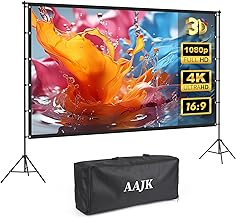
Stepping into the world of large-format projection means embracing the cinematic experience right in your home or backyard. When standard TV sizes no longer suffice, the call for a huge projector screen becomes irresistible. These massive displays, typically measuring 120 inches diagonally and above, transform casual viewing into an immersive event. However, the market for these expansive screens is vast, ranging from simple, highly portable solutions to sophisticated, permanently installed luxury systems.
Choosing the right large projection screen hinges primarily on two factors: your budget and your viewing environment. Do you need the absolute best image quality possible, regardless of cost, or are you seeking maximum size and portability for occasional outdoor movie nights? This comprehensive comparison breaks down the differences between premium, high-tech huge projector screens and their affordable, budget-friendly counterparts, helping you decide where to invest your money for the ultimate big-screen experience.
Why Choose a Huge Projector Screen?
The appeal of a huge projector screen goes beyond mere size; it fundamentally changes the viewing dynamic. A 120-inch screen offers roughly four times the viewing area of a standard 60-inch television, making the image feel larger than life. This scale is crucial for replicating the theater experience, especially for sports, gaming, and blockbuster movies.
Strong emphasis: The primary benefit is immersion. When the screen fills a large portion of your visual field, your brain processes the image differently, leading to a more engaging and memorable experience. Furthermore, a high-quality screen ensures that the massive image maintains sharpness and color fidelity, even when viewed up close.
Screen Size and Aspect Ratio
What defines a “huge” screen? While definitions vary, screens starting at 120 inches diagonal are generally categorized as large format for residential use. Common sizes extend up to 150 inches, 200 inches, and even larger for professional or event use. The standard aspect ratio for modern content, including 4K and HD movies, is 16:9. Choosing a 16:9 huge projector screen ensures that most contemporary media fills the entire display without distracting black bars.
Choosing the appropriate size is critical, and it depends heavily on your viewing distance. In a dedicated home theater, you can sit closer to a large screen without perceiving pixel structure, maximizing the immersive effect. For outdoor use, where viewers are spread out, a bigger screen (like 150 inches or 200 inches) ensures everyone gets a good view, even from the back row.
Installation Considerations
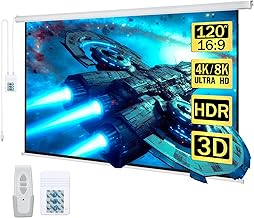
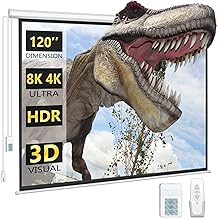
The installation method of a large projection screen often correlates directly with its price point and intended permanence. Fixed-frame screens offer the best tensioning and flatness but are permanent fixtures. Retractable screens (manual or motorized) are ideal for multi-use rooms, disappearing when not in use. Portable screens, often designed for outdoor or temporary setups, prioritize easy assembly and breakdown, sometimes sacrificing perfect flatness for convenience.
For a truly professional, high-end installation, a motorized screen that drops from the ceiling or rises from the floor provides a clean, integrated look. For budget-conscious or temporary setups, a simple pull-down or folding frame screen offers the size without the complex installation or permanent commitment.
The Luxury Tier: Premium Huge Projector Screens
The luxury segment of the huge projector screen market is defined by advanced materials, flawless engineering, and features designed to optimize image quality in less-than-perfect lighting conditions. These screens are often the final piece of a dedicated, high-end home theater system.
Deep Dive: AWOL VISION 120″ Motorized ALR Screen
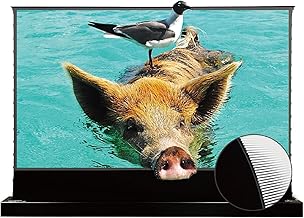
For those seeking the pinnacle of screen technology, the AWOL VISION 120″ Motorized ALR Floor Rising Projector Screen represents a significant investment in performance and convenience. This screen is engineered specifically for Ultra Short Throw (UST) projectors, offering features that standard matte white screens cannot match, justifying its premium price tag of over $2,000.
This model is a motorized floor-rising unit, meaning it deploys smoothly and silently from a sleek, compact casing on the floor. This provides a clean aesthetic, hiding the massive screen entirely when not in use. The true luxury, however, lies in the screen material itself.
Key Luxury Features: ALR, Motorized, Tensioning
- Ambient Light Rejection (ALR): The AWOL screen utilizes advanced ALR technology, specifically designed to reject light coming from the ceiling (where most ambient light originates) while maximizing the reflection of light coming from below (where a UST projector is placed). This feature allows the huge projector screen to deliver vibrant, high-contrast images even in rooms with some ambient light, a capability traditional screens lack.
- Motorized Operation: With remote control operation, the screen rises or retracts automatically. This adds a level of convenience and drama, enhancing the cinematic experience.
- Tensioning System: High-end screens employ tensioning systems (often cable-based, like the “tab-tension” design) to ensure the surface remains perfectly flat and wrinkle-free over its entire 120-inch expanse. Flatness is paramount for preserving image geometry, especially with 4K and 8K content.
- Durability and Build Quality: The housing is robust, protecting the delicate screen material when retracted, ensuring longevity for this significant investment.
The AWOL VISION is not just a screen; it’s an engineered display solution for the discerning home theater enthusiast who demands maximum performance and seamless integration.
The Budget Tier: Affordable Huge Projector Screen Solutions
Not everyone requires or can afford a dedicated, motorized ALR screen. The budget market focuses on delivering the maximum possible screen size for the lowest cost, prioritizing portability and ease of setup over advanced light rejection features. These options are perfect for casual use, especially outdoor movie nights where light control is naturally managed by darkness.
Deep Dive: 120-inch Portable Projector Screen with Stand
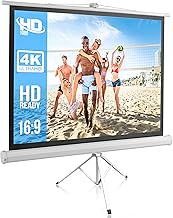
The budget alternative often comes in the form of a simple, portable screen kit. The Outdoor Projector Screen with Stand, available for under $70, is a prime example of maximizing size for minimal investment. At 120 inches, it still delivers the “huge screen” experience.
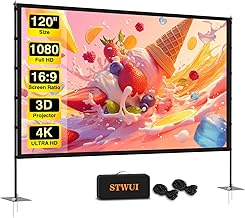
This type of screen typically consists of a lightweight metal or fiberglass frame that folds down and a simple matte white fabric screen that attaches via elastic cords or snaps. It is designed for quick setup in a backyard, garage, or temporary indoor space.
Value Proposition and Portability
- Extreme Portability: The entire setup, including the stand, packs down into a compact carrying bag, making it highly suitable for camping, parties, or moving between locations.
- Matte White Surface: The material is generally a standard matte white fabric with a low gain (around 1.0–1.1). This provides a wide viewing angle but offers no inherent resistance to ambient light. Performance is best achieved in total darkness.
- Included Stand: Crucially, this budget model includes a free-standing frame, eliminating the need for wall mounting or complicated rigging. This feature significantly enhances its practicality for outdoor and temporary use.
While the image quality will suffer in bright environments compared to the ALR screen, for a dedicated night-time backyard cinema, this budget huge projector screen provides unbeatable value and size.
Head-to-Head Comparison: Luxury vs. Budget Features
Understanding the core trade-offs between a luxury screen like the AWOL VISION and a budget portable screen is essential for making an informed purchase. The differences extend far beyond the price tag.
Image Quality and Ambient Light Rejection (ALR vs. Matte White)
The single biggest differentiator is the screen material. The luxury AWOL screen uses ALR technology, which is a game-changer for indoor viewing where ceiling lights or windows are present. The specialized material filters out light coming from angles other than the projector’s throw path, resulting in:
- Deeper Blacks: The screen absorbs ambient light, dramatically improving black levels and contrast.
- Vibrant Colors: Colors pop because they are not washed out by stray light.
The budget screen, being standard matte white, reflects light uniformly. While excellent in a pitch-black room, any ambient light will immediately wash out the image, reducing contrast and color saturation. For a truly versatile indoor setup or daytime viewing, the ALR technology of the luxury screen is indispensable. For a dark basement or outdoor night use, the budget screen is perfectly adequate.
Installation, Permanence, and Durability
The AWOL screen is a semi-permanent, motorized fixture. Installation involves positioning the floor casing and connecting it to power. Once installed, it offers unmatched convenience and a pristine, tensioned surface every time. Its durability is high, as the screen material is protected inside the casing when retracted.
The portable screen requires manual assembly and disassembly. While easy, the fabric is exposed during setup and storage. While the frame is stable enough for calm conditions, it may require anchoring (stakes, sandbags) outdoors to resist wind. Over time, frequent folding and unfolding can introduce minor creases, although many modern budget screens are advertised as “anti-crease.” The trade-off here is permanence and perfection versus portability and practicality.
Price Point and Long-Term Value
The cost difference is staggering: roughly $2,199 vs. $69.99. This means you could buy over 30 budget screens for the price of one luxury screen.
Luxury Value: The high price of the AWOL screen is justified by its complex motorized mechanism, the advanced ALR material (which is costly to manufacture), and its ability to turn a living room into a theater regardless of time of day. Its value lies in superior performance and long-term aesthetic integration into a high-end home.
Budget Value: The value of the portable screen lies purely in its ability to deliver a massive image size on demand for minimal cost. It is an accessory for fun, casual events, and its low price means replacement is easy if the screen is damaged during travel or outdoor use.
For most consumers, determining value means assessing how often the screen will be used and under what conditions. If the screen is the centerpiece of a dedicated, light-controlled indoor space, the luxury investment pays off. If it’s for occasional summer backyard parties, the budget option is the clear winner.
Factors to Consider Before Buying a Large Projection Screen
Regardless of whether you choose a budget or luxury option, selecting a huge projector screen requires careful planning to ensure compatibility with your existing equipment and viewing space.
Projector Compatibility: Throw Distance and Brightness
The type of projector you own dictates the screen you need. The luxury AWOL screen is specifically designed for Ultra Short Throw (UST) projectors, which sit directly beneath the screen. Using a standard throw projector with this ALR material would result in a very dark image, as the material is engineered to reject light coming from high angles.
Conversely, standard matte white screens (like the budget option) are universal and work well with all projector types (standard throw, short throw, or UST). However, the brightness of your projector is paramount when dealing with a large screen. Projecting onto a 120-inch surface spreads the light over a huge area, reducing perceived brightness (luminosity).
Projector Brightness Requirements:
- For a 120-inch screen in a dark room, aim for at least 2,000 ANSI lumens.
- For a 120-inch screen with ALR material (luxury) in a moderately lit room, aim for 2,500+ ANSI lumens.
- For any huge projector screen used outdoors at night, 3,000+ ANSI lumens is highly recommended for punchy images.
Viewing Environment: Light Control and Room Shape
Your environment is the ultimate arbiter of screen choice.
Indoor Home Theater: If you have complete control over light (blackout curtains, no windows), a standard high-quality matte white screen (fixed frame for best flatness) is often sufficient, even in the mid-range price bracket. If you plan to watch movies during the day or have open-concept living, the ALR technology of a luxury screen is necessary to combat ambient light and maintain picture quality on your large display.
Outdoor/Portable Use: The budget portable screens excel here. Since outdoor viewing typically happens after sunset, the need for complex light rejection materials diminishes. Portability, stability against wind, and quick setup become the most important factors for an outdoor huge projector screen.
Beyond the 120-Inch Standard: Larger Screen Options
While 120 inches is a common entry point for a huge projector screen, many users opt for even larger sizes, such as 150 inches or 200 inches. As the size increases, the technical challenges also grow:
The Challenge of Screen Tension and Flatness
Larger flexible screens are more prone to wrinkles and ripples, which can distort the image, especially with high-resolution 4K content. This is where the engineering of high-end screens truly shines. Luxury options utilize heavy-duty tensioning systems to maintain a perfectly flat surface across immense dimensions. Budget screens, particularly foldable ones, rely on elastic pull, which may not eliminate all wrinkles, particularly when they are newly unpacked.
Acoustically Transparent Screens
In the high-end market, another luxury feature often associated with massive screens is acoustically transparent (AT) material. These screens have micro-perforations that allow sound from speakers placed directly behind the screen to pass through without degrading the image. This enables a true cinema setup where the sound appears to emanate directly from the on-screen action, a feature almost exclusively found in premium, permanently installed huge projector screen setups.
Final Verdict: Selecting Your Huge Projector Screen
The decision between a luxury and a budget huge projector screen boils down to whether you prioritize performance in challenging lighting conditions or sheer size and portability for casual use.
Choose the Luxury AWOL VISION 120″ Motorized ALR Screen if:
- You use an Ultra Short Throw (UST) projector.
- Your viewing space has ambient light (windows, overhead lights).
- You demand flawless image quality, deep contrast, and perfect screen flatness.
- You want a motorized, integrated, and aesthetically pleasing installation.
Choose the Budget 120-inch Portable Screen with Stand if:
- Your primary use is outdoor night viewing or a dedicated dark room.
- Portability and quick setup are essential (camping, backyard parties).
- Budget is the main constraint, and maximum size is the goal.
- You are using a standard throw projector and have moderate brightness requirements.
Ultimately, investing in a huge projector screen unlocks a level of home entertainment that standard televisions simply cannot replicate. By carefully assessing your needs against the capabilities of these two distinct price points, you can select the perfect massive screen to bring the cinema experience home.