

Introduction: More Than Just a Pan
The cast iron skillet is arguably the most legendary piece of cookware in the modern kitchen. Often passed down through generations, these heavy, unassuming pans hold a place of honor not just for their history, but for the sheer, undeniable value they provide. In an era dominated by disposable, coated non-stick pans that degrade quickly, the cast iron skillet stands apart as a genuine, long-term cooking investment.
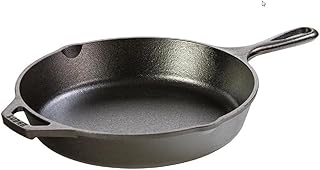
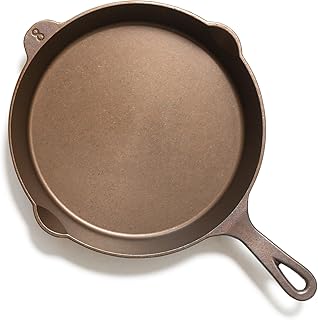
When you first handle a quality cast iron skillet, such as the classic Lodge 10.25 Inch Skillet, the immediate impression is its weight and solidity. This isn’t just a kitchen tool; it feels like a piece of industrial art, built to withstand a lifetime of searing, frying, and baking. The true value of cast iron, however, extends far beyond its initial purchase price, encompassing durability, performance, versatility, and even potential health benefits.
We’ll explore exactly what makes cast iron skillets such a worthwhile addition to your culinary arsenal, examining the core features that translate into real-world cooking advantages and long-term economic value.
The Core Value Proposition of Cast Iron
Understanding the fundamental properties of cast iron explains why it remains the choice of professional chefs and dedicated home cooks alike. These pans offer performance characteristics that modern, lightweight materials simply cannot replicate.
Unmatched Durability and Longevity
The concept of a “buy it for life” product rarely applies to cookware, but it is the defining characteristic of cast iron. These skillets are impervious to the common failures of other pans. They won’t warp under high heat, they can be used over open flame (perfect for camping), and they cannot be scratched by metal utensils. In fact, heavy use and proper care only improve the pan’s performance.
Consider the difference between a standard non-stick pan, which must be replaced every few years due to coating degradation, and a quality cast iron piece. The cast iron skillet represents a single investment that, with minimal maintenance, will last not just your lifetime, but potentially be handed down to your children. This longevity is the foundation of its economic value.
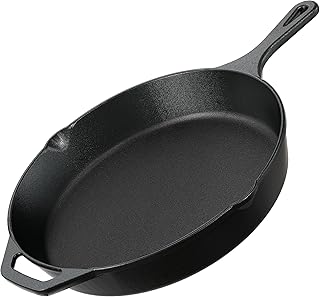
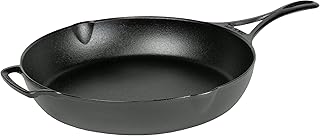
The durability is immediately apparent in heavier pieces like the Utopia Kitchen 12 Inch Skillet, which feels substantial enough for continuous commercial use, yet is perfectly suited for the home kitchen.
Superior Heat Retention and Distribution
One of the most significant performance advantages of cast iron is its ability to retain heat. Once hot, cast iron stays hot. This is critical for achieving a perfect sear on steaks, chicken, or vegetables. When you place cold food into a hot pan, lightweight materials quickly drop in temperature, leading to steaming rather than searing. Cast iron resists this temperature drop, ensuring a consistent, high-heat cooking surface.
While cast iron is slower to heat up than aluminum or copper, its thermal mass provides an unparalleled cooking experience. The heat is distributed slowly and evenly across the cooking surface, which is crucial for baking in a skillet—think golden-brown cornbread or deep-dish pizza. This heat stability is a core element of the value proposition, translating directly into better cooking results.
The Natural, Chemical-Free Non-Stick Surface (Seasoning)
Modern non-stick pans rely on synthetic coatings (often PTFE or PFOA-based) that break down over time and can release harmful fumes at high temperatures. Cast iron offers a natural alternative: seasoning. Seasoning is a layer of polymerized oil baked onto the iron surface, creating a slick, naturally non-stick finish that actually improves with use.
For cooks concerned about chemical exposure, the naturally seasoned surface of a cast iron skillet provides immense peace of mind. The process of seasoning is simple and restorative, meaning that unlike synthetic coatings, if the non-stick properties degrade, they can be easily rebuilt at home. The Lodge Blacklock 12″ Skillet, for example, comes triple-seasoned, giving it an exceptionally smooth, ready-to-use surface right out of the box, demonstrating the value placed on a superior non-stick layer.
First Impressions: Exploring Different Cast Iron Skillets
While the material remains the same, manufacturers offer a wide range of styles and features. Choosing the right skillet often depends on your primary cooking needs, whether you are looking for a versatile starter piece or a specialized tool.
The Essential Workhorse: Standard Skillets
For most kitchens, a 10 to 12-inch skillet is the foundation of the cast iron collection. These pans are designed for maximum versatility, handling everything from frying eggs to searing large cuts of meat.
The Lodge 10.25 Inch Cast Iron Skillet represents the benchmark of value. It’s pre-seasoned and ready for immediate use, featuring the classic teardrop handle and pour spouts. It’s heavy, reliable, and affordable—a perfect starting point for anyone new to cast iron.
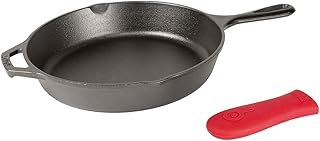
For cooks needing a bit more real estate, the Lodge 12 Inch Skillet adds capacity, making it ideal for family meals or batch cooking. This particular model often comes bundled with a silicone handle holder, a small but significant accessory that immediately adds practical value by making the pan safer and easier to maneuver when hot.
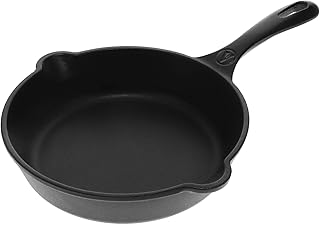
Smaller options, like the Victoria 8-Inch Cast Iron Skillet, are invaluable for side dishes, single servings, or baking smaller items like skillet cookies. Its size and weight make it easier to handle than its larger counterparts.
Value and Versatility: Skillet Sets
For those building a new kitchen or replacing old cookware, cast iron sets offer exceptional value and ensure you have the right tool for any job. Sets typically include multiple sizes, maximizing utility.
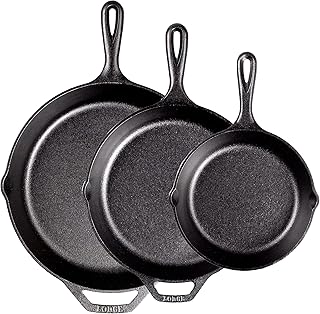
The Lodge 3-Piece Skillet Set (8, 10.25, and 12 inches) provides a comprehensive foundation. Having three different sizes means you can easily match the pan size to the volume of food, optimizing heat efficiency and cooking space. Similarly, the Simple Chef 3-Piece Set offers a budget-friendly entry point into owning a range of heavy-duty cast iron sizes, proving that high value doesn’t always mean high cost.
Specialized Forms: Griddles and Deep Skillets
Cast iron’s value also shines in specialized formats that capitalize on its heat properties.
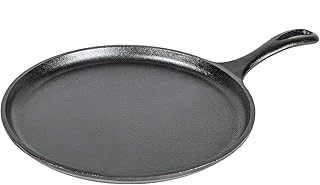
A cast iron griddle, such as the Lodge 10.5-inch Round Griddle, is perfect for pancakes, tortillas, and grilled sandwiches. The flat surface benefits immensely from the even heat distribution of the iron, eliminating cold spots and ensuring consistent cooking across the entire surface.
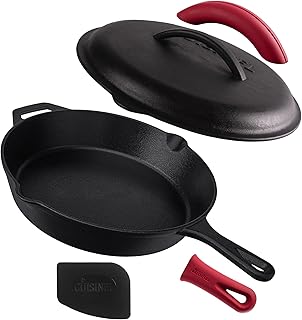
Conversely, deep skillets expand cooking possibilities beyond frying. The Lodge 5 Quart Deep Skillet with Lid functions almost as a hybrid Dutch oven. Its depth allows for deep frying, baking bread, and simmering stews, making it an incredibly valuable piece for cooks who appreciate multi-functionality. The addition of a lid, as seen in the Cuisinel 12-inch Skillet with Lid, drastically increases the pan’s utility for braising and slow cooking.
Premium and Modern Takes
While traditional cast iron is rugged, some modern manufacturers are addressing common user concerns, particularly weight and finish, adding new layers of value.
Brands like Lancaster are focusing on reducing the heft of the traditional pan. The Lancaster Lightweight Cast Iron Skillet uses modern casting techniques to deliver the same performance with a significantly reduced weight, making it more accessible for cooks who struggle with heavy pans. This innovation adds value through improved ergonomics without sacrificing performance.
Lodge’s premium Blacklock line, featuring the Blacklock 12″ Triple Seasoned Skillet, offers a refined experience. The triple seasoning and lighter design elevate the pan from a basic tool to a high-performance piece of cookware, justifying a higher price point through enhanced user experience and immediate non-stick capability.
Finally, enameled cast iron, such as the Le Creuset Enameled Skillet, provides the heat retention benefits of cast iron with a porcelain finish. This finish eliminates the need for traditional seasoning and allows for easier cleaning and use with acidic foods (like tomato sauces) that can strip bare seasoning. While significantly more expensive, the value here lies in combining cast iron performance with low maintenance convenience and aesthetic appeal.
The Economic and Health Value
The value of cast iron is not purely confined to the cooking process; it extends to financial savings and nutritional benefits.
Long-Term Cost Savings
When assessing the true cost of cookware, one must consider the replacement cycle. A cheap non-stick pan may cost $20, but if it needs replacing every two years, the cost over a decade is $100 or more. A high-quality cast iron skillet, even one priced around $50 (like the popular Lodge models), requires only a single purchase for potentially 100 years of use. This makes cast iron one of the most economically sound investments you can make in your kitchen.
Furthermore, cast iron is incredibly energy efficient. Because it retains heat so well, you can often cook at lower temperatures or rely on residual heat to finish dishes, saving on energy consumption over time.
Health Benefits (Iron Fortification)
An often-cited, though frequently debated, benefit of cooking with cast iron is the slight increase in the iron content of food. As the skillet heats, small amounts of dietary iron leach into the food. While this should not replace medical treatment for iron deficiency, studies have shown that cooking acidic foods or foods with high moisture content in cast iron can significantly increase their iron content. For many home cooks, this subtle, natural fortification adds another layer of intrinsic value to the pan.
Maintenance and Care: Protecting Your Investment
To realize the full, multi-generational value of a cast iron skillet, proper care is essential. The process is simpler than many assume, focusing primarily on cleaning without harsh soap and regular re-oiling (seasoning).
The Seasoning Cycle
Seasoning is the process of coating the pan in a thin layer of oil and baking it at high heat until the oil polymerizes, forming a hard, protective layer. This layer prevents rust and provides the pan’s natural non-stick surface. Even pre-seasoned pans benefit from ongoing maintenance.
Contrary to popular belief, a well-seasoned cast iron pan can handle a light wash with soap and water, as long as it is immediately dried and re-oiled. The key is to avoid soaking the pan or using abrasive scouring pads that scrape away the seasoning. For stubborn stuck-on food, a simple chainmail scrubber (often sold alongside skillets) works wonders without damaging the