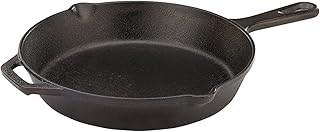
Every family has that one heirloom piece—the item that holds more history than monetary value. For my family, it was a massive, 12-inch cast iron skillet, originally belonging to my great-grandmother and used by my grandmother for over fifty years. This skillet wasn’t just cookware; it was the foundation of holiday breakfasts, perfect fried chicken, and countless family memories. Unfortunately, when it came into my possession, it was a tragedy. Years of improper storage had left it caked in layers of sticky residue and, worst of all, covered in patches of deep, flaky orange rust.
I considered tossing it. The rust looked terminal, eating into the metal. I tried soaking it in vinegar, scrubbing it with steel wool, and even using harsh chemical cleaners (a definite cast iron sin, I learned quickly). Nothing worked. The rust remained stubbornly embedded in the pores of the iron. I was about to give up on this piece of family history until I stumbled upon a simple, inexpensive tool often overlooked by modern cooks: the cast iron rust eraser. For under $10, this tiny block of abrasive material promised to do what hours of scrubbing couldn’t. This is the story of how that humble tool resurrected a cherished antique, and how you can use the same methods to save your own rusted cast iron treasures.
The Cast Iron Restoration Crisis: Why Rust Happens
Cast iron is famous for being nearly indestructible, capable of lasting centuries. So, how does it succumb to something as common as rust? The answer lies in its porous nature and its reliance on seasoning.
Rust is simply iron oxide, formed when iron is exposed to oxygen and moisture. Unlike stainless steel, raw cast iron is highly susceptible to this reaction. The seasoned layer—the polymerized oil baked onto the surface—acts as the primary defense. When that seasoning is compromised, whether through excessive moisture, boiling acidic foods, or aggressive cleaning, the raw iron is exposed, and rust begins its rapid takeover.
The Myth of Soap and Water
Many new cast iron owners fear using soap, believing it will destroy the seasoning. While old-school lye soaps could strip seasoning, modern dish soaps are usually mild enough not to cause major harm. The real enemy is water and air exposure. Leaving a skillet to air dry, or worse, soaking it overnight, is a guaranteed path to rust. Even a perfectly seasoned skillet can develop rust spots if moisture is allowed to sit on the surface.
Identifying Different Types of Damage
Before you dive into restoration, it helps to identify the damage:
- Light Surface Rust: A faint orange discoloration, usually fixed by a simple scrub with oil and salt.
- Deep Pitting Rust: Flaky, heavy orange buildup that creates texture and pits in the metal. This requires aggressive mechanical removal, which is where the rust eraser excels.
- Gummy Residue (Carbon Buildup): Thick, sticky black or brown patches caused by layers of oil that never fully polymerized. This often requires chemical stripping or intense scraping.
My grandmother’s skillet had the dreaded deep pitting rust. Standard chainmail scrubbers were struggling to reach the microscopic crevices where the rust was thriving. I needed a precise, abrasive tool that wouldn’t damage the underlying metal structure.
The Hero: Introducing the Rust Eraser
The Lodge Rust Eraser is a deceptively simple tool. It looks like a dense, rectangular block of pumice or sandpaper, but it is specifically formulated to be hard enough to grind away iron oxide without scratching the cast iron surface severely. It is designed to be used dry or with a small amount of oil, creating a fine slurry that lifts the rust away.

How the Rust Eraser Works
The magic of the rust eraser lies in its composition—it is usually made of silicon carbide grit embedded in a hard rubber matrix. This material is harder than iron oxide (rust) but softer than the iron itself, meaning it targets the corrosion without aggressively gouging the pan. It acts like a precision sander, allowing you to focus abrasive action exactly where the rust patches are located.
For my grandmother’s antique skillet, I used the rust eraser on the heavily pitted areas. I worked slowly, using circular motions, applying moderate pressure. Within minutes, the orange flakes turned into a dark gray powder, revealing the smooth, dark gray sheen of bare iron underneath. It was a revelation. This small, $10 investment achieved more in twenty minutes than I had achieved in a week of soaking and scrubbing with steel wool.
Beginner’s Guide to Restoring Heavily Rusted Cast Iron
If you have a vintage piece that looks beyond saving, follow this restoration process. This is the method that brought my family heirloom back to life.
Step 1: Deep Cleaning and Rust Removal
The first step is always to strip the pan completely. If the rust is heavy, you must remove all old seasoning and corrosion.
- Initial Scrub: Start by removing loose debris. Use a heavy-duty scrubbing tool, like a Chainmail Scrubber, with hot water and a few drops of specialized Cast Iron Cleaning Soap. Rinse thoroughly.
- Target the Rust: Use the rust eraser directly on the orange patches. Work methodically, section by section. For corners and edges, specialized Scraper Tools can help chip away at thick buildup.
- Final Polish: Once the rust is gone, the pan will look dull and gray. Use a fine-grit abrasive pad (or the smooth side of the eraser) to gently smooth out any rough spots.
- Rinse and Dry Immediately: Rinse the pan in hot water and immediately dry it completely using a towel or by placing it over low heat on the stovetop. Any residual moisture will cause flash rust.
Step 2: The Hot Water Bath
This step is crucial for deeply pitted or sticky pans. If your pan is heavily coated in old, rancid oil (gummy residue), a hot water and baking soda bath can help lift it. However, for most restoration projects, once the rust is mechanically removed, you are ready to move straight to seasoning. The key is ensuring the metal is clean and completely dry.
Step 3: Re-Seasoning for Longevity
Restoring the seasoning is arguably the most important step. This is what protects the iron and creates that natural non-stick surface. If you want a pan that will truly last forever, like the 25 kitchen essential that will last forever and even outlive you, proper seasoning is non-negotiable.
- Oil Selection: Use a high smoke point oil (like grapeseed, flaxseed, or canola). Specialized cast iron seasoning oil, often available in Cast Iron Cleaning & Conditioning Sets, works best.
- Application: Apply a minuscule amount of oil to the entire pan (inside, outside, handle). Wipe it down vigorously with a clean paper towel until it looks dry. If you think you’ve wiped off enough, wipe it twice more. Too much oil leads to sticky, gummy seasoning.
- Baking: Place the pan upside down in a cold oven. Heat the oven to 450°F (232°C). Bake for one hour. Turn off the oven and let the pan cool completely inside.
- Repeat: Repeat this process 3 to 5 times for a durable, black finish.
Essential Tools for Cast Iron Care: A Beginner’s Guide
While the rust eraser was the star of my restoration project, maintaining cast iron requires a small arsenal of specialized tools. Investing in the right cleaning kit ensures your skillets—whether a vintage heirloom or a new 3-piece skillet set on sale—remain perfectly seasoned and rust-free.
Top Rust Removal Solutions
When dealing with rust or sticky residue, these are the products that deliver results:
1. The Precision Rust Eraser
This is the exact tool that saved my grandmother’s pan. It provides controlled abrasion necessary for targeted rust removal without resorting to harsh chemicals or power tools.
2. Heavy-Duty Chainmail Scrubber
For daily cleaning or removing tough, baked-on food (like when cooking the one pan you need for perfect pizza), a chainmail scrubber is irreplaceable. It scrapes off stuck food without damaging the seasoning layer, unlike steel wool which can be too aggressive.

3. Specialized Cast Iron Cleaning Soap
Traditional dish soap often contains degreasers that, while not immediately harmful, can break down the seasoning over time. A dedicated cast iron soap is pH-neutral and formulated to clean without stripping the polymerized oil.

4. The Complete Care and Conditioning Kit
For those serious about maintenance, a full kit provides everything needed for restoration and routine care, including seasoning oil, cleaning soap, and sometimes a scraper or brush. This is essential for maintaining the investment in quality cookware, whether it’s a Lodge or a Le Creuset dupe under $50.

5. Conditioning Oil and Soap Combo
A plant-based combo ensures you have the necessary tools to clean gently and re-oil immediately. Remember, the rule of cast iron care is: clean, dry, oil.

Must-Have Cleaning Accessories
Once the heavy rust is gone, routine cleaning is simple, provided you have the right accessories to tackle food residue without damaging the precious seasoning.
6. Heavy-Duty Scrub Brush
A stiff-bristled brush is perfect for routine cleaning. It removes food particles without stripping the seasoning. Always use hot water and scrub while the pan is still warm (but not searing hot).

7. Chainmail Scrubber with Scrapers
For truly stubborn, burnt-on spots, combining the power of chainmail with integrated scrapers (often plastic or silicone) allows you to gently chip away at carbonized food without resorting to metal utensils that could scratch the surface. This kit often includes tools that are also great for cleaning grills or woks, such as the ones featured on Amazon Woks and Lodge Cookware.

8. Heavy-Duty Chainmail Scrubber (Pure Mesh)
Sometimes, simplicity is best. A pure 316 stainless steel chainmail scrubber is highly effective for removing baked-on grime and rust flakes. It’s flexible enough to reach the curved edges of a skillet or the grooves of a grill pan.

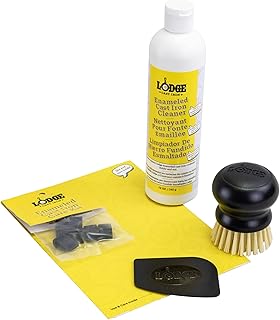
9. Enamel and Stoneware Care Kit
If your collection includes enameled cast iron (like Dutch ovens or colored skillets), you need a gentler approach. This kit is specifically designed for cleaning enameled surfaces without scratching the porcelain coating, a common issue when using abrasive tools meant for raw cast iron.
10. Plant-Based Coconut Cast Iron Soap
For those prioritizing natural ingredients, a plant-based soap using coconut oil derivatives is an excellent choice. It cleans effectively while being gentle on the seasoning, helping to maintain the natural patina of your iron cookware.

Beyond Rust: Maintaining Your Skillet for Generations
The restoration of my grandmother’s skillet wasn’t just about removing rust; it was about committing to proper care moving forward. Cast iron thrives on consistency. If you want your skillets to become cherished heirlooms like the one I saved, you need a solid maintenance routine.
Daily Cleaning vs. Deep Restoration
Most of the time, cleaning cast iron should take less than five minutes. Immediately after cooking, while the pan is still warm, scrape out food residue (a plastic pan scraper works wonders). Rinse with hot water. If necessary, use a chainmail scrubber or a stiff brush. Dry immediately and place it back on the stove for a minute to ensure all moisture is evaporated. Finally, apply a tiny amount of seasoning oil and wipe until dry.
Deep restoration, like the process described above, should only be necessary if the pan is severely damaged by rust, pitting, or thick, rancid carbon buildup. If you notice minor rust spots, address them immediately with the rust eraser and a thin layer of oil before the corrosion spreads.
Storing Cast Iron Properly
The biggest cause of rust after cleaning is improper storage. Never store cast iron with the lid on, especially in humid environments, as this traps moisture and promotes rust formation. Ensure the pan is 100% dry and lightly oiled before storing. If stacking pans, use paper towels or pan protectors between them to prevent scratching the seasoning. While many of my articles focus on home decor, such as budget DIY decor hacks or modular sofas, proper kitchen storage is just as vital for maintaining a clean and functional home.
If you are a fan of novelty cast iron, such as the Dolly Parton cast iron collection, the care instructions remain the same: keep it clean, keep it seasoned, and keep it dry.
Final Thoughts on the Resurrection
The transformation of my grandmother’s skillet was profound. The deep orange rust was replaced by a smooth, dark, non-stick surface. It now hangs proudly in my kitchen, ready for use, a testament not only to the durability of cast iron but also to the power of targeted, simple tools. It serves as a reminder that expensive solutions aren’t always the best. Sometimes, all it takes is a humble, $10 rust eraser and a little elbow grease to save a piece of history.
If you inherited a rusty pan or found a diamond-in-the-rough at a flea market, don’t despair. With the right techniques and a small investment in cleaning tools, you can resurrect that cookware and ensure it continues to feed your family for generations to come. Visit Homybudy.com for more tips on preserving your home and kitchen essentials.