In a world saturated with disposable gadgets, non-stick coatings that flake after a year, and stainless steel that demands careful temperature control, there exists one piece of cookware that stands apart. It is heavy, utilitarian, deceptively simple, and often costs less than a decent steak. This essential item is the humble, pre-seasoned cast iron skillet.
For less than $25, you can acquire a cooking tool that not only revolutionizes your kitchen performance but is guaranteed to outlive you, becoming a cherished heirloom passed down through generations. This isn’t just a purchase; it’s an investment in culinary history. We explore why the cast iron skillet is the undisputed champion of durability, versatility, and value, tracing its role through a typical day in the life of a modern home cook.
The Dawn of a New Day: Morning Meals in Cast Iron
The alarm sounds, and the first culinary task of the day begins. Whether you are searing crispy bacon, flipping fluffy pancakes, or baking a quick batch of cornbread, the cast iron skillet excels because of its unparalleled ability to distribute and hold heat.
Perfecting the Morning Sear
When you drop a few strips of bacon into a cold pan, the fat slowly renders, but the heat distribution is often uneven, leading to some pieces burning while others remain limp. The cast iron skillet solves this problem immediately. Once preheated—a process that takes slightly longer than thin aluminum, but is infinitely more rewarding—the pan acts as a thermal battery.
When that bacon hits the perfectly heated surface, the heat doesn’t drop. Instead, the skillet maintains a consistent, high temperature, resulting in bacon that is uniformly crisp and golden. The residual fat then becomes the perfect medium for frying eggs. Unlike delicate non-stick pans that scratch easily, the well-seasoned cast iron surface creates a natural, durable non-stick layer that only improves with every fatty fry. Slide your eggs out easily, leaving behind only the rich flavors of the morning meal.
For those who prefer a griddle experience, many cast iron options are available, providing a flawless surface for flapjacks and French toast. The ability to retain heat ensures that the second batch of pancakes cooks just as quickly and evenly as the first, eliminating the cold spots common in lesser pans.
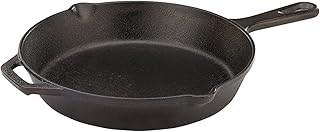
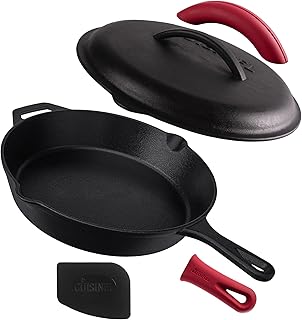
Consider adding a classic 10.25-inch skillet to your arsenal:

Beyond the Stove: Baking and Broiling
Cast iron is not limited to the stovetop. Its robust construction means it can seamlessly transition directly into a screaming hot oven, making it indispensable for baking. Imagine a golden-crusted Dutch baby pancake, or a savory frittata that starts on the burner and finishes under the broiler. The high walls and even heat transfer are ideal for baked goods that require a crisp edge and a fluffy center.
For breakfast or brunch, a cast iron cornbread recipe is a rite of passage. The heavy metal bottom ensures that the base of the cornbread achieves a deep, satisfying crunch that simply cannot be replicated in glass or ceramic baking dishes. This versatility—from searing meat to baking desserts—is a core reason why the cast iron skillet is the only pan you truly need.
For baking enthusiasts, consider a skillet designed for versatile oven use:

Midday Powerhouse: Lunchtime Versatility
Lunch often demands speed, but speed shouldn’t mean sacrificing quality. The cast iron skillet’s ability to handle extreme temperatures makes it perfect for quickly reheating leftovers, achieving a perfect grilled cheese, or whipping up a quick stir-fry.
The Naturally Non-Stick Surface
One of the biggest misconceptions about cast iron is that it is inherently sticky. In reality, a properly seasoned cast iron pan develops a natural, chemical-free non-stick surface that rivals modern PTFE coatings, without the worry of harmful chemicals. This seasoning is simply polymerized oil—fat that has been baked onto the surface, bonding with the iron to create a smooth, slick finish.
Every time you cook with fat (oil, butter, bacon grease) and clean the pan correctly, you are adding to this protective layer. Over decades, this seasoning deepens, turning the pan a rich, dark black and making it increasingly non-stick. This is why a vintage skillet often performs better than a brand-new one—it carries the culinary history of years of use. This feature is central to the “forever” promise of cast iron. Unlike synthetic non-stick pans which degrade, cast iron improves with age.
If you are looking for a great starter set to cover all your bases, consider this:

High Heat, Perfect Crusts
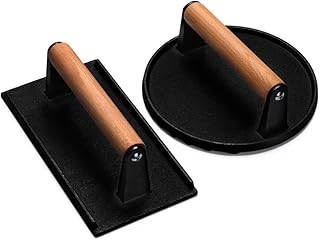
For a perfect grilled cheese sandwich—the kind with a golden, shatteringly crisp exterior—you need high, sustained heat. The same goes for the increasingly popular “smash burger.” You need to hit the meat with intense heat immediately to create the Maillard reaction, developing those deep, savory crusts.
Cast iron is the only affordable cookware material that can handle this kind of searing intensity without warping or losing heat rapidly. This thermal stability is crucial for achieving restaurant-quality crusts on everything from seared chicken breasts to pan-fried potatoes. This ability to handle high temperatures also makes it the ideal companion for outdoor cooking, whether on a grill grate or directly over a campfire, something modern cookware simply cannot withstand.
For high-heat searing, a quality 12-inch skillet provides ample surface area:

The Evening Legacy: Dinner and Heirloom Quality
Dinner is where the cast iron skillet truly shines, tackling complex tasks from deep frying chicken to baking artisan bread, all within the confines of a single pan. This is where the sheer weight and density of the iron translate into culinary excellence.
From Stovetop to Oven: Seamless Cooking
Many classic recipes, especially those involving steaks, chicken thighs, or roasted vegetables, require the ability to start searing on the stovetop and then finish cooking gently in the oven. With most cookware, this requires transferring food between pans. With cast iron, the transition is seamless. Because the entire pan is made of one piece of metal (excluding silicone handles, which must be removed before oven use), it can handle oven temperatures far exceeding 500°F.
This capability makes the skillet the best tool for reverse-searing a thick steak. You can finish it in the oven, and then bring the pan back to the stove for a final, ferocious sear, locking in juices and flavor. This multi-stage cooking process is simplified and optimized by the skillet’s rugged design.
For those looking for maximum cooking area, a larger pan is essential:

The Science of Heat Retention
The secret to the perfect sear lies in mass. Cast iron is heavy, and that mass is what allows it to retain heat so effectively. When you place a cold piece of meat into a pan, the temperature of the cooking surface drops instantly. If the pan is thin, it struggles to recover, leading to steaming instead of searing. Cast iron, however, absorbs and stores a massive amount of thermal energy. When the cold steak hits the pan, the temperature drop is minimal, allowing the surface to immediately begin caramelizing the meat.
This thermal inertia is also why cast iron is excellent for deep frying. It maintains a stable oil temperature, which is critical for achieving a crisp, non-greasy result. Furthermore, cast iron is naturally fortified with iron, which can subtly leach into your food during cooking, providing a small but measurable dietary benefit. Learn more about the best cast iron recipes here.
If you need a deep skillet or a Dutch oven hybrid, these models offer exceptional versatility:

Care and Maintenance: Building the Legacy
The concept of a pan lasting forever might seem like hyperbole, but cast iron is virtually indestructible. It cannot be melted by a home stove, and short of dropping it off a cliff, it is unlikely to break. The only real enemy of cast iron is rust, which is easily prevented with proper care—a ritual that connects the cook to the tool.
Dispelling the Water Myth
Many new users fear cleaning their cast iron, having heard warnings about soap and water. While harsh dish detergents should be avoided, modern mild soap is generally fine, especially if the pan is well-seasoned. The key is to clean the pan immediately after use and dry it thoroughly.
For stuck-on messes, simply using hot water and a stiff brush or a chainmail scrubber is highly effective. Never leave cast iron soaking in water. The process is simple: scrub clean, rinse, dry completely (often by placing it back on a warm burner for a few minutes), and then apply a thin layer of oil before storing. This simple maintenance routine ensures the pan is always ready for its next use.
Seasoning: The Secret to Longevity
Seasoning is the core of cast iron maintenance. It provides the non-stick surface and protects the iron from moisture. If your pan starts to look dull or food begins to stick, it’s time for a re-seasoning. This involves coating the pan with a high-smoke point oil (like grapeseed or flaxseed oil) and baking it upside down in a hot oven for an hour. This process restores the polymerized layer, ensuring that your skillet is always in peak condition. This act of care is what turns a simple pan into an heirloom.
When you buy a skillet for around $25, you are buying a tool that requires minimal ongoing investment but yields maximum culinary results for decades. It is the ultimate anti-consumerist kitchen choice.
Selecting Your Forever Skillet: Our Top 25 Picks
Whether you need a small pan for side dishes, a large griddle for family breakfasts, or a versatile combo cooker, the market offers many excellent, affordable cast iron options. Below are 25 highly-rated cast iron skillets and cookware items that embody the durability and value of this essential kitchen tool.


Similar Posts
Why the Bonnlo Industrial Fireplace TV Stand Is the Best Budget-Friendly Update for Your Den
Transform your den with the Bonnlo Industrial Fireplace TV Stand. We review 6 months of use to show why it’s the top budget choice for style and warmth.
Why Amazon Customers Are Obsessed with the BAYKA Floating Wall Shelves for Instant Organization
Discover why BAYKA floating wall shelves are Amazon’s top choice for instant organization. Maximize space with stylish, heavy-duty rustic wood shelving.
We Found the Ultimate Farmhouse Decor Hack: The AMERLIFE Sliding Barn Door TV Stand
Transform your living room instantly. Discover the AMERLIFE sliding barn door TV stand—the ultimate farmhouse style and function hack.
We Found the Perfect Le Creuset Dupe for Under $50 on Amazon
Stop paying $300! Discover the best Le Creuset skillet dupes on Amazon for under $50. We tested 50 budget cast iron pans for quality.
Upgrade Your Burger Game: The Cast Iron Press That Makes Perfect Smash Burgers
The burger is a culinary icon, a staple of backyard BBQs and diner menus. Yet, many home cooks struggle to replicate that perfect, restaurant-quality patty—the one with the impossibly crispy edges and a juicy, flavorful center. The secret isn’t just in the meat; it’s in the technique, and more specifically, in one simple, heavy-duty tool:…
Upgrade Your Bathroom Storage in Minutes with These Best-Selling QEEIG Floating Shelves
Maximize bathroom space instantly! Discover the best QEEIG floating shelves for wall-mounted storage, farmhouse style, and over-the-toilet organization.