The Foundation: Crisp White Walls

Scandinavian design starts with a neutral, airy backdrop. Crisp white walls are essential for maximizing light, especially during long winter months. This bright canvas instantly makes the room feel larger and cleaner. White reflects natural light deeper into the space, minimizing shadows and creating that signature fresh feeling. Use matte finishes to avoid harsh glare and maintain a soft, welcoming atmosphere, contrasting beautifully with warm wood elements.
Embracing Natural Wood Tones
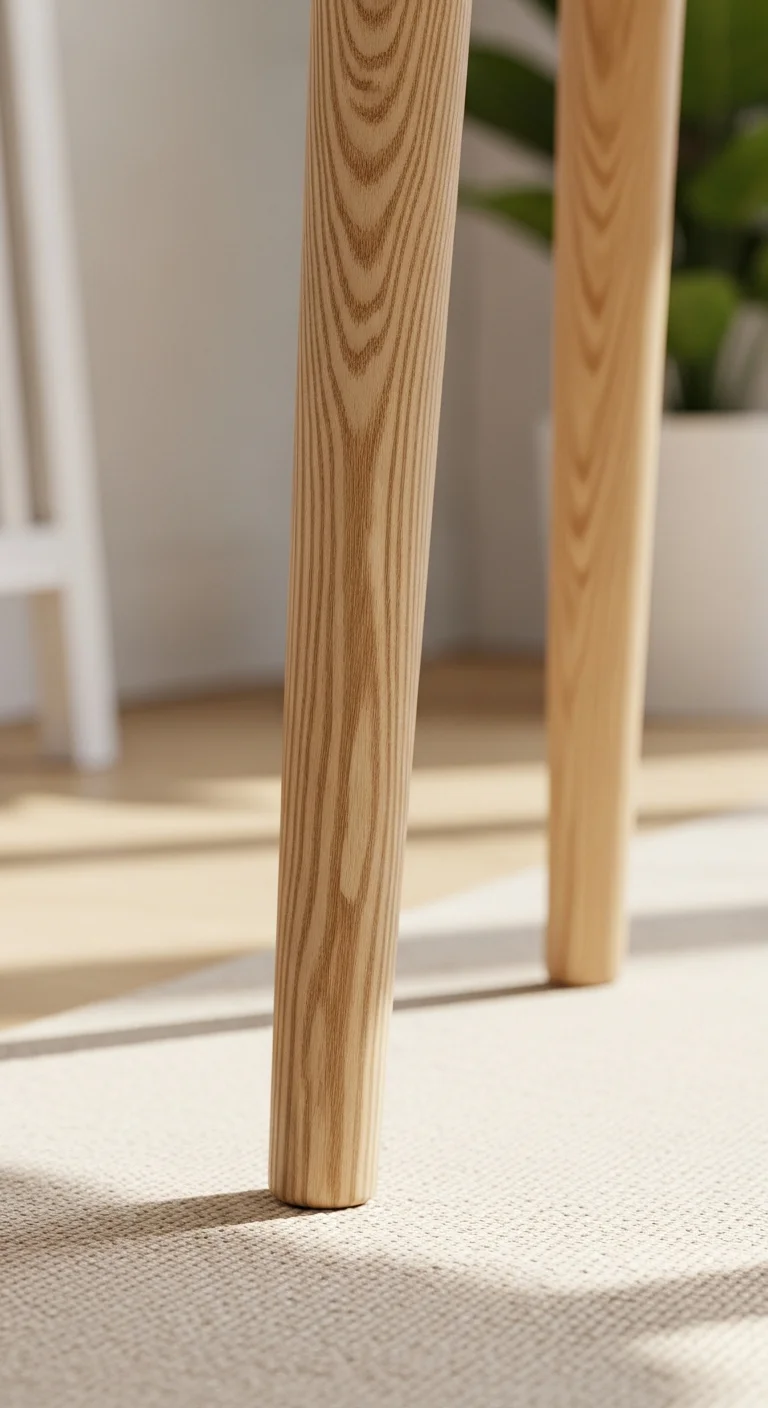
Wood brings warmth and organic texture vital to the Hygge aesthetic. Focus on light woods like pine, ash, or pale oak, avoiding heavy stains. These woods should feature prominently in flooring, shelving, and furniture legs. The raw, natural grain should be visible, celebrating imperfect texture over polished perfection. Integrating these natural materials grounds the space, preventing the white palette from feeling sterile or clinical.
Essential Hygge Textiles and Knitwear

Cozy textiles are non-negotiable for creating Hygge. Layer chunky knit throws, woven blankets, and sheepskin rugs over simple sofas. Textures should be tactile and inviting, encouraging relaxation and comfort. Stick to natural fibers such as wool, cotton, and linen in muted, natural tones. These elements instantly soften hard lines and add necessary depth, making the space feel supremely welcoming during cold evenings.
Minimalist Furniture Silhouettes

Scandi furniture emphasizes clean lines, function, and enduring design. Choose pieces that are slightly raised off the floor on thin legs, promoting an airy feel. Sofas should be low-profile and armchairs simple, often upholstered in linen or wool. Avoid excessive ornamentation or bulky, overstuffed items. Every piece must serve a purpose, adhering strictly to the principle that less is inherently more aesthetically pleasing.
Harnessing Daylight with Minimal Curtains

Light is precious in Scandi homes. To maximize brightness, avoid heavy drapes that block windows. Opt instead for sheer linen curtains or simple roller blinds that can disappear entirely when open. The goal is to let as much daylight flood in as possible. Consider reflective surfaces, like a strategically placed mirror opposite a window, to multiply the light. This approach is key to achieving the openness often sought in 12 Modern Living Room Ideas: 2026 Design Trends, focusing on airiness.
Functional and Hidden Storage Solutions

Clutter is the enemy of Scandinavian design. Functional storage is crucial for maintaining the room’s sense of calm and order. Look for closed cabinets, built-in shelving, or multi-purpose furniture like ottomans with internal storage. Ensure storage units match the minimalist aesthetic, often in white or pale wood. Keeping surfaces clear allows the quality of materials and the architecture of the space to shine through.
Introducing Natural Life with Houseplants

Biophilic design, connecting interiors with nature, is vital to Scandi style. Introduce simple, healthy houseplants to add necessary color and organic texture. Focus on hardy varieties like Fiddle Leaf Figs, Snake Plants, or simple ferns. Placement should be intentional, perhaps clustered in woven baskets or positioned on raw wood shelves. If your space lacks sunlight, review our guide to 13 Best Low Light Indoor Plants for Apartments to choose the right varieties.
The Subtle Role of Geometric Patterns

While textiles are soft, patterns often introduce sharp, graphic elements. Look for subtle geometric prints, such as simple stripes, checks, or minimal abstract shapes, usually in black and white or muted colors. Use these sparingly, perhaps on a cushion, a small rug, or a framed print. These patterns provide visual interest and a subtle modern edge without overwhelming the room’s overall tranquility.
Warm Neutrals: Gray and Taupe Palette

While white dominates, Scandi design rarely feels cold thanks to its use of warm neutrals. Incorporate soft grays, taupes, and sandy beiges through upholstery, large area rugs, or accent throws. These colors add depth without sacrificing the bright, clean aesthetic. They provide a grounding counterpoint to the sharp white walls. When designing smaller areas, focusing on a unified tonal spectrum, like these sophisticated neutrals, can help 12 Monochrome Palettes to Visually Expand Small Spaces.
Defining Zones in Open-Plan Layouts

Many modern Scandi homes feature open-plan living. Use furniture placement and area rugs to subtly define different functional zones (e.g., dining, lounging, reading). Ensure clear pathways remain for ease of movement. The cohesion of materials—using the same wood tone throughout—maintains the visual flow between the areas, making the entire space feel unified and larger despite varied activities.
The Glow of Candlelight and Fireplaces

Hygge relies on creating a warm, comforting glow. If possible, integrate a simple, clean-burning fireplace or wood stove, often painted white or black to fit the minimal aesthetic. Crucially, utilize candles and lanterns extensively. Group pillar candles on coffee tables or use tall, slender candlesticks on mantelpieces. This soft, flickering light is essential for creating an authentic Nordic atmosphere after sunset.
Choosing Natural Fiber Rugs

Area rugs are essential for adding texture and defining the central conversation area. Avoid synthetic materials or highly saturated colors. Opt instead for natural fibers like thick wool, jute, or sisal. A large, plain wool rug in gray, cream, or off-white is the perfect choice to introduce softness underfoot. This material choice enhances warmth and contributes to the room’s inherent connection to nature.
Curating Accessories (Less is More)

The mantra for Scandi accessories is quality over quantity. Select a few meaningful, well-crafted objects. Think handmade ceramics, wooden bowls, or simple metal vases. Displaying too many small items will quickly lead to visual clutter. Rotate accessories seasonally to keep the space feeling fresh without having to accumulate excess belongings. Let functional objects double as decor whenever possible.
Statement Lighting Fixtures

Beyond ambient candle glow, utilize strong, sculptural lighting. Pendant lamps often serve as focal points above coffee tables or seating areas. Look for simple designs crafted from copper, matte black metal, or paper. Floor lamps should feature clean, articulated arms. Good lighting design is both functional for reading and directional, helping to shape the mood of the room without adding unnecessary visual bulk.
Mixing Textures for Depth

Since color is minimized, texture becomes the primary tool for adding visual depth. Combine smooth, cool surfaces (metal, glass) with rough, warm surfaces (sheepskin, rough-sawn wood, linen). This contrast prevents the neutral palette from falling flat. Introduce textiles with different weaves—cable knits, soft felts, and smooth leather—to stimulate the senses and enrich the overall sensory experience of the room.
The Importance of Simplicity and Decluttering
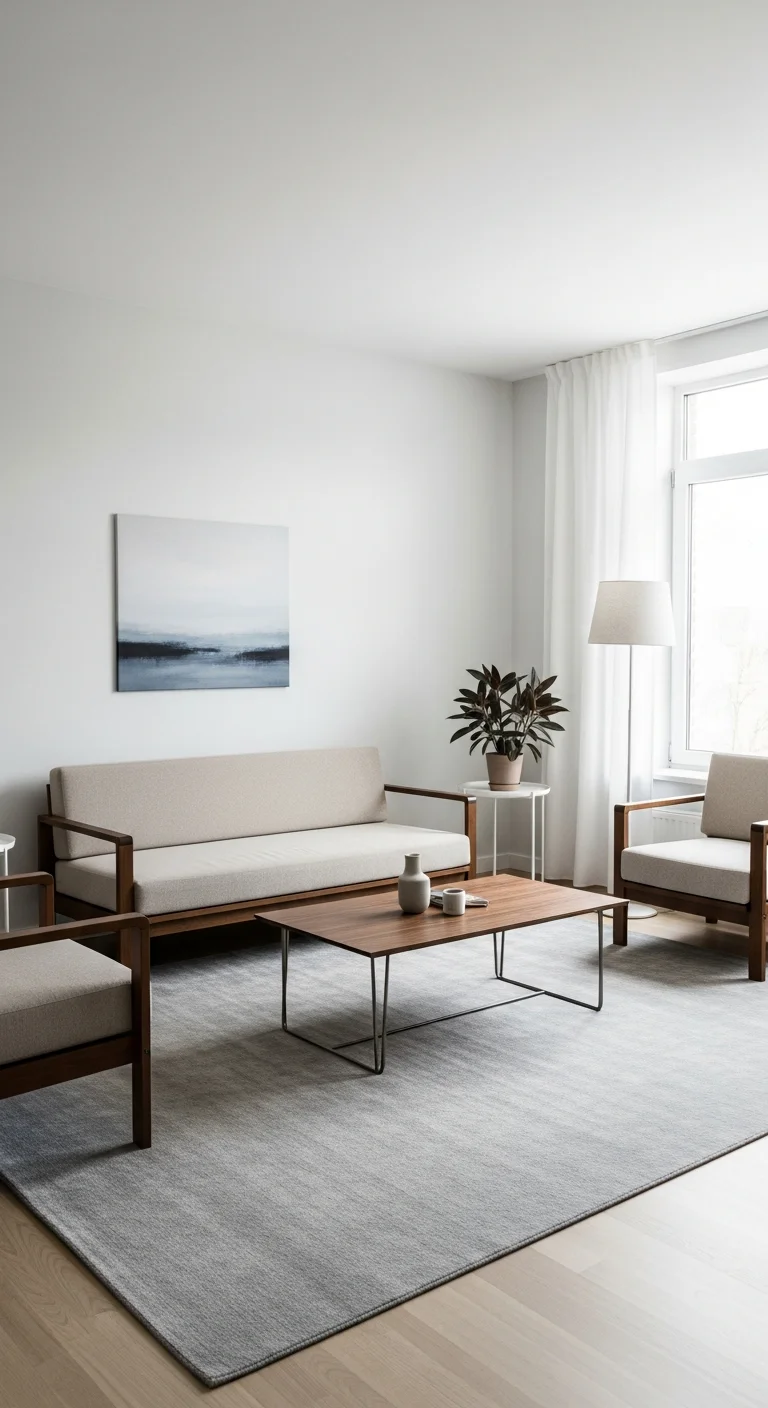
True Scandinavian style is rooted in simplicity, or *Lagom*, meaning ‘not too much, not too little.’ Regularly decluttering is non-negotiable to maintain visual peace. Adopt a ‘one in, one out’ policy for decor items and functional tools. Ensure the furniture arrangement promotes easy conversation and accessibility. This dedication to minimalism ensures the living room remains a tranquil, stress-free sanctuary at all times.
The Final Touch: Simple and Airy Vases
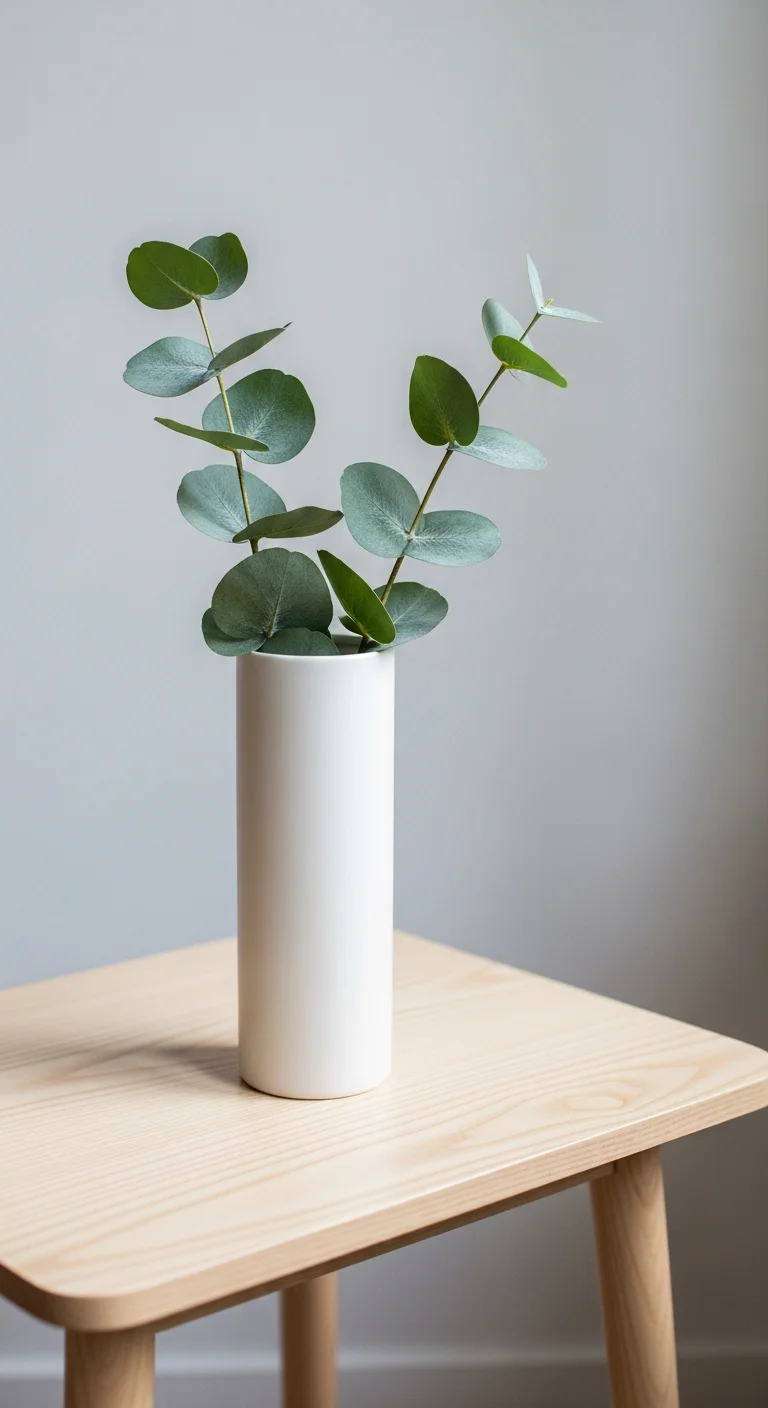
Fresh flowers or simple dried grasses placed in transparent or white ceramic vases provide the perfect finishing touch. Choose simple stems like tulips, eucalyptus, or dried wheat, avoiding overly large or elaborate floral arrangements. This small, organic detail adds an instant touch of fresh life and color without disrupting the room’s calm. This approach aligns perfectly with the aesthetic outlined in 15 Scandi Designs for Airy Living Areas, favoring light and organic forms.