Sculptural Low-Profile Seating
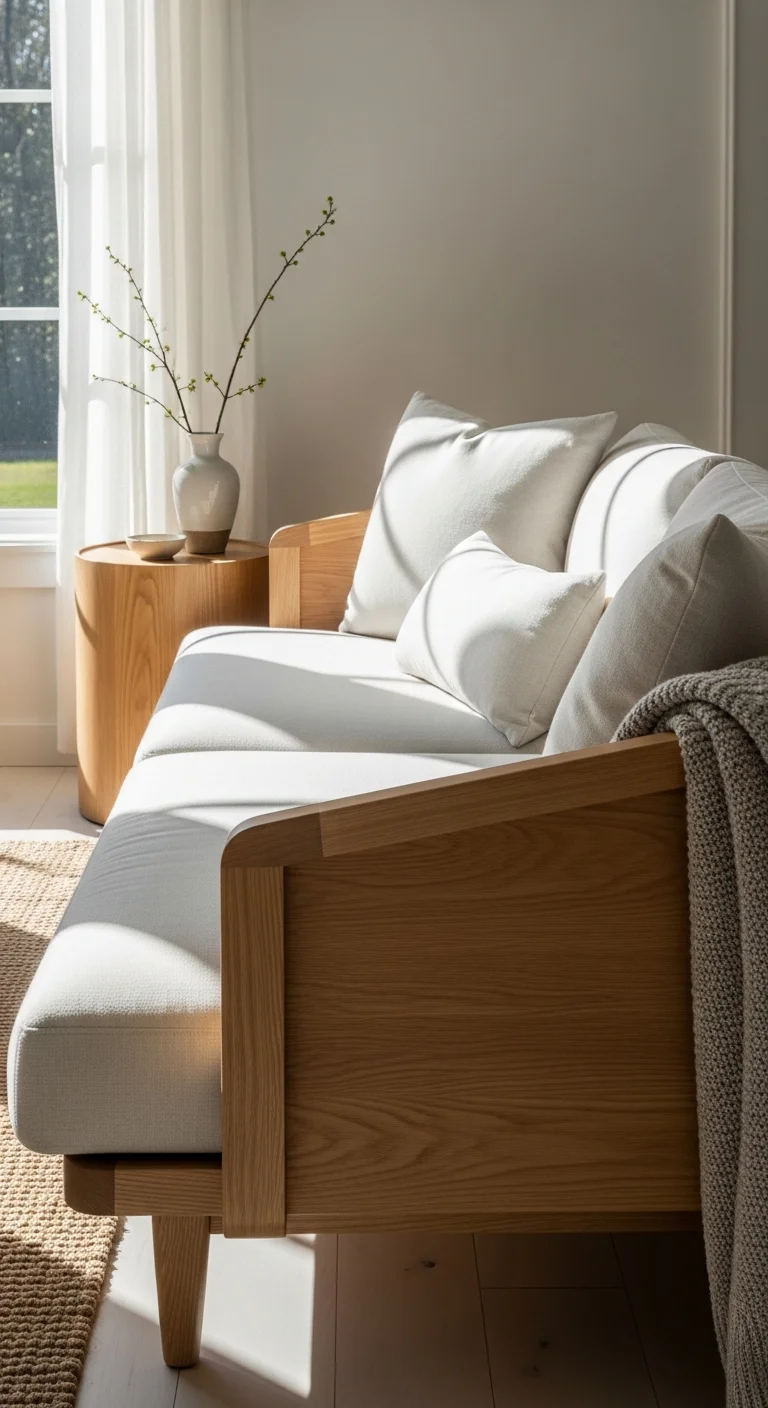
The 2026 Japandi living room prioritizes ground-level living, moving away from bulky, tall sofas. Look for seating defined by soft curves and natural, unstained wood frames. This trend emphasizes comfort while maintaining visual minimalism, essential in creating the open feel often seen in 15 Scandi Designs for Airy Living Areas. Opt for natural linen upholstery in oatmeal or pale gray. This creates a deeply relaxing, grounded aesthetic that defines luxury in a subtle, quiet way.
Embracing Wabi-Sabi Textures

Imperfection becomes intentional art. Japandi embraces Wabi-Sabi by incorporating subtle, textured wall finishes. Think limewash paint or Venetian plaster in off-white or beige tones. These finishes add depth and organic character without introducing clutter or high contrast. The goal is a tranquil environment where light interacts softly with the uneven surfaces, fostering a sense of age and quiet authenticity, reflecting nature’s gentle asymmetry.
Muted Earth Tones with Deep Accents

While neutrals remain dominant, 2026 sees richer, more saturated earth tones introduced as grounding accents. Deep forest greens, charcoal grays, and warm terracotta are used sparingly in cushions, throws, or large pottery. This contrast keeps the neutral foundation from feeling sterile and overly bright. It ensures the room retains a connection to nature while providing enough visual weight for balance and warmth throughout the space, enhancing the cozy Hygge aspect.
Elevated Biophilic Integration
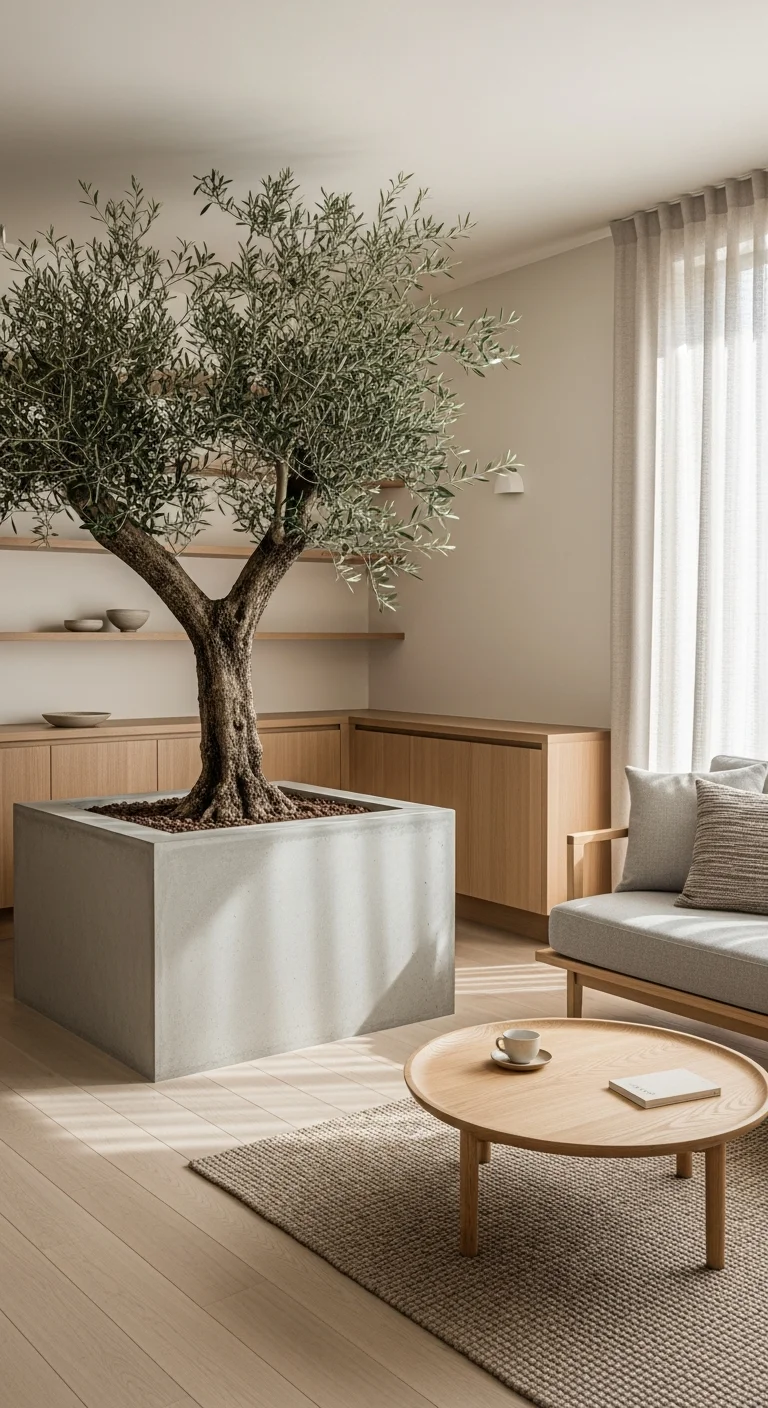
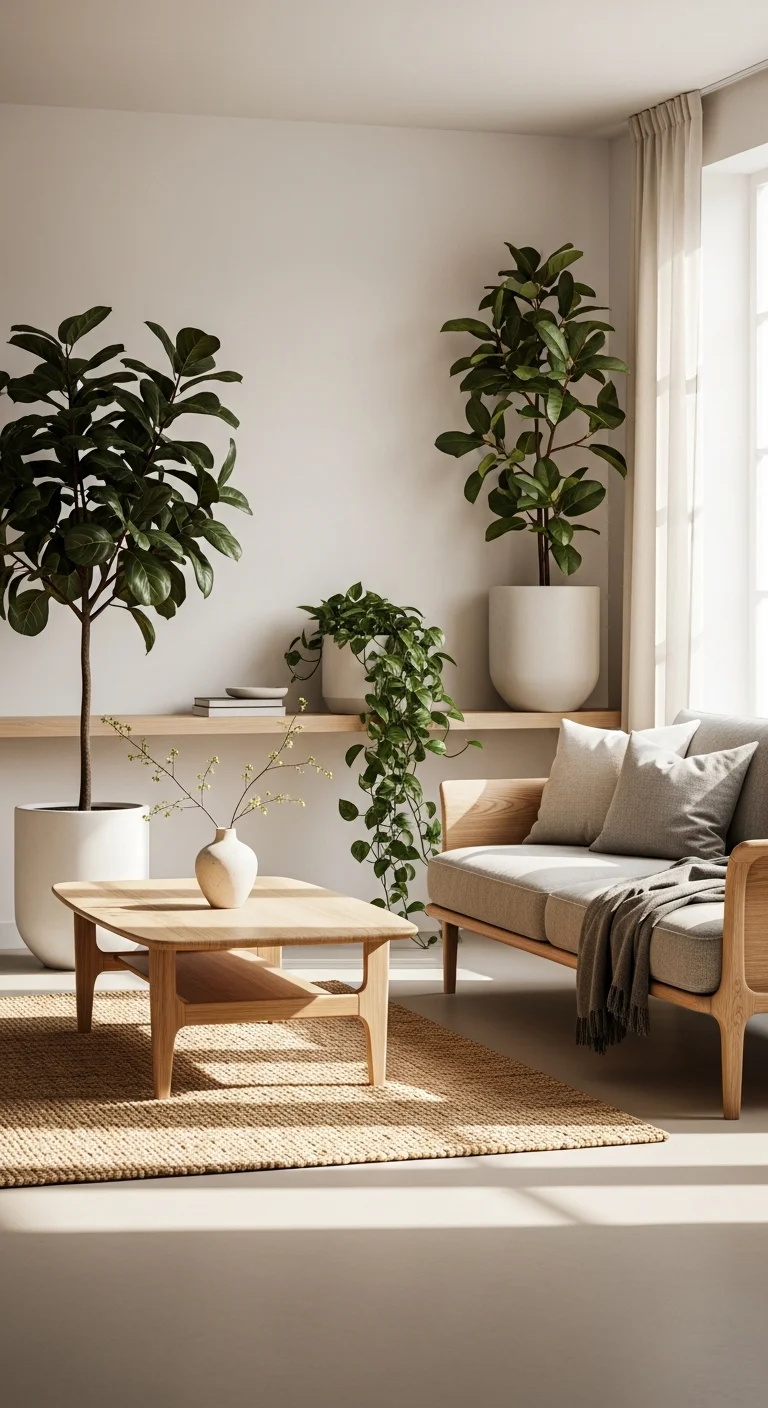
Plants are no longer just décor; they are architectural elements. We are seeing large, mature statement plants—like Fiddle Leaf Figs or Olive Trees—integrated directly into the room’s design using built-in planters or minimalist stone containers. This trend strengthens the connection to the outdoors, vital for stress reduction and a hallmark of the Japanese appreciation for nature within the home environment. Use only three or fewer large plants for maximum visual impact.
Modern Shoji Screen Partitions

Traditional Shoji screens evolve into modern, semi-transparent room dividers. These use frosted glass or translucent acrylic panels set within slim black or light wood grids. They offer flexible zoning in open-concept spaces, allowing light diffusion while providing essential privacy. These subtle partitions are perfect for defining areas without closing them off entirely, maintaining crucial spatial flow and the feeling of spaciousness that characterizes Japandi interiors.
Hyper-Functional Modular Seating

Flexibility is paramount for modern living. Modular sofa systems are incredibly popular, allowing homeowners to adapt seating layouts based on need—from hosting groups to intimate reading sessions. This practicality aligns perfectly with the Scandi focus on functionality and adaptable design. For apartments utilizing every corner, exploring 14 Modular Sofas for Tiny Floor Plans: Expert Picks is essential for maximizing space without sacrificing high-end style or comfort in 2026.
Handcrafted Cane and Rattan Accents
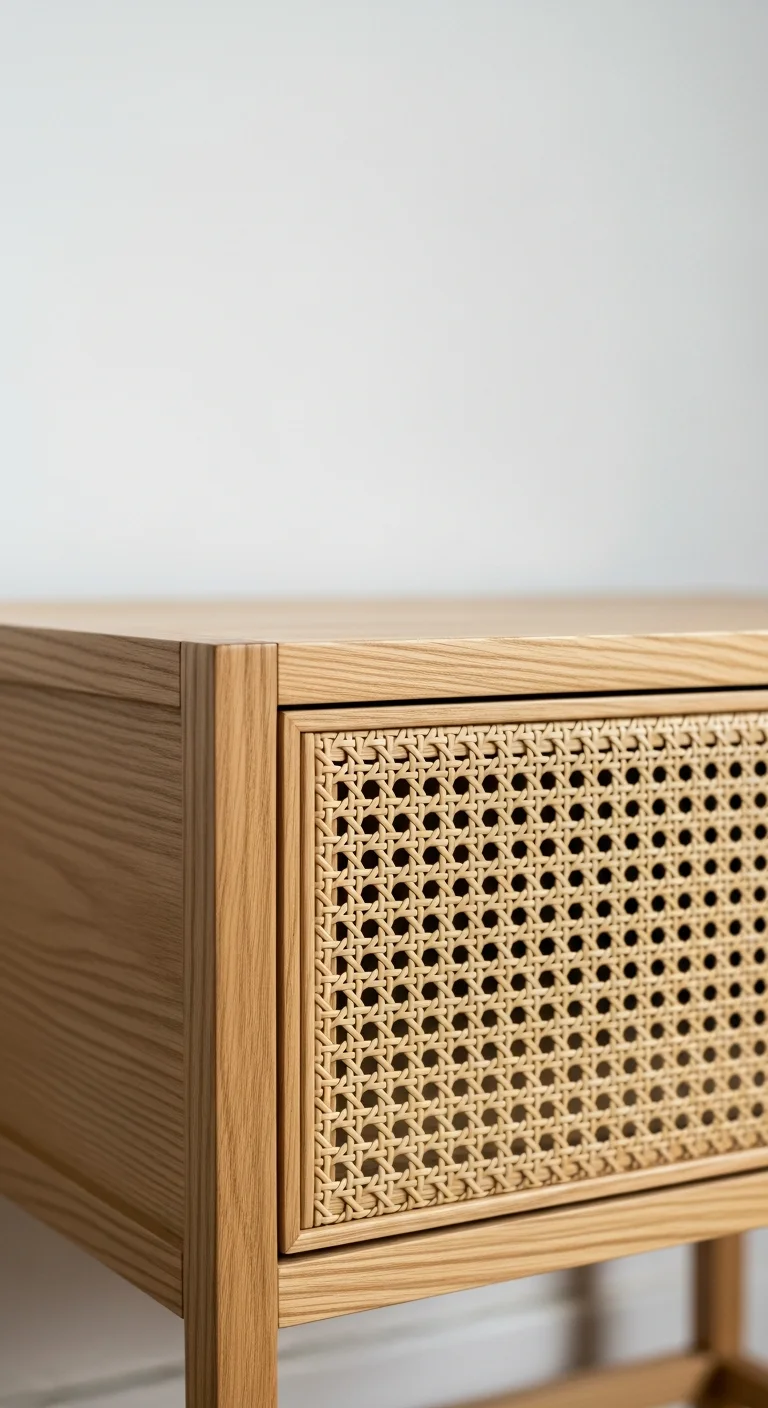
We see a resurgence of beautifully handcrafted natural materials, specifically cane and rattan, used in subtle ways. This isn’t the heavy 1970s look, but rather delicate weaving used for cabinet fronts, side table bases, and occasional chairs. This trend injects organic warmth and lightness into the space, offering a textural layer that contrasts beautifully with smooth wood and plaster surfaces. Focus on light-colored cane for a clean finish.
Invisible Technology Integration

Japandi design demands clean lines, meaning technology must be hidden or seamlessly integrated into the furniture. Smart home controls are concealed within drawers, and media consoles feature slatted fronts to hide speakers and wires completely. The focus is on functionality that supports relaxation and focus without introducing visual clutter. Choose low-profile, minimalist furniture that serves the dual purpose of display and technical concealment.
Zen Garden Influenced Styling

Adopt the serenity of a Japanese rock garden on a small scale within the living room. Low, wide coffee tables often display curated vignettes featuring smooth river stones, subtle moss arrangements, or simple Ikebana floral displays. This intentional negative space fosters mindfulness. It provides a focal point that encourages calm contemplation and respects the ancient Japanese principle of *ma* (meaningful empty space) above excessive ornamentation.
Vertical Wood Slats for Acoustics

Vertical wood paneling is moving beyond decorative feature walls into sophisticated acoustic treatment. Light oak or ash slats, backed by sound-dampening felt, improve sound quality and create a cocooning effect. This trend satisfies both the Japanese need for refined craftsmanship and the Scandinavian focus on comfort and usability, creating a quiet, cozy atmosphere perfect for relaxation and focus away from outside noise.
Introducing Raw Stone and Concrete

To balance the softness of textiles and wood, raw, natural materials like slate, polished concrete, or rough-cut granite are utilized as accents. This could manifest in a concrete hearth, a slate floor border, or rough-hewn stone side tables. These cold, robust textures provide necessary grounding and emphasize the authenticity and connection to the earth that defines Japandi design. They add a sophisticated, almost elemental weight to the space.
Organic Sculptural Lighting

Forget harsh geometrical fixtures. Lighting in 2026 favors softly diffused light from fixtures with organic, irregular, or cloud-like shapes. Paper lanterns (Akari style), hand-formed ceramic pendants, or simple frosted glass orbs suspended by thin wires are key. These fixtures act as subtle sculptures during the day and provide a warm, soothing ambient glow at night, enhancing the feeling of warmth and quietude in the room.
Layering Natural Fiber Rugs
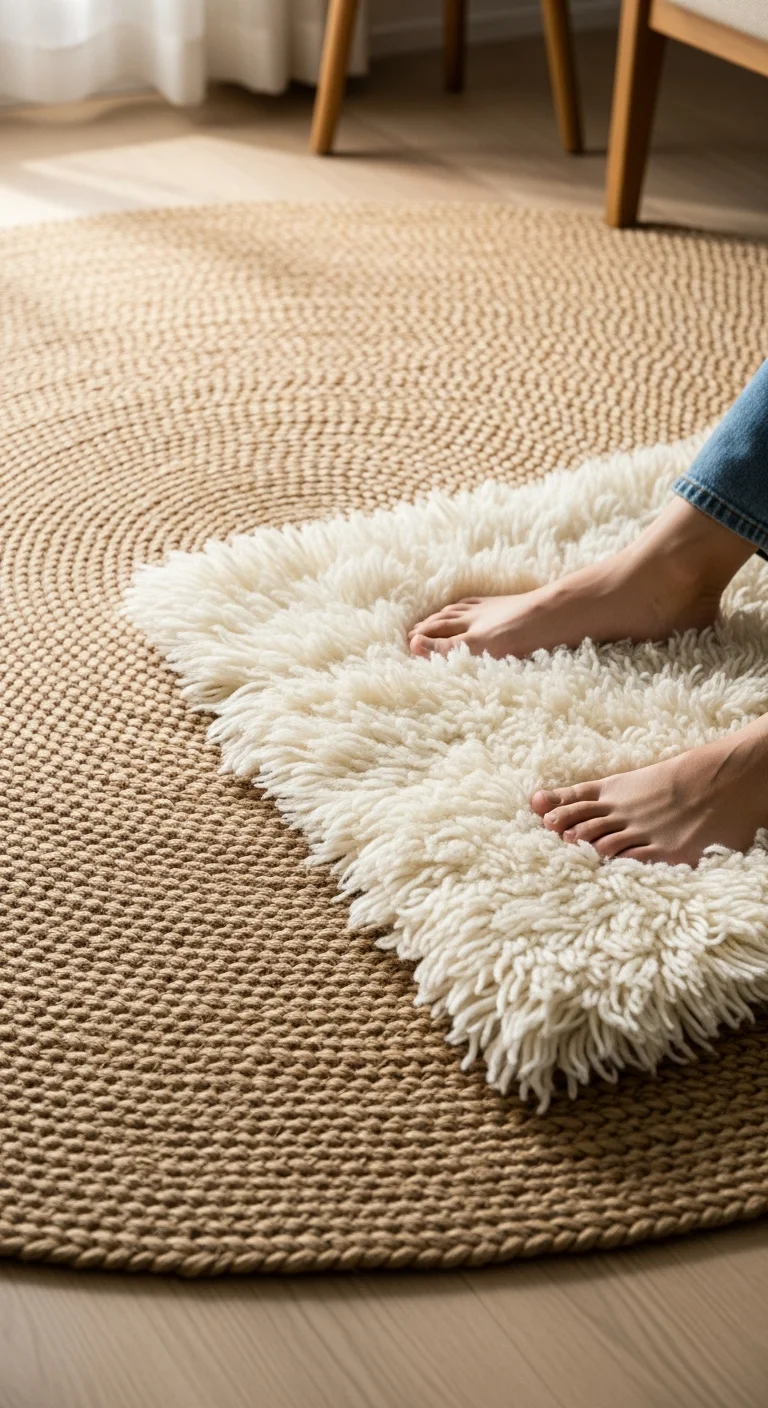
Rugs ground the space and add essential texture. The trend favors layering soft wool or bamboo silk rugs over large base rugs made of natural fibers like jute or sisal. This combination enhances sensory experience and defines zones within the living area, especially important in open-plan layouts. The neutral color palette remains, but the focus shifts entirely to rich, tactile contrast between the materials underfoot.
Essential Multi-Purpose Furniture

As living spaces consolidate, furniture must earn its place. Japandi embraces items that serve dual purposes, such as benches that double as coffee tables or ottomans with integrated storage. Utilizing 15 Genius Multi-Purpose Furniture for Small Spaces helps maintain the sparse aesthetic while maximizing utility. For additional clever storage, consider incorporating ideas from 14 Brilliant Ottoman Storage Ideas for Tiny Flats to keep visual clutter completely hidden from view.
Focus on Sustainable Reclaimed Wood

Sustainability is a core principle of the 2026 Japandi aesthetic. Reclaimed or sustainably sourced wood, often featuring visible grain and minor imperfections, is highly valued for its story and reduced environmental impact. Using light ash, birch, or bamboo minimizes the heavy visual feel. This reflects both the Japanese reverence for materials and the Nordic commitment to eco-conscious design, ensuring every piece tells a story of ethical production and longevity.