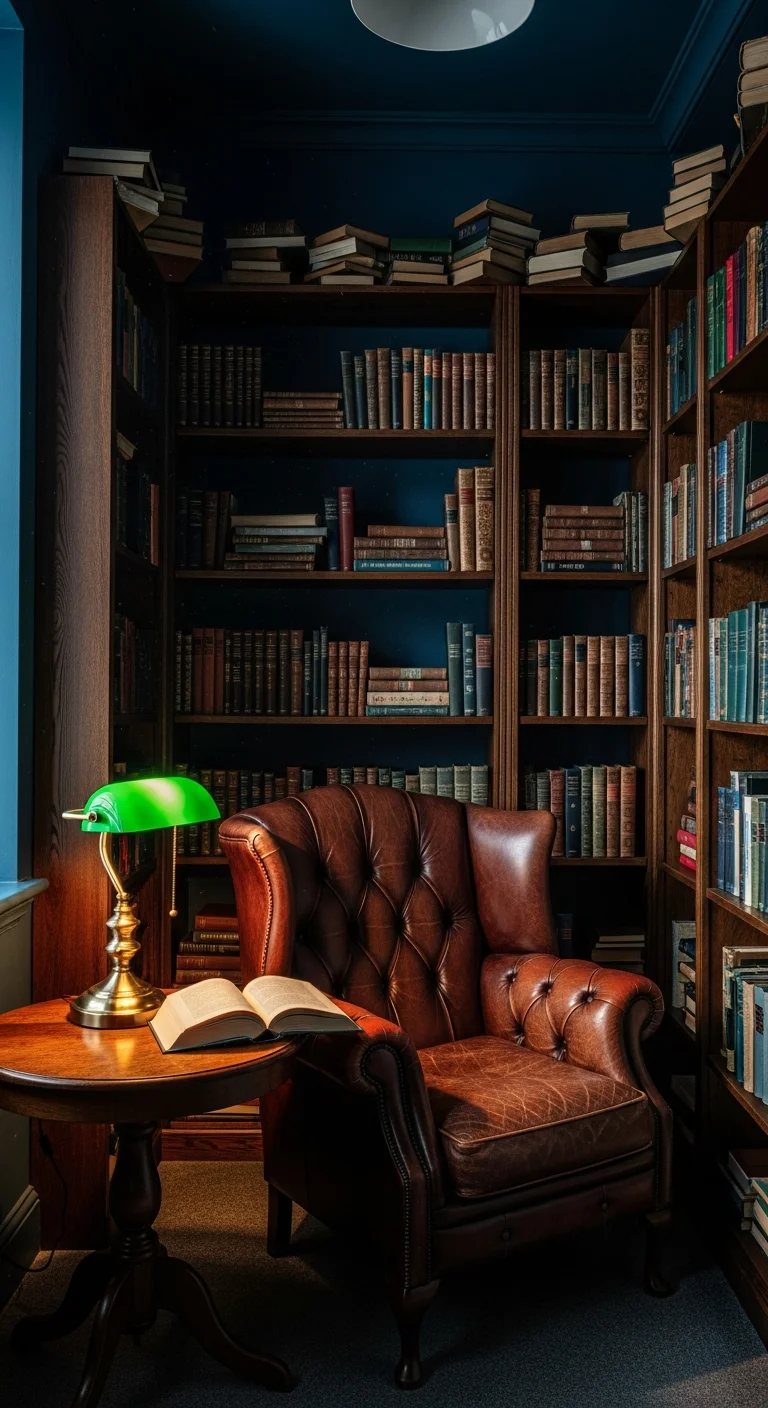
The Foundation: Rich, Dark Color Palettes
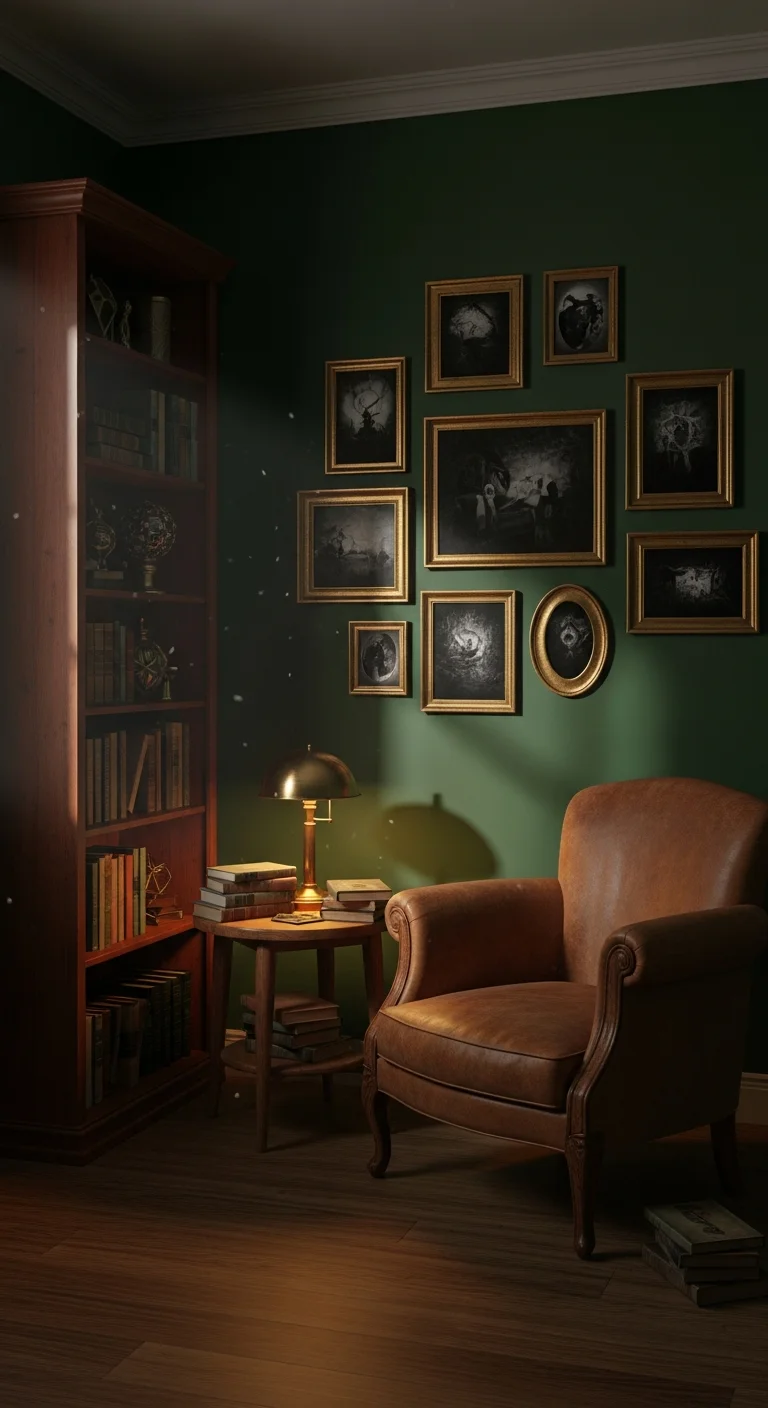
Dark Academia thrives on deep saturation. Embrace colors like forest green, burgundy, navy, and charcoal gray. These tones instantly create an intimate, scholarly atmosphere, perfect for a cozy reading corner. Don’t be afraid to paint all four walls or use deep, textured wallpaper for maximum impact. When working with smaller areas, balance the darkness by introducing antique brass or aged gold accents. This prevents the space from feeling too heavy while maintaining that essential brooding complexity required for scholarly contemplation.
Aged Leather and Plush Velvet Seating
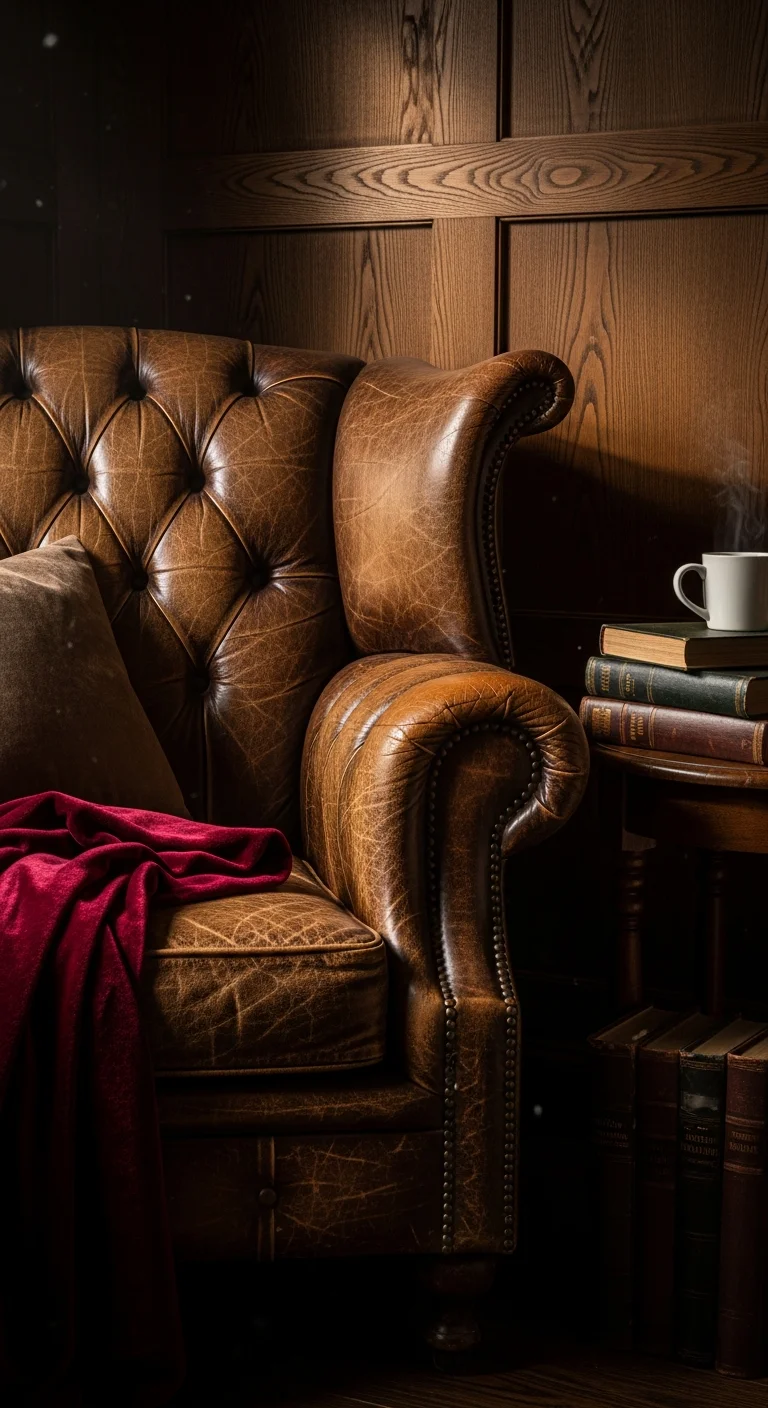
Seating must be both scholarly and incredibly comfortable. Opt for a classic chesterfield armchair upholstered in worn brown leather or a plush velvet settee in oxblood red or emerald green. These materials capture the vintage, time-worn elegance that defines the aesthetic. If space is at a premium, consider modular seating options that maximize efficiency. Finding 14 Modular Sofas for Tiny Floor Plans: Expert Picks can help ensure your seating fits perfectly into a small nook without sacrificing comfort or style. Layer with a heritage tweed cushion for an extra touch of texture.
The Essential Writing Desk Nook
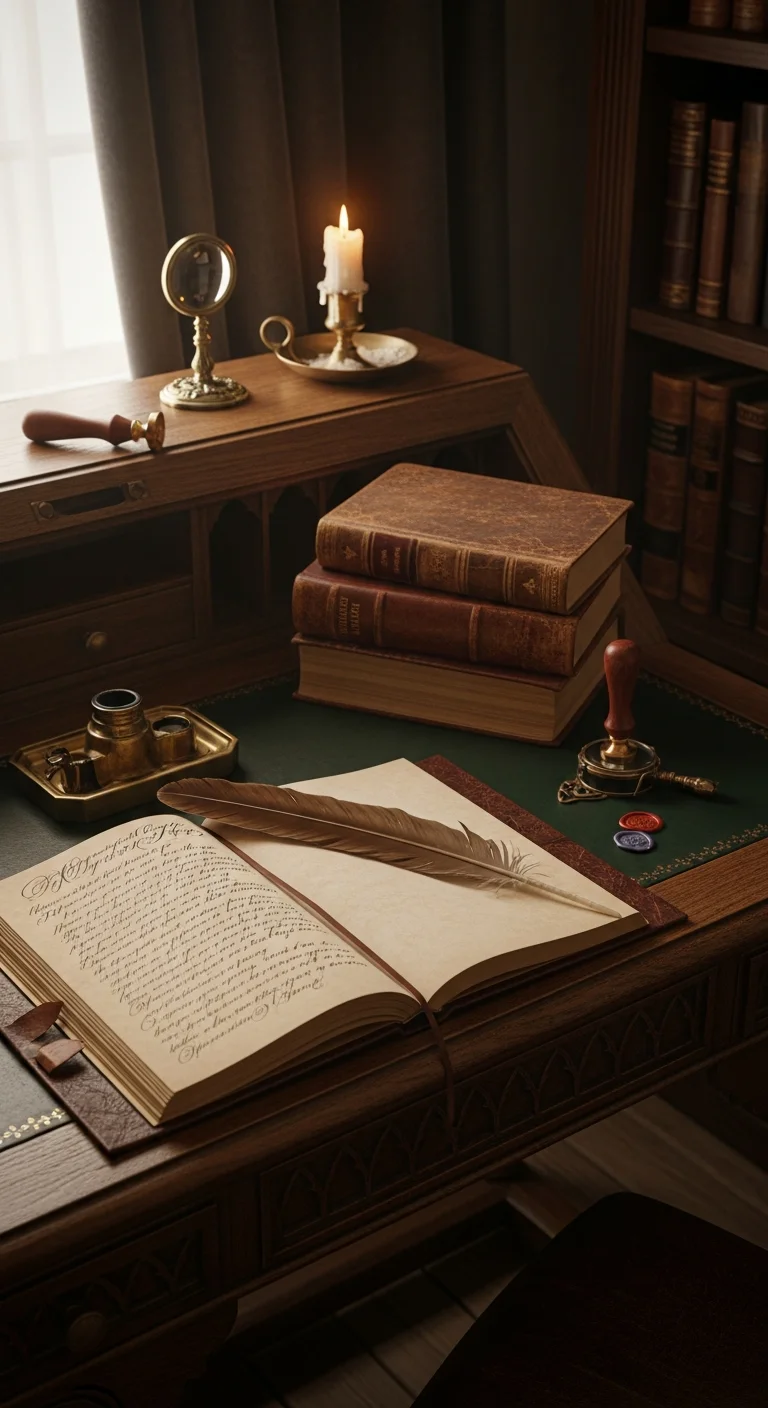
Every Dark Academia setting needs a place for contemplative thought or letter writing. A simple, antique writing desk—perhaps a fold-down or drop-leaf model—is ideal for a small nook. Accessorize it minimally with quality items like a vintage inkwell, a heavy marble pen holder, and a small library lamp. Maximizing functionality in compact spaces is key to maintaining tidiness while supporting your scholarly pursuits. Look into integrating 15 Genius Multi-Purpose Furniture for Small Spaces pieces that can double as a desk and storage unit for maximum utility in confined quarters.
The Library Wall Effect: Vertical Stacks
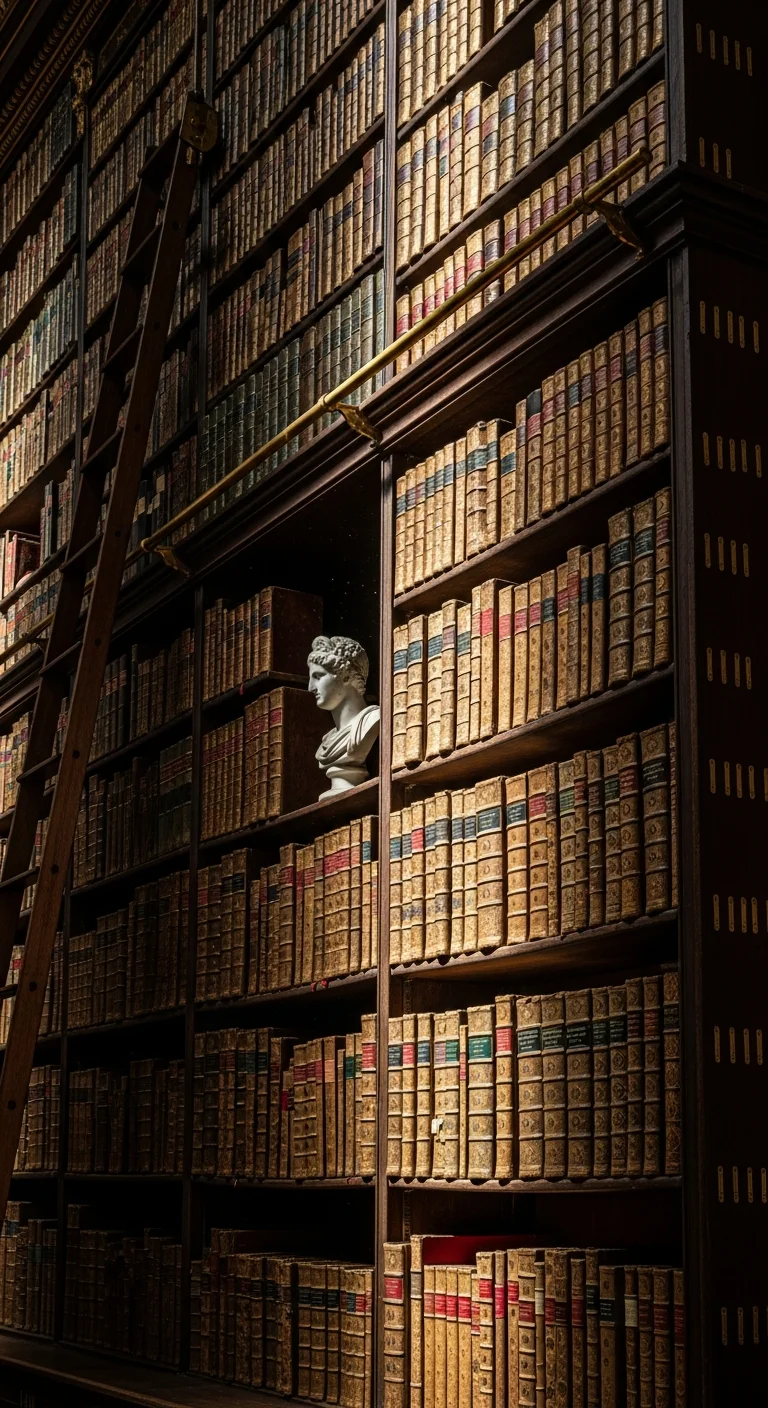
Books are the soul of the Dark Academia aesthetic. If you can’t install floor-to-ceiling shelves, mimic the effect on a smaller scale. Use tall, slim bookcases or embrace vertical storage solutions like 13 Floating Shelves for Ultimate Vertical Storage Wins. Fill them to overflowing, mixing texts with small busts, globes, and antique scientific tools. Focus on hardbacks with aged spines—the more mismatched and worn they look, the better. This creates visual weight and immediately establishes the studious feel of a private collection.
Vintage Lighting: Brass and Amber Glow
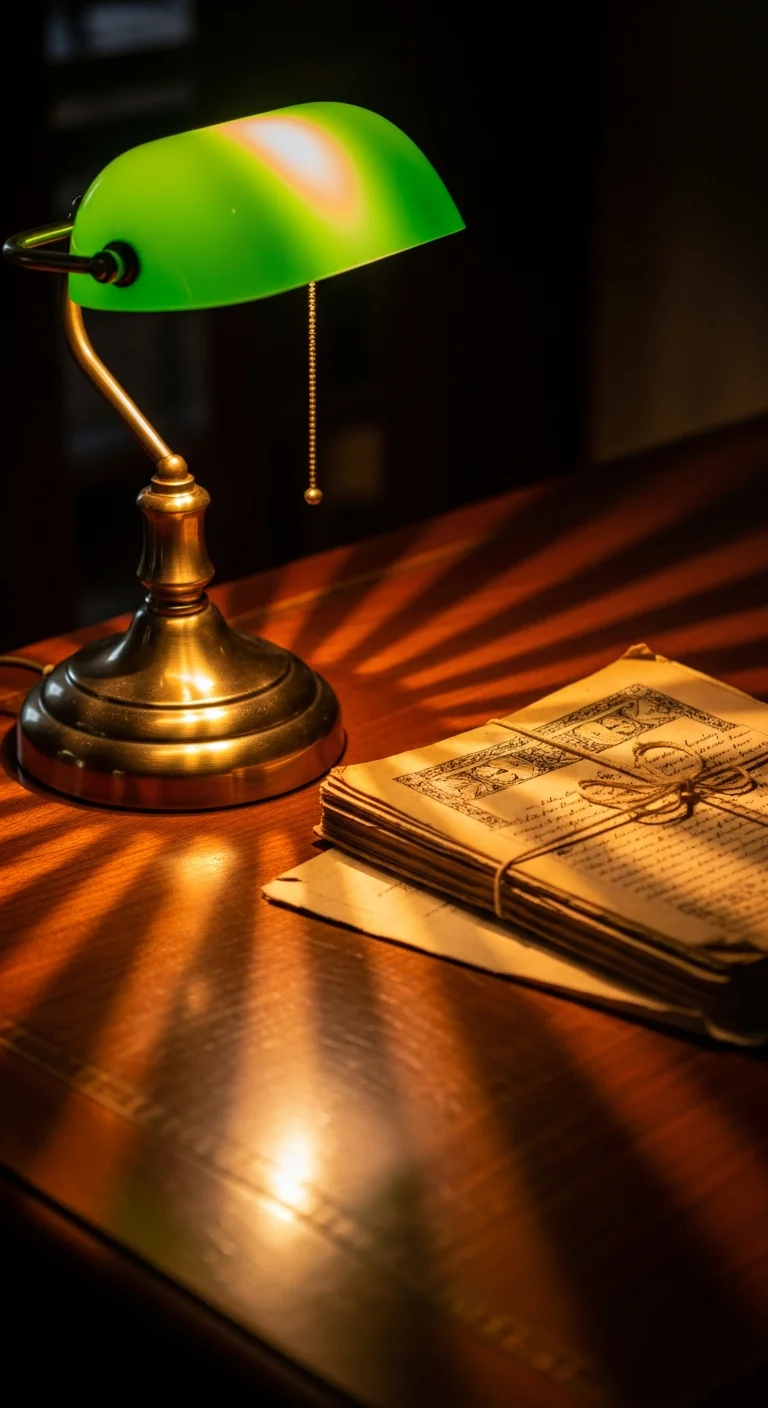
Harsh, modern lighting destroys the cozy, mysterious mood. Seek out lighting with warm, low Kelvin temperatures. Think antique brass desk lamps with deep green glass shades, often referred to as banker lamps, or wrought iron sconces that cast dramatic shadows. Overheads should be minimized, favoring small, targeted pools of amber light directly over reading or writing surfaces. This focused illumination emphasizes texture and age, reinforcing the historical ambiance and creating a snug, protected feeling within the nook.
Classical Artwork and Portraiture
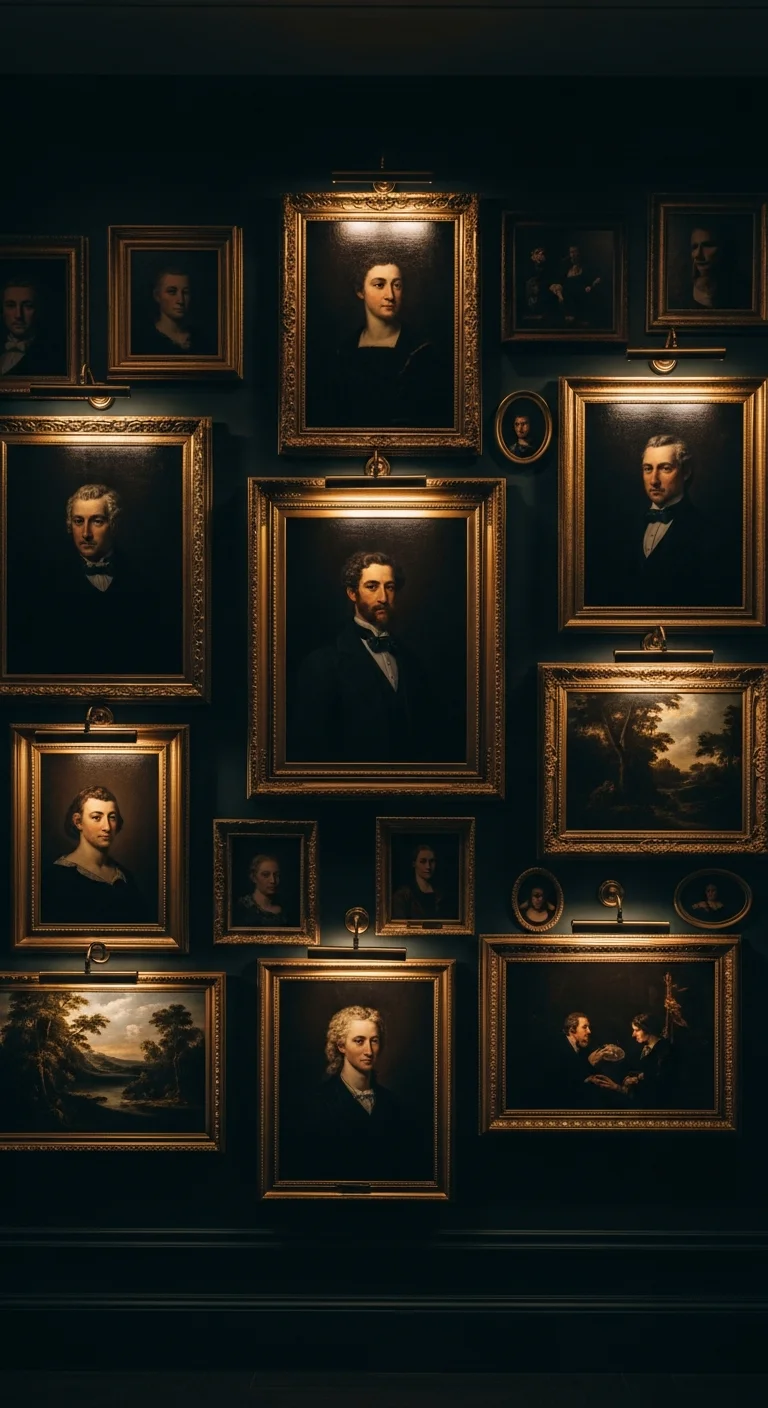
Art in this style leans heavily into historical themes. Look for oil paintings, sketches, and etchings depicting classical architecture, mythological scenes, or somber historical portraiture. The frames are just as important as the artwork itself; choose heavy, ornate gold or dark wood frames that look authentically aged. Cluster smaller pieces together in a salon-style hanging arrangement to create a dense, gallery-like feel. This practice adds depth and seriousness, making the nook feel like a quiet corner of a museum.
Curated Collections: Globes and Relics
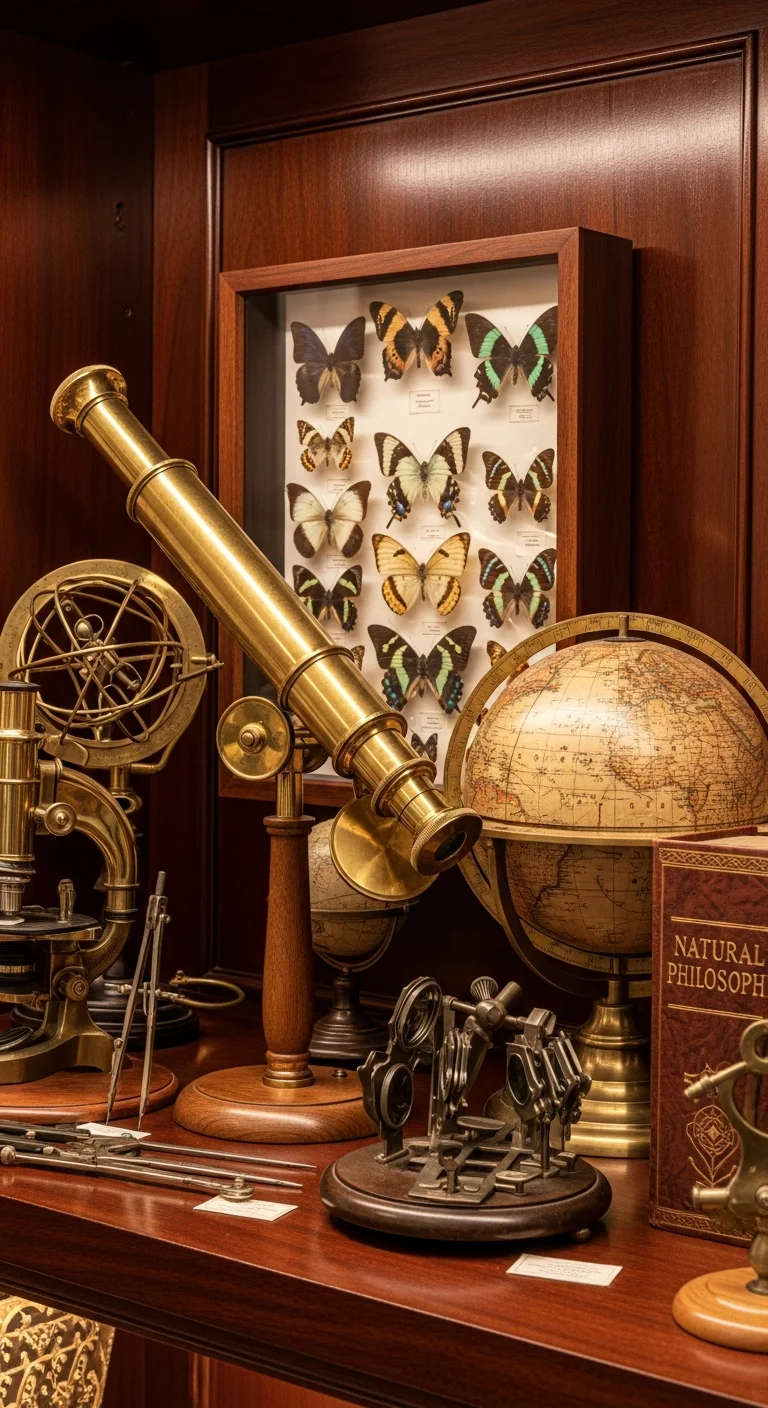
Dark Academia thrives on visual curiosity and the appearance of intellectual pursuit. Display items that look like artifacts gathered during a grand tour. Aged celestial globes, brass telescopes, fossil specimens, and taxidermy (or high-quality faux taxidermy) are excellent choices. Use cloches or glass cabinets to house delicate items, giving them an air of importance. Scatter these pieces across bookshelves, mantels, and desk surfaces to suggest a life dedicated to research and travel.
Layered Textiles: Tweed, Wool, and Tartan
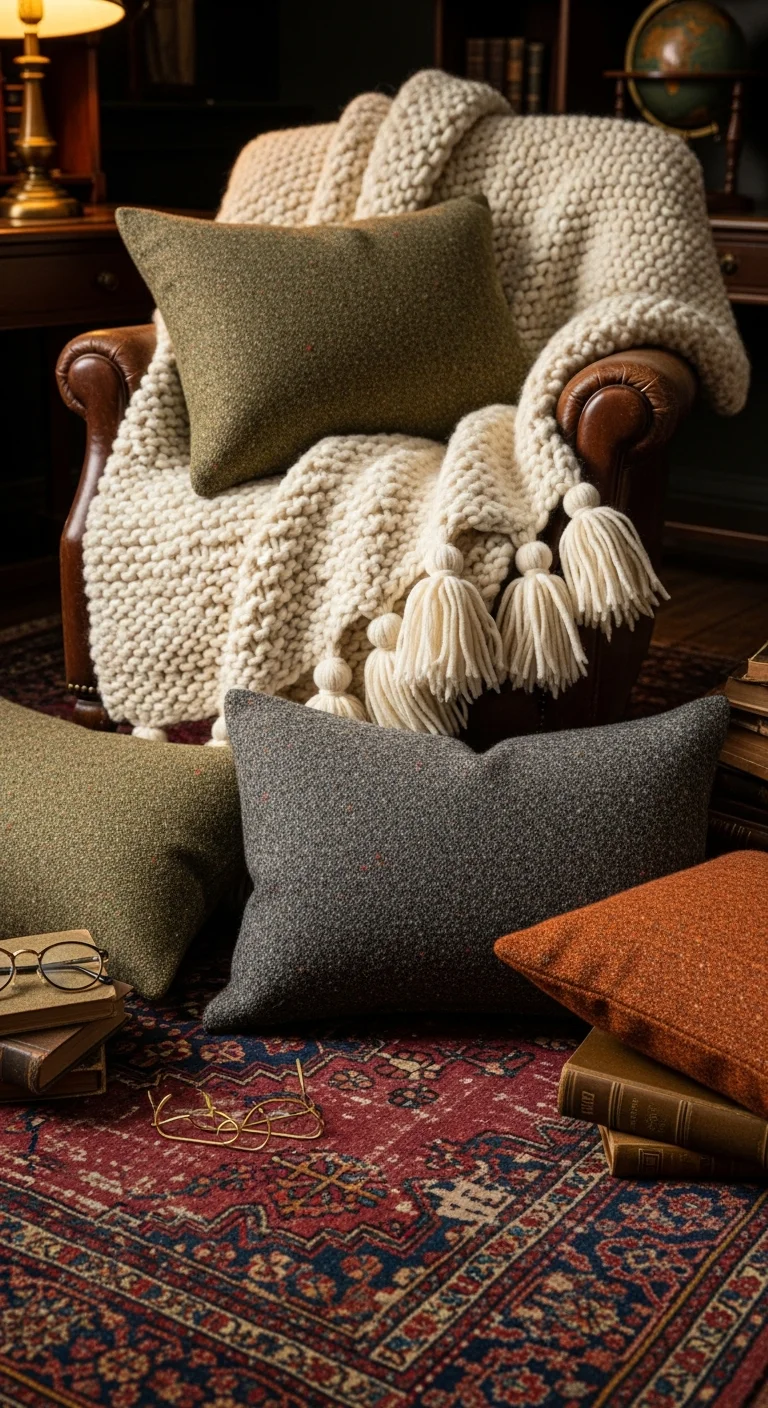
The sense of warmth and coziness is crucial, especially against the backdrop of dark colors and cold stone (or faux stone). Utilize heavy, tactile fabrics. Drape a thick wool or cable-knit throw over your armchair, and use cushions made from tweed, herringbone, or subtle tartan patterns. Rugs should be Oriental or Persian in deep, faded colors, layered sometimes for extra depth. These textiles add necessary softness, insulating the small space both visually and physically for those long nights studying ancient texts.
Gothic Architectural Details
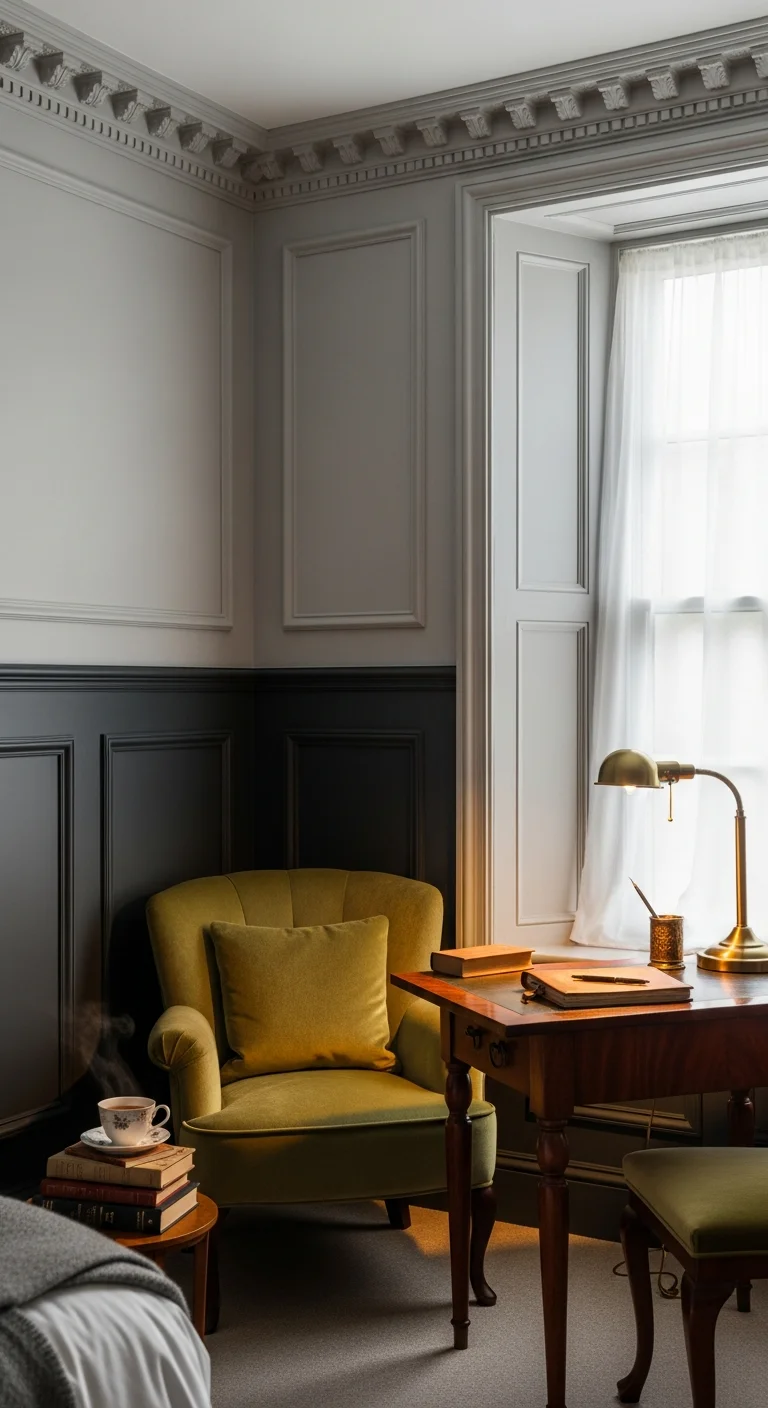
If you live in a modern home, you can incorporate Dark Academia architecture through simple additions. Install DIY picture frame molding, wainscoting, or even faux fireplace mantels painted in a deep shade. Use dark wood stain on window casings to create contrast. These details provide structural elegance and mimic the stately interiors of historical universities and libraries. Even a simple change in baseboards to a more ornate profile can significantly elevate a small reading nook’s authenticity.
Heavy Drapery and Window Treatments
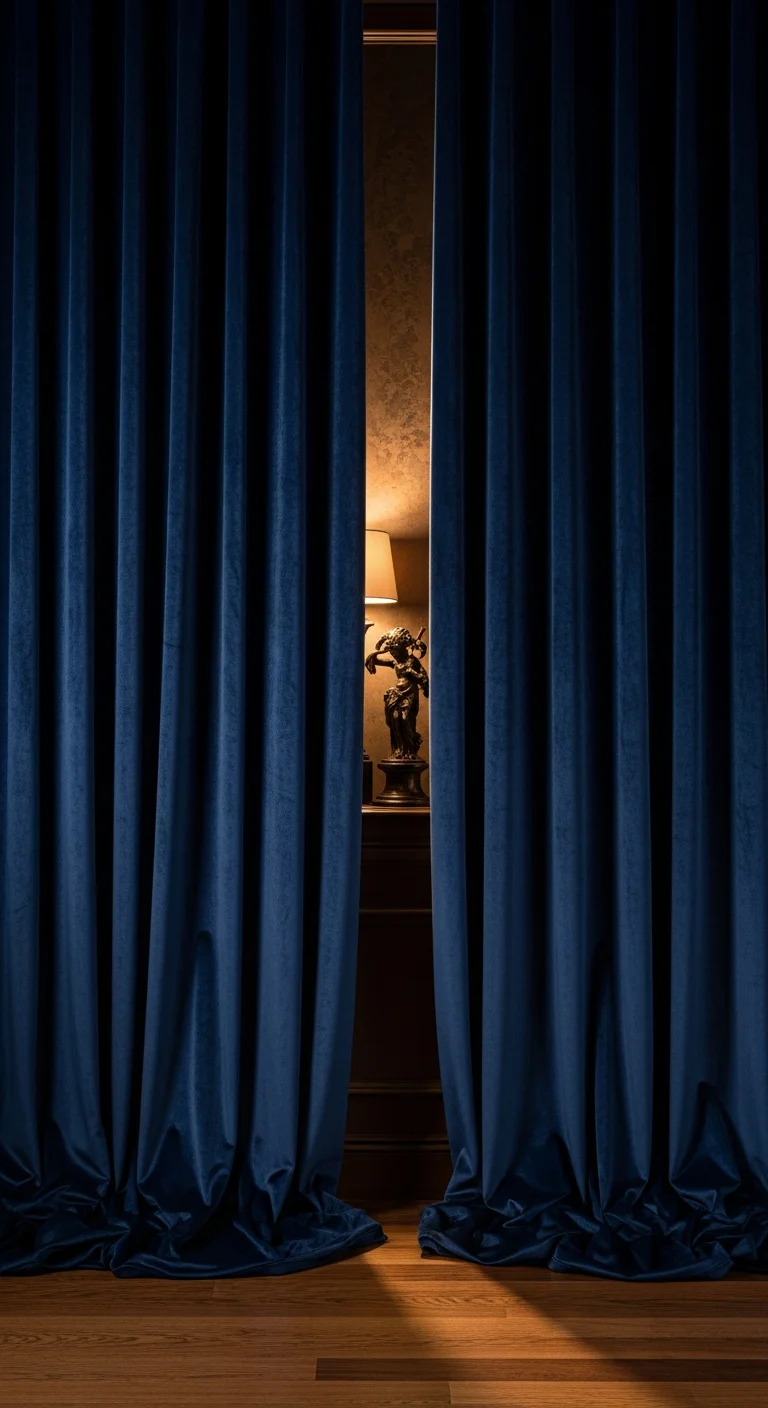
Windows should be dressed dramatically to enhance the feeling of privacy and weight. Choose floor-length curtains in heavy velvet or thick linen, selecting colors that match or complement your wall color (e.g., deep burgundy or black). During the day, draw them back to maximize natural light, but allow them to pool slightly on the floor when closed. This slight puddling effect adds a sense of opulence and age, suggesting that the curtains have been hanging there for decades.
Antiquarian Maps and Scientific Prints
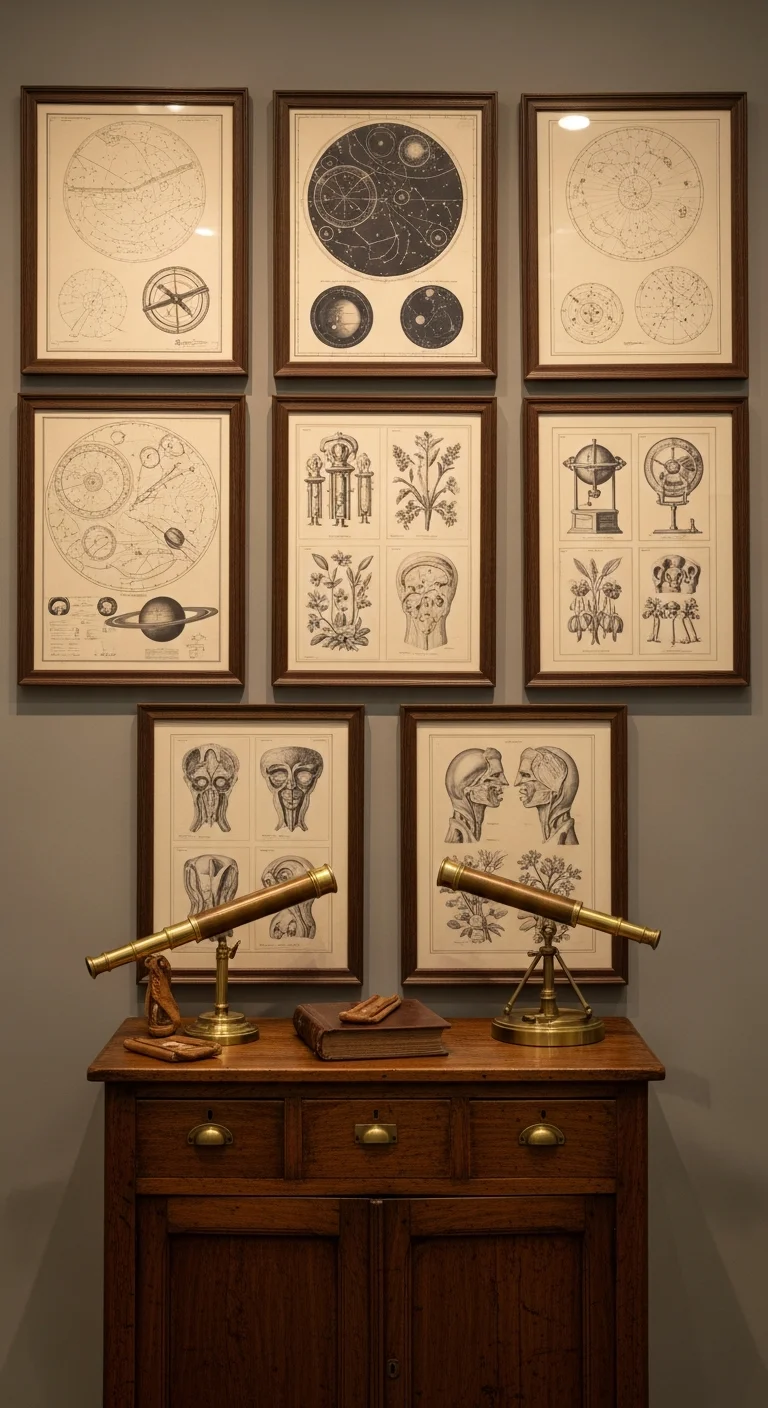
Beyond classical paintings, incorporate educational and geographical wall decor. Old astronomical charts, detailed botanical illustrations, or sepia-toned world maps communicate a love for knowledge and exploration. Frame these in thin, matte black frames or simple dark wood. Avoid modern glossy prints. The goal is to make the room feel like the personal study of a 19th-century academic, obsessed with cataloging the known world and its historical context.
Botanical Accents: Dried Flowers and Herbs
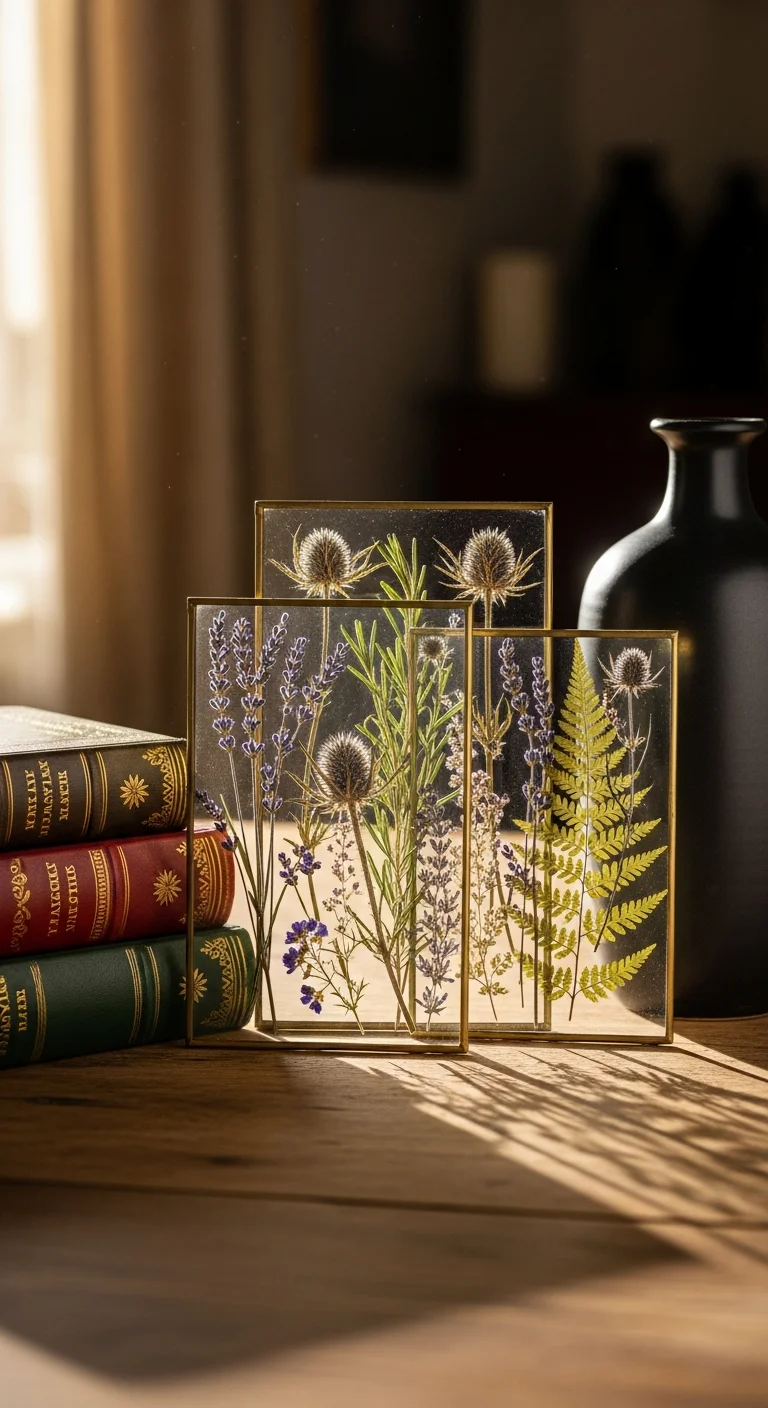
While Dark Academia isn’t overly flowery, it appreciates the preservation of nature. Use dried florals rather than fresh ones—think bundles of dried lavender, pressed ferns, or thistles arranged in dark ceramic or tarnished silver vases. Avoid bright greens. This detail symbolizes preservation and the study of the natural world, reinforcing the scholarly environment. A small terrarium featuring slow-growing mosses or air plants can also add a touch of low-maintenance, dark naturalism to the corner.
Patina, Rust, and Worn Finishes
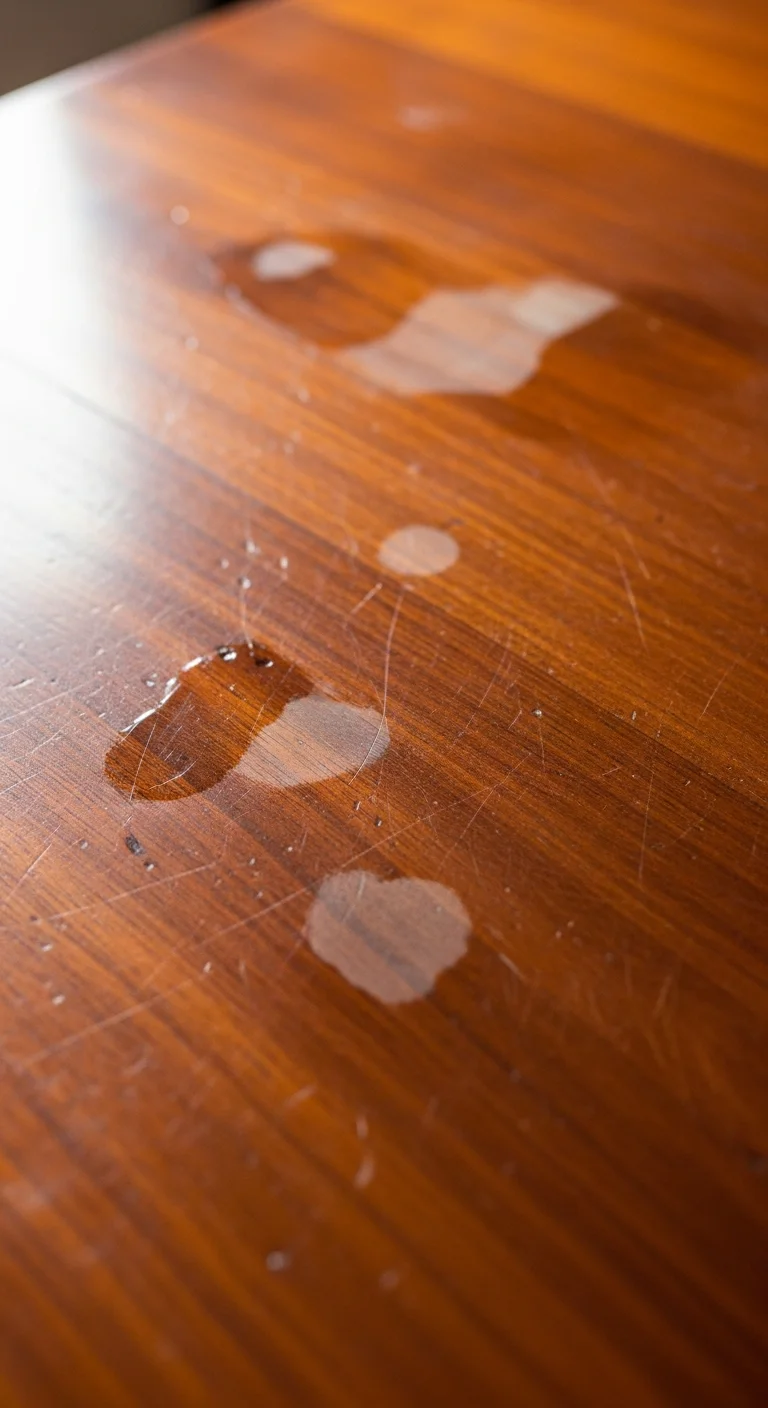
Authenticity is key. New, gleaming furniture feels wrong here. Seek out items with natural wear, scratches, watermarks, and tarnished metals. The style celebrates visible history. Even if you incorporate some modern, space-saving pieces, you must treat them to appear aged. This reverence for age means recognizing the beauty in imperfection, a necessary concept when you utilize small spaces. Learning 13 Minimalist Decor Tips for Small Rooms often involves choosing quality pieces that age well, rather than fast, modern furniture.
Mood Setting: Candles and Scents
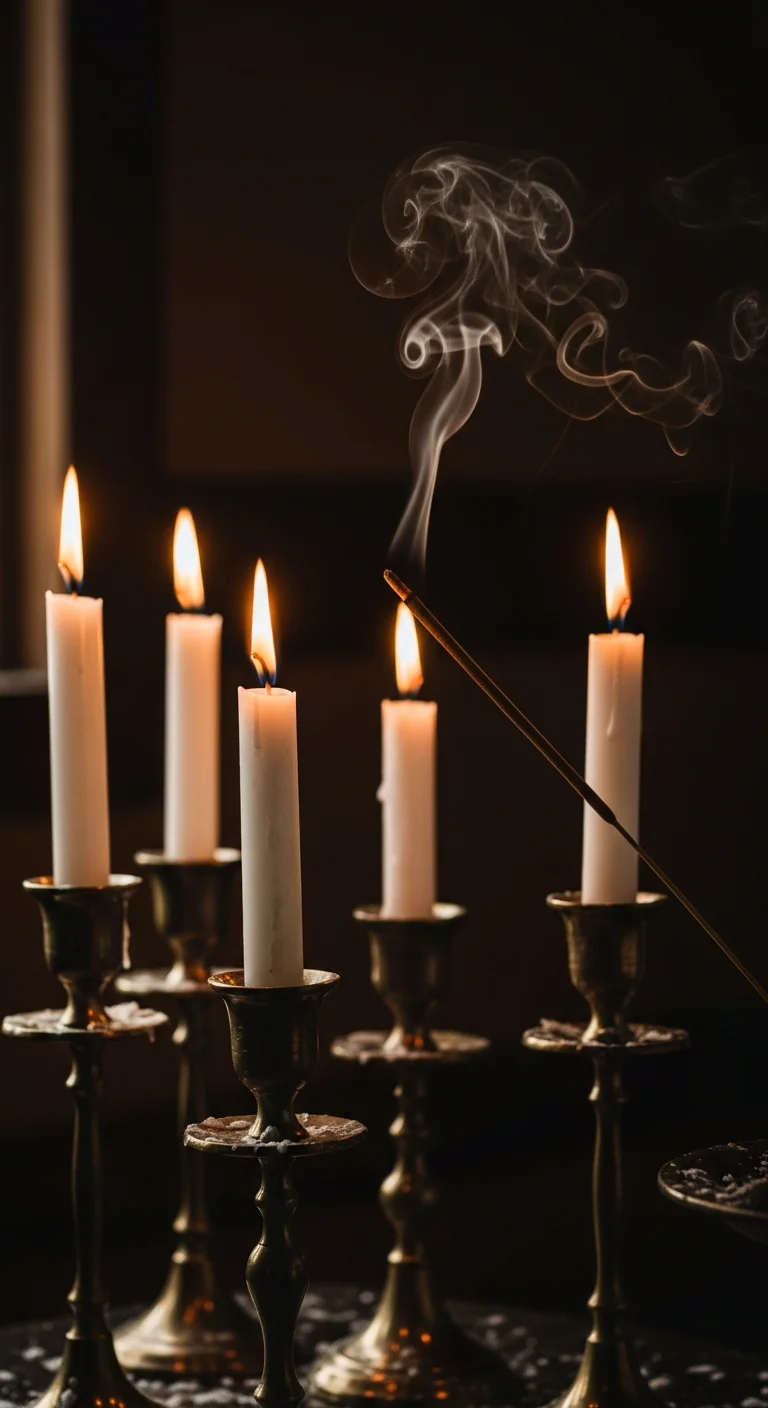
The final layer is the atmosphere achieved through scent and flickering light. Use unscented taper candles in tarnished brass holders, allowing the wax to drip dramatically. For scents, prioritize rich, evocative notes like leather, pipe tobacco, sandalwood, cedar, or old parchment. Never use bright, airy florals. These sensory details are vital for creating that deeply immersive, cozy feeling that transports you instantly to a secluded university library on a cool evening, closing your nook off from the modern world.