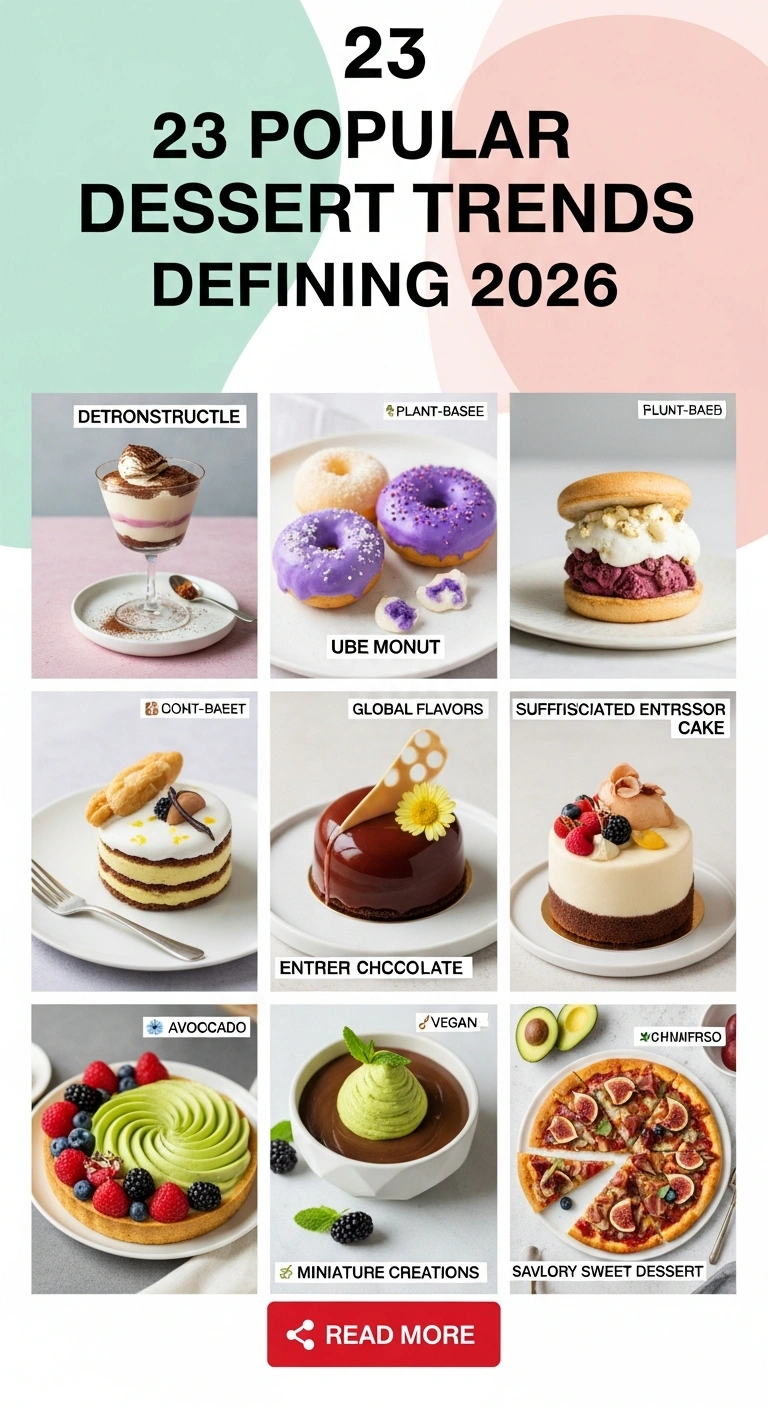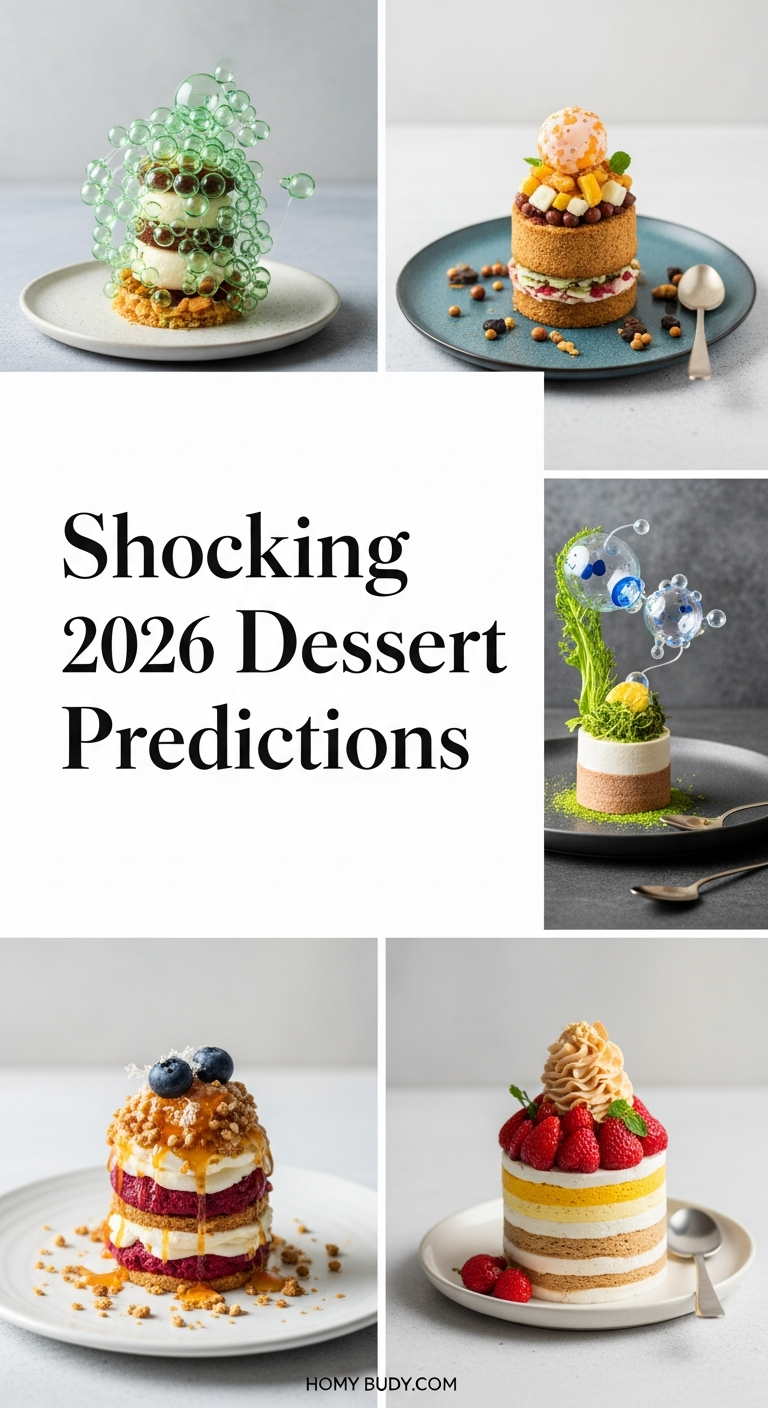
The dessert landscape is rapidly evolving, driven by innovations in sustainability, technology, and a renewed focus on functional health. As we look ahead to 2026, we anticipate a seismic shift away from simple sugar bombs toward complex, experiential, and ethically sourced sweet treats. This is not just about what tastes good, but what makes us feel good, both physically and environmentally. Prepare your palate for a journey into the future, where AI influences flavor pairings and adaptogens become as common as vanilla.
Hyper-Local Ingredient Focus
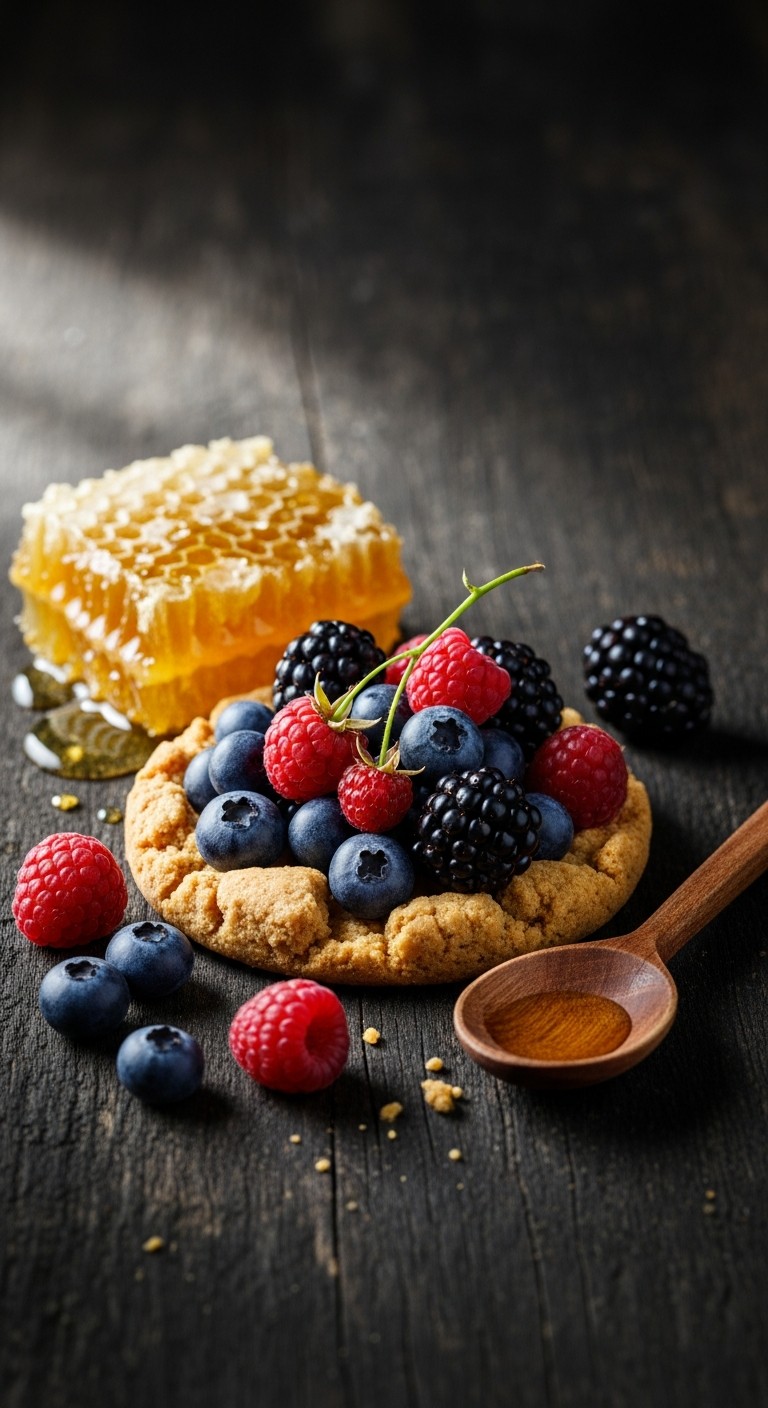
In 2026, chefs will double down on sourcing ingredients from within a 50-mile radius, moving beyond farm-to-table to hyper-local foraging and community gardens. This trend emphasizes unique terroir, resulting in desserts that are intrinsically tied to a specific geographical location, celebrating rare native berries, regional honey varietals, and heirloom nuts that cannot be found anywhere else. Consumers are increasingly seeking stories and authenticity in their food, making the provenance of every component crucial to the dessert’s narrative.
This commitment to locality also drives innovation in preservation techniques, allowing pastry chefs to utilize peak-season ingredients year-round through specialized fermentation, sun-drying, and flash-freezing methods. Expect to see desserts named not just by their components, but by the farm or even the specific microclimate where the primary flavor was harvested, turning each sweet bite into an edible map.
The Rise of Savory Dessert Profiles
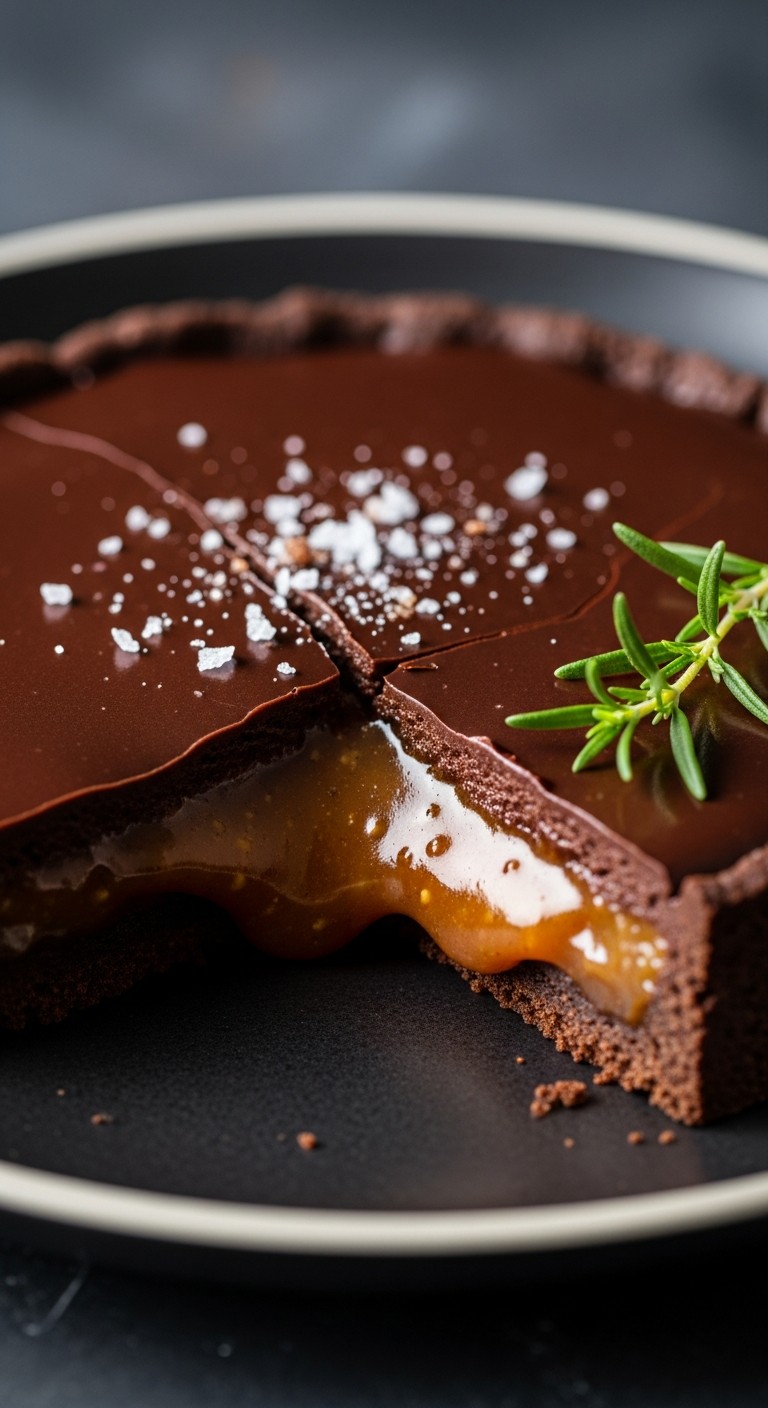
The clear line between savory and sweet is dissolving. 2026 will see desserts incorporating robust, umami-rich elements like aged cheeses, smoked salts, olive oil, and even vegetable purees in surprising ways. Think black garlic ice cream, miso caramel tarts, or parsnip cake with rosemary frosting. These complex profiles appeal to a sophisticated palate tired of overly sweet confections, offering balance and depth previously reserved for main courses.
This integration requires careful balancing, utilizing sweetness to enhance, rather than overwhelm, the savory core. Chefs are experimenting with textures—crispy cheese tuiles or crunchy fried herbs—to add another layer of complexity to traditionally soft desserts, creating an intriguing, multi-sensory experience that challenges conventional dessert expectations.
Molecular Gastronomy Meets Comfort Food
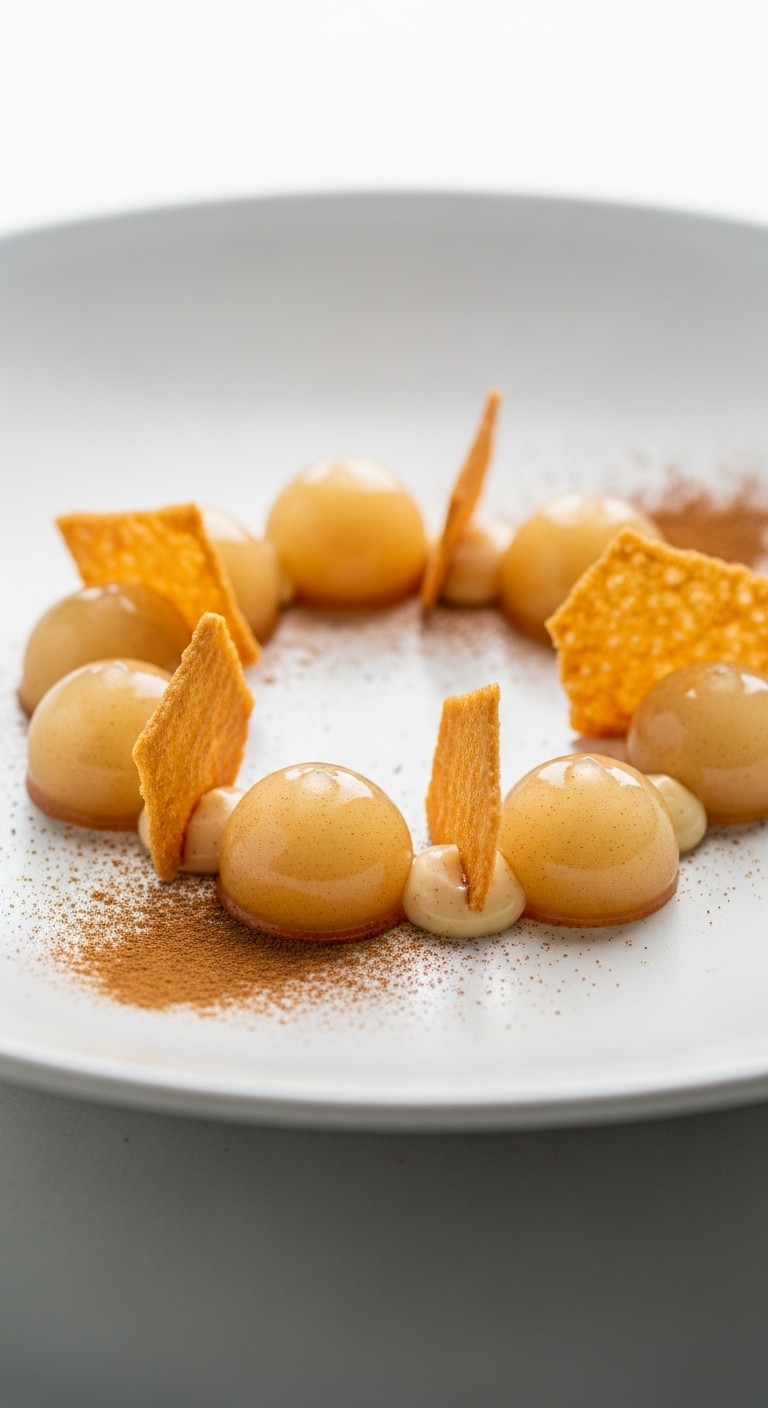
While molecular gastronomy once felt intimidatingly scientific, 2026 sees these techniques applied to nostalgic comfort foods, making them playful and accessible. Imagine a deconstructed s’more where the marshmallow is a smoke-infused air foam and the chocolate ganache is encapsulated in an edible sphere, or a lemon meringue pie reimagined as stable lemon ‘caviar’ and meringue shards. This fusion offers diners the familiarity of classic flavors delivered through surprising, modern textures.
The goal is to elevate the dining experience by introducing an element of surprise without sacrificing the emotional connection people have to comfort desserts. These creations are highly Instagrammable, combining the visual appeal of scientific precision with the heartwarming essence of grandmother’s recipes, bridging the gap between high-art plating and nostalgic flavor.
Sustainable Sweeteners Revolution
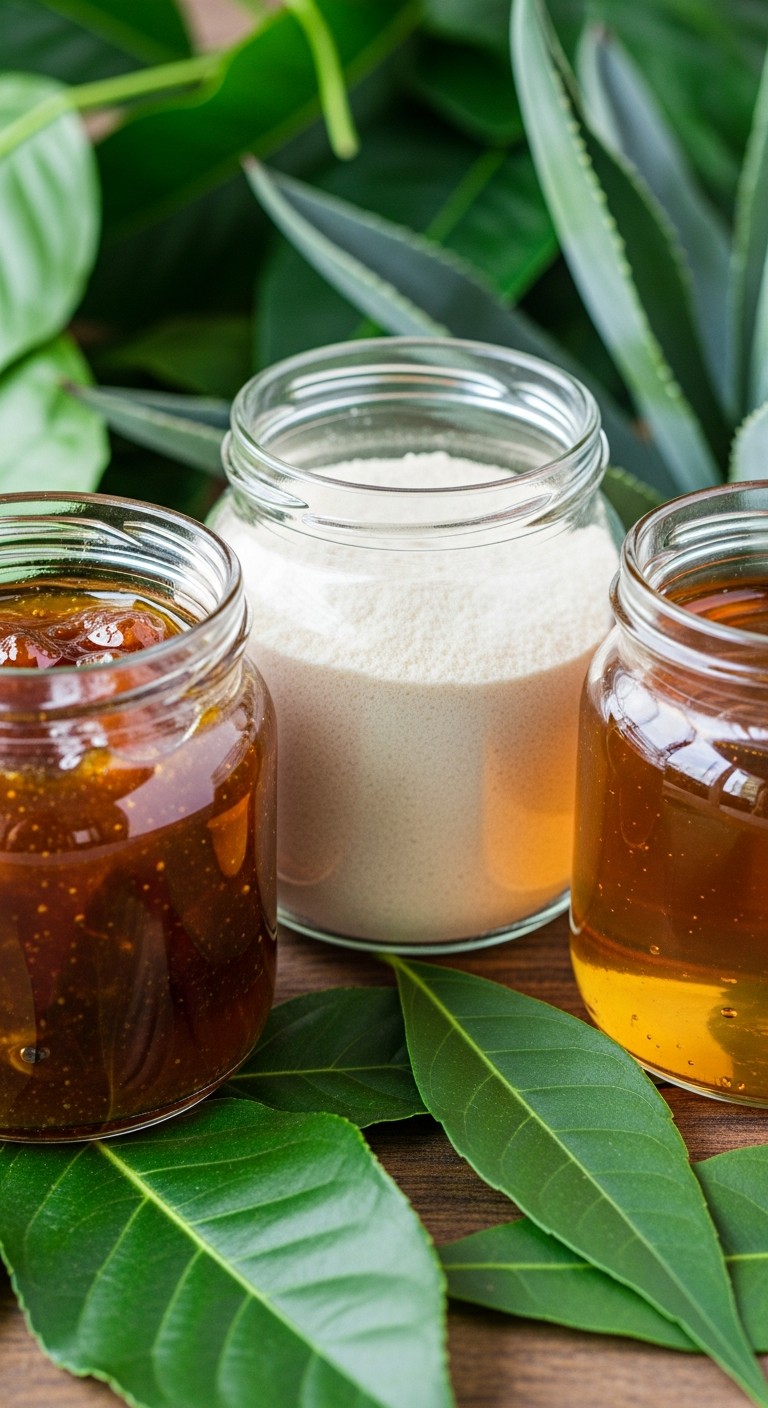
The scrutiny on processed sugar continues, driving demand for innovative, sustainable, and less impactful sweeteners. 2026 will popularize alternatives derived from fruits and roots like date syrup, monk fruit, allulose, and even sweet potato nectar, chosen not just for lower caloric counts, but for their minimal environmental footprint and potential prebiotic benefits. The focus shifts from simple replacement to utilizing the unique flavor profiles these sweeteners offer.
Chefs are learning to formulate entire dessert lines around the inherent flavors of these natural substitutes. For example, date syrup lends a deep, molasses-like richness, while monk fruit provides intense sweetness without the bulk, requiring careful reformulation of classic baking ratios. This revolution prioritizes ingredients that are better for both human and planetary health.
Personalized Nutritional Desserts (Nootropics)
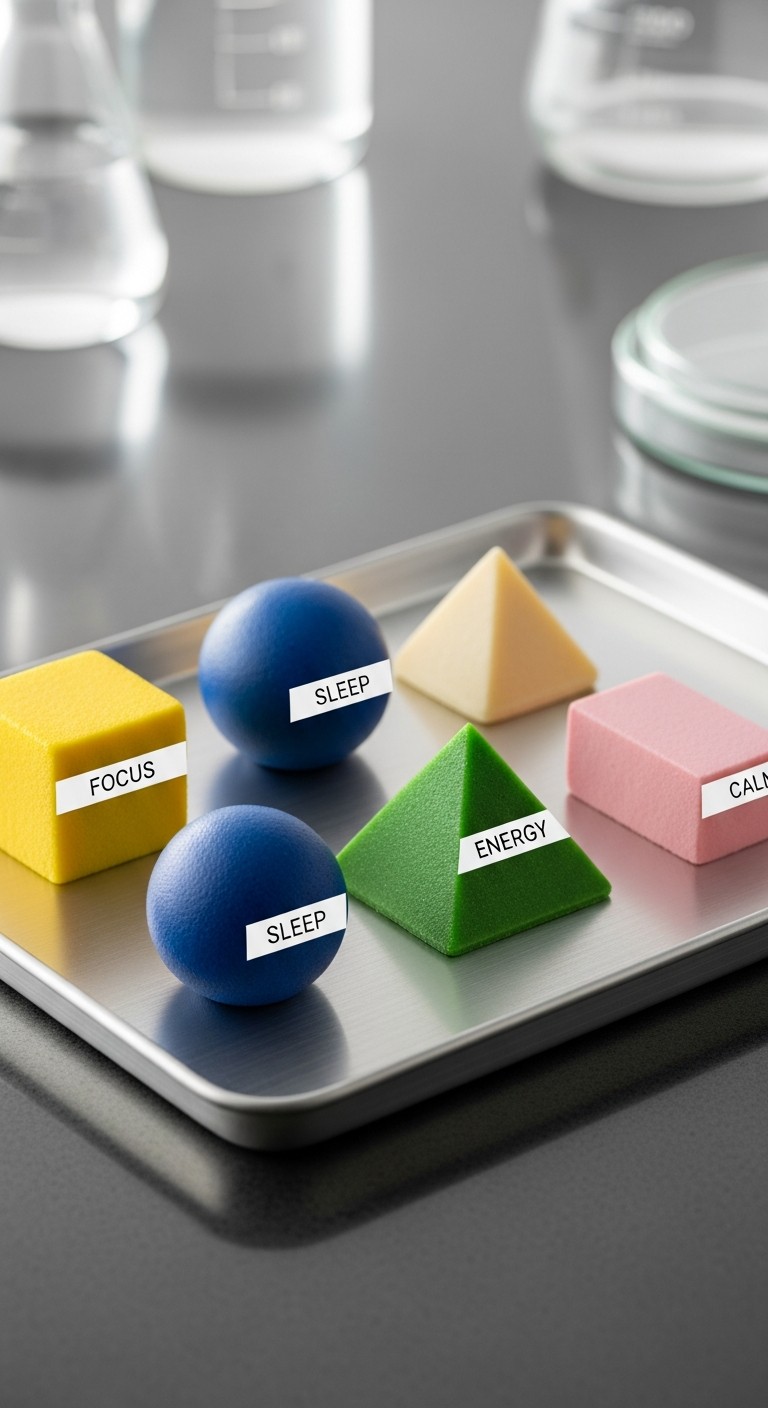
The future of dessert is customized functionality. Utilizing DNA analysis or lifestyle tracking data, companies will offer bespoke dessert formulations aimed at improving sleep, boosting cognitive function, or enhancing mood. These ‘nootropic desserts’ might contain specific ratios of amino acids, B vitamins, or targeted antioxidants, turning a sweet treat into a daily health supplement disguised as indulgence.
This trend relies heavily on precision ingredients and specialized production methods, moving beyond simple ‘healthy’ tags to scientifically tailored outcomes. Consumers will select desserts based on desired benefits—a ‘Focus Brownie’ for work or a ‘Relaxation Tart’ before bed—making dessert consumption a calculated part of a wellness routine rather than a cheat meal.
3D-Printed Edible Artistry
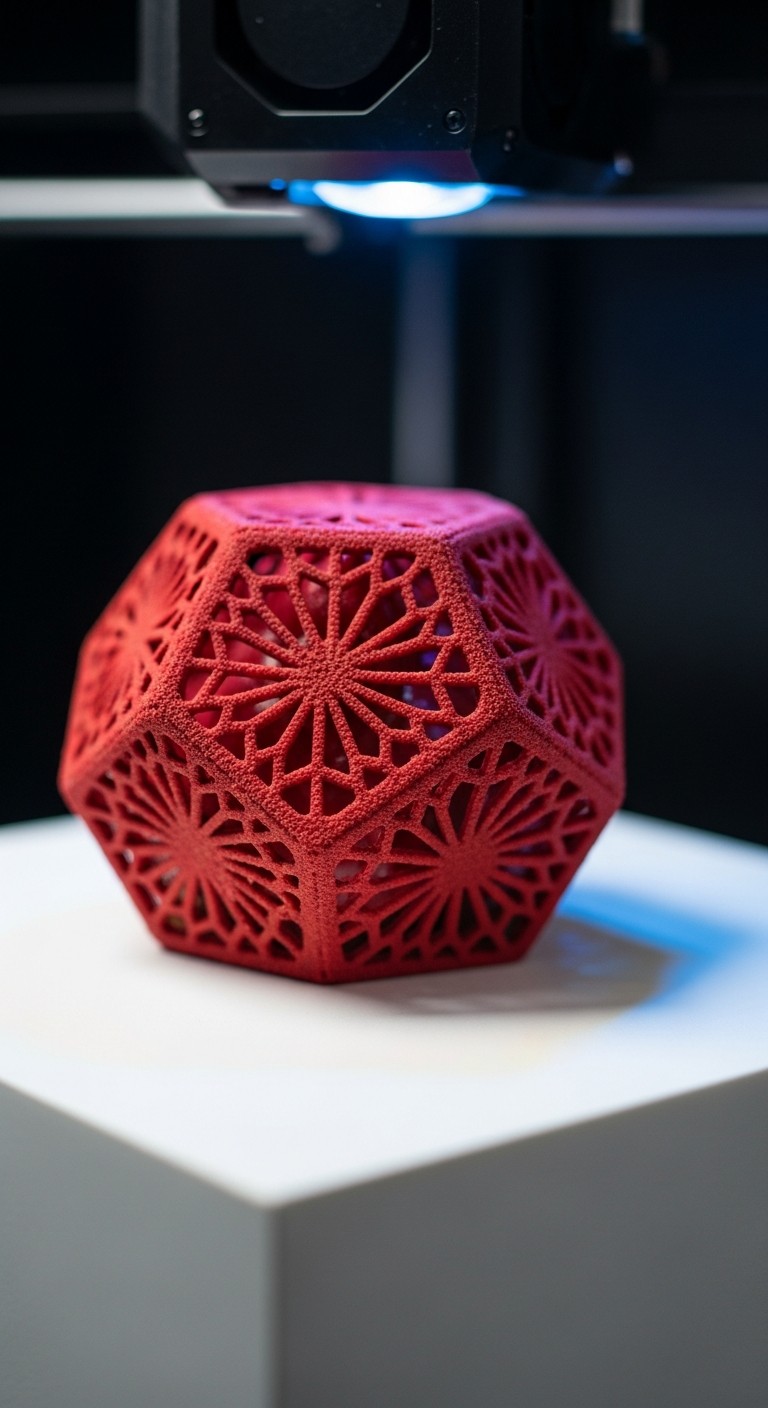
3D printing technology has matured, allowing for intricate, complex geometric structures and personalized shapes previously impossible to achieve by hand. In 2026, this technology will move from novelty to necessity in high-end pastry, enabling chefs to print edible supports, ultra-thin chocolate lattices, or custom molds that ensure perfect, repeatable precision every time.
This advancement democratizes complex design, allowing smaller bakeries to offer highly artistic products without needing extensive manual labor or specialized skills. Furthermore, 3D printing enables customization on a massive scale, allowing consumers to order desserts printed with personalized messages, logos, or even facial profiles for events.
Fermented Flavors Take Center Stage
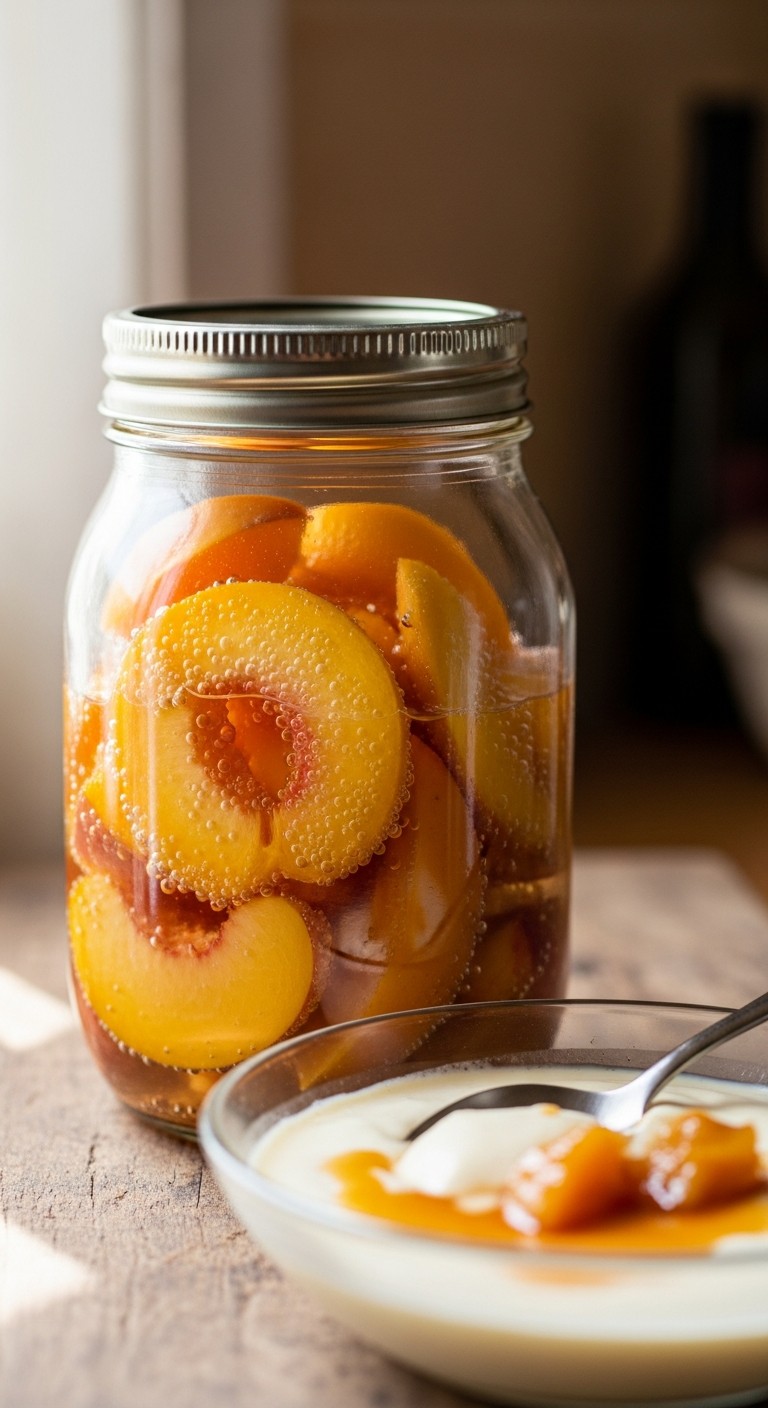
Fermentation is no longer limited to sourdough and kimchi; in 2026, it is the secret weapon for adding deep, complex, and slightly tangy notes to desserts. Think fermented fruit purees, koji-infused creams, or lacto-fermented vegetable bases that offer unexpected depth and a pleasant sourness that cuts through richness. These ingredients also carry probiotic benefits, aligning with the functional food movement.
The careful control of fermentation time allows chefs to adjust the acidity and funkiness, creating signature flavor profiles that are unique to their establishment. These fermented elements act as natural flavor enhancers, reducing the reliance on artificial extracts and adding a layer of sophisticated complexity to even simple desserts like ice cream or cheesecake.
Global Spice Fusion Desserts
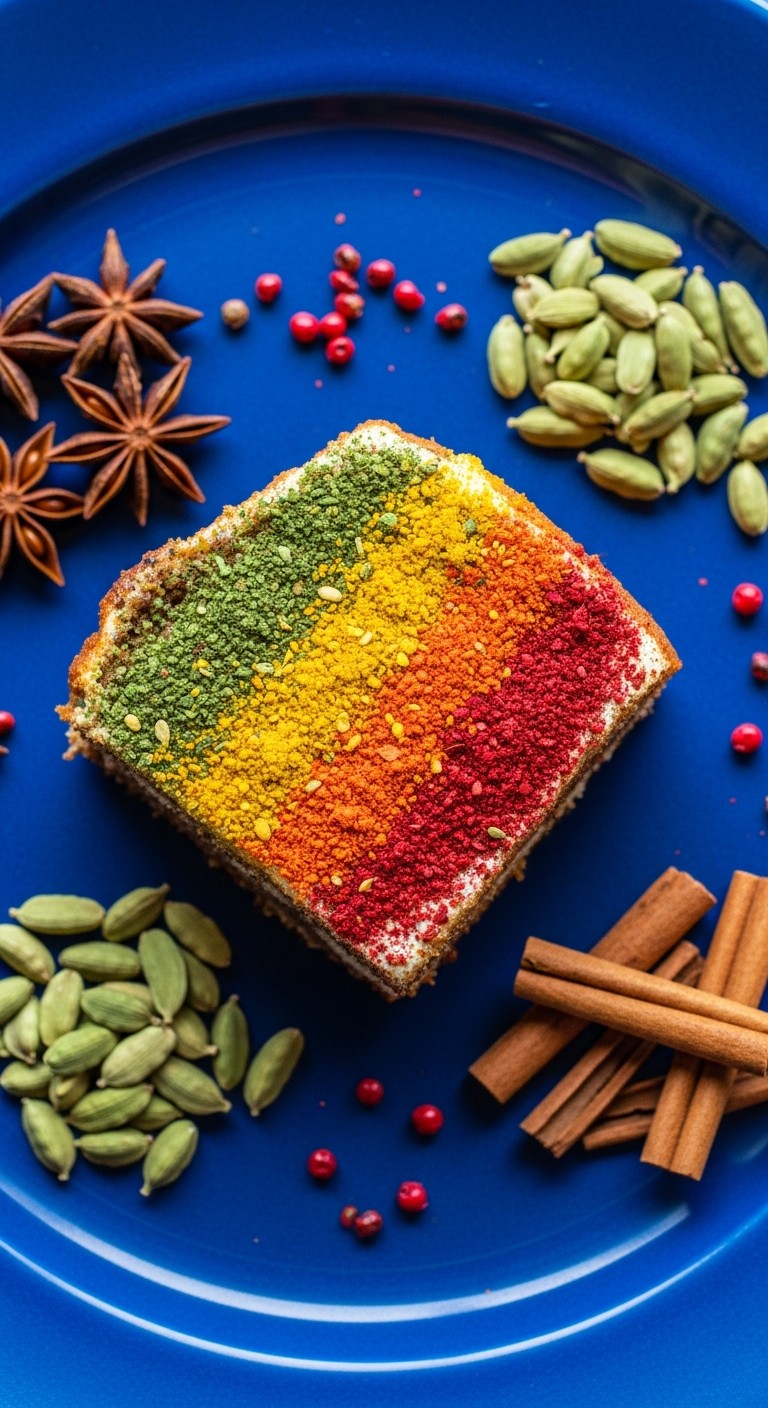
The globalization of cuisine continues, with 2026 seeing an explosion of unexpected spice combinations in desserts. Moving past cinnamon and nutmeg, chefs are embracing blends like Ethiopian Berbere, Japanese Shichimi Togarashi, or complex Indian Garam Masala in custards, cookies, and cakes. These spices introduce heat, earthiness, and aromatic complexity.
This trend challenges diners to experience familiar formats, like a chocolate mousse or a simple pound cake, through an entirely new flavor lens. The key is balance: using these powerful spice blends judiciously to create warmth and complexity without overwhelming the delicate sweetness of the dessert base, resulting in unforgettable and globally inspired flavors.
Read Also:Perfect Basic Butter Cookies: Recipe & Shaping Guide
Zero-Waste Pastry Kitchens
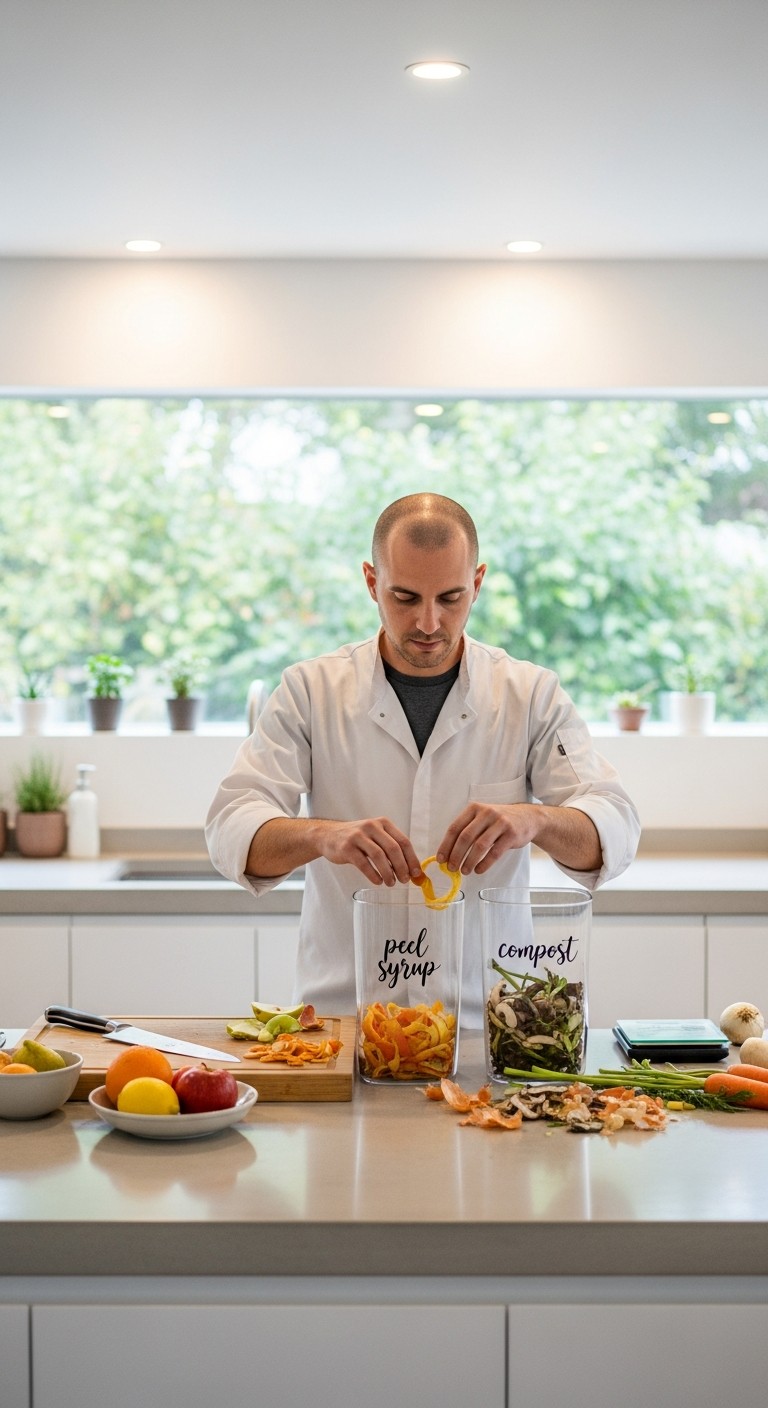
Sustainability demands that pastry kitchens operate with zero waste, a trend that becomes mandatory in 2026. This means creatively utilizing every part of an ingredient, from fruit peels and pits to coffee grounds and spent grains. For instance, citrus peels are candied or used for pectin, avocado pits are dried and ground into flour, and stale bread becomes the base for complex, fermented bread puddings.
This commitment forces chefs to think creatively about ingredient utility, leading to unique flavor pairings and textural innovations. Not only does this practice reduce environmental impact, but it also lowers operational costs and creates a powerful ethical marketing message that resonates deeply with environmentally conscious consumers.
Adaptogenic Mushroom Infusions
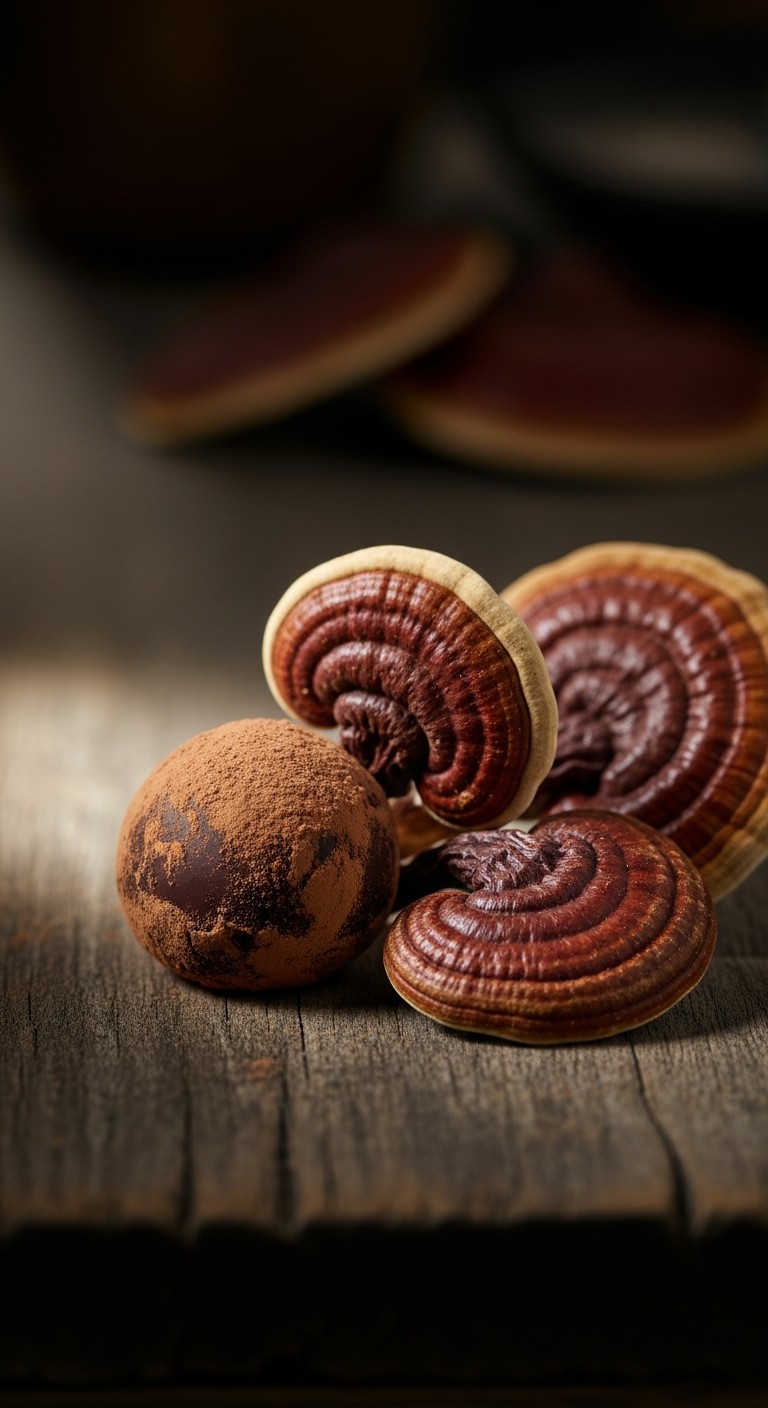
Mushrooms like Reishi, Lion’s Mane, and Cordyceps, known for their stress-reducing and cognitive-boosting properties, will become common additions to high-end desserts in 2026. These adaptogens are subtly incorporated into chocolate bars, caramels, and creamy puddings, offering a functional benefit alongside the indulgence. The earthy, sometimes bitter notes of the mushrooms are expertly masked or complemented by strong flavors like dark chocolate or coffee.
This trend is driven by consumers seeking ‘stealth health’—wellness benefits integrated into daily pleasures. Specialized extraction methods ensure maximum potency without gritty texture, appealing to the health-conscious consumer who refuses to compromise on taste or luxury.
Plant-Based Dairy Alternatives 2.0
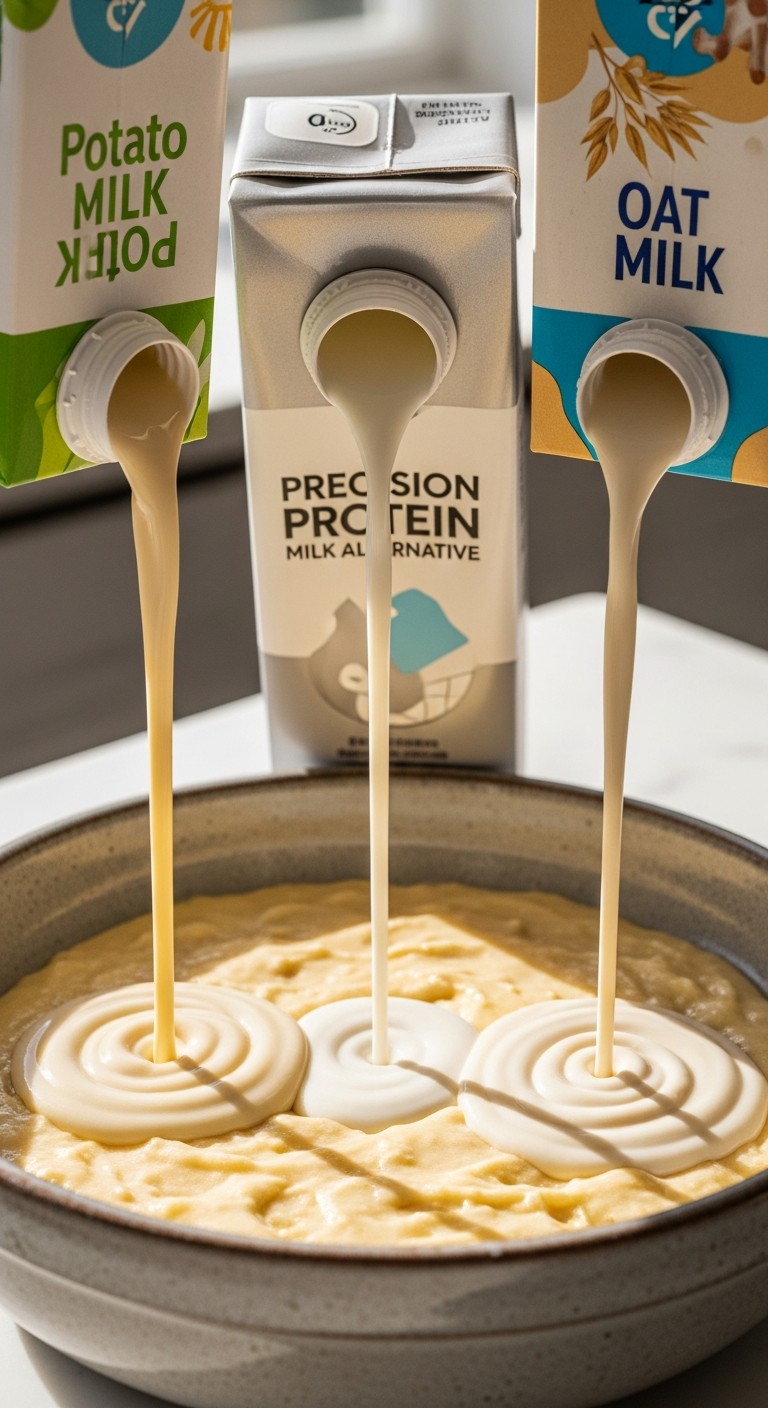
The next generation of plant-based dairy in 2026 moves far beyond standard oat and almond milks. Innovations focus on creating alternatives with superior texture and neutral flavor profiles, often utilizing regenerative crops like precision-fermented proteins, potato milk, or specialized blends of legumes. These new bases mimic the richness and mouthfeel of traditional cream and butter with unprecedented accuracy.
This allows pastry chefs to create vegan versions of notoriously difficult desserts, such as perfect French patisserie or ultra-creamy ice creams, without the typical textural trade-offs. The focus is on clean labels, minimal processing, and environmental performance, making plant-based desserts indistinguishable from their dairy counterparts.
Single-Origin Chocolate Exploration
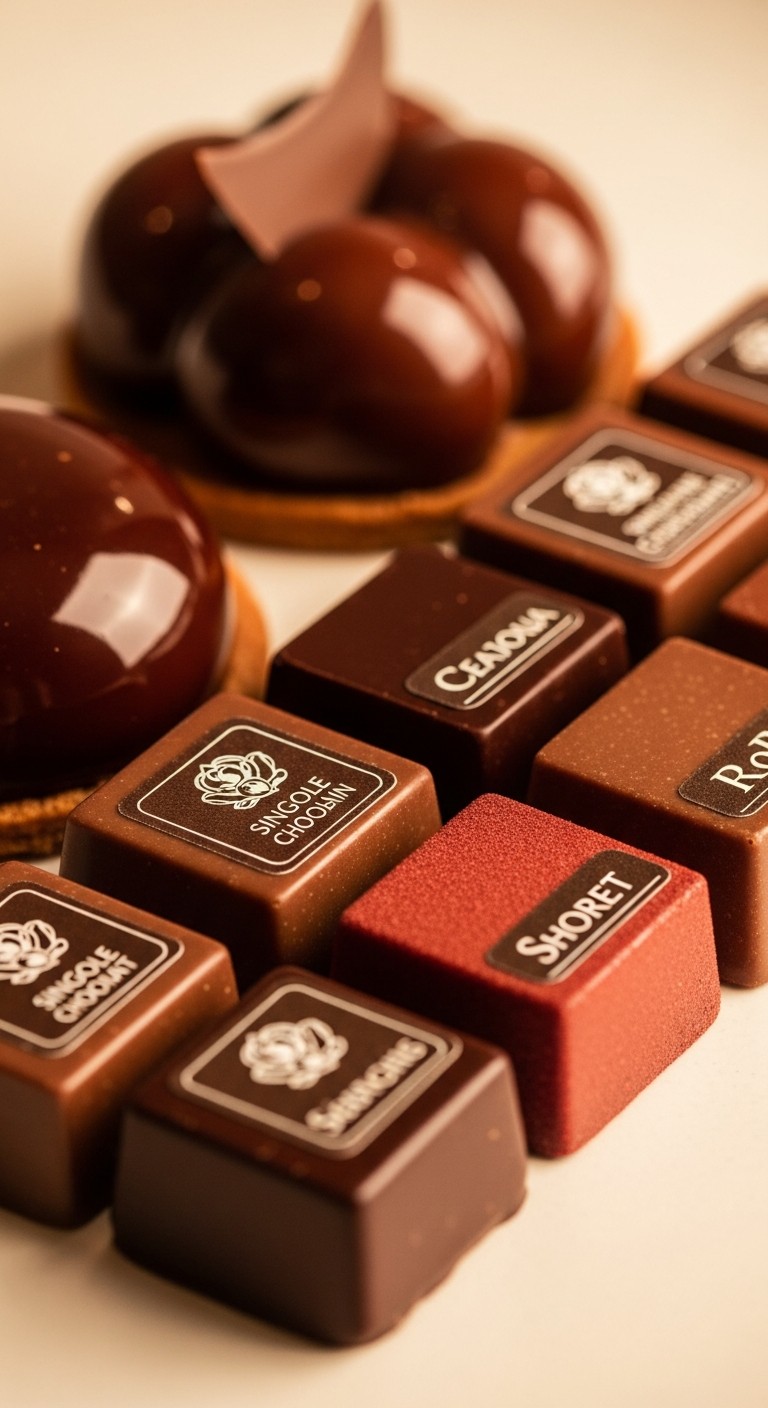
Much like coffee and wine, chocolate sourcing will become hyper-specific. Consumers in 2026 will demand transparency regarding the specific cacao farm, bean varietal, and fermentation process used. Desserts will highlight the unique tasting notes—be they fruity, smoky, or earthy—of single-origin chocolates from specific regions like Madagascar, Peru, or Vietnam, moving past generic ‘dark chocolate’ labeling.
This trend encourages a deeper appreciation for the complex agricultural process behind chocolate. Pastry chefs will act as flavor educators, choosing specific cocoa profiles to complement other dessert components, turning a simple chocolate cake into a sophisticated tasting experience that highlights the bean’s inherent characteristics.
Interactive Dessert Experiences
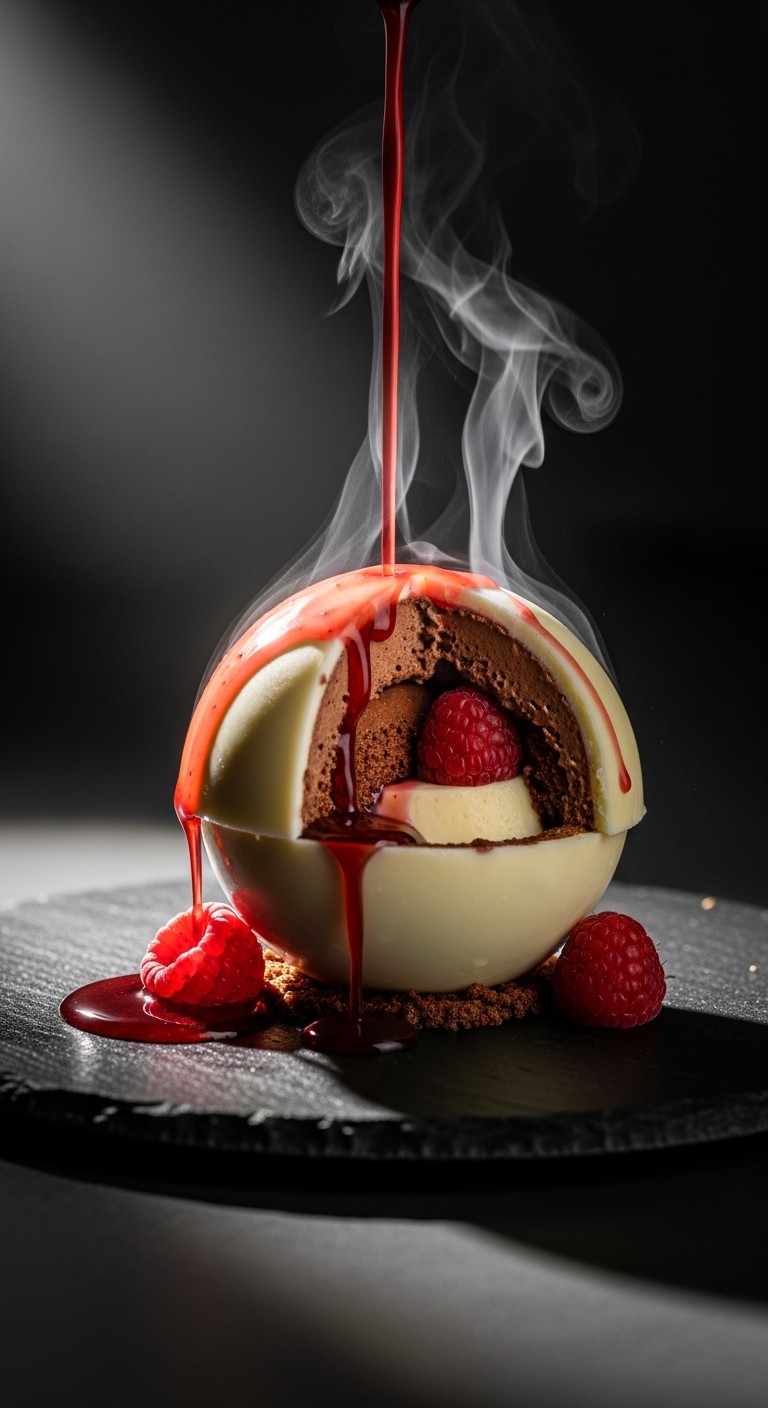
Dining is becoming theatrical, and desserts are the final act. In 2026, interactive desserts will involve the diner in the creation or transformation process at the table. This might include desserts that change color when a warm sauce is poured over them, frozen elements that shatter dramatically, or components that require assembly, providing a playful, memorable, and highly shareable moment.
This trend moves beyond simple plating to true engagement, offering a tactile and multi-sensory experience. It merges culinary artistry with performance, making the consumption of the dessert a collaborative event between the chef and the diner, perfectly suited for social media documentation.
CBD and THC Edibles (Where Legal)
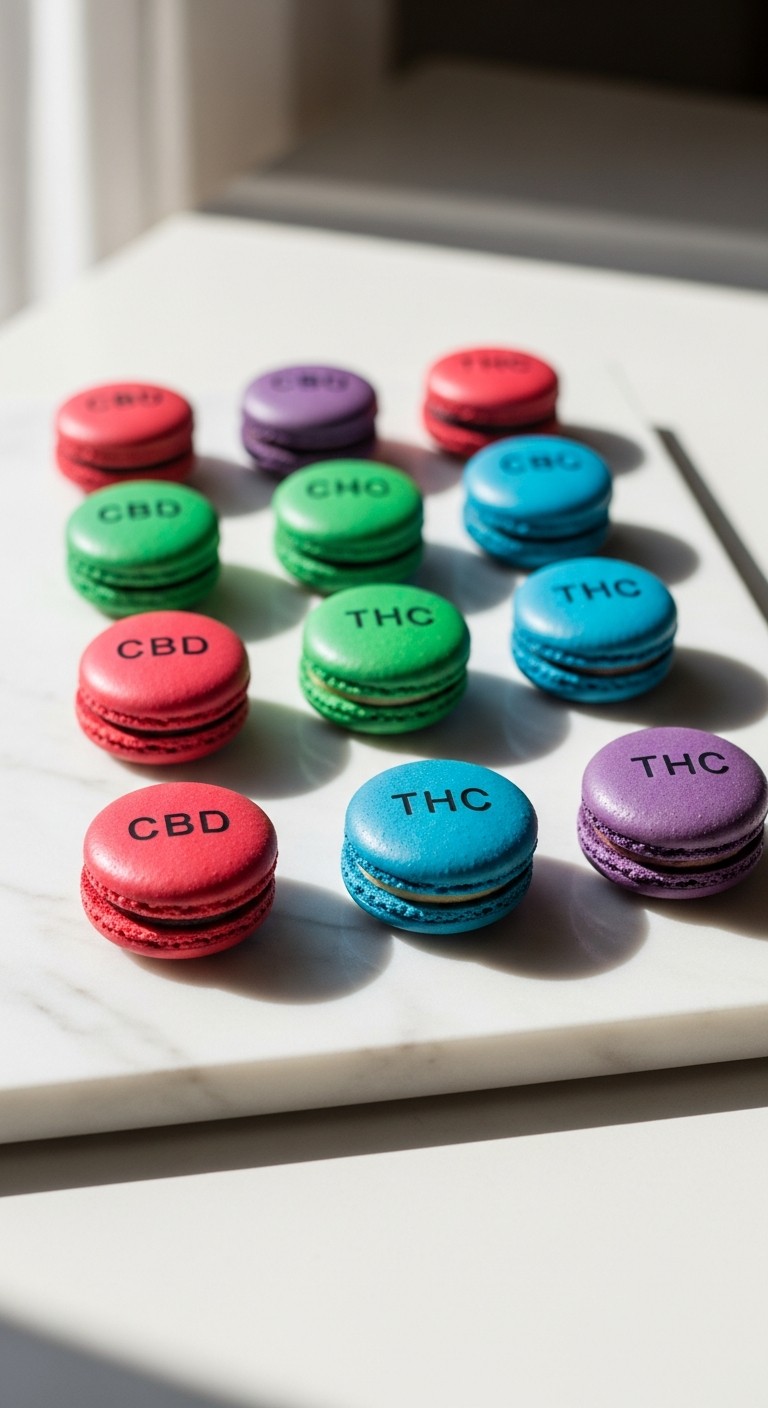
In regions where cannabis is legalized, high-end patisserie will fully integrate controlled doses of CBD and THC. These are not the basic brownies of the past, but precisely dosed, gourmet desserts like artisanal gummies, micro-dosed macarons, or infused bonbons, designed for consistent and predictable effects. The focus is on quality ingredients and sophisticated flavor profiles that mask the herbal notes of the extract.
These edibles cater to a consumer seeking relaxation or therapeutic benefits without the psychoactive effects of traditional cannabis products (in the case of CBD), or a mild, controlled experience (with THC). Precision dosing and transparent labeling are paramount, transforming the consumption of edibles into a luxurious, controlled experience.
Read Also:18 Top Christmas Decorations for a Festive Home
The Return of Vintage European Puddings
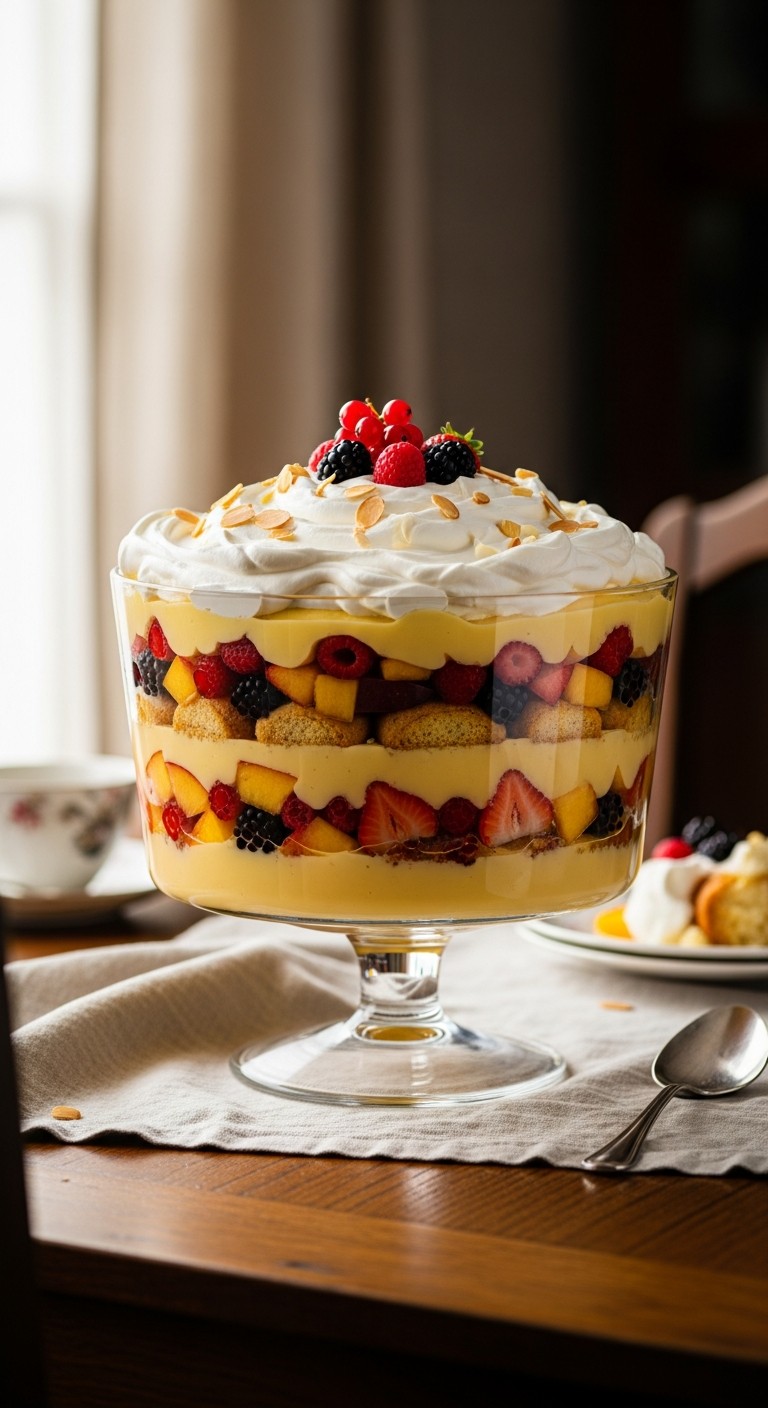
Nostalgia for hearty, comforting desserts continues, prompting a revival of rich, often labor-intensive vintage European puddings. Think sticky toffee pudding, classic English trifles, German Rote Grütze, and complex French charlottes. These dishes offer deep, slow-cooked flavors and satisfying, heavy textures that contrast with the light, airy modern desserts.
Chefs are updating these classics by using modern techniques to refine textures and reduce excessive sweetness, while maintaining the soul of the original recipes. This trend appeals to diners seeking culinary heritage and a comforting, substantial end to a meal, proving that old-school recipes still hold immense appeal.
Textural Extremes: Crunchy and Gooey
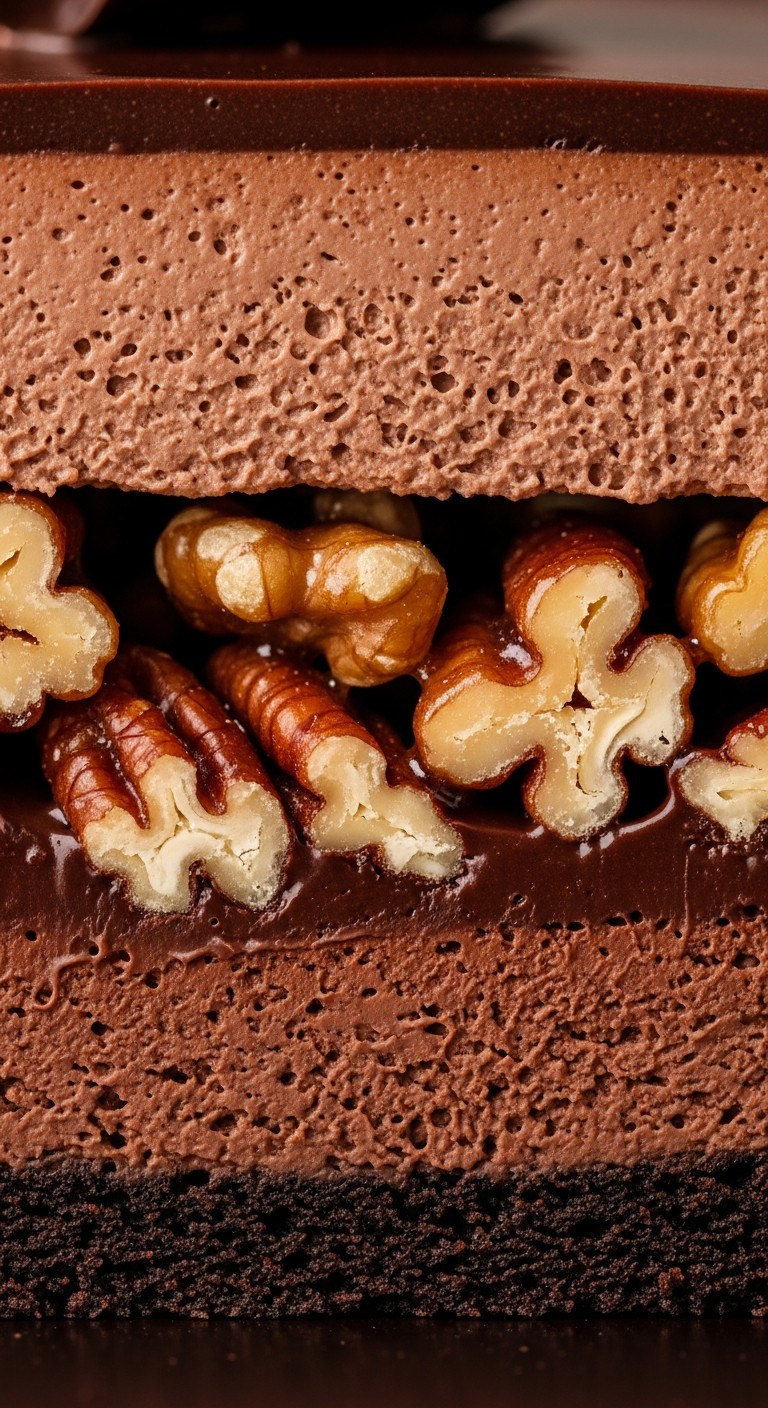
The mouthfeel of a dessert is becoming as important as its flavor. 2026 desserts will deliberately juxtapose extreme textures—ultra-crispy elements against deeply gooey centers. This means incorporating components like caramelized nuts, dehydrated fruit shards, and puffed rice into creamy custards, molten cakes, and soft mousses, creating an exciting sensory tension in every bite.
This focus on contrast elevates simple flavors, transforming a monotone dessert into a dynamic experience. Achieving this balance requires precise engineering, ensuring the crunchy elements remain crisp even when paired with moist components, leading to innovative uses of protective coatings and specialized baking techniques.
Bio-Luminescent Food Coloring
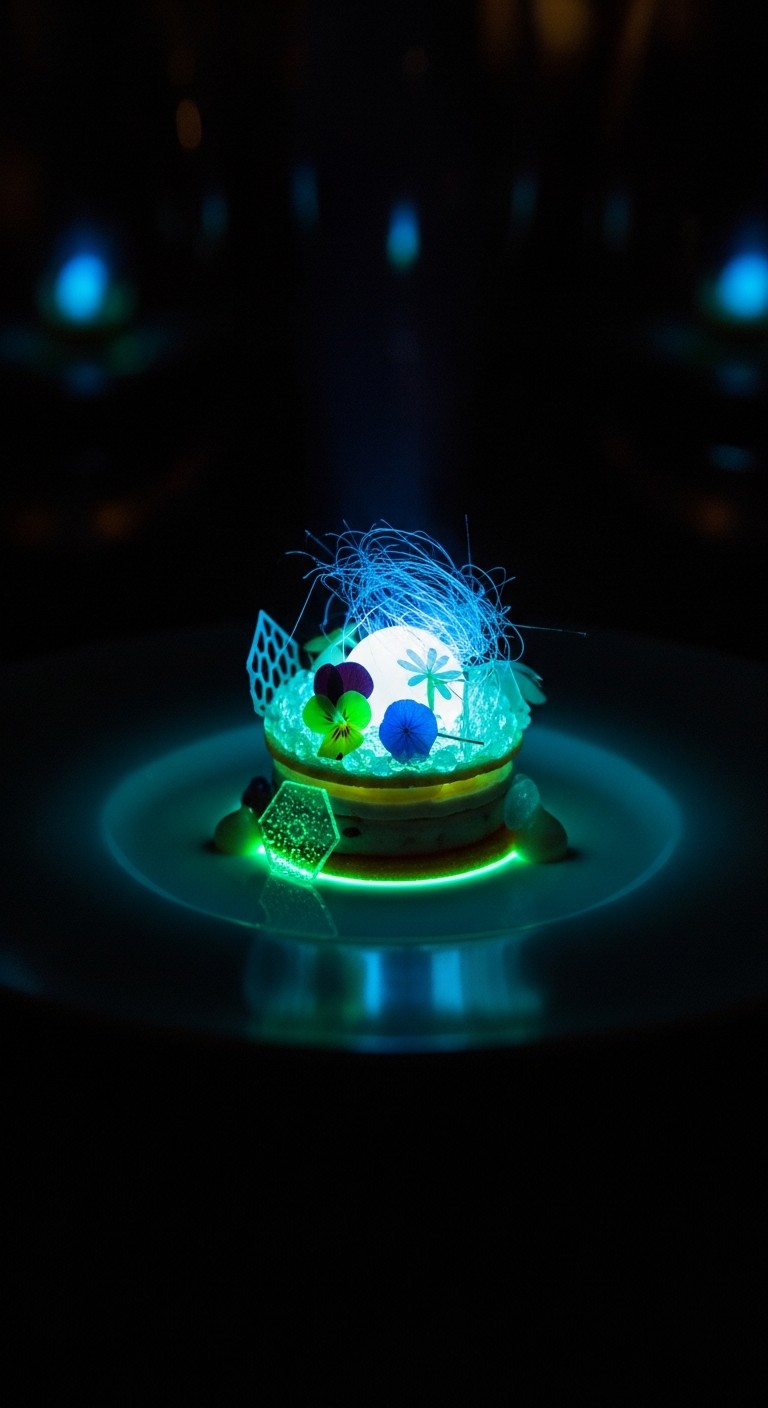
Driven by natural sources, bio-luminescent ingredients will introduce a fantastical element to desserts. Utilizing extracts from jellyfish proteins or specialized algae, chefs can create desserts that subtly glow in low light. This trend is purely experiential, designed to add wonder and visual drama, especially in high-concept dining spaces or for late-night service.
While still niche, the technology is advancing to ensure these colors are stable, tasteless, and completely safe for consumption. Imagine a cocktail dessert where the foam emits a gentle blue light, or a cake that appears to shimmer, transforming the simple act of eating into an otherworldly experience.
Desserts Inspired by Space Exploration
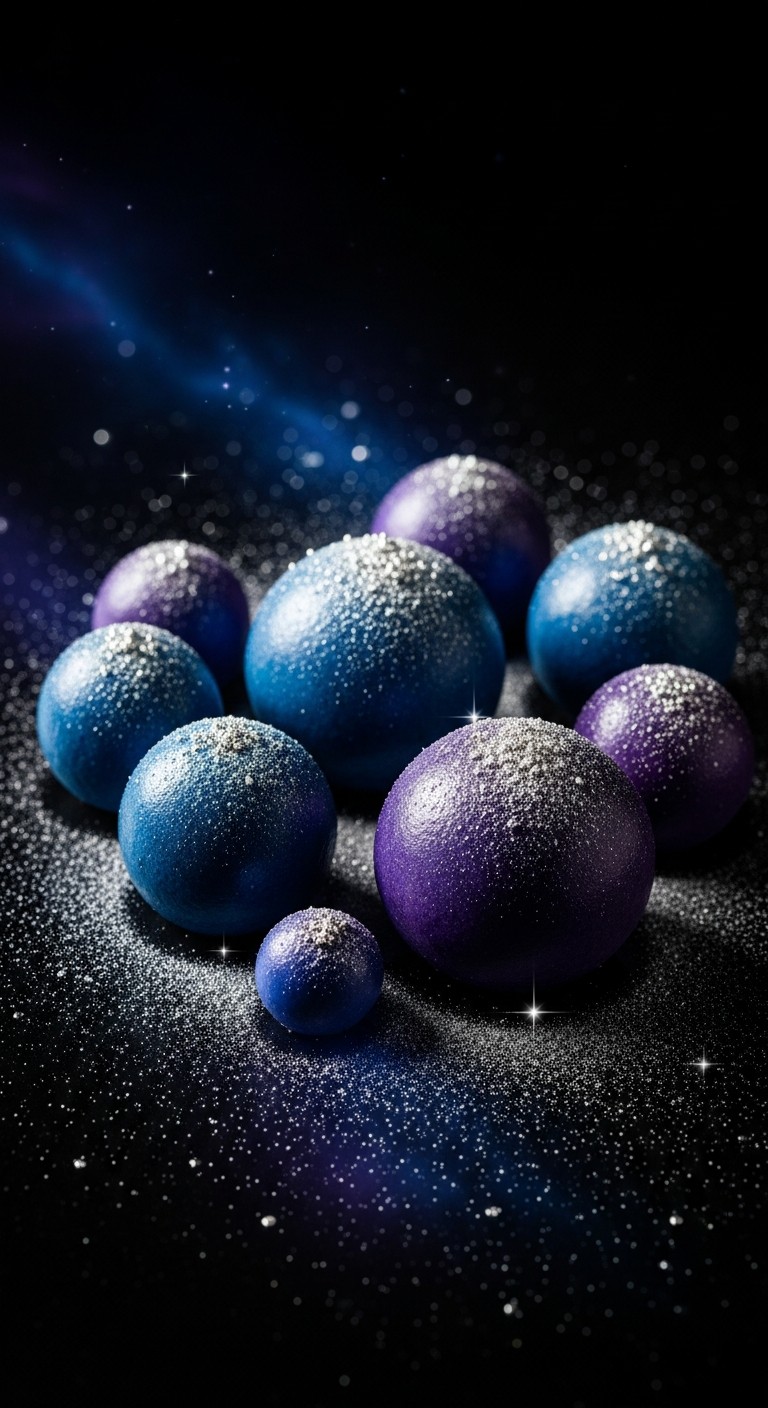
As public interest in space travel grows, so too does its influence on food design. 2026 will see desserts inspired by astronomical aesthetics, utilizing freeze-dried ingredients, spherical shapes reminiscent of planets, and color palettes mimicking nebulae and cosmic dust. Flavors often lean towards unique, earthy, or metallic notes to evoke the feeling of other worlds.
These desserts are highly conceptual, focusing on visual storytelling and unconventional textures. Think ‘moon dust’ coatings made from powdered gray meringue or ‘asteroid’ clusters of dehydrated fruit and caramelized seeds, appealing to the adventurous and science-minded consumer.
High-Protein Recovery Sweets
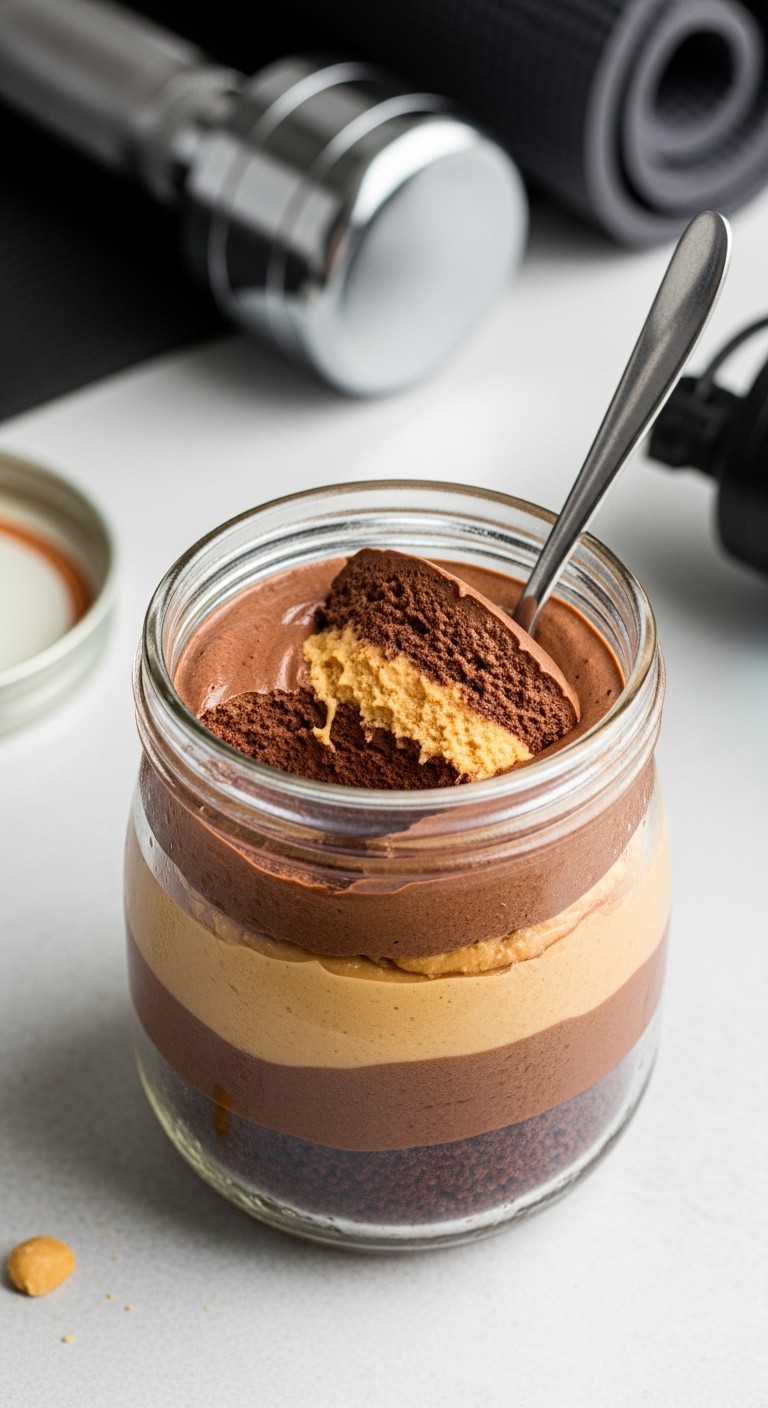
Dessert is merging with sports nutrition. 2026 will see a surge in high-protein desserts designed for post-workout recovery, utilizing whey isolates, collagen peptides, and plant proteins like pea or rice. These sweets are formulated to deliver necessary amino acids while satisfying a craving, moving beyond chalky protein bars into gourmet territory.
The challenge is maintaining creamy texture and delicious flavor while achieving high protein content. Chefs are using techniques like aeration and specialized binding agents to create satisfying mousses, custards, and ice creams that are genuinely good for muscle repair, making indulgence guilt-free and goal-oriented.
Watermelon Rind and Root Vegetable Desserts
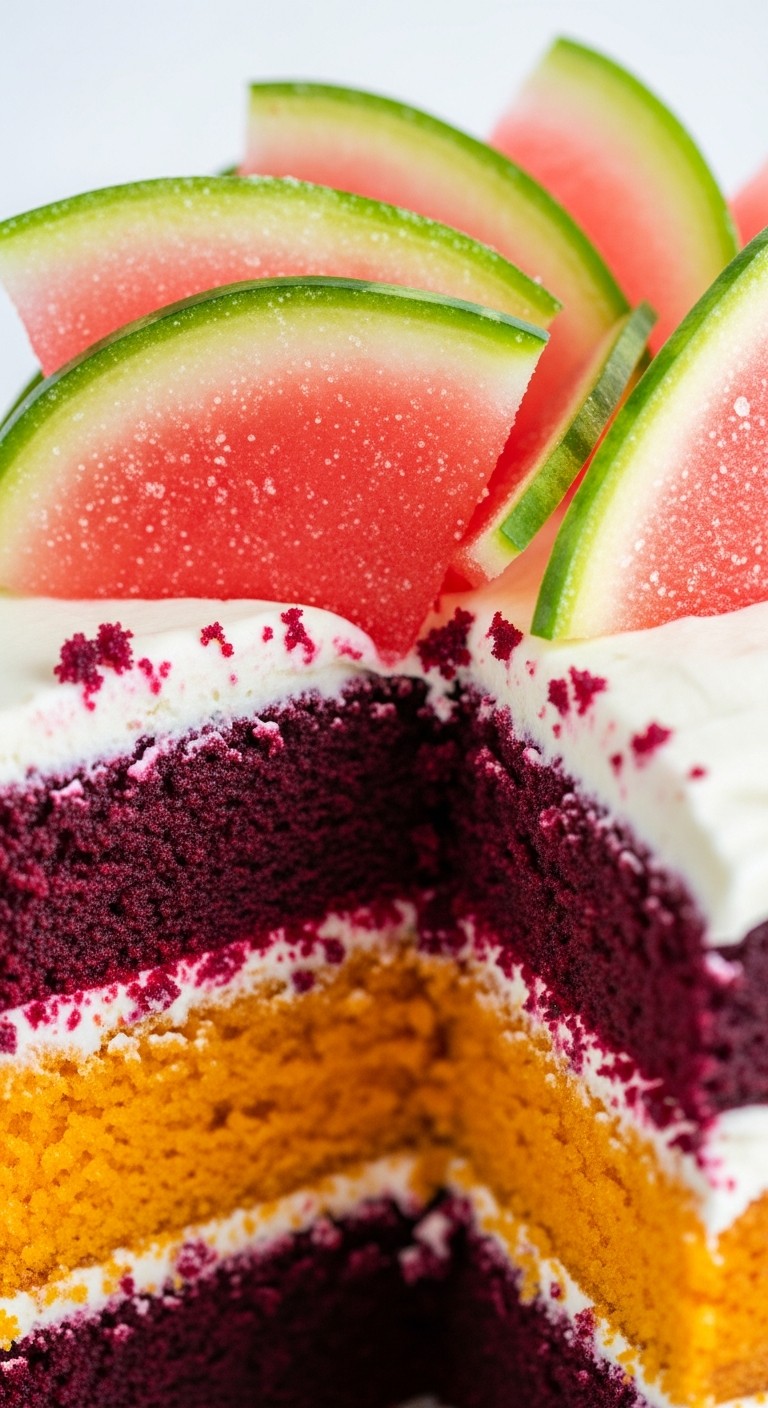
In the pursuit of zero waste, formerly discarded parts of produce are becoming dessert stars. Watermelon rinds, often candied or pickled, are incorporated into tarts for a unique, refreshing crunch. Root vegetables like beets, carrots, and sweet potatoes are used not just for color, but for their natural sweetness and earthy density in cakes, brownies, and ice creams, adding fiber and nutrients.
This trend requires creativity to mitigate strong earthy flavors, often achieved by pairing them with complementary spices or strong citrus notes. It’s a testament to the chef’s ability to transform humble, overlooked ingredients into luxurious and sustainable sweet treats.
Ultra-Minimalist Japanese Wagashi Influence
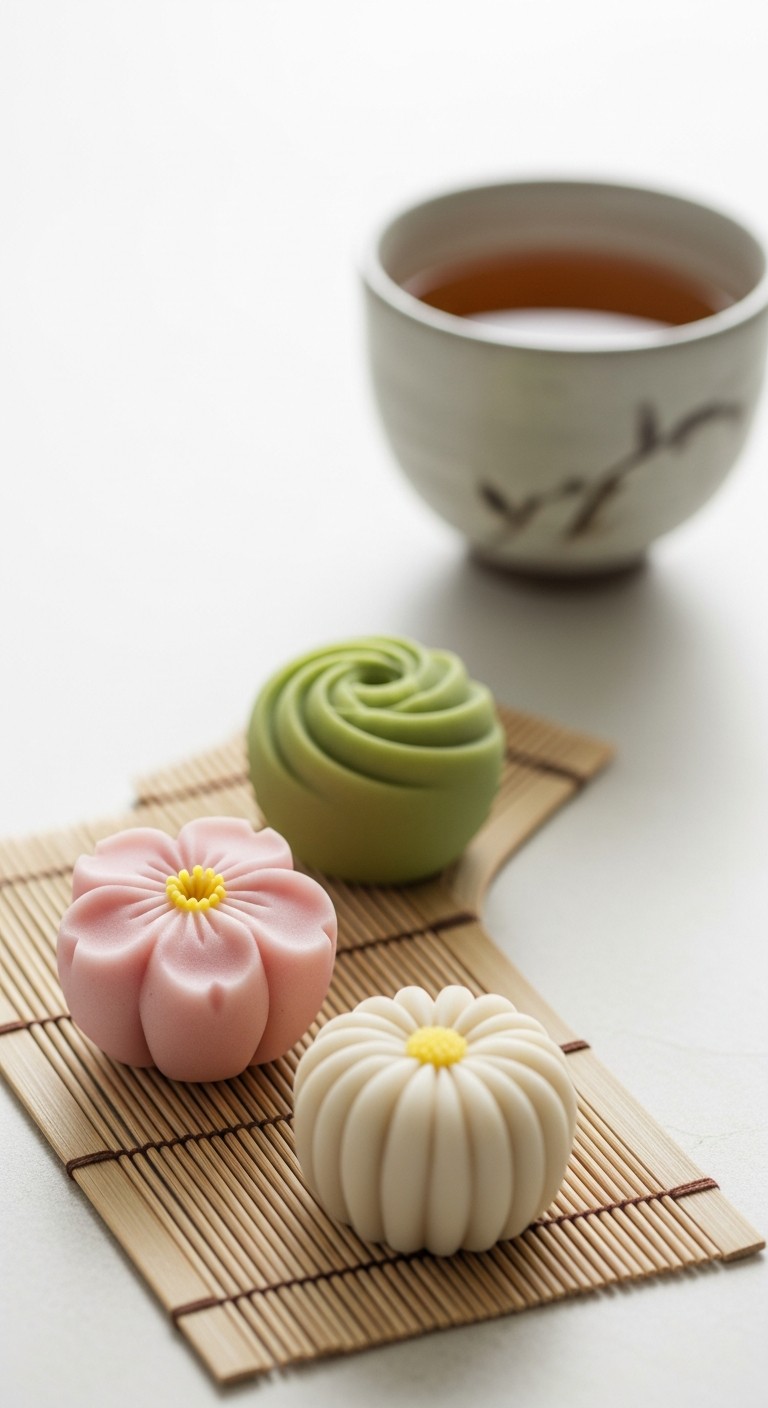
The elegance and simplicity of traditional Japanese confectionery (Wagashi) will heavily influence modern dessert aesthetics. 2026 sees a focus on natural colors, precise geometric shapes, and a restrained sweetness derived primarily from beans (like Anko) and rice flours. These desserts prioritize purity of flavor and visual tranquility, often representing natural elements like flowers or seasonal changes.
This minimalist approach contrasts sharply with the maximalist trends of the past decade. Wagashi-inspired desserts emphasize craftsmanship, balance, and the delicate presentation of a single, perfect bite, appealing to consumers who value mindfulness and subtlety.
The Dessert Cocktail Hybrid
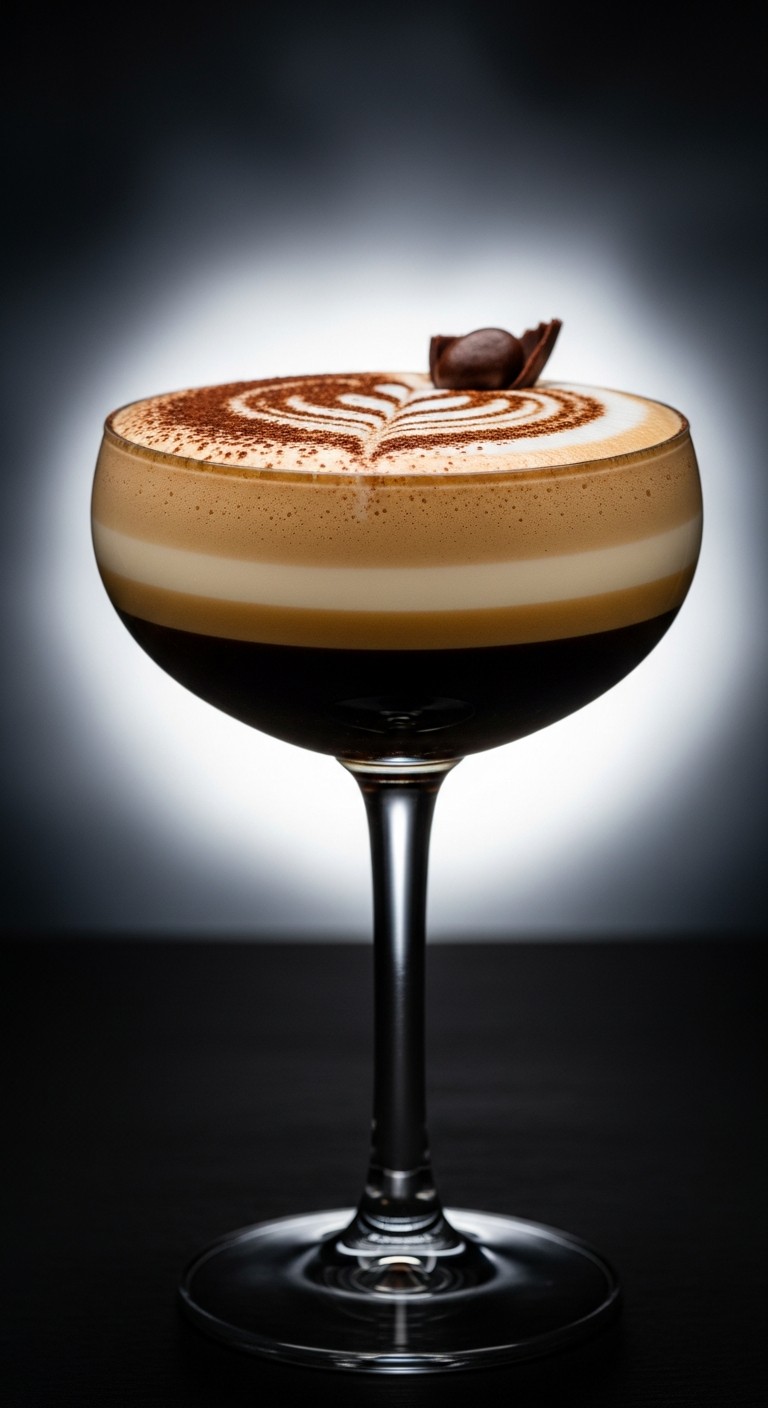
Blurring the lines between the bar and the pastry station, dessert cocktails are evolving into fully integrated culinary creations. These are not just sweet drinks, but layered, textured experiences that incorporate complex syrups, clarified milks, edible foams, and frozen components. Think a deconstructed Tiramisu served in a glass, complete with coffee liqueur spheres and cocoa powder air.
This trend requires collaboration between mixologists and pastry chefs, resulting in innovative techniques for stabilizing creamy alcohol bases and achieving precise flavor balance. They serve as a sophisticated, light-ending option for diners who want to skip a heavy dessert but still crave complexity and sweetness.
Grains and Ancient Seed Incorporation
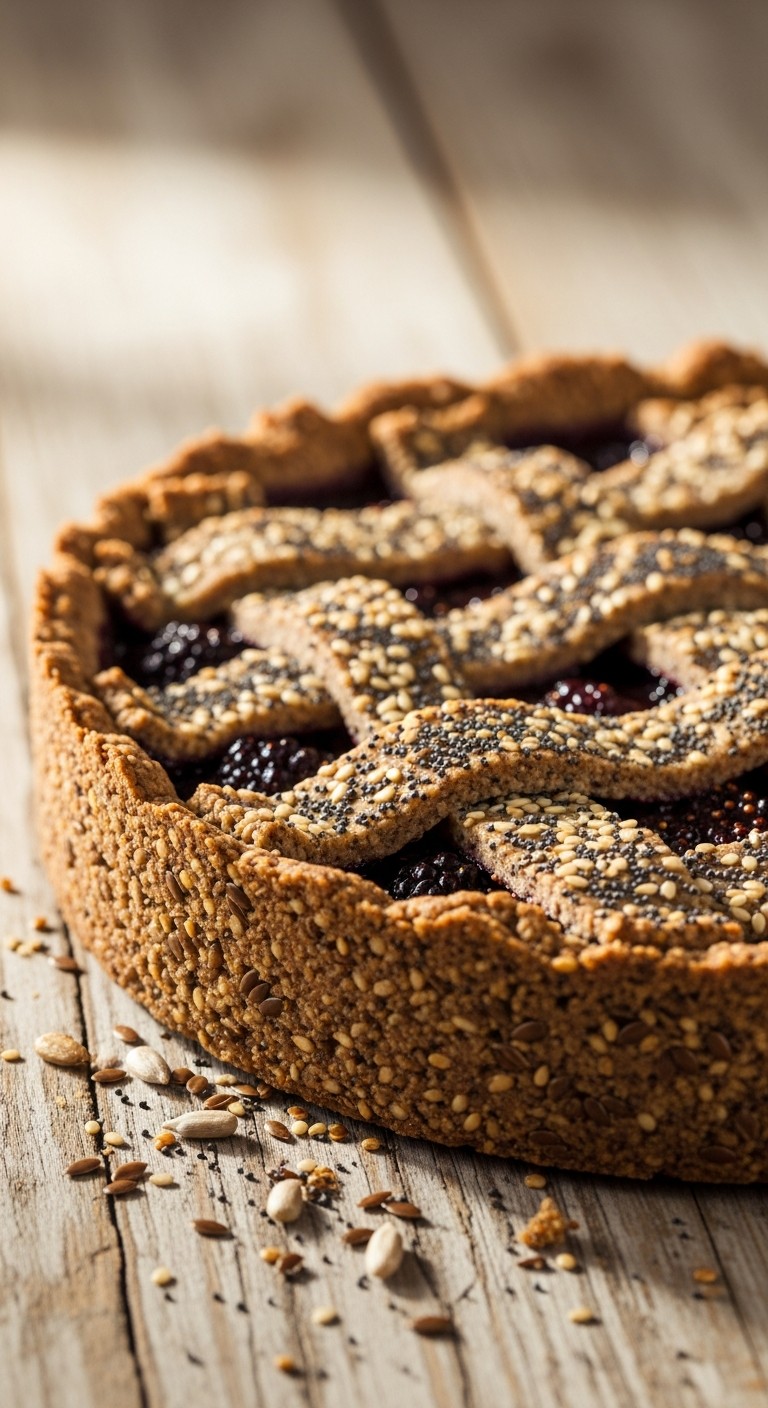
Desserts are increasingly incorporating whole grains and ancient seeds like quinoa, amaranth, teff, and millet, moving beyond traditional wheat and corn. These additions boost fiber and protein content, and more importantly, introduce unique nutty, earthy textures and flavors to cookies, crusts, and even ice cream bases. The goal is to maximize nutritional density without sacrificing indulgence.
The challenge lies in milling and preparing these seeds to maintain optimal texture—often requiring soaking or sprouting to reduce bitterness and improve digestibility. This trend aligns perfectly with the consumer demand for ‘better-for-you’ indulgence that leverages whole, unprocessed ingredients.
Edible Packaging Innovation
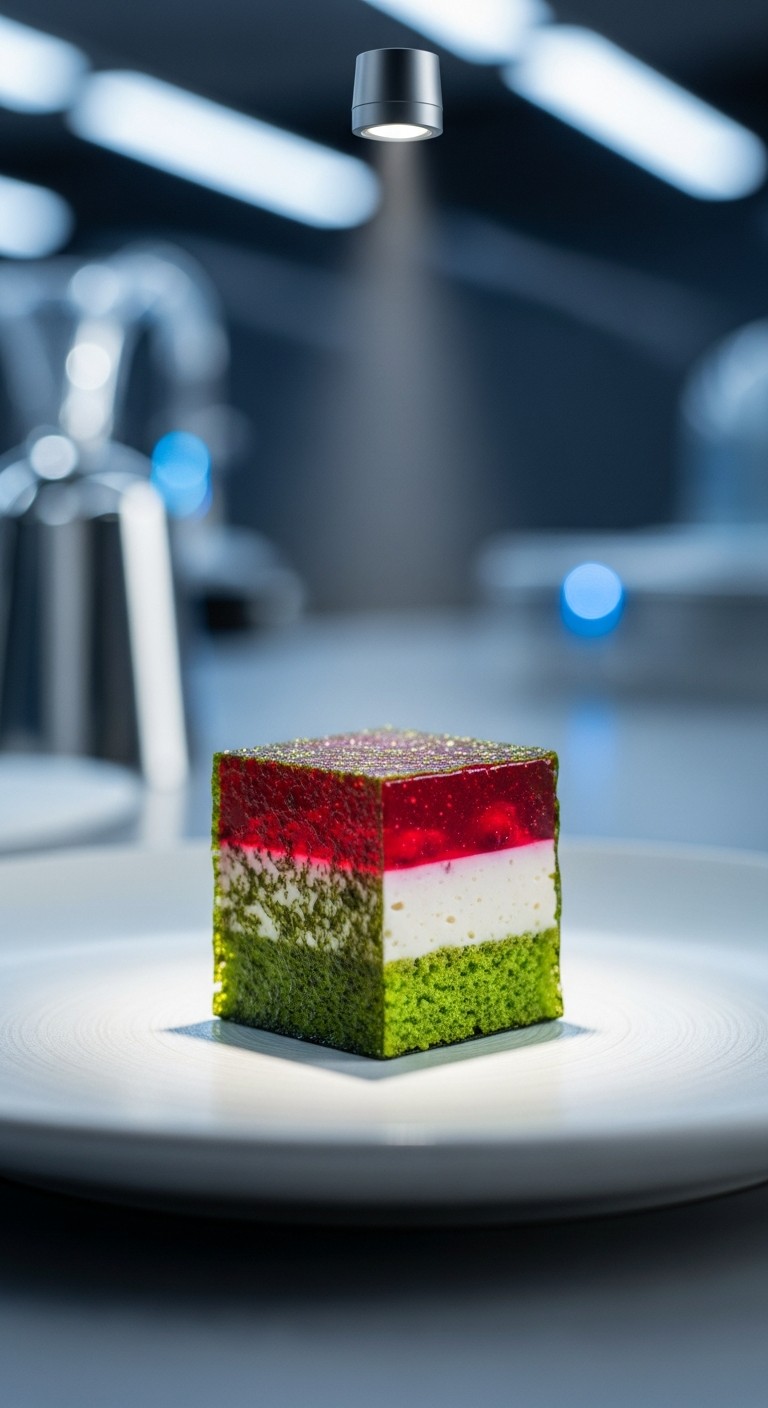
The ultimate zero-waste solution arrives in 2026: packaging that is safe and delicious to eat. Research focuses on flavorless, clear films made from seaweed or potato starch, and stronger, structured containers made from compressed sugar or fruit leather. This eliminates plastic and paper waste entirely for single-serve desserts.
This innovation requires overcoming challenges related to moisture resistance and structural integrity. Imagine a scoop of sorbet served in a frozen fruit cup that you eat afterward, or a chocolate bar wrapped in a thin, flavored gelatin layer, making the entire product consumable and environmentally friendly.
Vertical Farm Produce Highlights
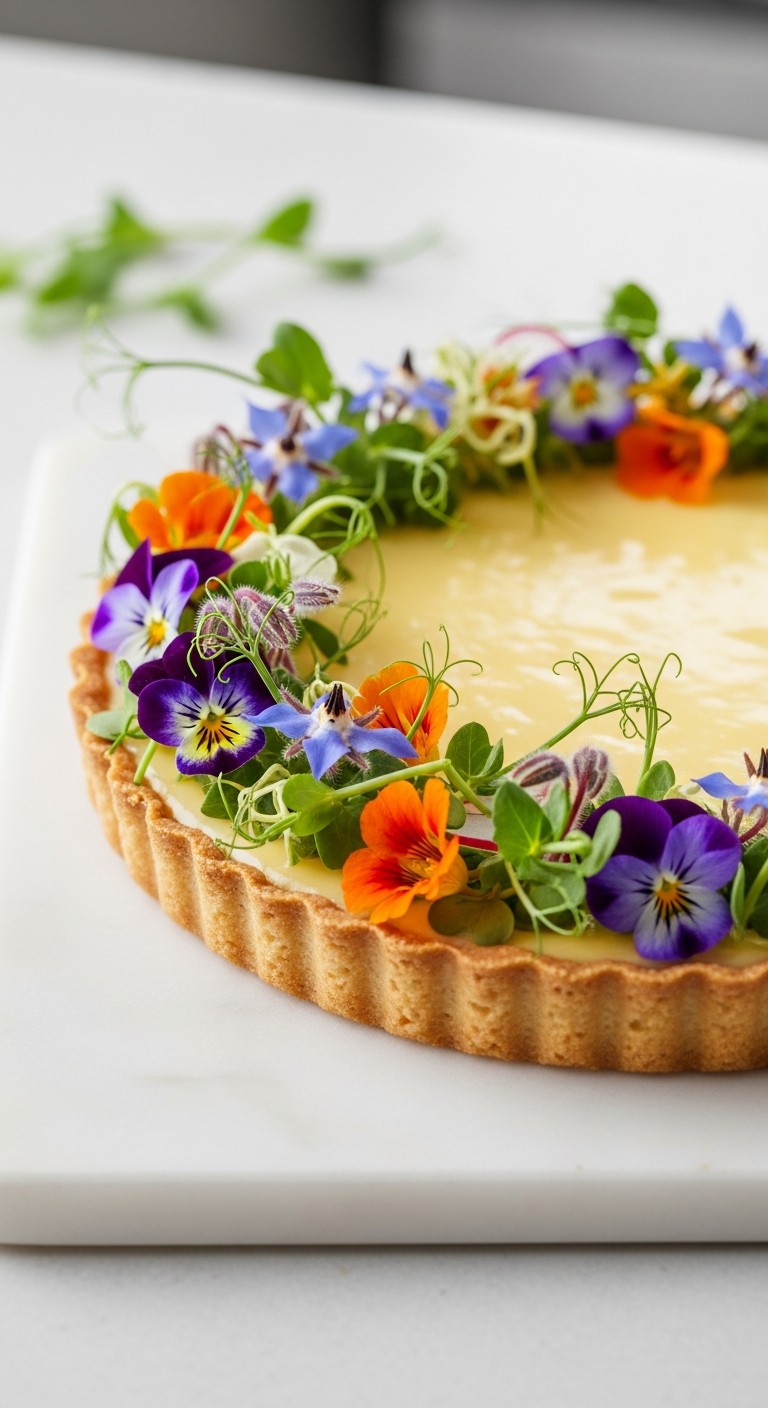
Vertical farming allows for year-round availability of hyper-fresh, intensely flavored produce, particularly micro-greens and specialty herbs. In 2026, desserts will prominently feature these ingredients, using unique basil, mint, or cilantro varietals cultivated indoors, often harvested mere hours before plating, ensuring maximum vibrancy and flavor intensity.
The consistent quality and flavor of vertical farm produce offer reliable ingredients regardless of season or climate fluctuations. Chefs will use these bright, sometimes peppery, greens as both garnishes and core flavor components, adding a fresh, aromatic contrast to rich desserts.
Extreme Sour and Bitter Combinations
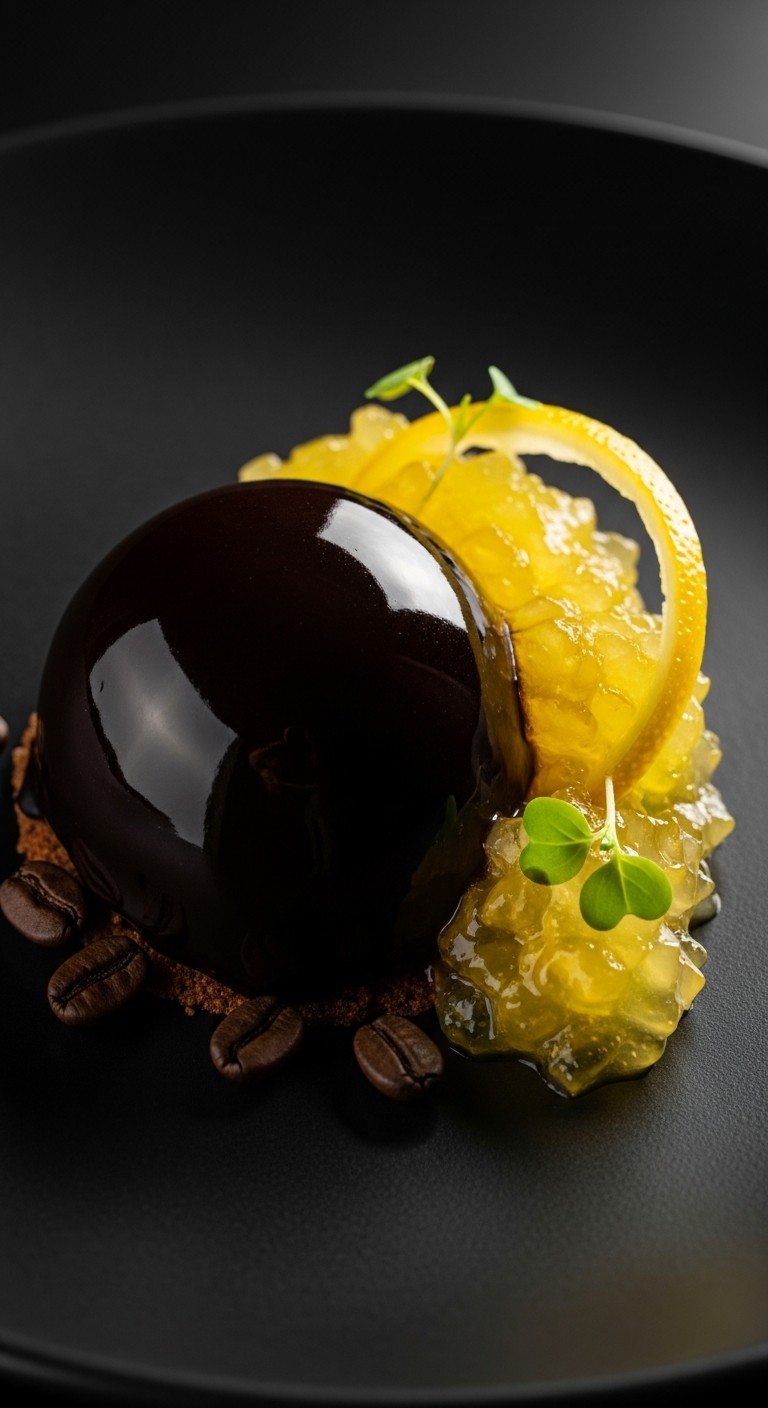
Moving away from purely sweet satisfaction, 2026 embraces the complexity of extreme sour and bitter flavors. Desserts will feature ingredients like yuzu, calamansi, strong espresso, dark roasted chicory, and high-percentage, unsweetened cacao in compositions designed to challenge the palate. The goal is not to eliminate sweetness, but to use it as a counterpoint to these powerful, sharp notes.
This appeals to the mature, adventurous diner seeking sophisticated flavor profiles. These desserts are often smaller and intensely flavored, requiring precise execution to ensure the bitterness or sourness is refreshing and intriguing, rather than overwhelming or unpleasant.
Hyper-Seasonal Fruit Focus
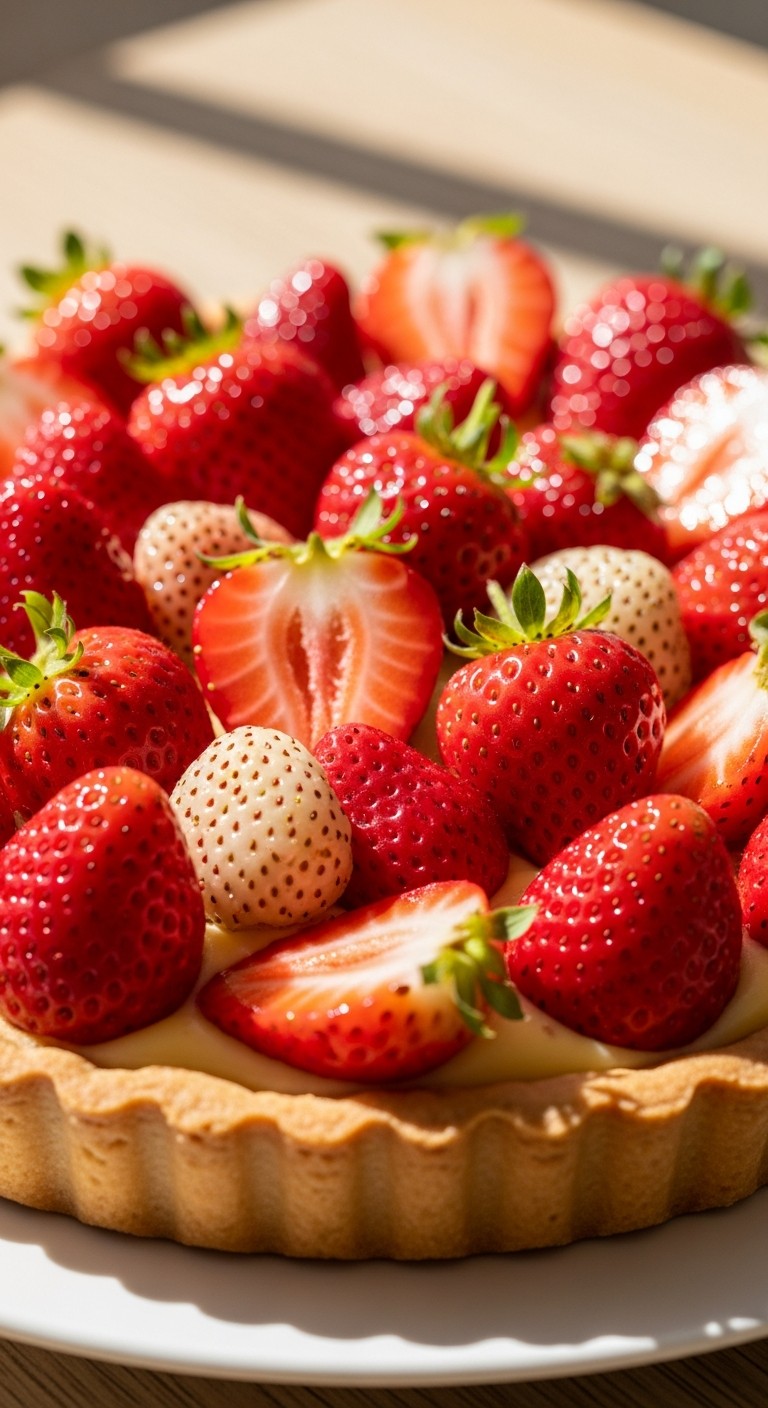
The concept of seasonality is tightening, focusing on the brief, peak window when a specific fruit is at its absolute best—sometimes only a few weeks a year. Chefs in 2026 will build entire menus around these fleeting moments, highlighting rare heirloom varieties of peaches, specific types of wild berries, or unique citrus that offer unparalleled flavor intensity.
This commitment means menus change rapidly, demanding flexibility but rewarding diners with ingredients at their optimal flavor and nutritional peak. This trend reinforces the connection between the dessert and the natural world, celebrating the impermanence of peak flavor.
Smoke and Charcoal Infusion

Smoke is no longer reserved for BBQ; it is becoming a sophisticated flavor dimension in desserts. Techniques like cold-smoking, using wood chips (cherry, applewood), or incorporating edible activated charcoal and smoked salts, add depth, earthiness, and a subtle savory complexity to creams, ice creams, and chocolate bases. This unexpected flavor profile provides a mature, rustic edge.
Charcoal is used primarily for its dramatic visual effect—creating striking black desserts—while subtle smoke infusion provides a refined aromatic quality. This trend works particularly well when paired with rich, fatty bases like burnt caramel or dark chocolate, cutting through the sweetness with complexity.
Heritage Grain Flours (Einkorn, Spelt)
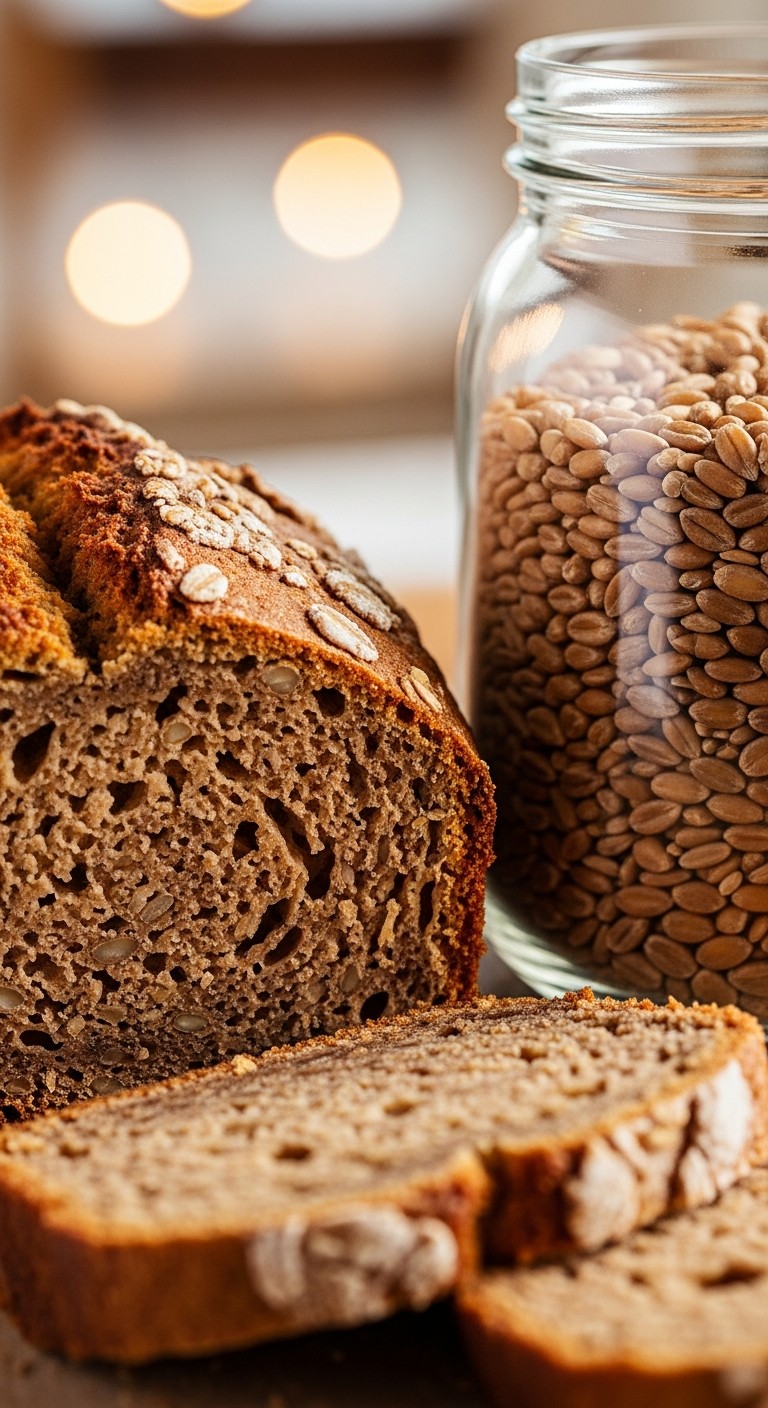
The resurgence of ancient and heritage grain flours is hitting the pastry world in a major way. Beyond standard all-purpose flour, chefs are utilizing Einkorn, Emmer, and Spelt for their unique gluten structures, nutritional benefits, and distinct nutty, complex flavor profiles. These grains add a profound depth that modern bleached flours lack.
Bakers are learning to manipulate these less-processed flours, which often require different hydration levels and mixing times, to create complex, rustic bread-based desserts, sophisticated shortbreads, and deeply flavored cakes, connecting the dessert to agricultural history.
AI-Generated Flavor Pairings
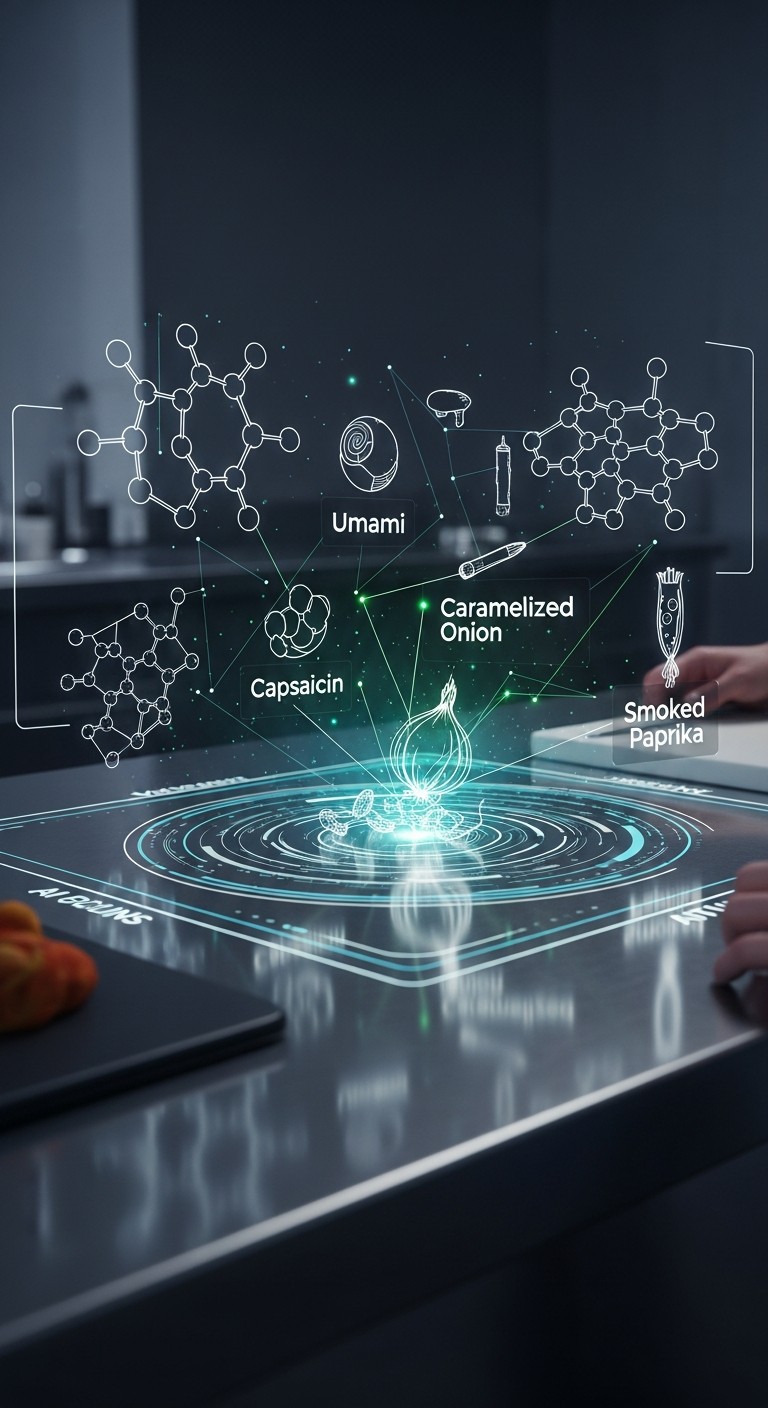
Artificial intelligence is moving into the creative kitchen. In 2026, AI algorithms, trained on vast databases of chemical compound analysis and flavor affinity, will suggest novel and unexpected ingredient pairings that human chefs might overlook. This could lead to combinations like lavender and black olive, or chili and coconut, pushing the boundaries of traditional dessert composition.
Chefs will use AI as a tool for inspiration, refining the suggested pairings into executable, delicious recipes. This trend emphasizes the synergy between technology and human creativity, resulting in truly unique and scientifically optimized flavor experiences that are both surprising and harmonious.
Deconstructed Classic Pies
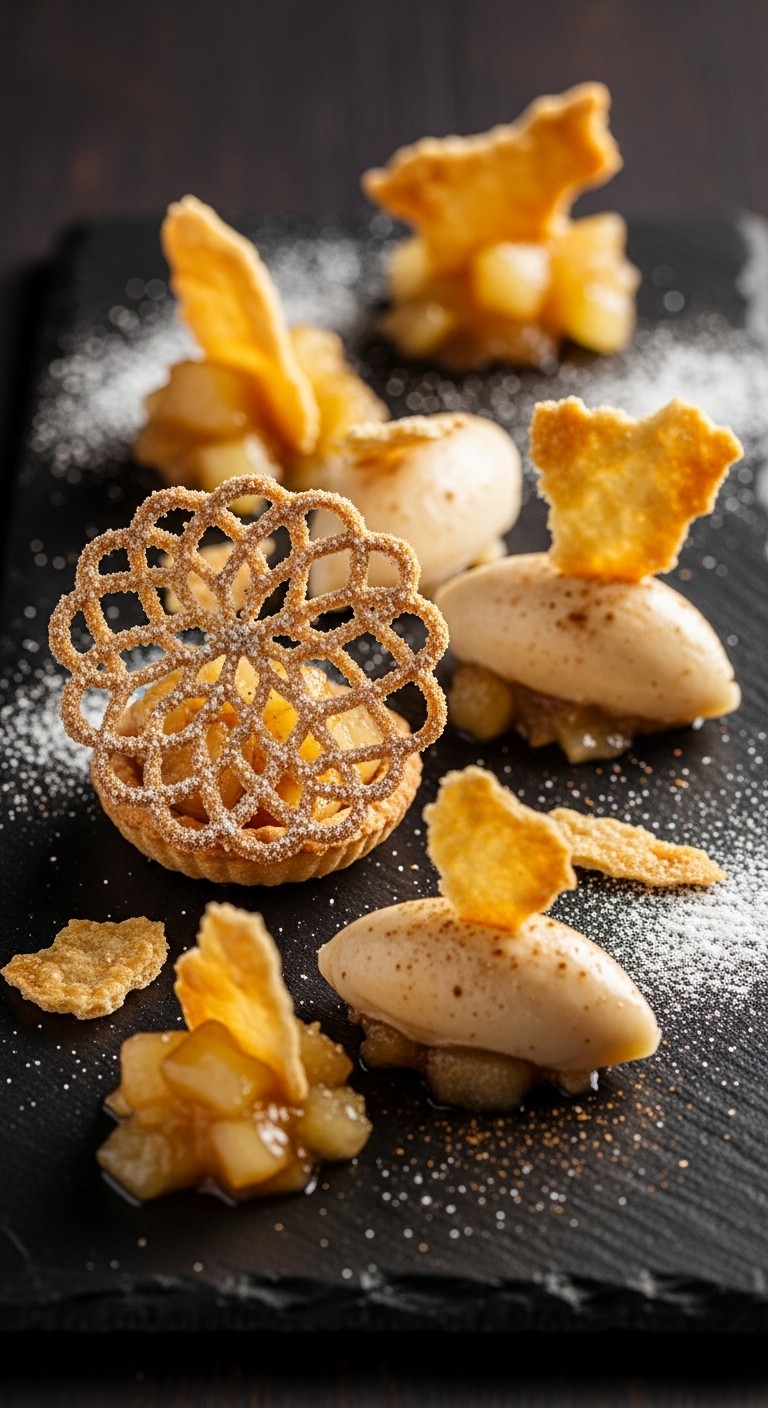
Familiar pie flavors are being completely re-imagined. The deconstructed pie trend takes the core elements—crust, filling, and topping—and separates them into refined, textural components on the plate. A pecan pie might become a pecan crumble, a bourbon caramel sphere, and a vanilla bean ice cream, allowing the diner to experience each flavor and texture individually.
This technique allows pastry chefs to control the texture and temperature of each element precisely, elevating the humble pie into a fine-dining experience. It honors the classic flavor profile while offering a modern, sophisticated presentation that emphasizes craftsmanship.
Shelf-Stable Gourmet Desserts
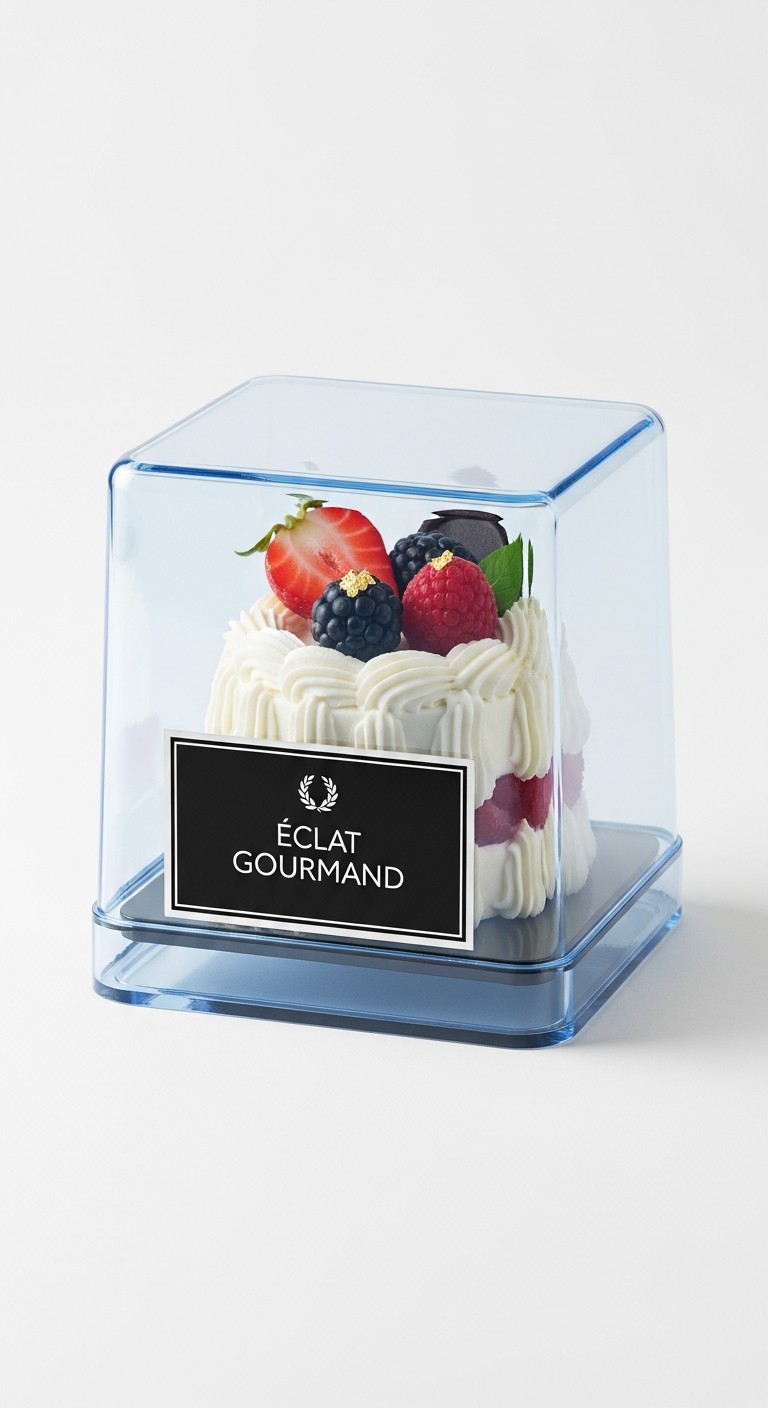
The demand for high-quality, gourmet desserts with extended shelf life is growing, driven by e-commerce and global distribution. 2026 sees advances in natural preservation techniques—like specialized water activity control and modified atmosphere packaging—that allow complex desserts like multi-layered cakes, delicate pastries, and mousses to remain fresh and safe for weeks without artificial additives.
This allows artisanal bakeries to reach a wider audience, delivering perishable luxury goods globally. The focus is on maintaining the integrity of delicate textures and fresh flavors, making high-end indulgence accessible outside of major metropolitan areas.
Micro-Batch Artisan Ice Creams
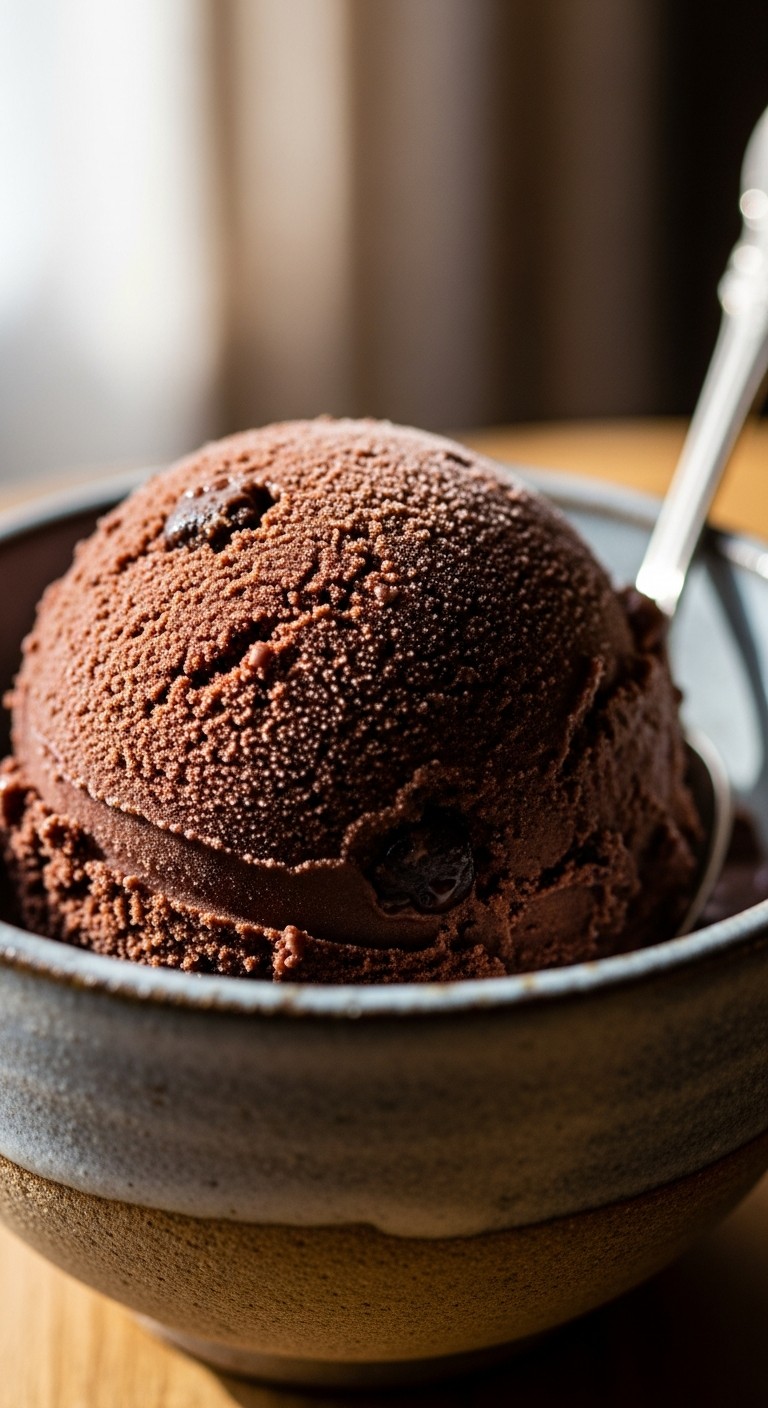
Moving away from mass-produced containers, 2026 celebrates micro-batch ice cream characterized by hyper-specific, rotating flavors and ultra-premium ingredients. These small-scale producers focus on unique bases (like goat milk or cashew cream) and exotic inclusions, often selling out batches immediately. The focus is on quality over quantity and intense flavor development.
These producers are often highly experimental, utilizing liquid nitrogen or specialized small-volume churners to achieve exceptionally dense, creamy textures. The micro-batch approach fosters culinary creativity and allows for quick adaptation to seasonal or trending flavor profiles.
Transparent Labeling and Ethical Sourcing
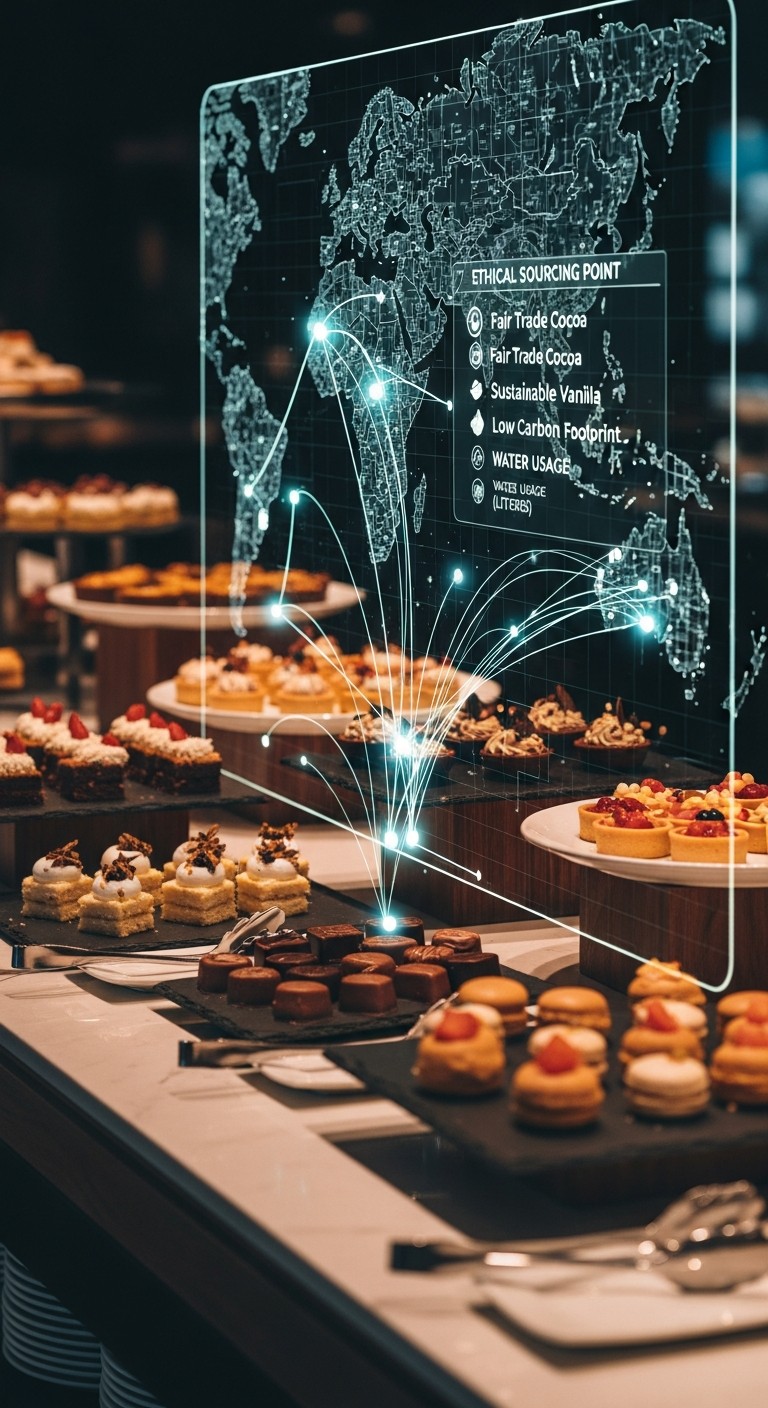
Consumer demand for ethical consumption dictates that dessert producers must offer complete transparency in 2026. Labels will detail not just ingredients, but the origin of every component—from the working conditions on the cocoa farm to the water usage of the sugar cane. Ethical sourcing certifications and clear sustainability scores will be crucial selling points.
This trend forces brands to invest in equitable supply chains and communicate their commitments clearly. Desserts that can prove a positive social or environmental impact will gain significant market share, turning ethical practices into a fundamental part of the product identity.
Nostalgic Candy Bar Upgrades
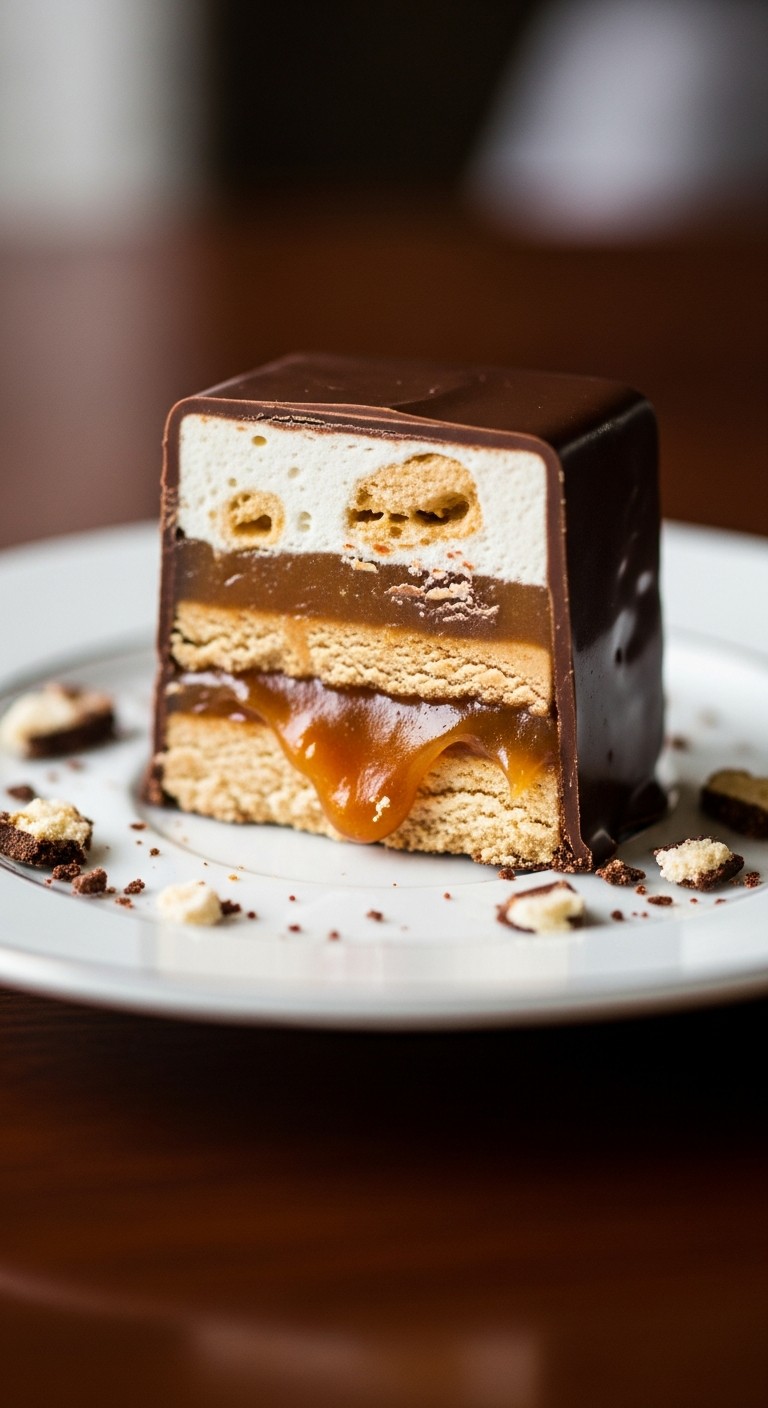
High-end pastry chefs are reinterpreting classic, mass-market candy bars (like Snickers or Twix) using premium, house-made ingredients. This involves replacing artificial flavors with single-origin chocolate, making caramels from scratch, and utilizing specialized nut butters and flaky sea salt. The result is a recognizable flavor profile delivered in a luxurious format.
This trend taps into powerful childhood nostalgia while satisfying adult demands for quality and sophistication. These ‘gourmet candy bars’ are often plated beautifully, transforming a convenience store treat into a piece of edible art.
Floral and Botanical Essences
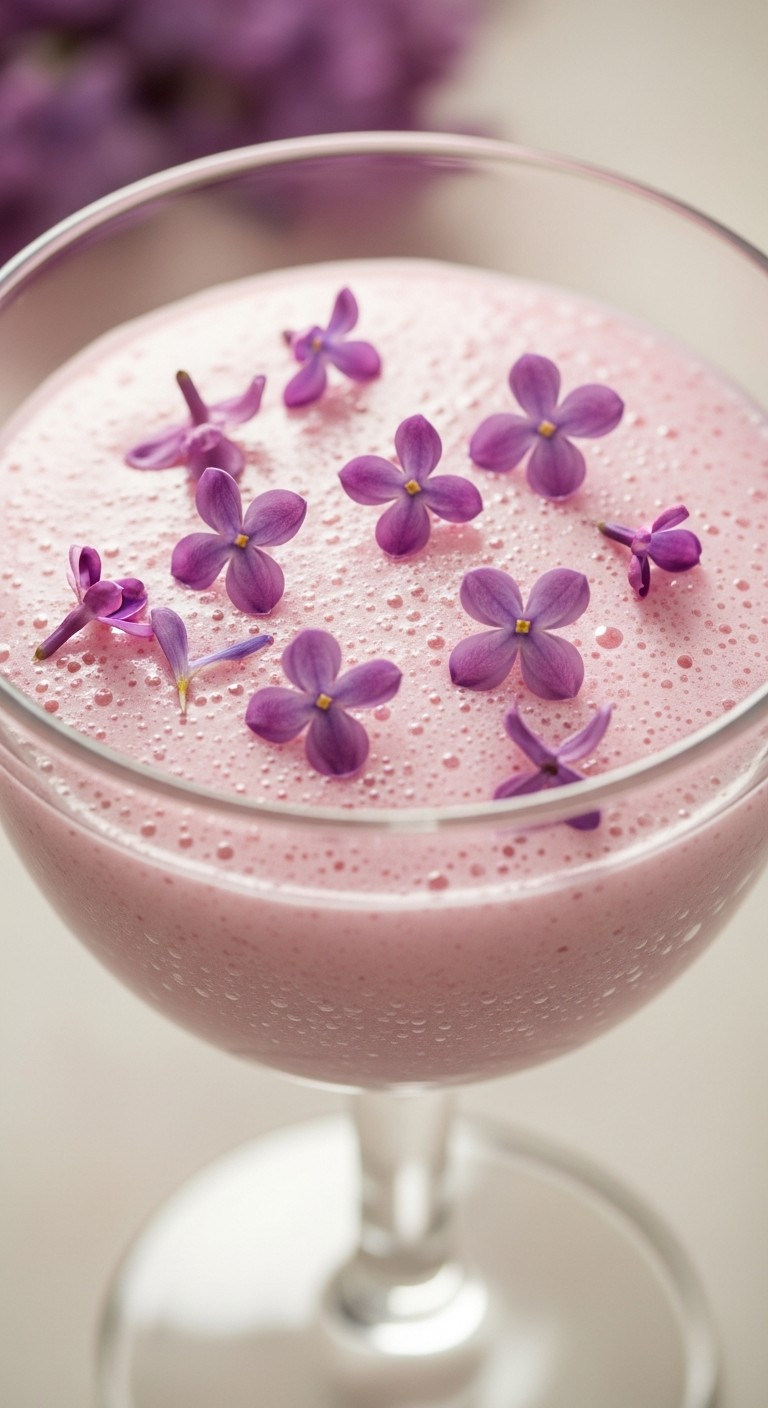
The use of floral and botanical extracts is moving beyond rosewater and lavender. 2026 will see sophisticated use of unique essences like honeysuckle, lilac, geranium, and various types of rare tea blossoms. These delicate flavors are used to add complexity and aromatic lift to light desserts, creams, and jellies, offering a refreshing and refined alternative to heavy sweetness.
Extraction methods are improving, allowing chefs to capture the true, subtle fragrance of these botanicals without the soapy taste often associated with artificial floral flavors. These desserts are often visually stunning, garnished with edible pressed flowers to reinforce the botanical theme.
Desserts with Low Glycemic Index
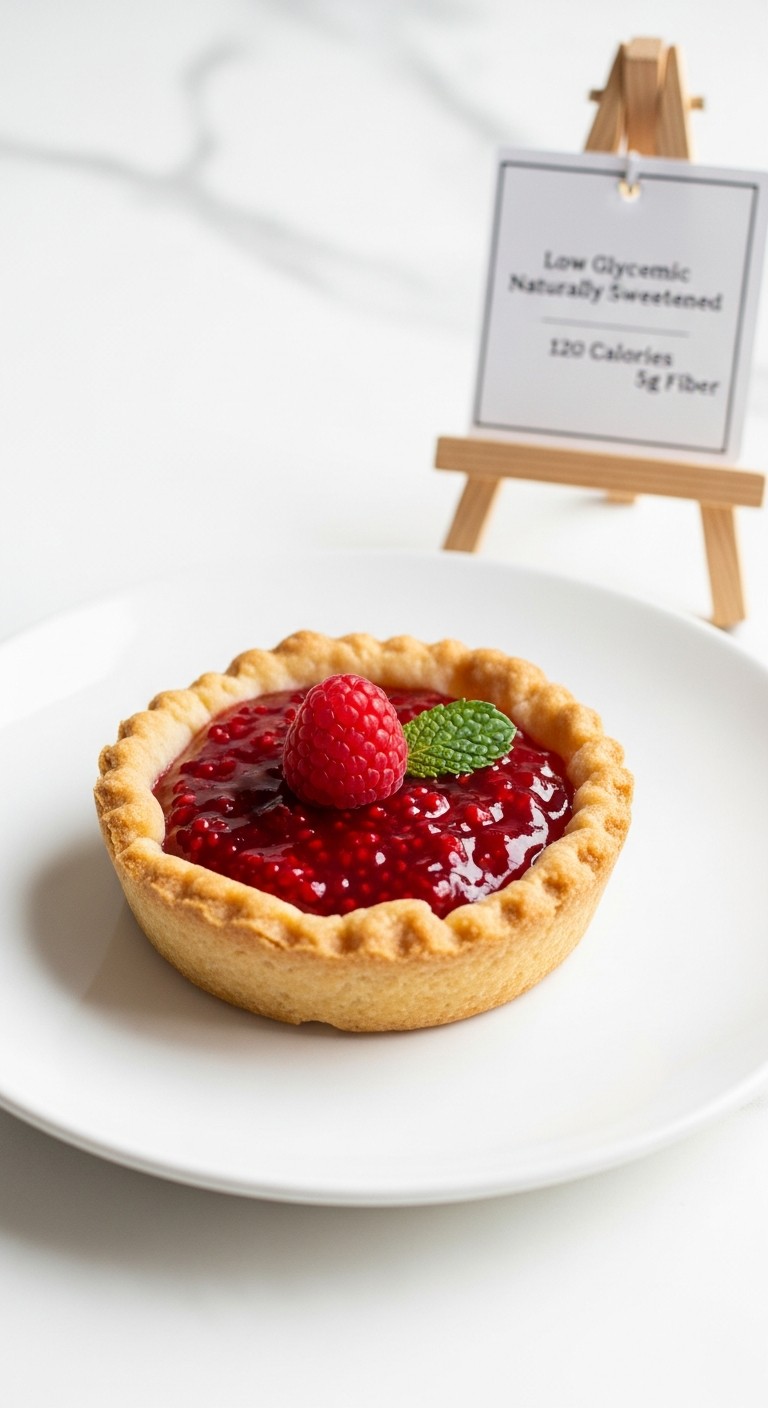
Health-conscious consumers demand desserts that minimize blood sugar spikes. 2026 innovation focuses on formulating desserts using ingredients that naturally possess a low glycemic index (LGI), such as specialized fibers, certain resistant starches, and natural sweeteners like allulose or chicory root. These desserts offer sustained energy rather than a rapid sugar crash.
This requires complex reformulation to ensure textural integrity, as LGI ingredients often behave differently in baking. The result is a dessert that fits easily into diabetic-friendly or sustained energy diets, appealing to a broad wellness audience without sacrificing flavor.
DIY At-Home Dessert Kits 2.0
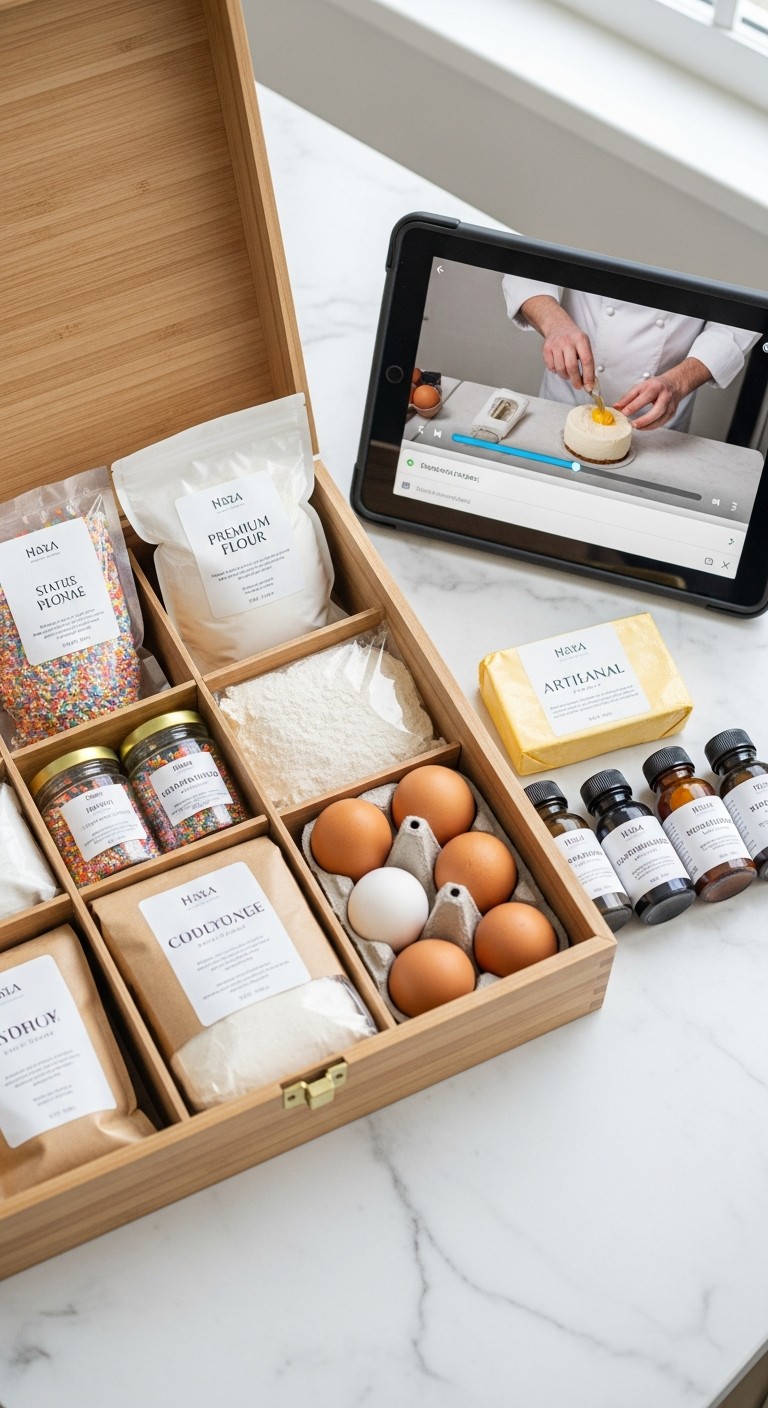
The pandemic-fueled popularity of at-home baking kits has evolved. In 2026, kits are highly sophisticated, containing pre-measured, high-quality, and often rare ingredients, along with detailed video tutorials or augmented reality instructions. These kits allow amateur bakers to produce complex, professional-level patisserie like French entremets or layered Viennese cakes at home.
This trend focuses on providing a fun, educational experience while maintaining the quality of the finished product. The kits often emphasize local sourcing or specialized techniques, turning home baking into a luxury hobby rather than a simple chore.
The Integration of Robotics in Pastry Prep
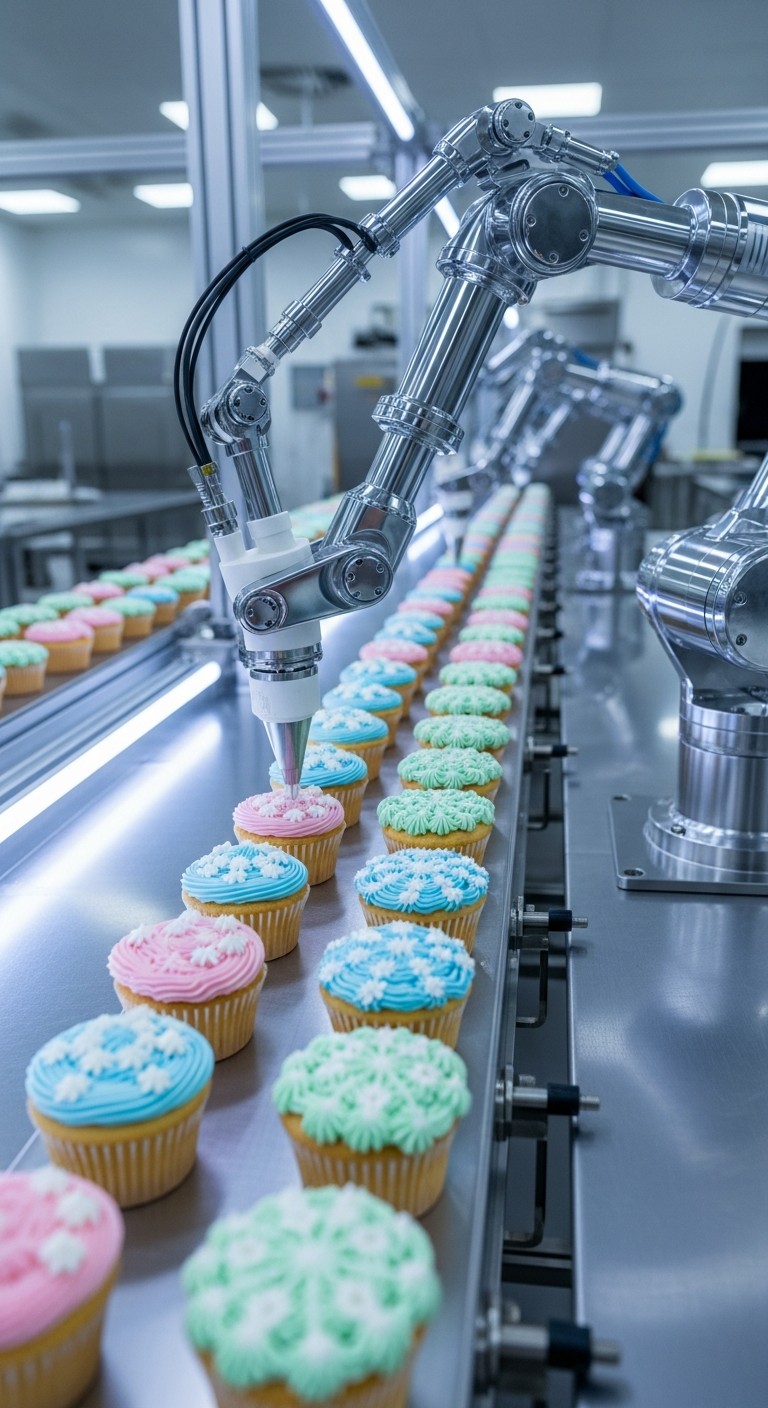
Robotics are entering high-volume pastry production, focusing on repetitive, precision tasks. Automated systems can handle the exact piping of complex decorations, the precise tempering of chocolate, and the careful layering of delicate components, ensuring unmatched consistency and speed. This frees human chefs to focus on creative development and flavor testing.
While human artistry remains crucial, robotics handle the heavy lifting of perfect execution, especially in large-scale operations. This technology ensures every dessert meets an exacting standard of perfection, revolutionizing efficiency in the modern commercial bakery.
Regional American Dessert Revival (e.g., Shaker Lemon Pie)
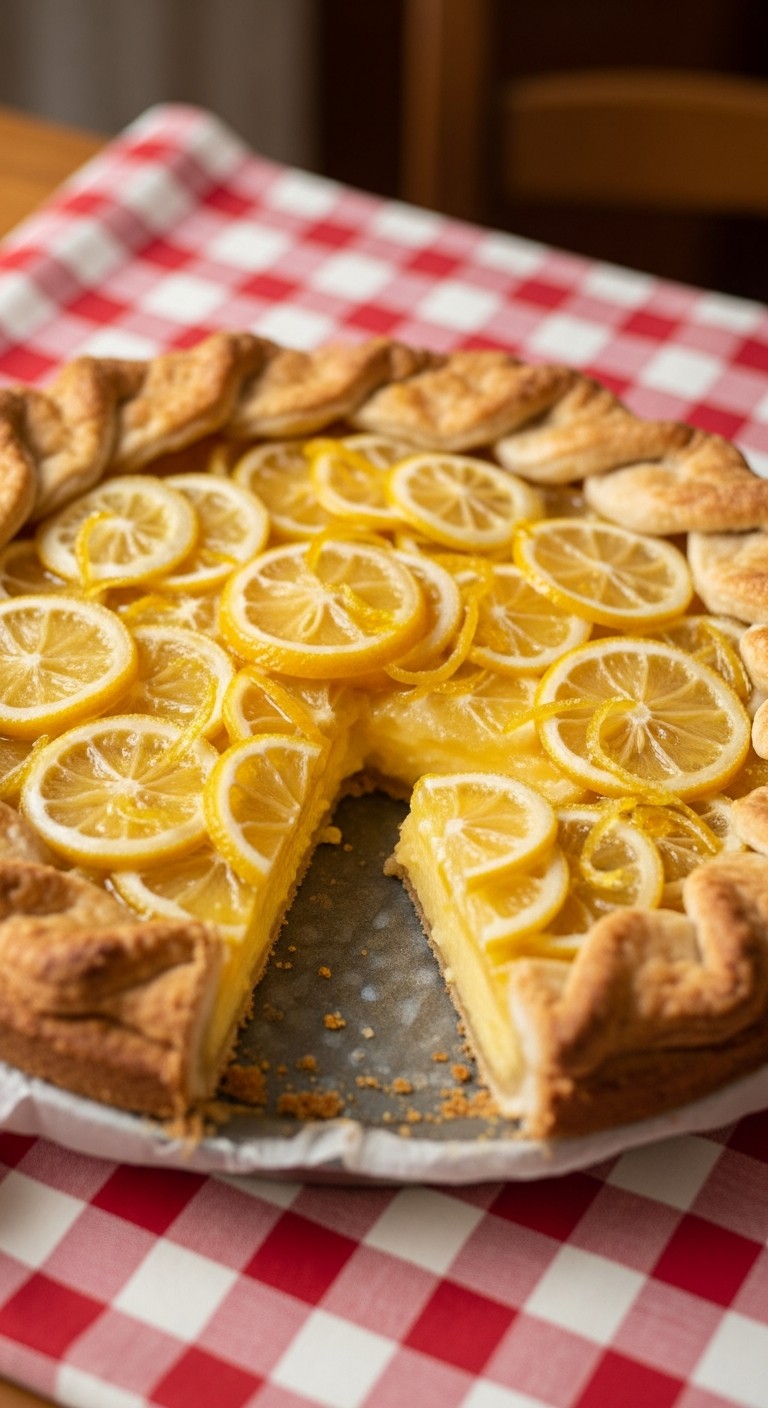
Just as European puddings are returning, there is a strong movement to revive and refine obscure, regional American desserts. Think Shaker Lemon Pie, Chess Pie, Shoofly Pie, or specific regional cobblers. These recipes, often tied to specific historical communities, offer a taste of American culinary heritage that is often overlooked in favor of global trends.
Chefs are researching and refining these recipes, using modern ingredients and techniques to elevate their texture and flavor while maintaining historical accuracy. This trend promotes culinary anthropology, celebrating the unique, diverse sweet history of the United States.
Freeze-Dried Fruit Powder Coatings
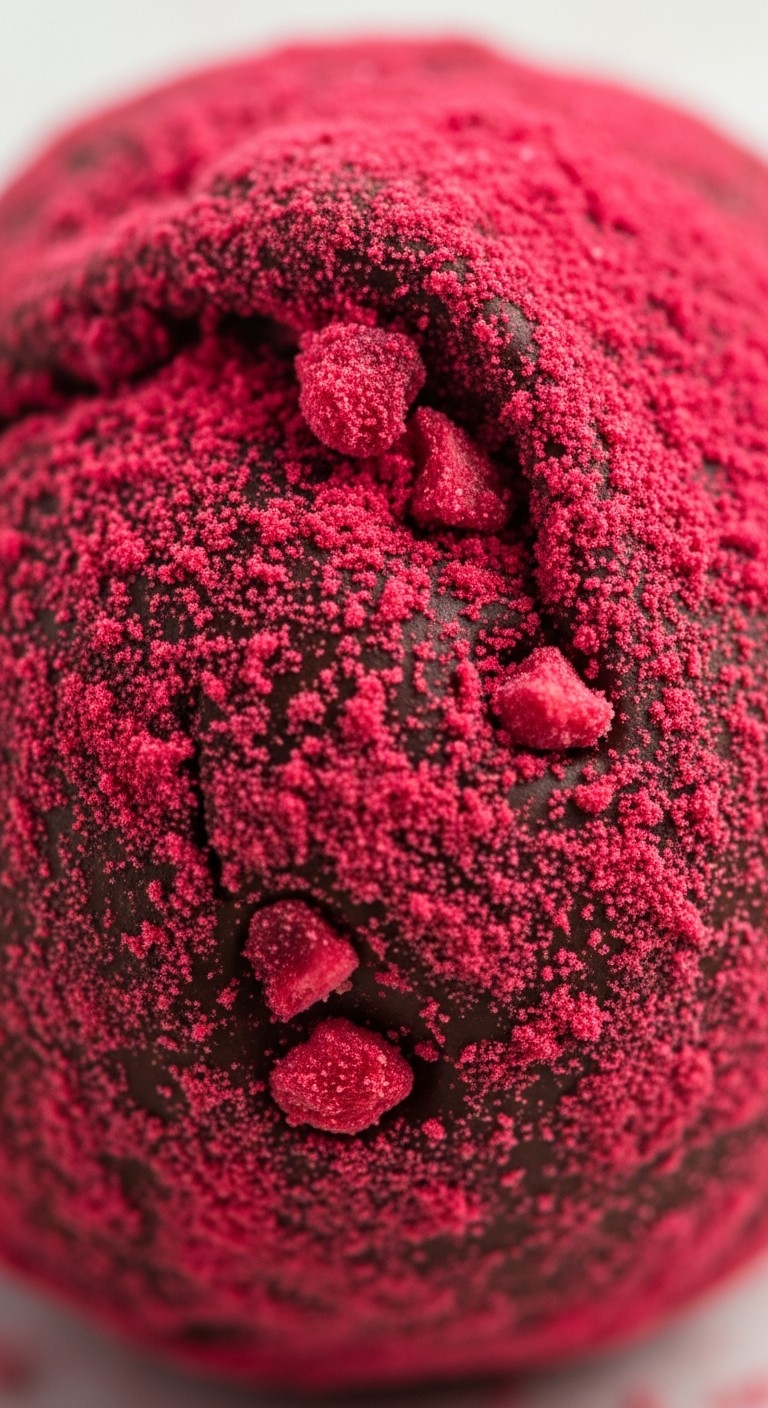
Freeze-dried fruit powders are the new finishing touch for 2026 desserts. These powders—made from intensely flavored fruits like raspberry, passion fruit, or mango—provide highly concentrated flavor, vibrant natural color, and a delicate, non-sugary texture. They are used to dust meringues, coat truffles, or create vibrant borders on plates, adding a natural pop without artificial dyes.
The advantage of freeze-drying is the preservation of intense, natural acidity and color, which cuts through the richness of chocolate or cream. This technique allows chefs to add a powerful, natural burst of fruit flavor that enhances the overall complexity of the dessert.
Final Thoughts
The dessert world of 2026 is a fascinating intersection of science, ethics, and artistry. The overriding theme is complexity: complex flavors derived from fermented and savory ingredients, complex structures enabled by 3D printing and robotics, and complex narratives rooted in ethical sourcing and sustainability. Indulgence is no longer just about sweetness; it’s about experience, wellness, and conscious consumption. These 41 trends show that the future of dessert is truly revolutionary, promising treats that are better for us, better for the planet, and infinitely more exciting for the palate.