Color-Coded Age Zones for Fairness
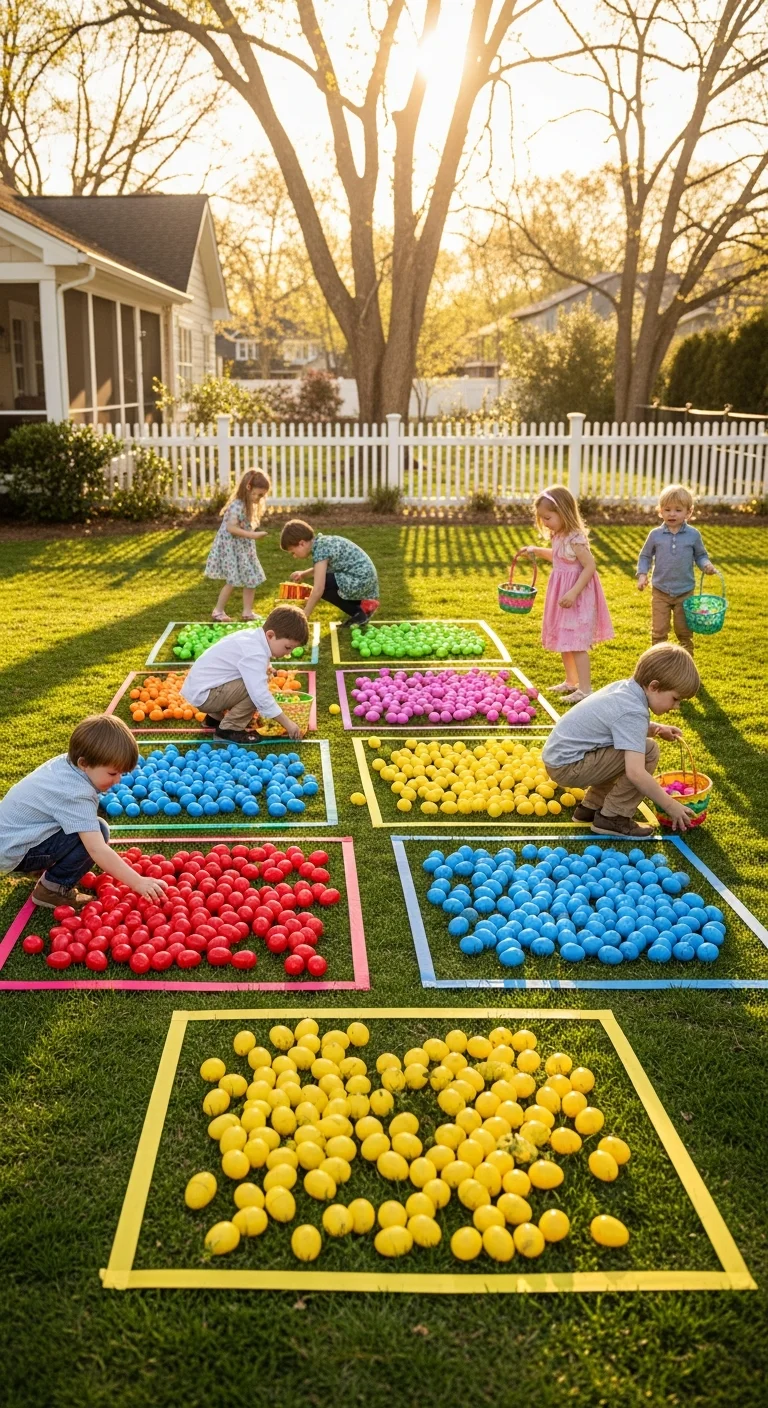
Running a hunt for a mix of ages can be chaotic, especially when competitive older siblings clear the yard in seconds. The solution is simple: color-coded zones. Use plastic fencing, rope, or chalk markers to divide your backyard into distinct areas. Assign a specific egg color (e.g., pink for kids 1–3, blue for 4–6, green for 7+) to each zone. This ensures that every child, regardless of age or speed, has a dedicated space where they can find a reasonable stash. This hack keeps the hunt fair, minimizes frantic scrambling, and prevents the inevitable toddler tears when the big kids steal the show. Plus, cleanup is easier when you know which color belongs to which group.
Thrilling Glow-in-the-Dark Night Hunt
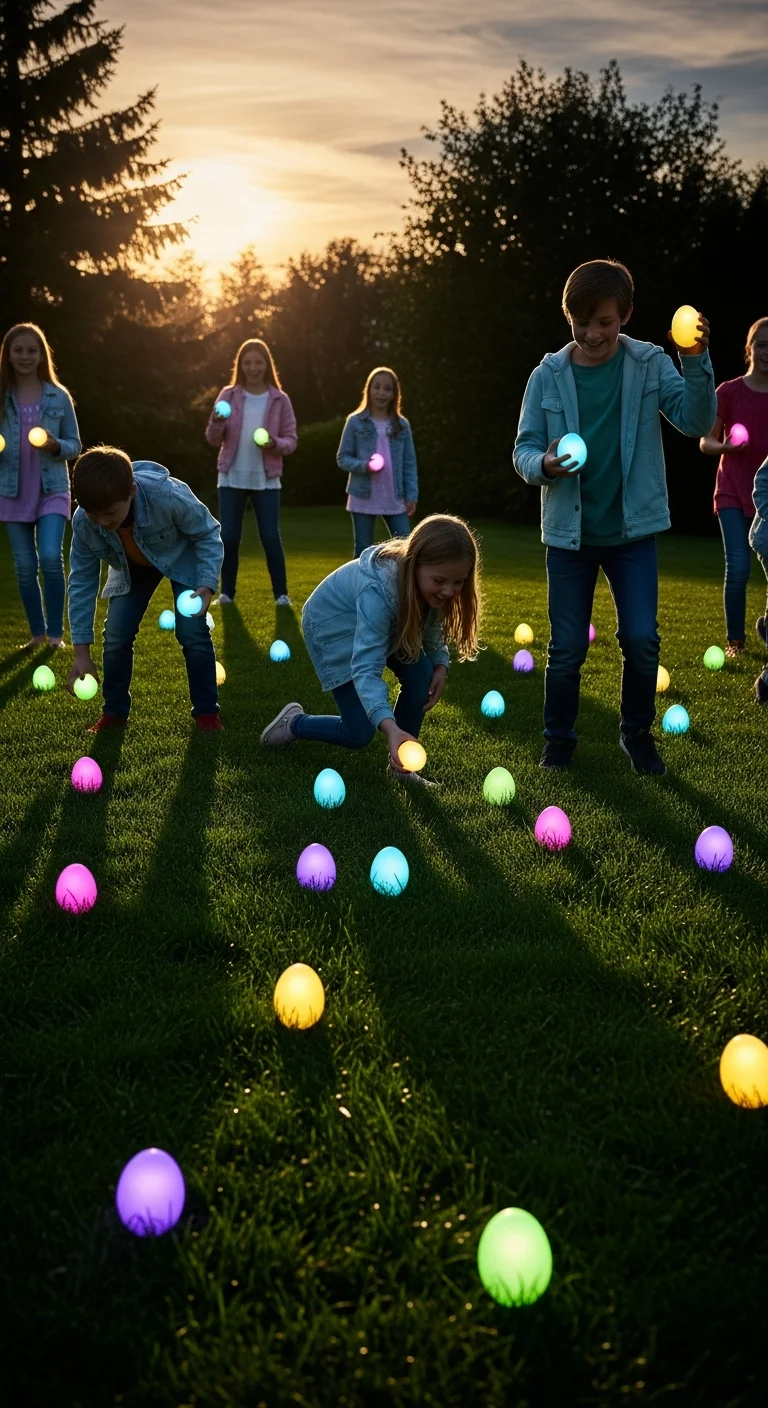
Why limit the fun to daylight? A nighttime egg hunt offers a totally unique and exciting experience, especially for older kids and pre-teens who might think traditional hunts are beneath them. Simply crack open standard plastic eggs and insert small, activated glow sticks (bracelets or miniature ones work best). Hide them in strategic, dimly lit areas of your yard. The glowing shells create an otherworldly atmosphere and make the hunt a true challenge. Just be sure to set clear boundaries and ensure the area is safe from hazards before the sun sets. This twist turns a typical spring activity into a memorable evening adventure.
The Golden Egg Grand Prize Advantage
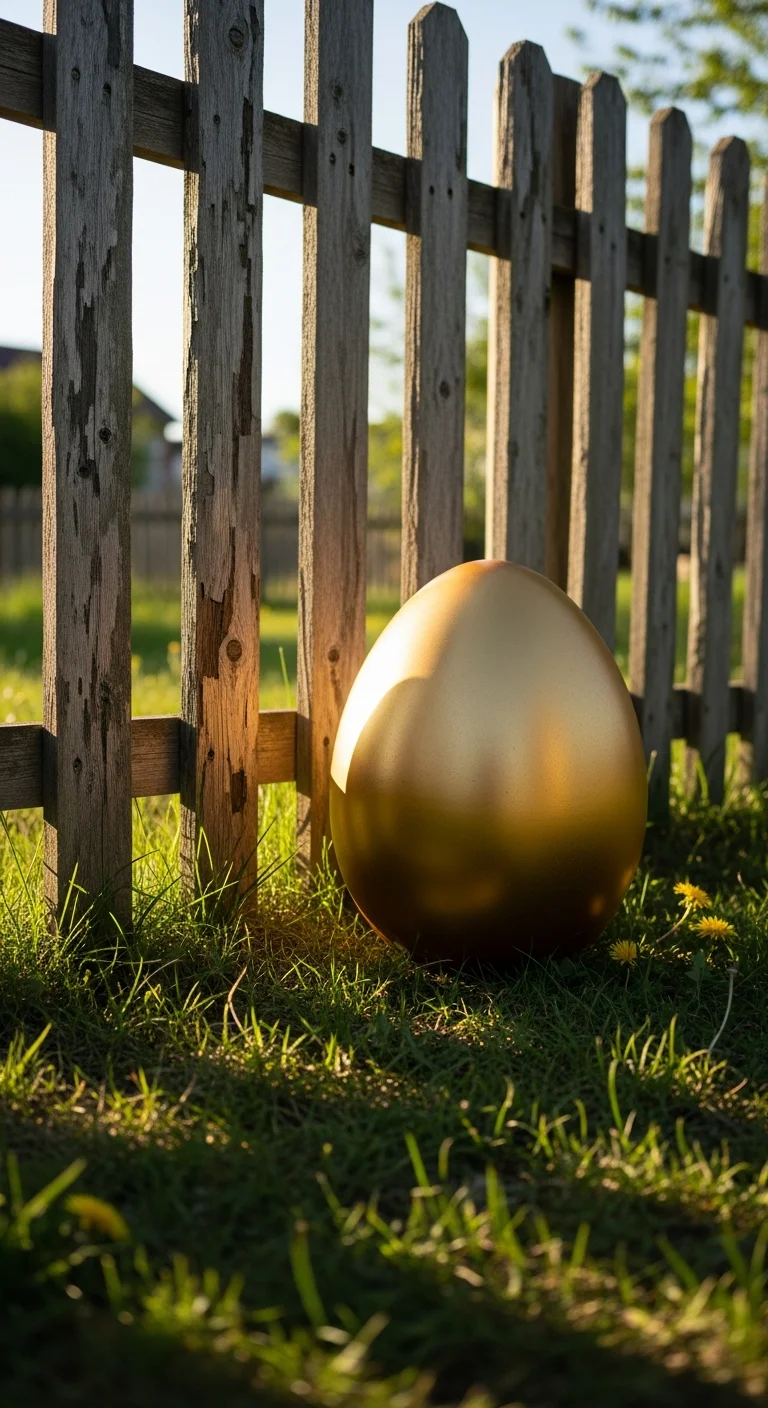
To add a competitive yet fun element, hide a few highly anticipated ‘Golden Eggs.’ These should be distinct—either painted gold, much larger than the rest, or specially decorated. The contents of the Golden Egg should be worthwhile, such as a gift certificate for ice cream, a movie ticket, or a voucher for a special family outing. This creates motivation and anticipation beyond just the candy haul. Make sure to announce the total number of golden eggs beforehand so the kids know exactly what they are looking for, ensuring a focused and exciting race to the finish line.
Scented Trail Markers for Tiny Hunters
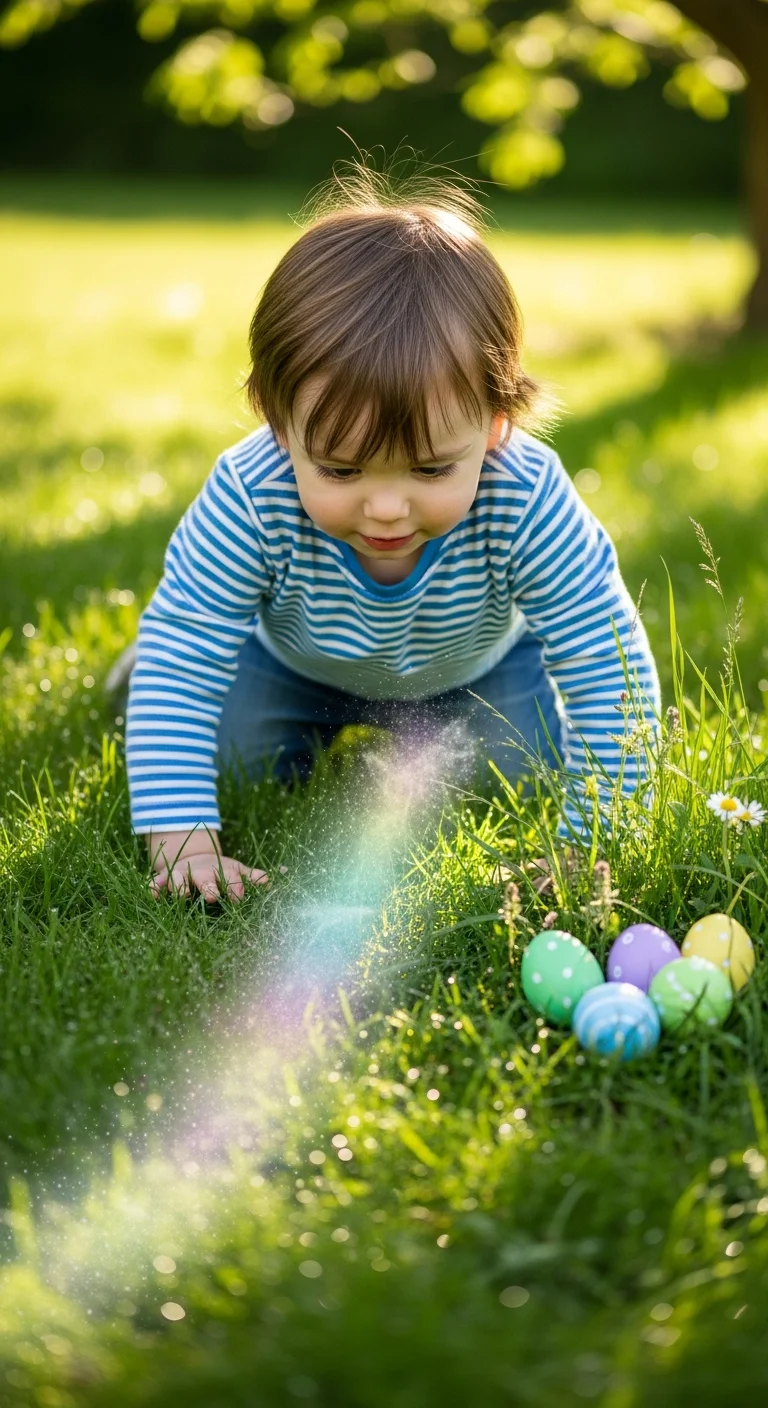
For the youngest participants who are still developing their visual hunting skills, engage their sense of smell! This hack involves rubbing a drop of child-safe essential oil (like vanilla, lemon, or peppermint) on the outside of the plastic eggs. Hide the eggs slightly deeper in the grass or under small bushes. The subtle scent trail helps guide the toddlers who might otherwise overlook the treasures. This transforms the activity into a fun sensory exercise. Be mindful of severe allergies and choose scents that are mild and non-irritating for outdoor use.
Pre-Filling Egg Station Teamwork
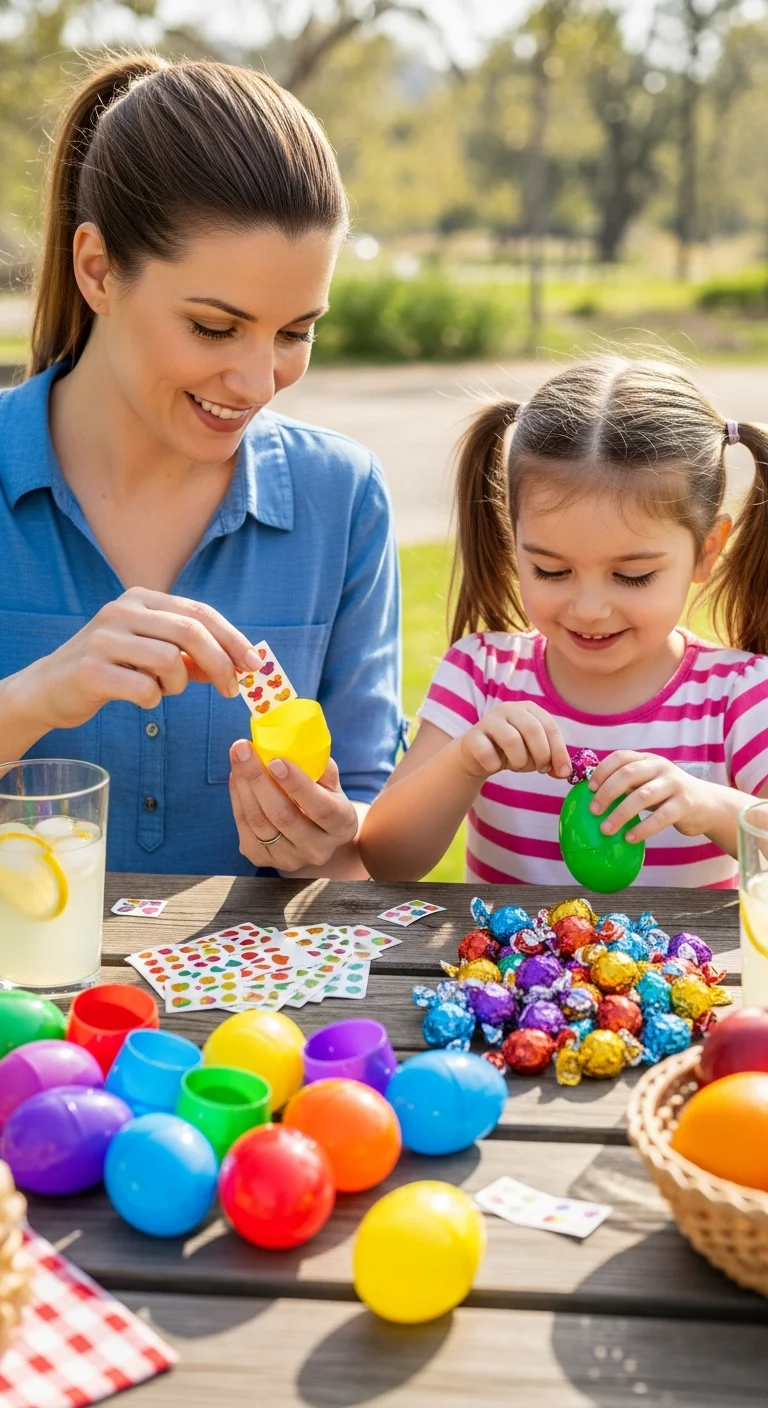
The most time-consuming part of any egg hunt is the preparation—specifically, filling dozens or even hundreds of eggs. Instead of agonizing over this task the night before, set up a dedicated ‘Pre-Filling Egg Station.’ Lay out all your candy and prizes, provide a container for each child, and involve them in the non-hiding preparation tasks. Not only does this cut down on your workload, but it builds excitement and gives them ownership of the event. While they are busy working, they can also help make some cute easy Easter crafts ideas for decorating the hiding spot boundaries.
Photo Scavenger Hunt Clues for Teens
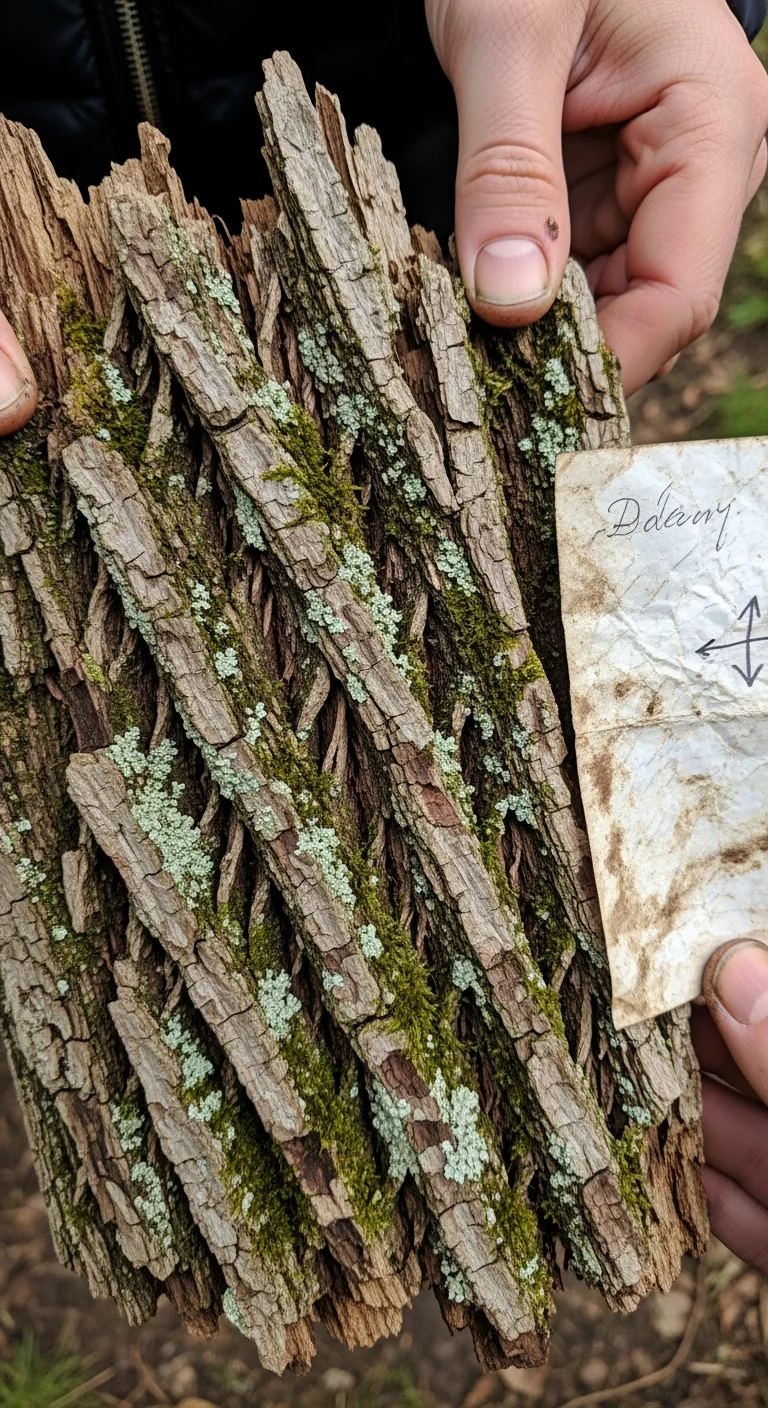
Teens often feel too cool for traditional egg hunts, but a challenging scavenger puzzle can pique their interest. Use a phone or camera to take extreme close-up photos of the hiding spots: the texture of a brick, a specific knot in a tree, or the handle of a garden tool. Place the resulting photo clues inside the eggs. Once they find an egg, they must solve the cryptic image to discover the next hiding place, making it a multi-stage puzzle. This requires logic, observational skills, and teamwork, turning a simple hunt into a complex detective game.
Balloon Egg Weights for Visibility
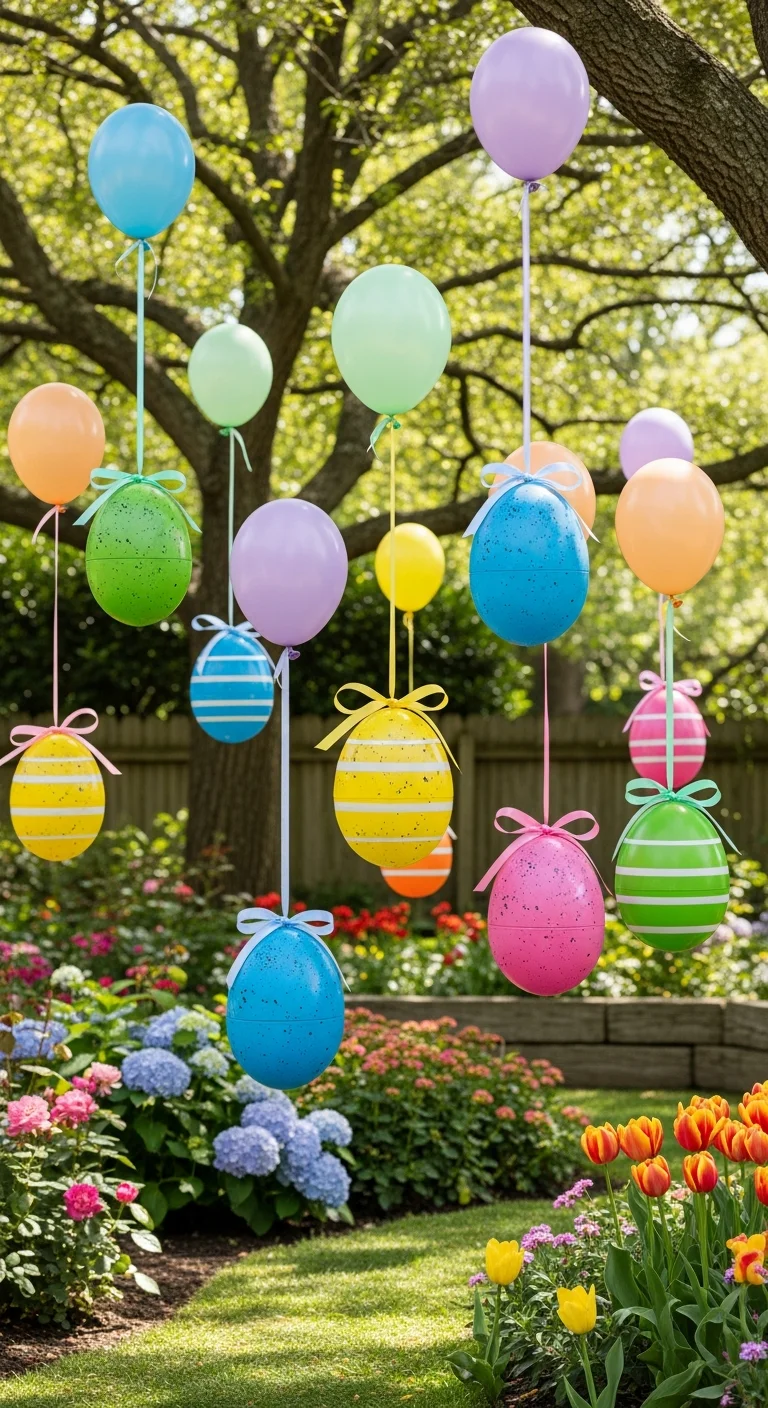
Hiding eggs too thoroughly can lead to frustration, but hiding them too obviously removes the challenge. To strike the perfect balance, tie a small, short ribbon to a helium-filled balloon and attach the other end to the hidden egg. This works especially well in areas where you’ve recently added some beautiful DIY backyard decor ideas. The balloon will gently float a foot or two above the ground, making the location slightly visible, but still requiring the hunter to navigate through bushes or tall grass to retrieve it. Choose muted, natural-colored balloons to maintain the challenge level.
Map and Compass Navigation Challenge
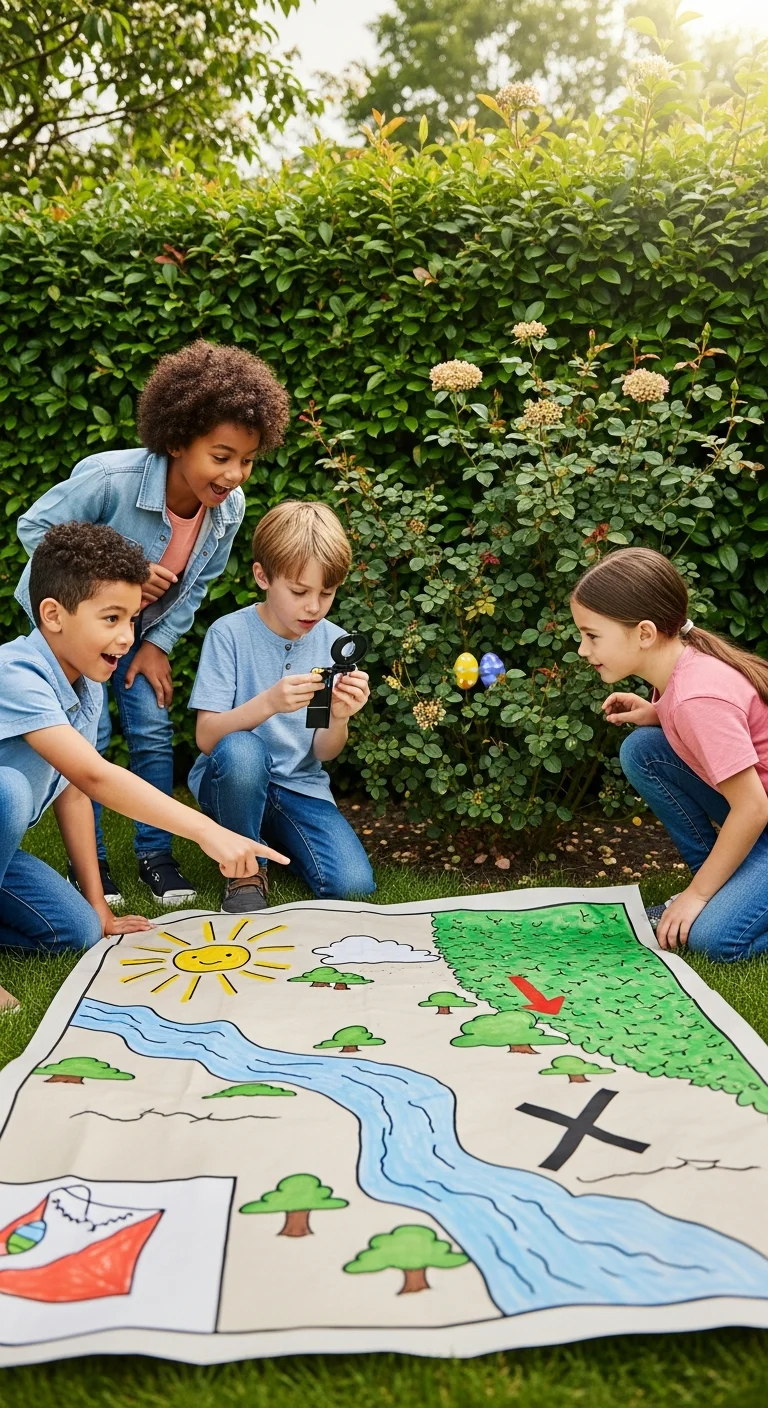
Elevate the hunt to an exciting orienteering adventure. Create a simple, hand-drawn map of your backyard and assign coordinates or numbered zones where eggs are hidden. Provide each child (or team) with a beginner’s compass and the map. They must use basic navigation skills to locate their assigned eggs. This is perfect for children aged 8 and up. You can even include a fun ‘Legend’ on the map detailing specific landmarks like the ‘Dragon Tree’ or ‘Fairy Fountain.’ This emphasizes teamwork, directional skills, and exploration.
Wet Weather Proofing Containers
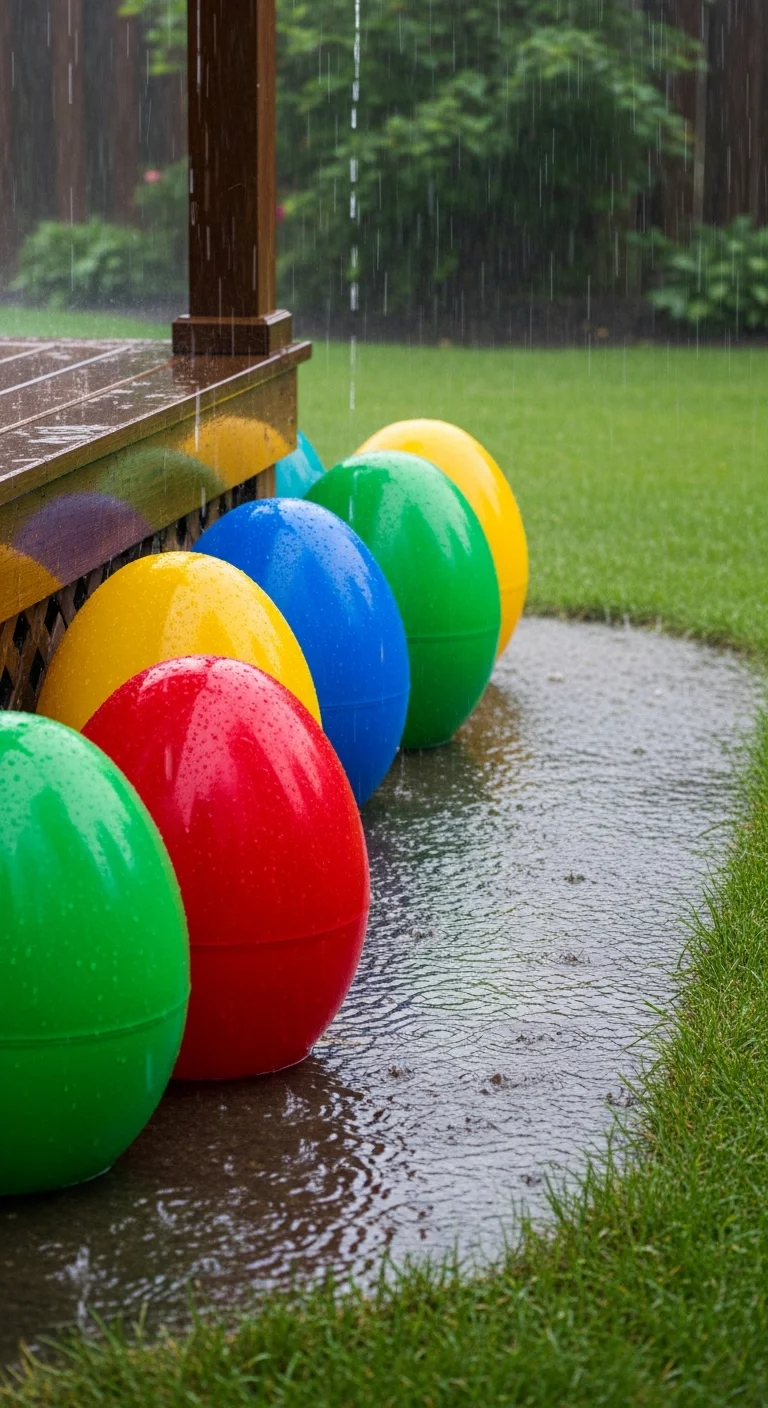
Don’t let a little drizzle cancel the fun! If rain is forecast, traditional plastic eggs often don’t seal well enough to protect paper or candy fillings. Use heavy-duty, waterproof containers instead, such as repurposed small spice jars, baby food containers, or even sturdy plastic craft boxes. Line the inside with a small square of paper towel or tissue paper to absorb any unexpected moisture, especially if you are placing chocolates inside. If using edibles, ensure the containers are thoroughly cleaned and dry. This prep guarantees the hunt can proceed, rain or shine.
The ‘Swap Shop’ Redemption Rule
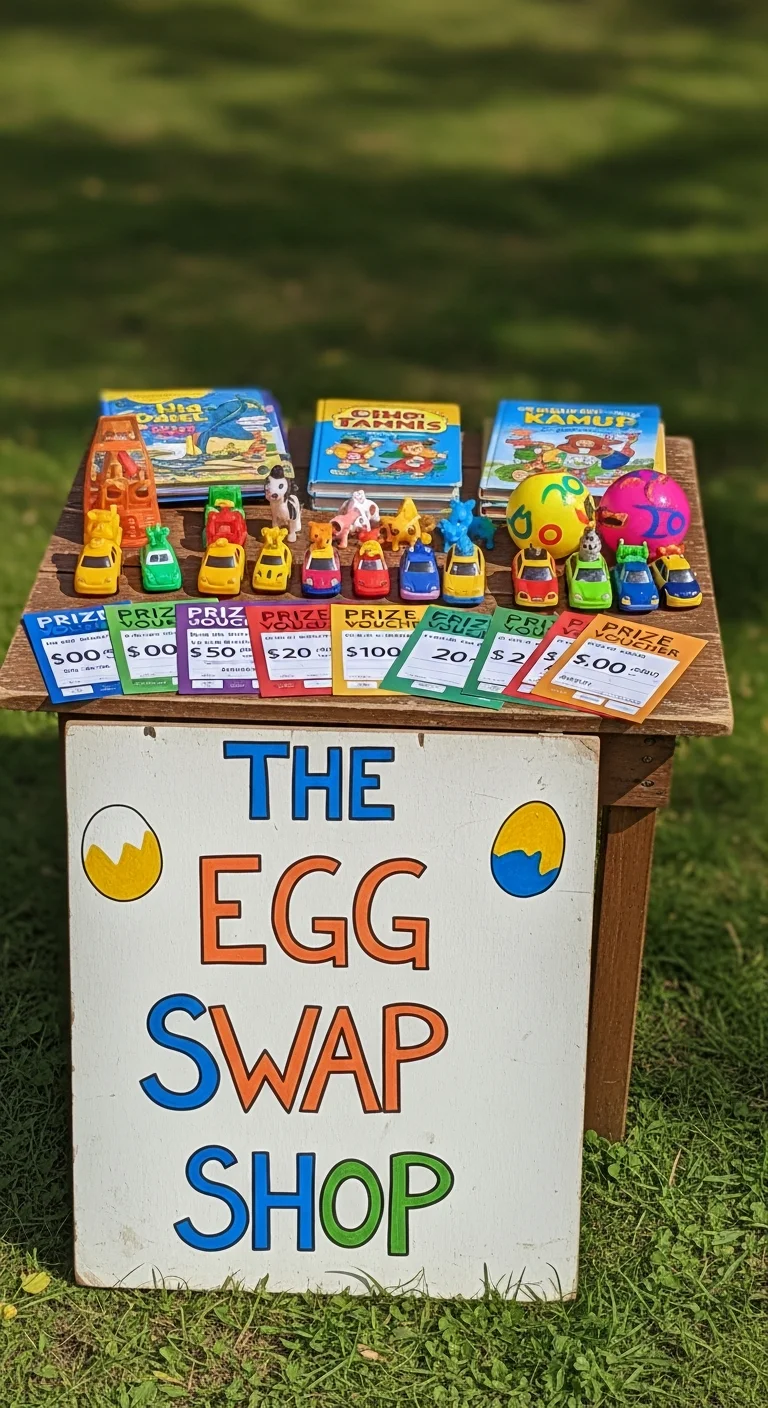
Minimize the candy chaos by including ‘Swap Shop’ slips instead of just filling every egg with sugar. Fill 25% of the eggs with small slips of paper redeemable for prizes like stickers, coloring books, small toys, or even “vouchers” for privileges (e.g., control of the TV remote for an hour). After the hunt, kids visit the ‘Swap Shop’ counter to trade their slips for non-candy rewards. This reduces sugar intake while adding excitement and minimizing the number of cheap plastic toys you have cluttering the house afterward.
The Bunny Track Flour Trail
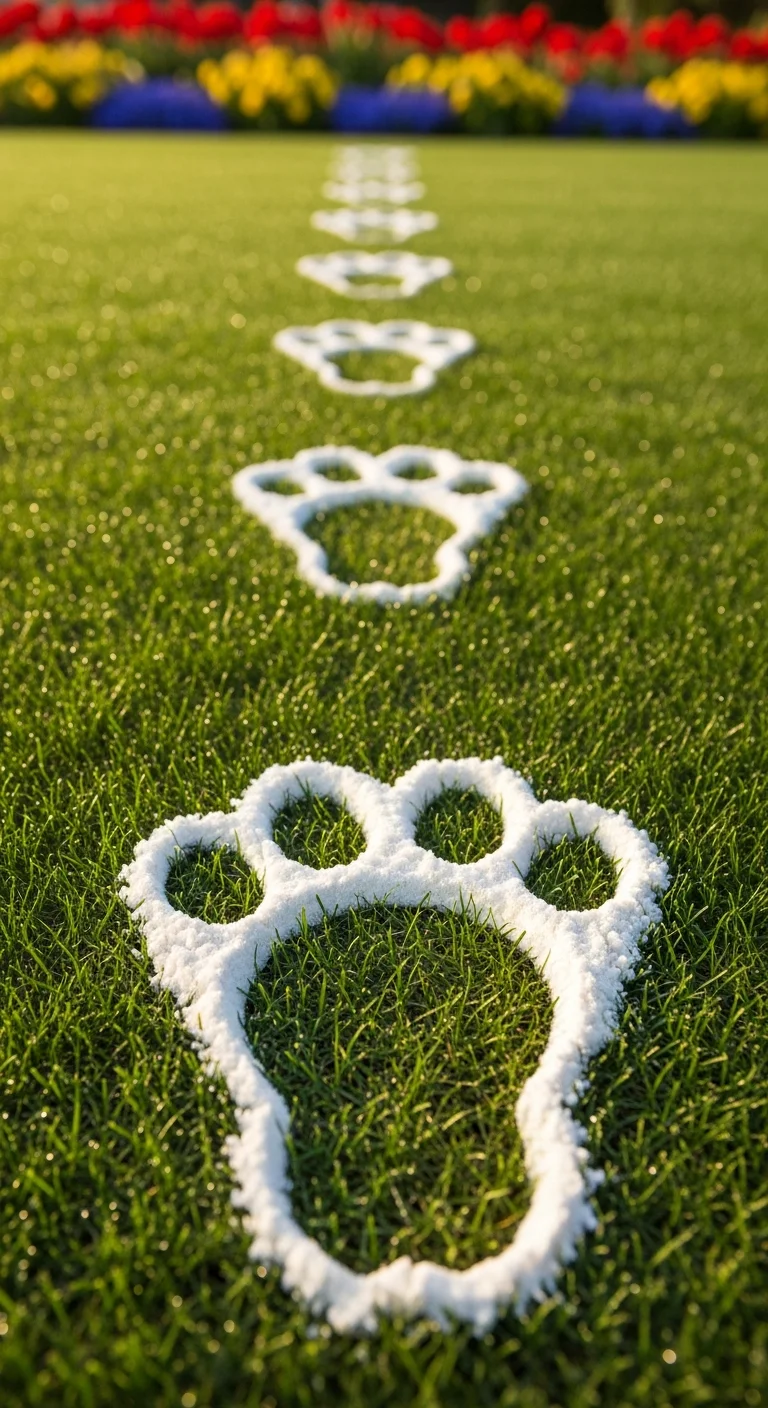
Guide tiny hunters toward the trickier spots using a fun visual aid: bunny tracks! Use a simple stencil and baking flour, cornstarch, or temporary yard spray paint to lay down a trail of bunny footprints leading toward the hiding areas. This creates a charming visual element that builds excitement and provides a non-invasive guide. It’s particularly effective in leading kids away from overly obvious spots and toward areas they might naturally overlook, like behind garden pots or under seating. Remember to use non-toxic materials that will safely dissipate or wash away easily.
Varying Hiding Height Levels
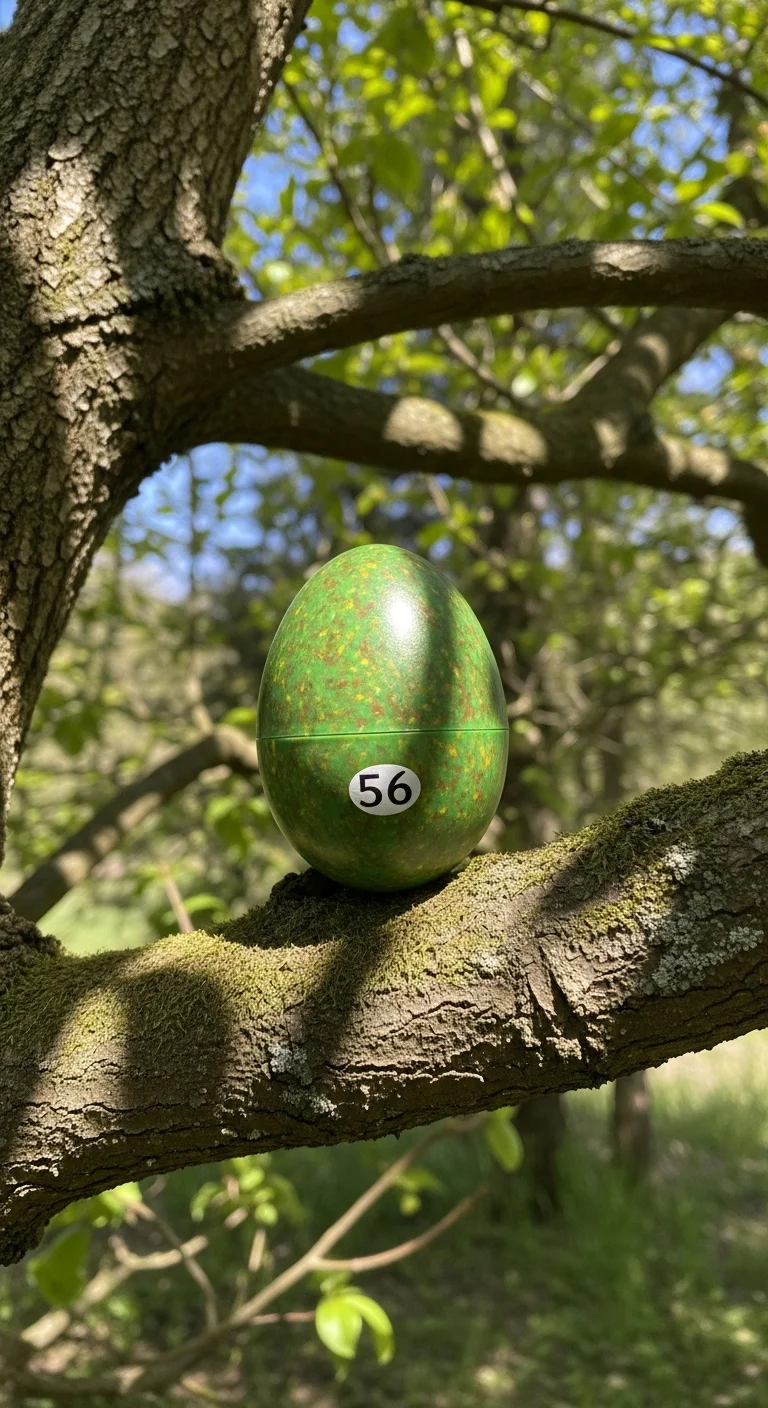
To ensure both toddlers and taller children are engaged, utilize the full vertical space of your yard. Level 1 (Toddlers): Eggs are hidden on the ground, in shoes, or under upside-down buckets. Level 2 (Middle Kids): Hidden on patio chairs, low branches, or nestled in tall grass. Level 3 (Older Kids/Teens): Eggs are placed high up—in tree crooks, on window sills, or taped to the underside of outdoor furniture. Clearly communicate which levels correspond to which age group to maintain fairness and maximize the challenge for everyone involved.
Staggered Start Times for Better Pace
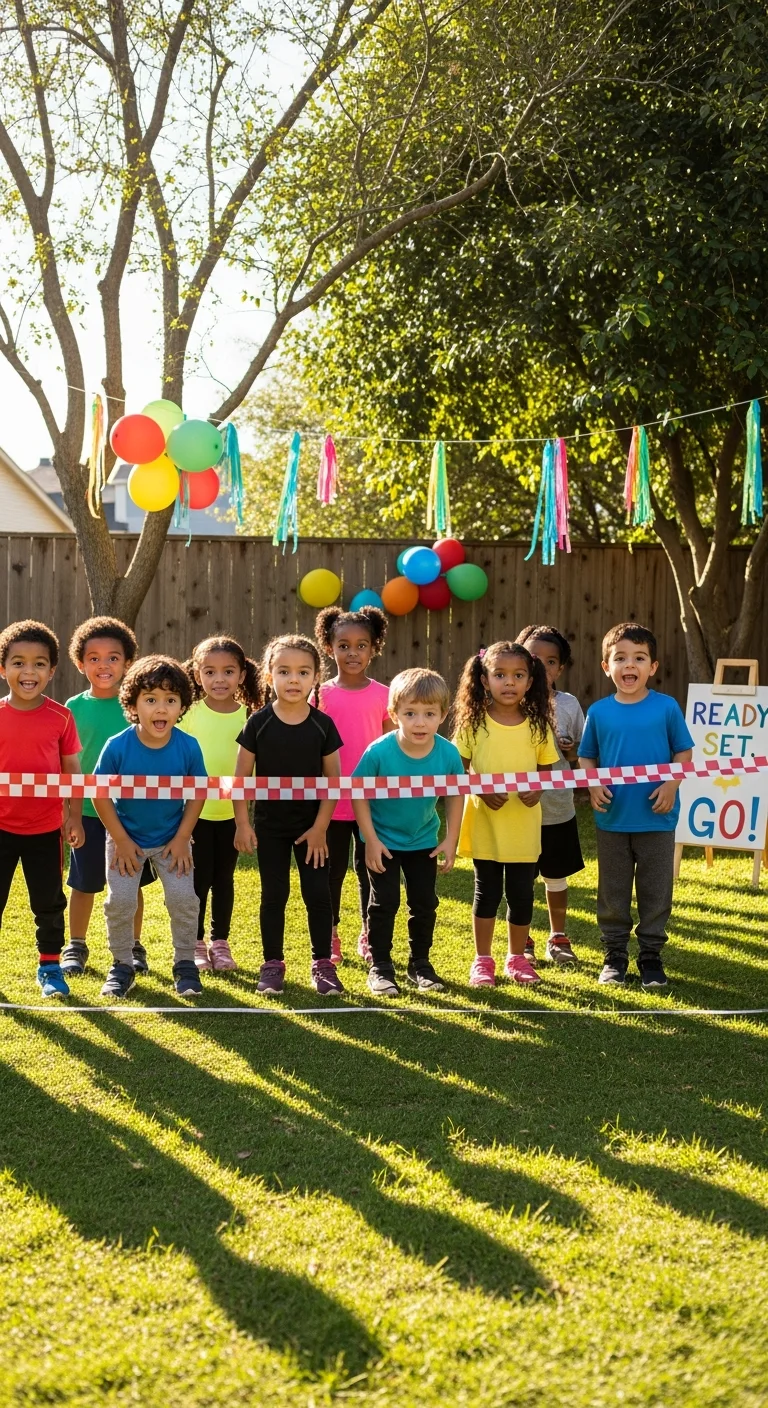
If you have a large group, a simultaneous start can result in a chaotic, two-minute frenzy. Implement staggered start times based on age or group size. Release the youngest participants first, giving them a 5-minute head start. Then, release the middle group, and finally, the teens. This extends the duration of the fun, prevents the speediest hunters from grabbing everything instantly, and allows younger kids to enjoy their search without feeling overwhelmed by the stampede. Use a countdown timer and a cheering starting line to make each release exciting.
Empty Egg Redemption System
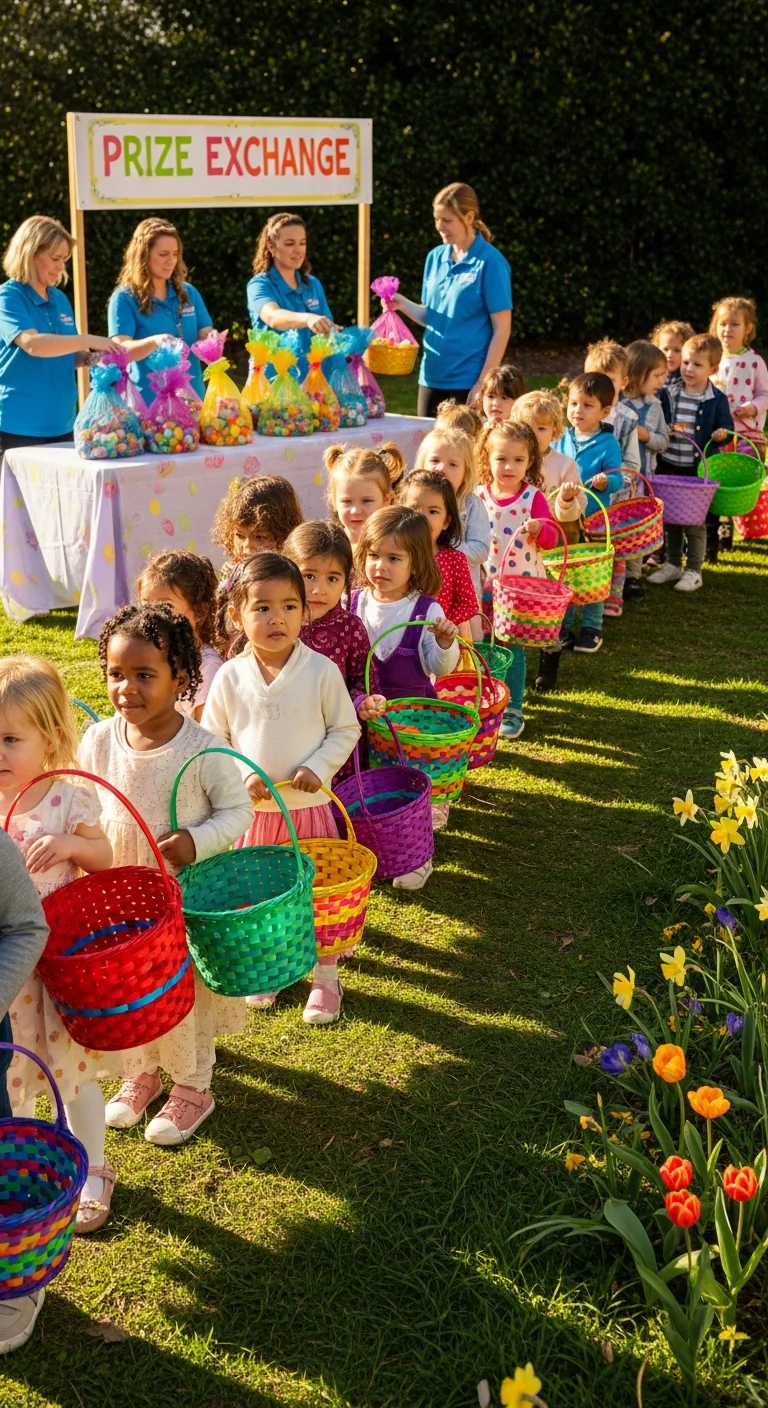
If you are concerned about managing prizes or maintaining excitement without filling 100 eggs with small pieces of candy, try the empty egg redemption system. Hide only empty plastic eggs. Once the hunt is over, kids count the total number of eggs they collected and trade them in for a pre-assembled prize bag or a large prize corresponding to their total count. This saves valuable preparation time, eliminates the risk of hidden, melted chocolate, and ensures that everyone gets a fair, proportionate reward based on their effort.
The Post-Hunt Refuel Station
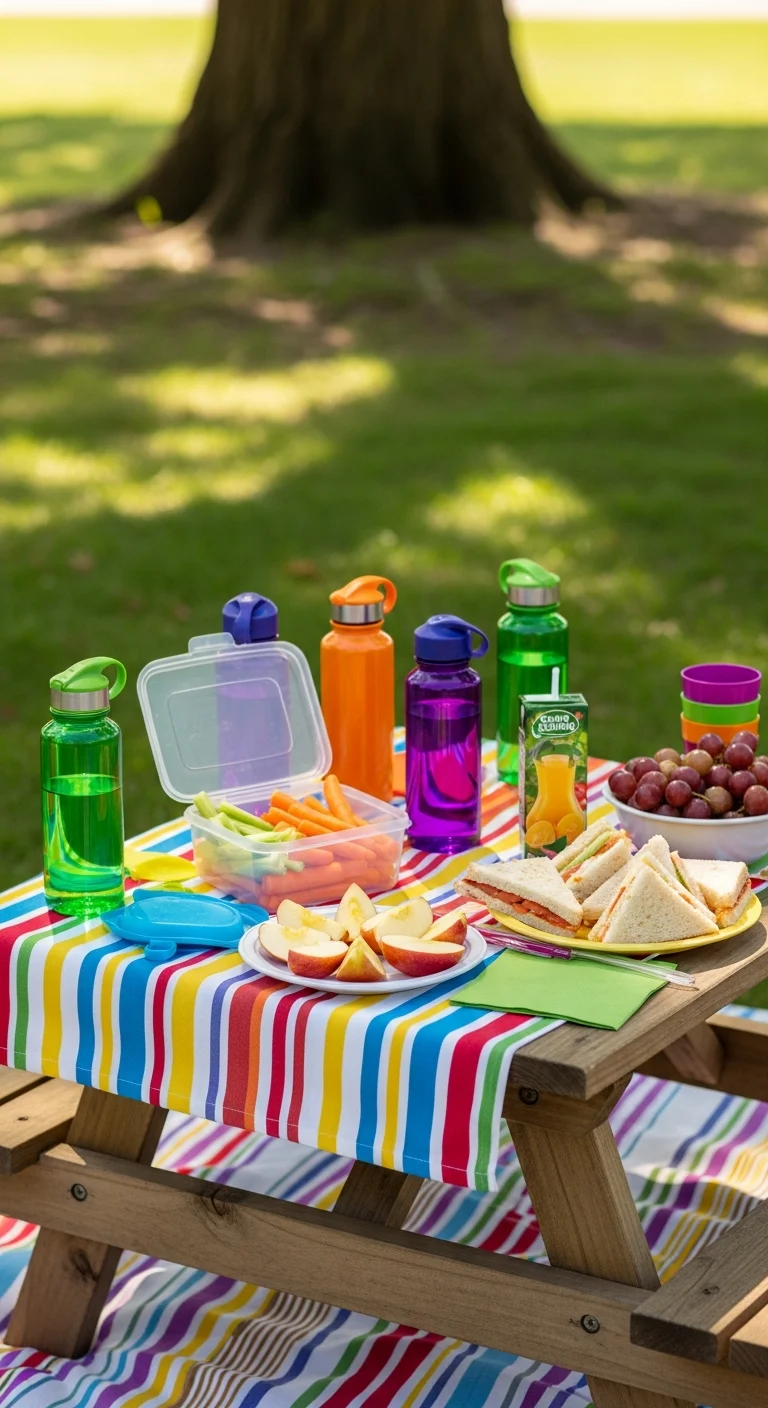
The period immediately following a high-energy egg hunt can quickly descend into chaos due to excitement, exhaustion, and hunger. Be prepared with a dedicated ‘Refuel Station’ ready for immediate use. This should include simple, hydrating drinks (water, juice boxes) and easy-to-grab, non-messy snacks like granola bars or fruit slices. Having a designated spot where everyone can sit down and decompress while counting their haul minimizes meltdowns. After all that searching and running, they certainly deserve a chance to recharge before the next activity, perhaps with some satisfying and savory post-hunt chicken and dumpling shortcuts.
The Reverse Hunt Cleanup Incentive
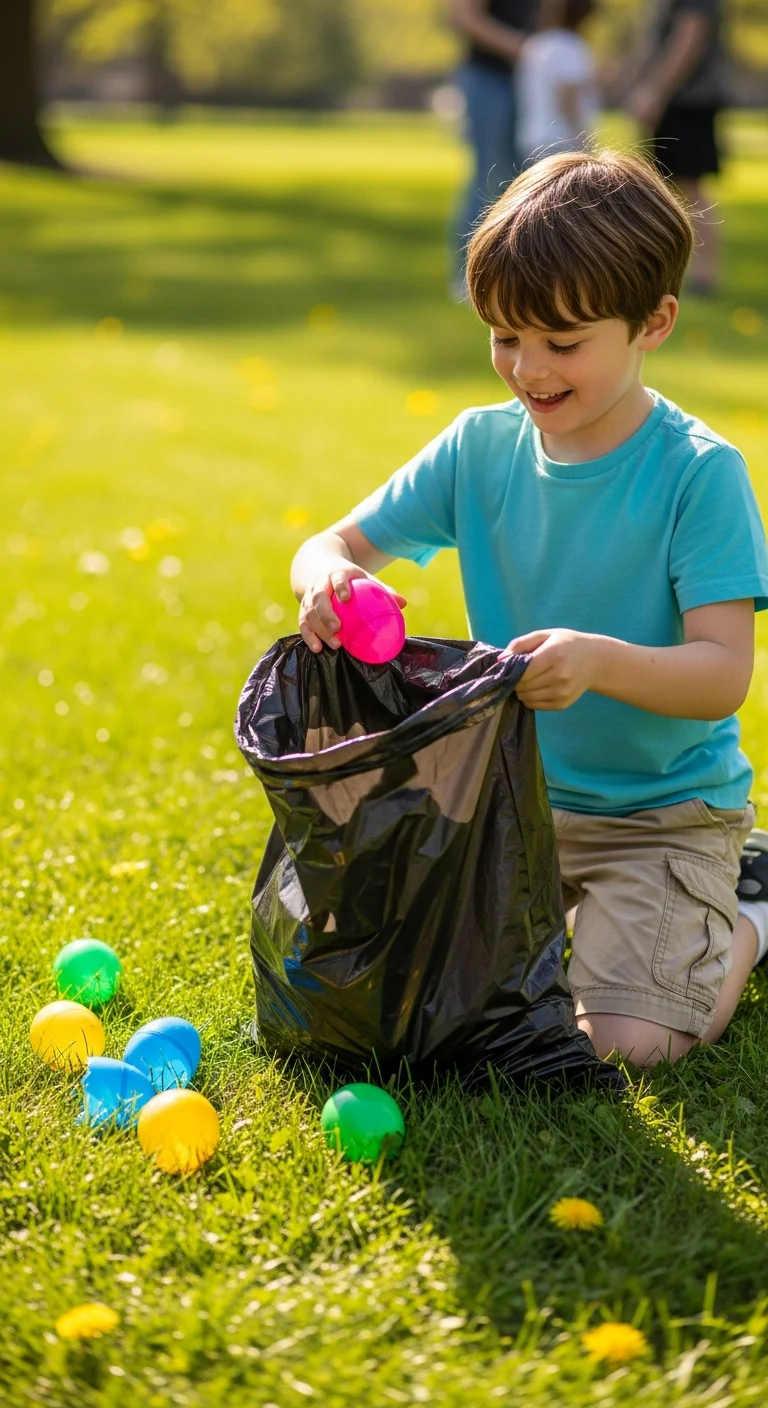
After the initial excitement dies down, there is always the risk of leaving behind dozens of empty plastic egg halves in the grass—a hazard for lawnmowers and local wildlife. Implement a ‘Reverse Hunt’ rule. Once the main event is over, offer a small bonus prize (like an extra chocolate bunny or a movie rental voucher) to the child who finds the most lost or abandoned plastic egg parts during the cleanup phase. This simple incentive turns the chore of tidying up into a final, competitive round of searching.
Egg Hunt Photo Booth Fun

While the kids are busy hunting, keep the parents and onlookers entertained, and capture great memories, by setting up a simple outdoor Photo Booth. Find a sunny spot near the activity and hang a colorful backdrop or banner. Provide funny, spring-themed props like giant bunny ears, novelty sunglasses, big bow ties, and maybe even a large plastic carrot. This gives attendees a structured, fun activity during the downtime and provides shareable content for lasting memories of the day’s festive energy. Ensure the props are easily accessible and near the main gathering area.
Pool Noodle Protectors for Hiding Spots
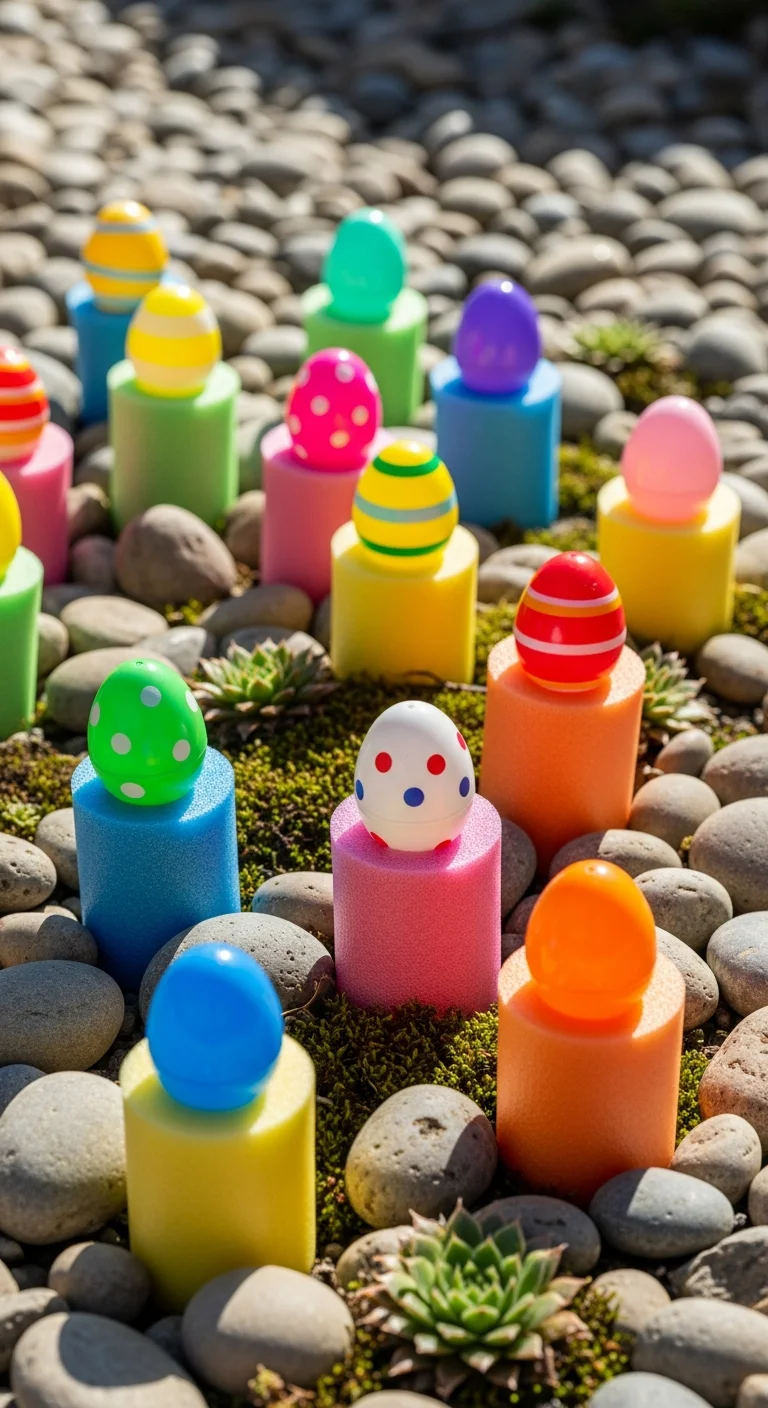
When hiding eggs near harder, less forgiving surfaces like concrete pavers, rock beds, or brick walls, eggs can easily crack if someone accidentally steps on them or they are hidden too vigorously. Cut inexpensive foam pool noodles into short, circular segments (about 2 inches high). Nest the plastic eggs snugly inside these foam rings before hiding them. The soft foam provides a protective cushion, safeguarding the eggs and their contents from impact, guaranteeing that all prizes are intact when found by the enthusiastic hunters.
The Sensory Egg (Non-Candy Option)

If you have participants with food allergies, dietary restrictions, or if you simply want to minimize sugar intake, turn to sensory fillings. Instead of candy, fill the eggs with non-food items suitable for sensory play. Think dry rice, colorful dried beans, kinetic sand, homemade playdough, or tiny craft supplies like buttons or pompoms. These fillings provide an enjoyable, tactile reward and are often reusable. Be sure to clearly mark these eggs if mixing them with traditional candy-filled ones, ensuring parents are aware of the contents.
Personalized Baskets Prevent Arguments
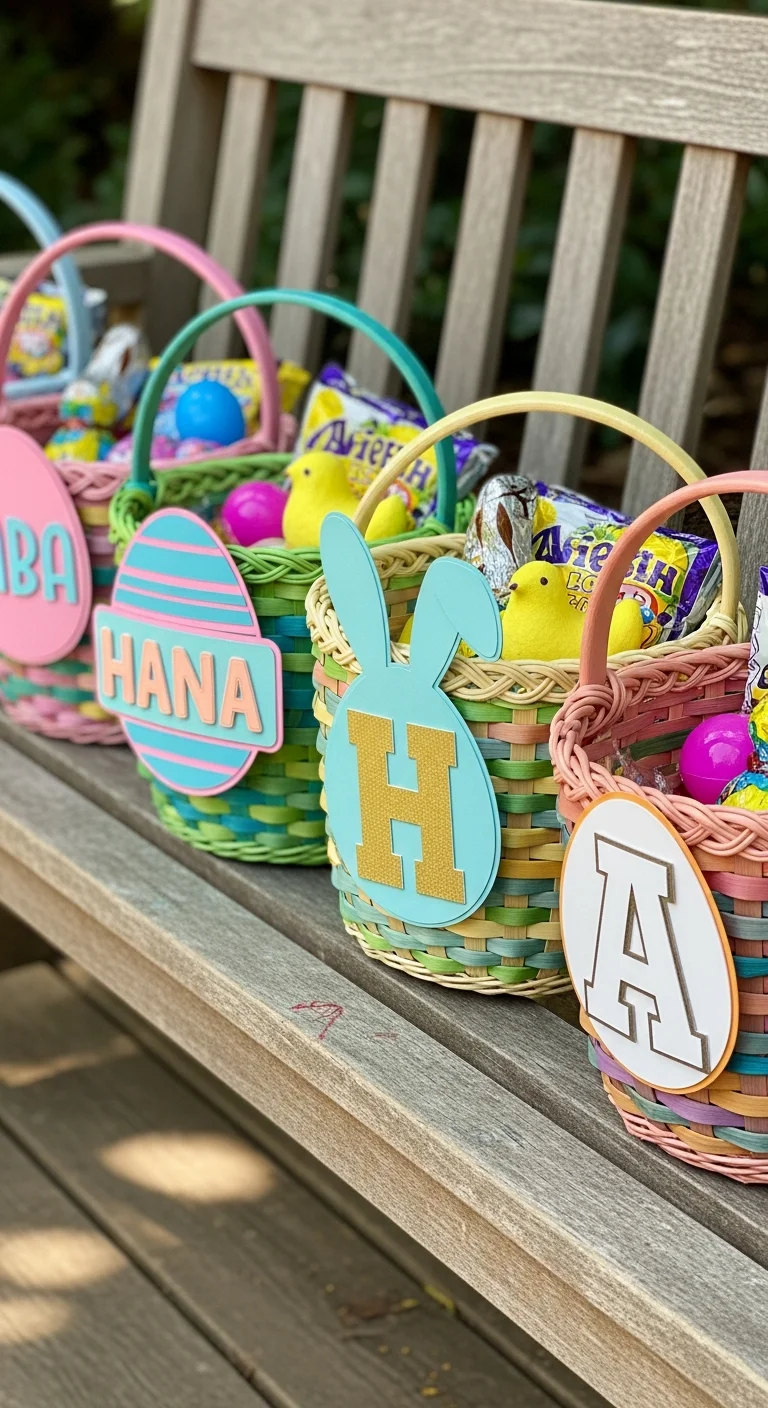
One of the quickest routes to a post-hunt argument is uncertainty over whose basket is whose, or confusion over a shared collection. Solve this preemptively by providing or ensuring each child brings a basket that is clearly and prominently personalized. Use durable labels, stick-on letters, or attach large tags with their name or initials. This simple organization hack prevents ownership disputes during the hunt and ensures that every child can easily identify their hard-earned collection after the scramble is complete.
The Sound Effect Guide Hack
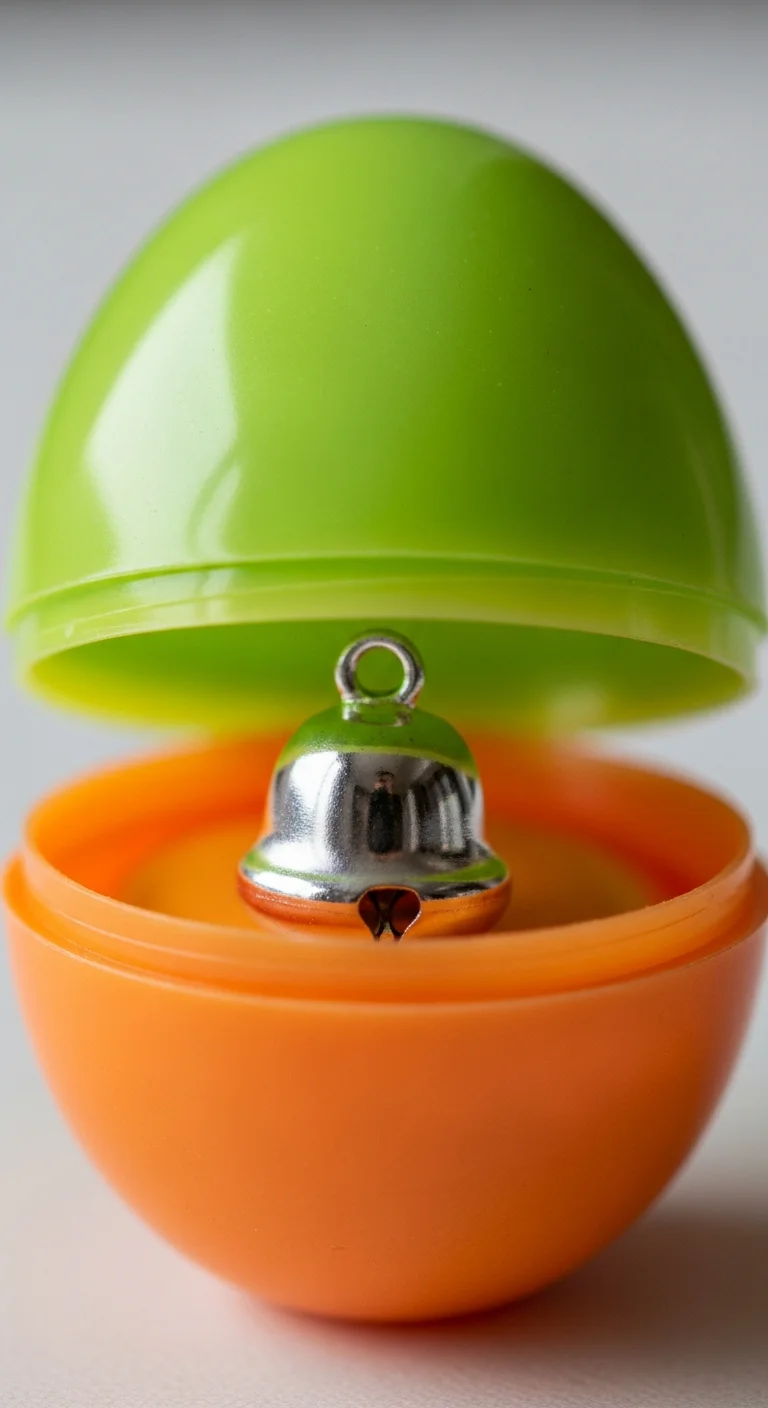
For eggs hidden in dense foliage, under thick bushes, or behind obstructions where sight is difficult, the sound effect hack is a game-changer. Place small, harmless noise-makers inside the eggs before sealing them—tiny bells, marbles, or even beads work well. When kids move near the hiding spot, shaking the foliage or ground may cause the eggs to rattle or chime slightly, guiding them to the treasure. This is highly effective for visual impairment or just adding an extra level of fun engagement to the search process.
Timed Speed Rounds in Defined Areas
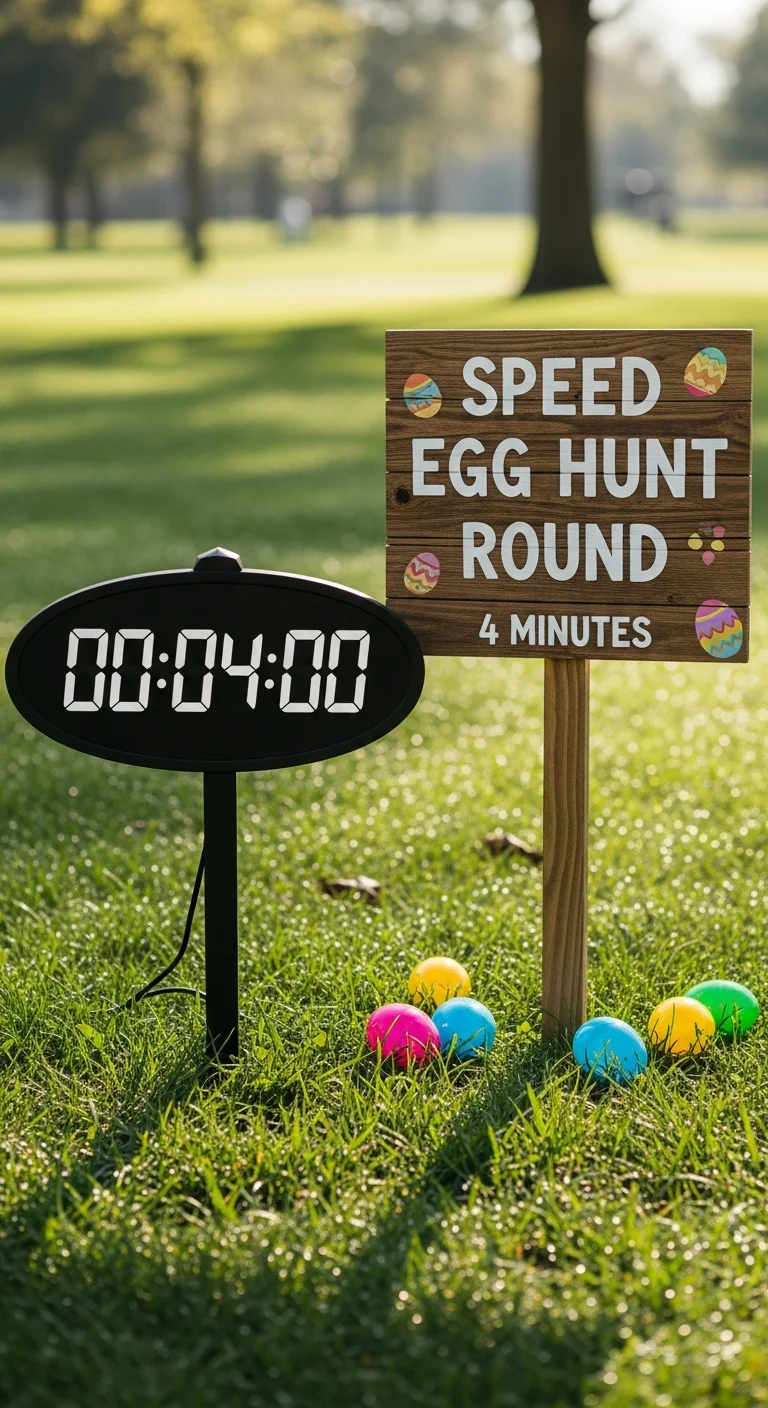
If you have a limited amount of space or a very large number of children, running short, timed ‘Speed Rounds’ is an excellent way to keep the energy high and ensure every child gets a chance to participate fully. Section off a small area of the yard and announce a 3-minute hunting window. Once time is up, the children move to a separate area while you quickly reset the first zone. Running three or four quick rounds keeps the challenge fresh, prevents exhaustion, and makes the activity feel longer and more dynamic than a single, sprawling search.