1. The Essential Pre-Salting Step
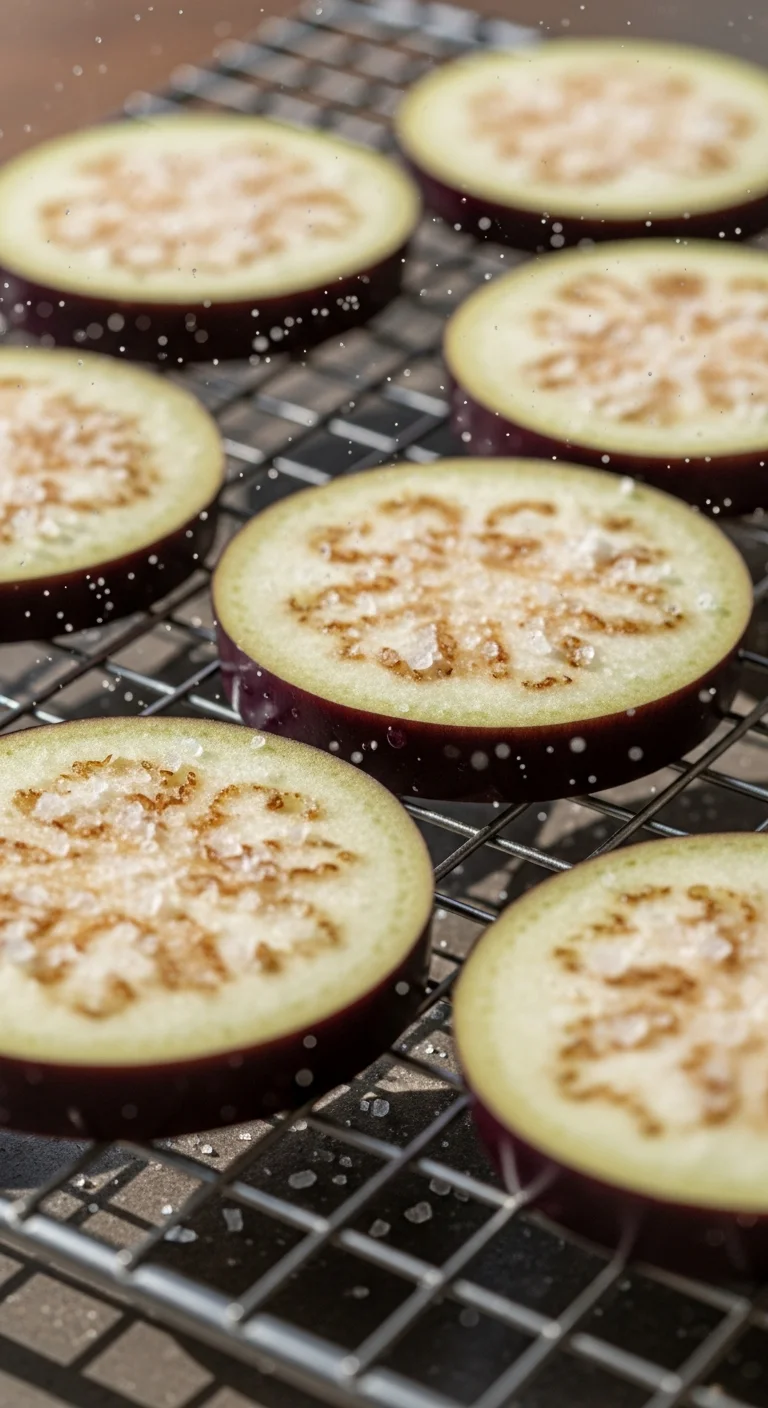
Before you even think about dredging, you must salt the eggplant. This isn’t just for flavor—it’s crucial for removing excess moisture and bitterness. Slice the eggplant into rounds (about 1/4 to 1/3 inch thick), lay them on a wire rack over a baking sheet, and generously sprinkle coarse salt over both sides. Let them sweat for at least 30 to 45 minutes. You will see dark liquid pooling on the surface. Afterward, thoroughly rinse the slices and pat them completely dry using paper towels. This preparatory step guarantees your eggplant will crisp up beautifully and prevent the finished casserole from becoming a soggy, watery mess. If you skip this, the steam created during baking will liquefy the entire dish.
2. Bake, Don’t Fry, for Healthier Crunch
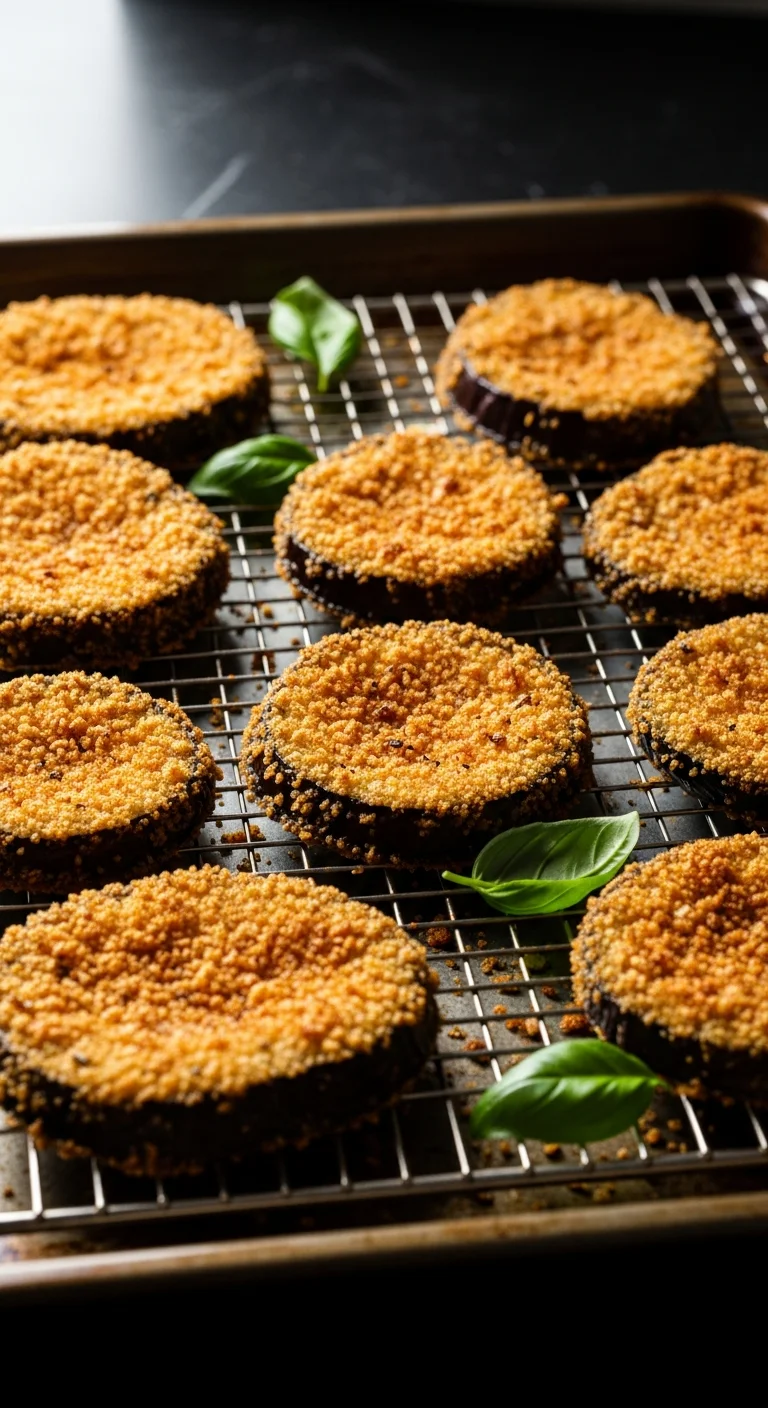
Traditional Eggplant Parm calls for deep frying, but baking provides a remarkably similar crunch with far less oil and mess. After the pre-salting stage, dredge the slices in a triple coating (flour, egg wash, breadcrumbs). Instead of frying, lay them flat on a parchment-lined baking sheet coated lightly with olive oil spray. Bake at 400°F (200°C) for 15 minutes, flip, and bake for another 5-10 minutes until golden brown and slightly crispy. They should be mostly cooked through before the final layering, ensuring they retain their structural integrity when baked in the sauce.
3. The Panko-Parmesan Coating Secret
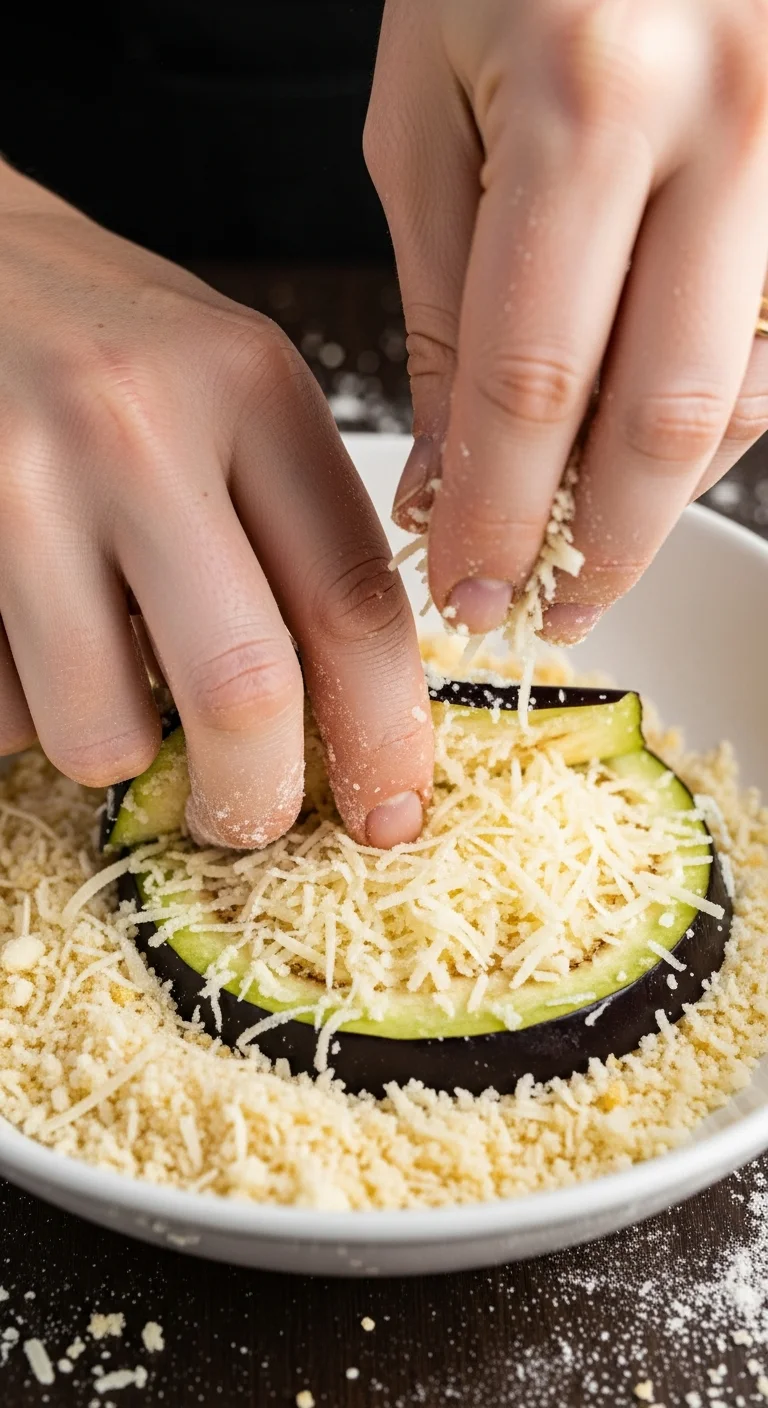
For maximum crispness, ditch regular breadcrumbs and opt for panko. Panko absorbs less oil and delivers a lighter, crunchier texture. To elevate the flavor profile of the coating, blend 3/4 cup panko with 1/4 cup finely grated Parmesan cheese, 1 teaspoon dried Italian herbs, and a pinch of black pepper. Make sure to press the eggplant slices firmly into the breadcrumb mixture so the coating adheres tightly. This savory, cheesy crust is the backbone of truly great baked Eggplant Parmesan, ensuring every bite has that satisfying textural contrast against the soft eggplant interior.
4. Using Low-Moisture Mozzarella
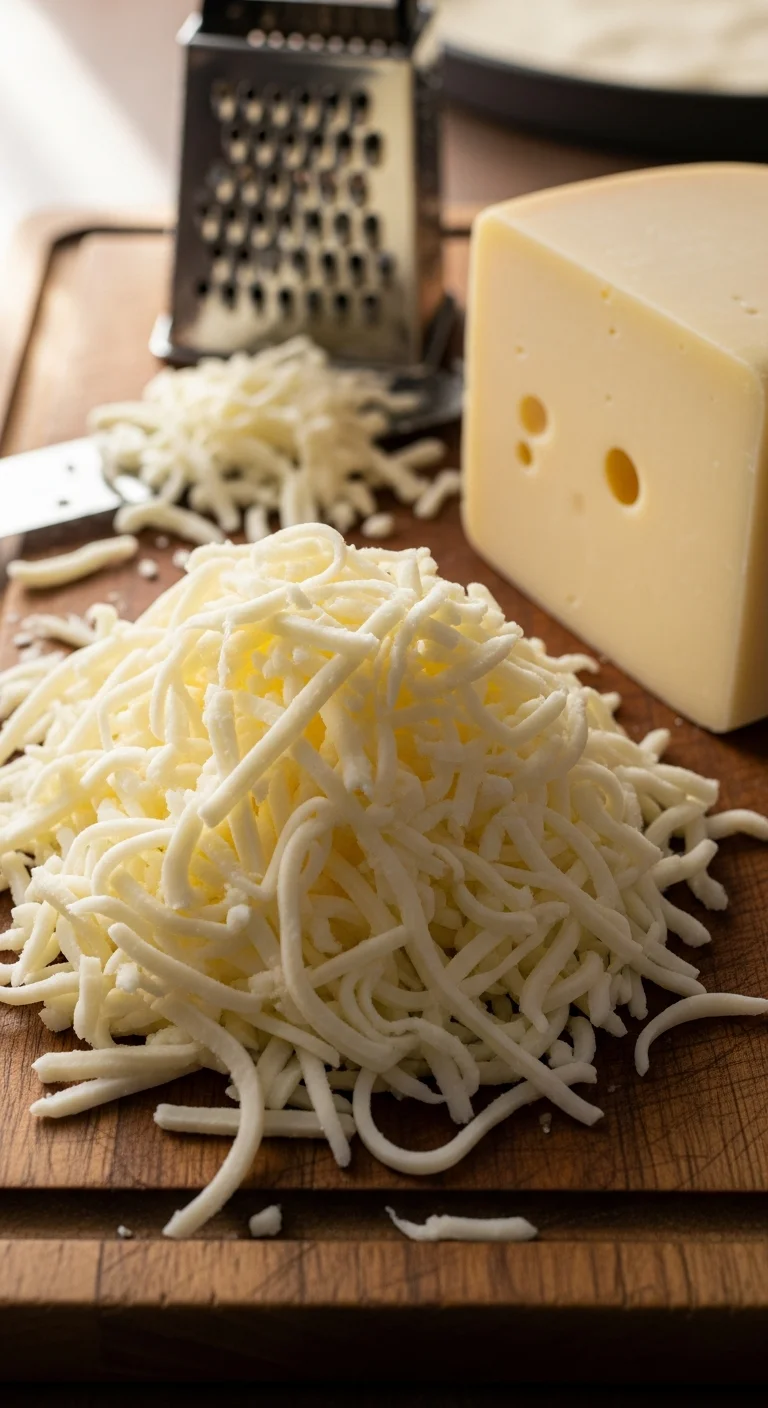
The type of mozzarella you use dramatically impacts the final texture of the dish. Avoid fresh mozzarella packed in water; while delicious, it releases too much moisture during the long bake time, leading to a runny result. Instead, choose pre-shredded or blocks of low-moisture, whole-milk mozzarella. Dice or shred it yourself, ensuring uniform pieces for even melting. For a richer, cheesier experience, consider blending the mozzarella with provolone or fontina, which melt smoothly and add depth without unnecessary liquid.
5. A Quick Roast for Lighter Prep
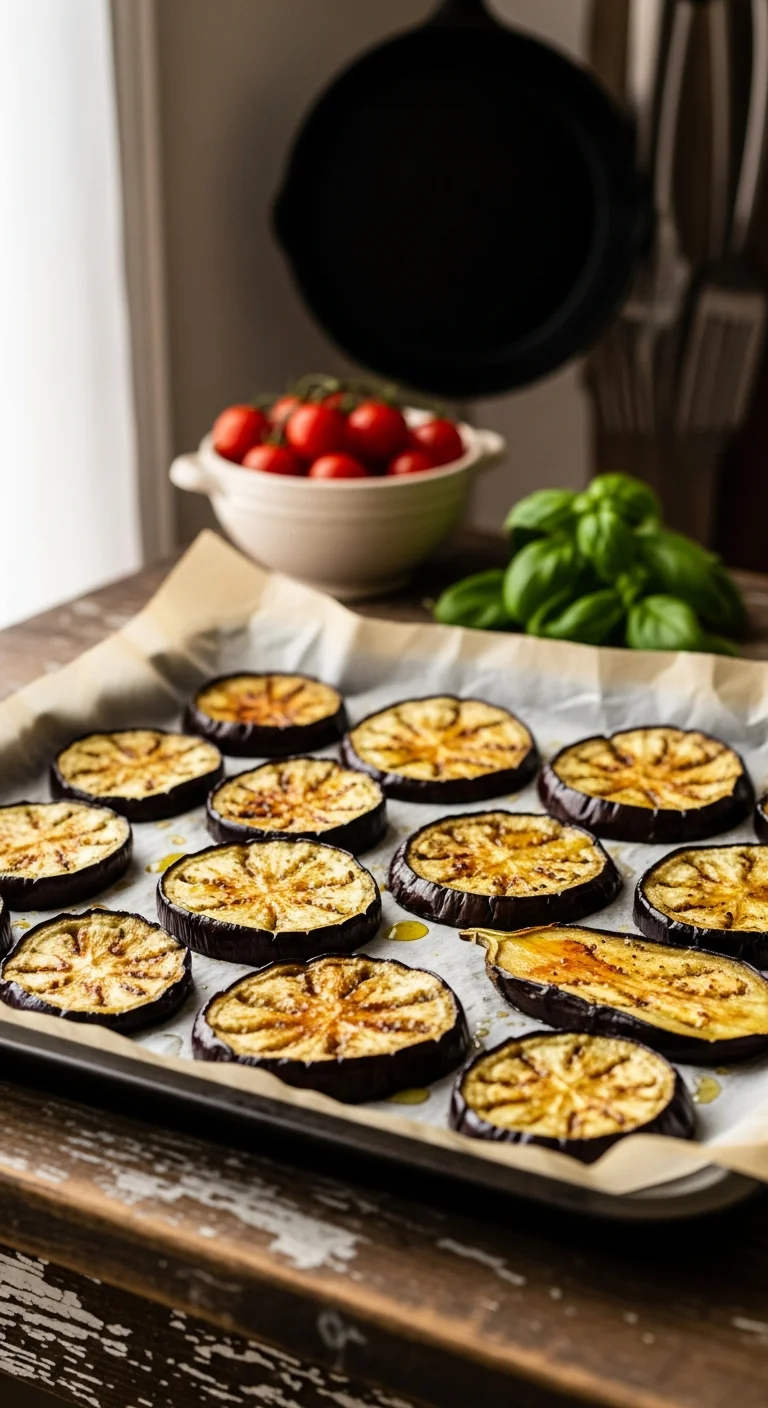
If you are trying to cut down on carbs or simply want a faster prep time without breading, try a quick roast. Skip the dredging process entirely. Toss the salted, dried eggplant slices with olive oil, salt, pepper, and garlic powder. Roast them at 425°F (220°C) until tender and deeply caramelized (about 20 minutes total). This method brings out the natural sweetness of the vegetable and provides an intense depth of flavor that complements the richness of the marinara and cheese. This technique works great if you are also preparing a heavier side dish, like one of these decadent browned butter pasta options.
6. Strategic Sauce and Layering
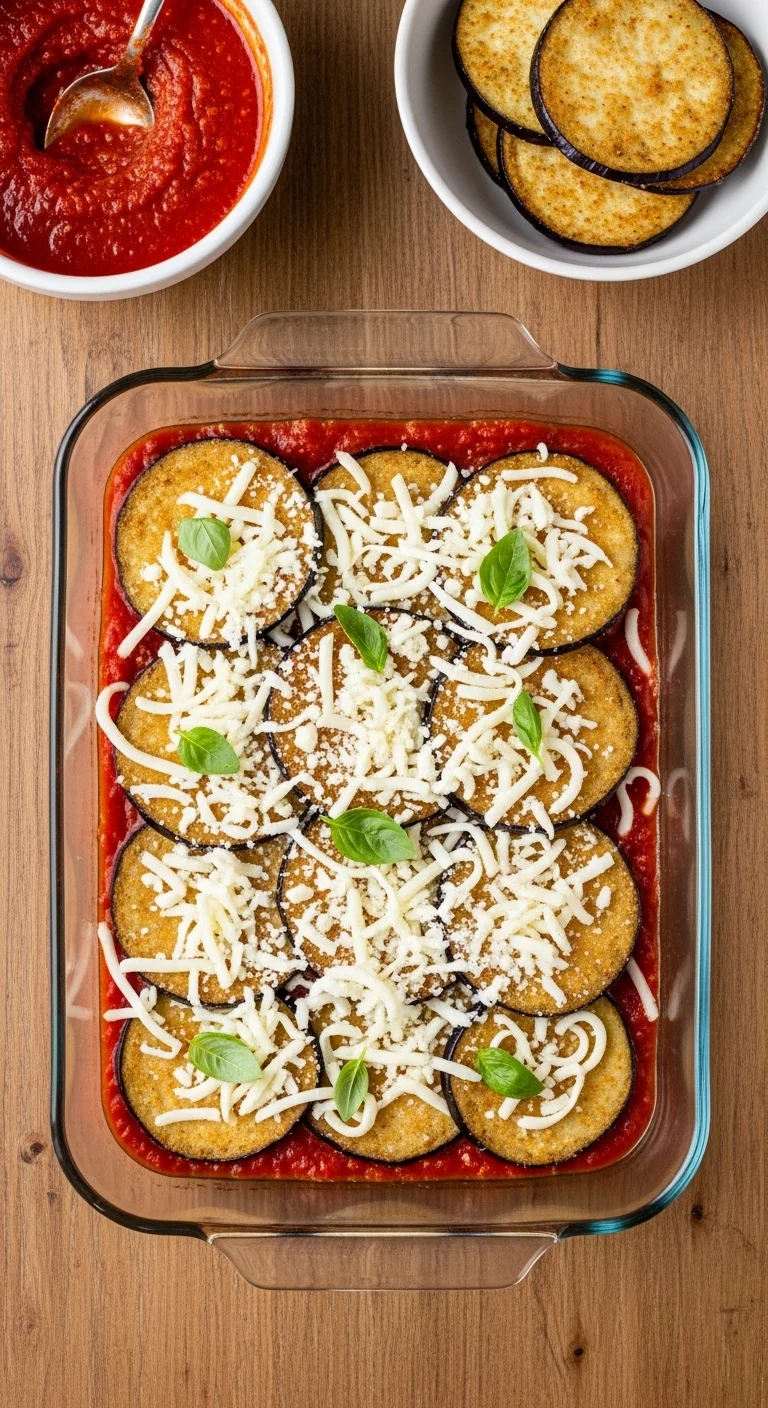
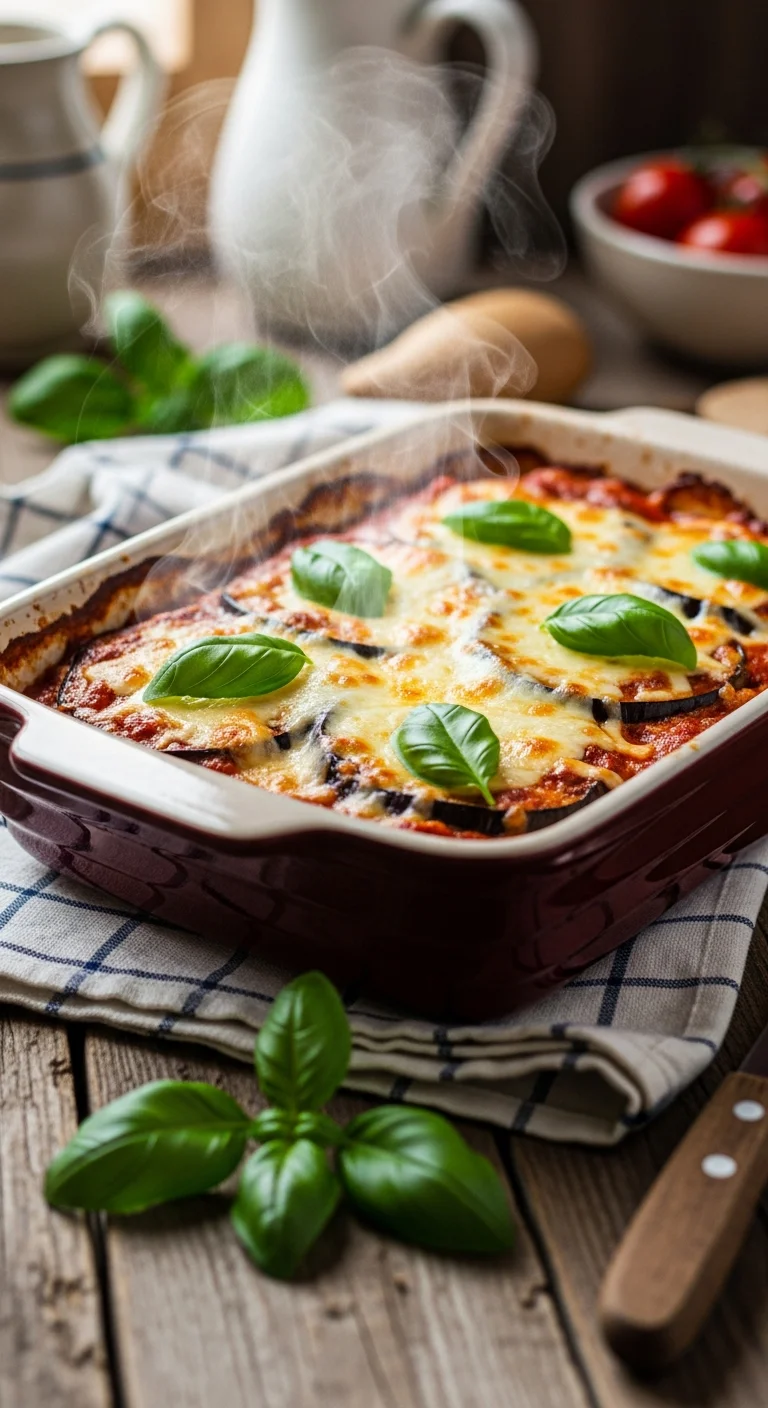
The key to preventing stickiness and ensuring flavor distribution is strategic layering. Always start with a thin layer of sauce on the bottom of the baking dish—this prevents the first layer of eggplant from gluing itself to the glass. When stacking, alternate layers: sauce, eggplant, ricotta/Parmesan blend, and finally mozzarella. Don’t be afraid to press down gently after each layer to eliminate air pockets. The goal is even saturation without drowning the eggplant, allowing the heat to penetrate and melt the cheese evenly throughout the entire stack. This meticulous layering is just as important as the technique used in making skillet lasagna weeknight wins.
7. Elevating Jarred Marinara
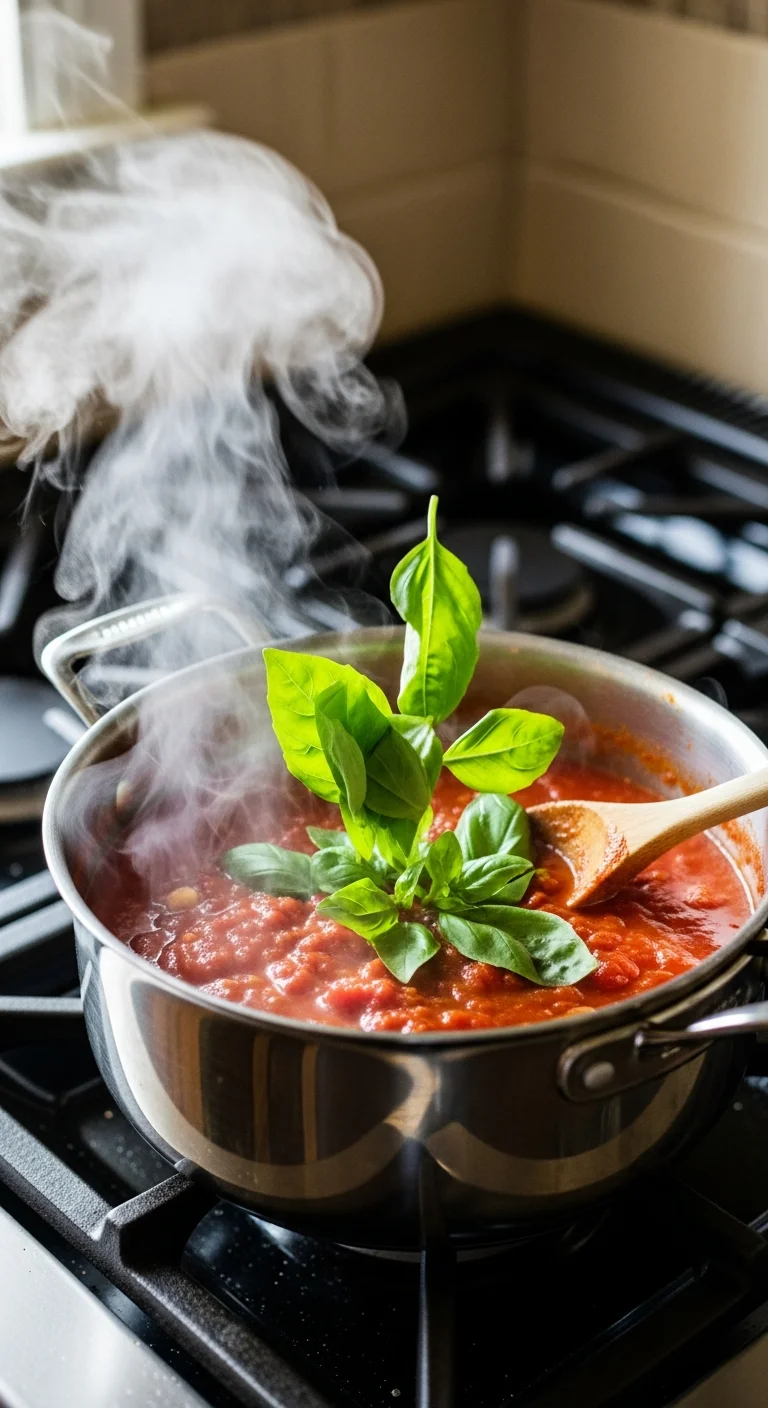
While homemade marinara is always superior, a high-quality jarred sauce can be a major time saver. However, don’t use it straight from the jar. Enhance its flavor dramatically by simmering it gently for 15 minutes with a few additions: a pinch of crushed red pepper flakes, one grated garlic clove, a splash of red wine, and a teaspoon of sugar (to cut the acidity). A bay leaf or a sprig of fresh basil tossed in while simmering will also infuse depth. This simple step transforms a standard jarred sauce into one that tastes slow-cooked and rich.
8. Introducing New Cheese Blends
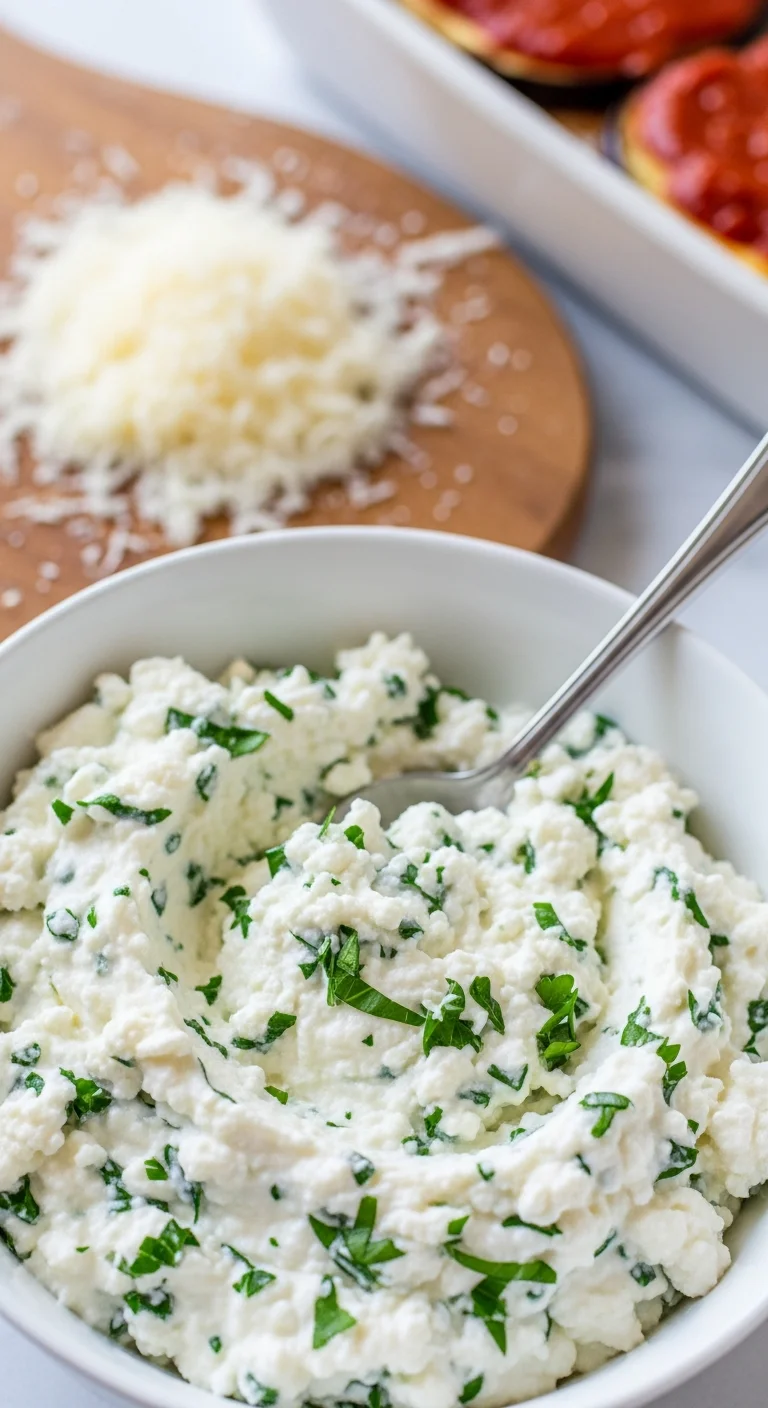
While Parmesan and Mozzarella are mandatory, incorporating other cheeses can introduce wonderful complexity. Try adding a layer of creamy ricotta blended with fresh parsley, egg, and a dash of nutmeg in between the eggplant rounds. For a sharper, smokier flavor, substitute some of the mozzarella with smoked scamorza or aged provolone. Just remember to consider moisture levels; if using ricotta, ensure it’s thick and well-drained. Playing with these combinations allows you to customize the richness of the final product, much like experimenting with the best cheese blends for baked ziti.
9. The Importance of the Final Rest
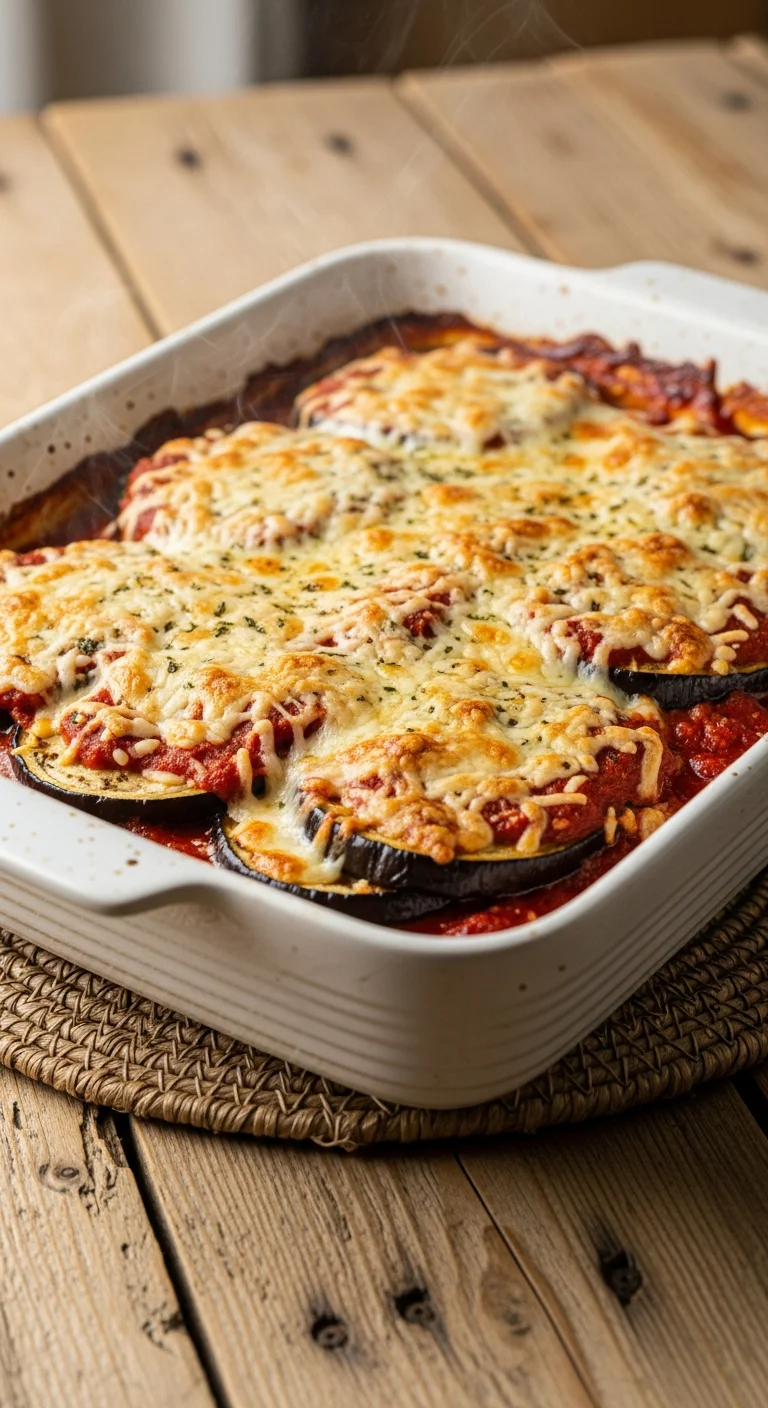
It is tempting to slice into that bubbling casserole the moment it comes out of the oven, but patience is a virtue here. Allowing the Eggplant Parm to rest for 15 to 20 minutes outside of the oven is essential. This resting period allows the liquid to redistribute, helping the casserole firm up and preventing the layers from sliding apart when you serve it. The residual heat will keep the dish piping hot while improving its structural integrity. Cover it loosely with foil during this time.
10. Uniform Thickness is Key
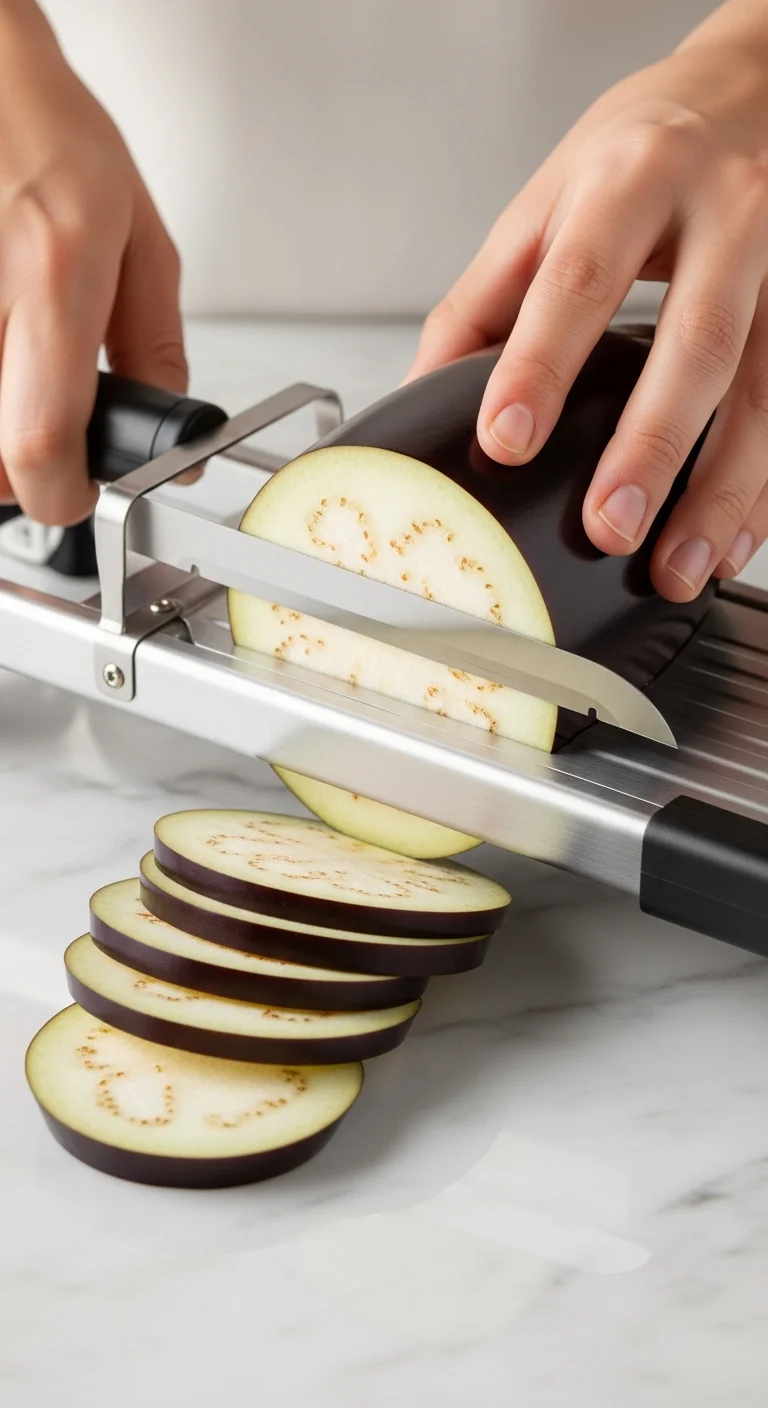
Uneven slicing is a common mistake that leads to uneven cooking. If some slices are thick and others thin, the thin ones will burn or become mushy while the thick ones remain undercooked. Aim for a consistent thickness, ideally between 1/4 and 1/3 inch. Using a mandoline slicer can help achieve perfect uniformity, which is vital whether you are baking or pre-baking your slices. Uniformity guarantees that every piece is tender in the center and perfectly browned on the edges.
11. Fresh Herbs After Baking
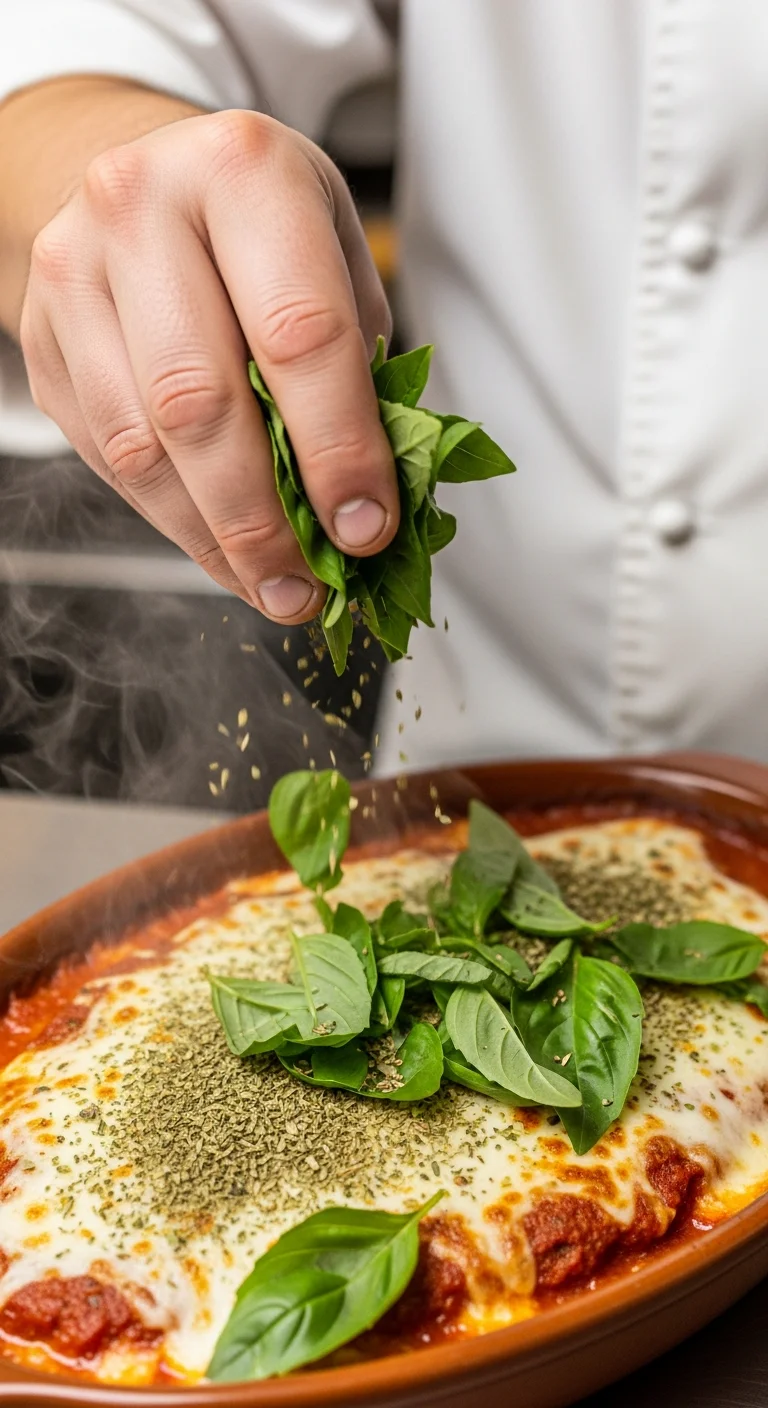
While dried herbs are wonderful for simmering in the sauce, save the fresh herbs for garnish. Tossing a handful of fresh basil and oregano leaves onto the casserole immediately after it comes out of the oven brightens the flavor considerably. The heat releases the herbs’ oils without cooking them, providing a vibrant, aromatic punch that balances the richness of the cheese and sauce. If you place them in the oven, they will inevitably wilt and turn brown.
12. Create Individual Portions
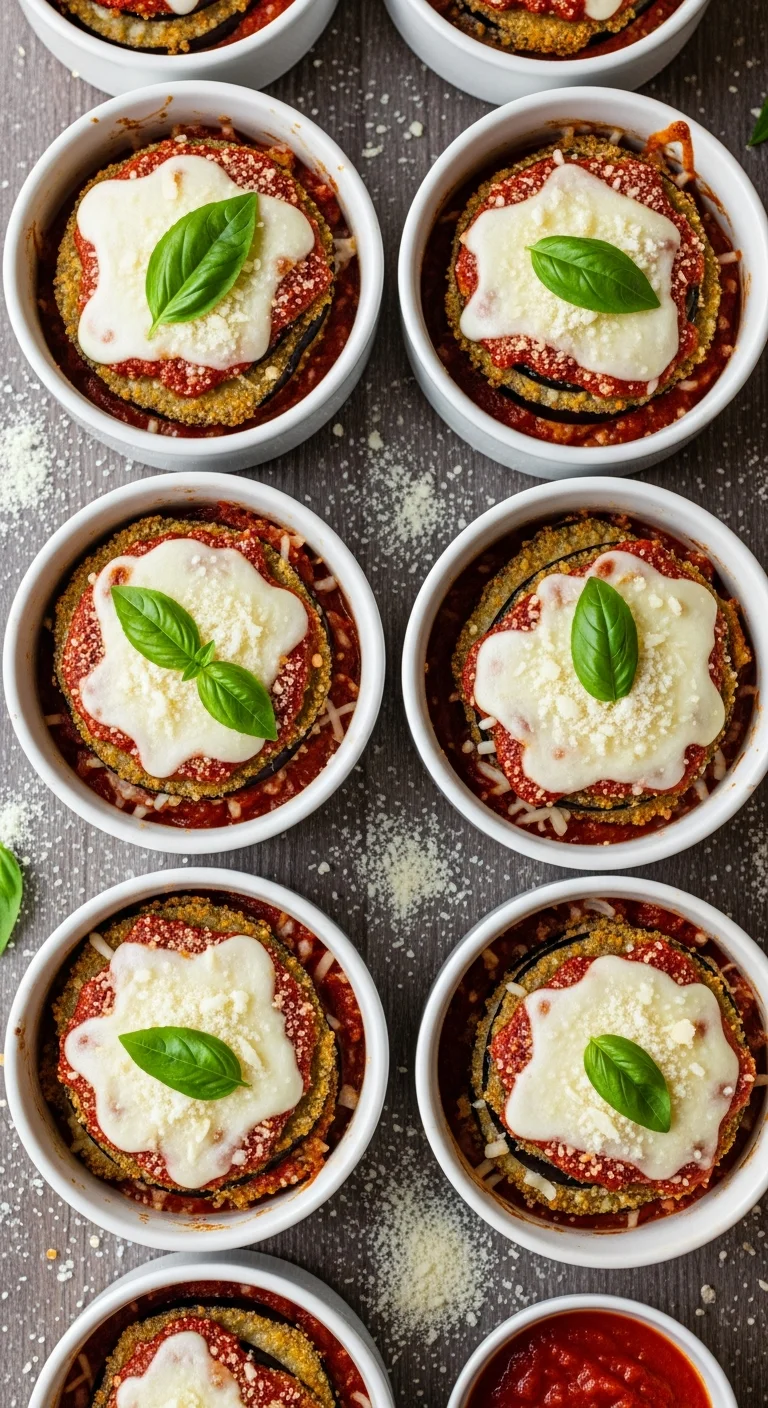
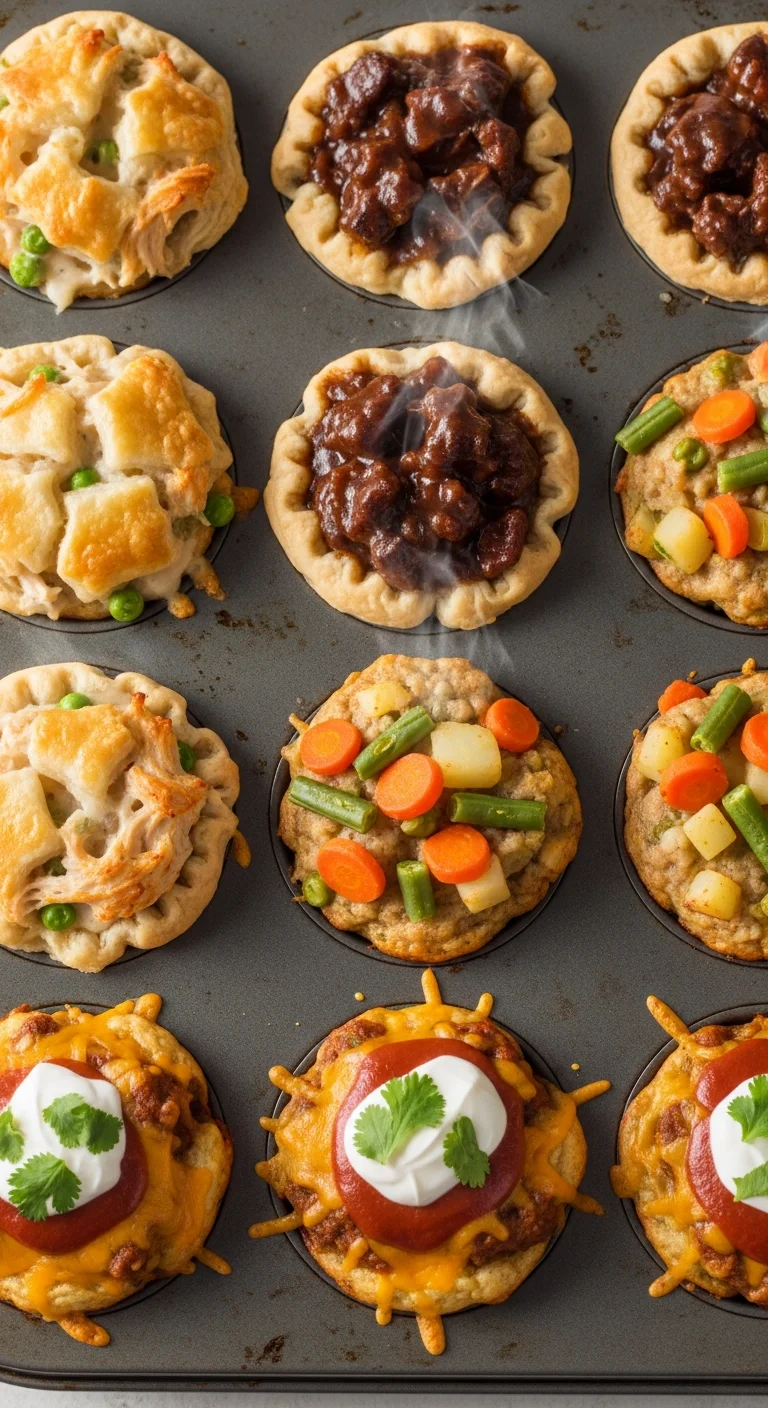
If you are serving this for a party or meal prepping, consider making individual servings. Assemble the Eggplant Parm in large muffin tins, ramekins, or small casserole dishes. This approach drastically reduces baking time and eliminates the messy slicing step. Individual portions are perfect for freezing and reheating, ensuring a quick, perfectly portioned weeknight meal. This idea works exceptionally well, similar to making genius Chicken Parm Meatball recipes instead of traditional cutlets.
13. Add Breadcrumbs to the Ricotta
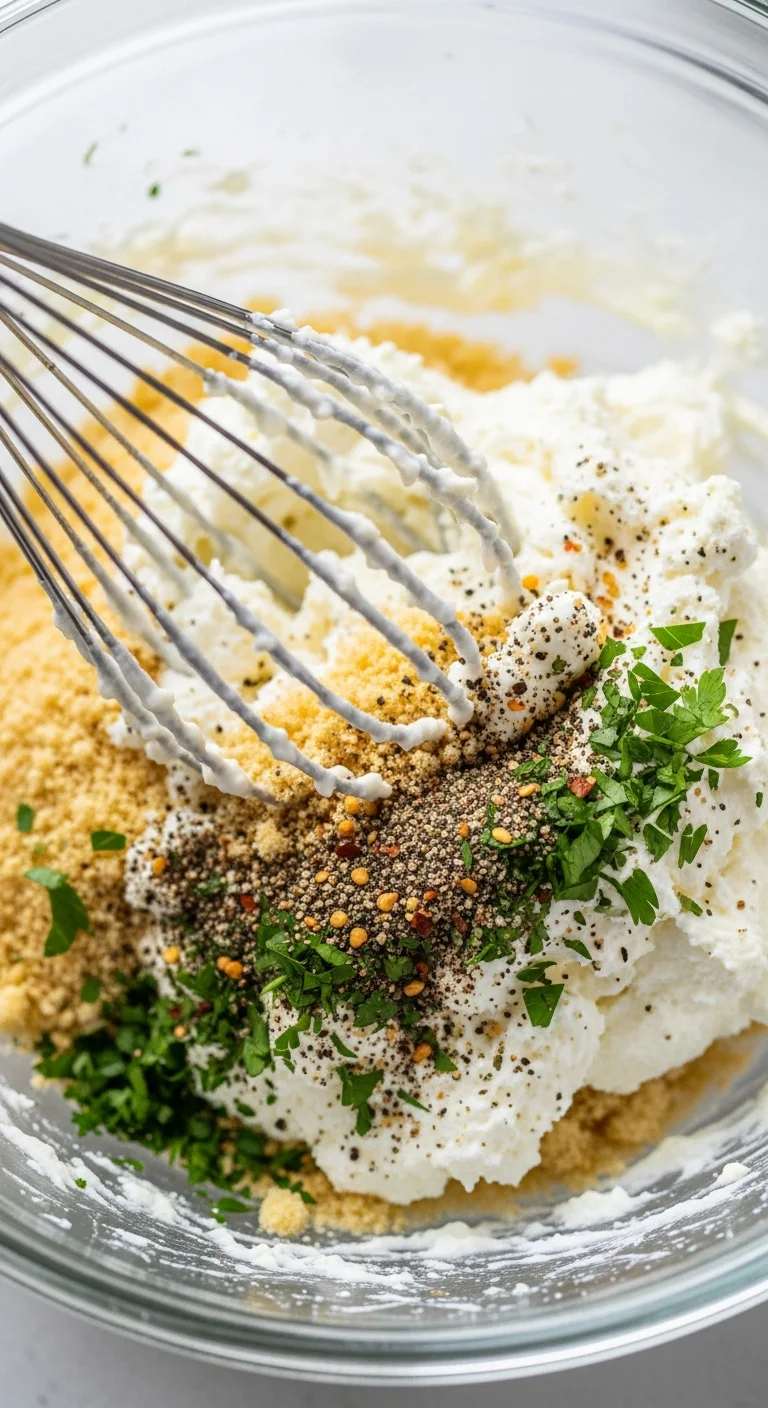
If you are using a ricotta layer (highly recommended for texture), folding in a tablespoon or two of plain breadcrumbs helps the cheese mixture hold its shape better during baking. The breadcrumbs act as a stabilizer, absorbing some of the ricotta’s natural moisture and preventing it from becoming too runny and seeping into the surrounding sauce. Season the ricotta blend heavily with salt, pepper, garlic powder, and parsley before incorporating the breadcrumbs.
14. A Touch of Lemon Zest to Finish
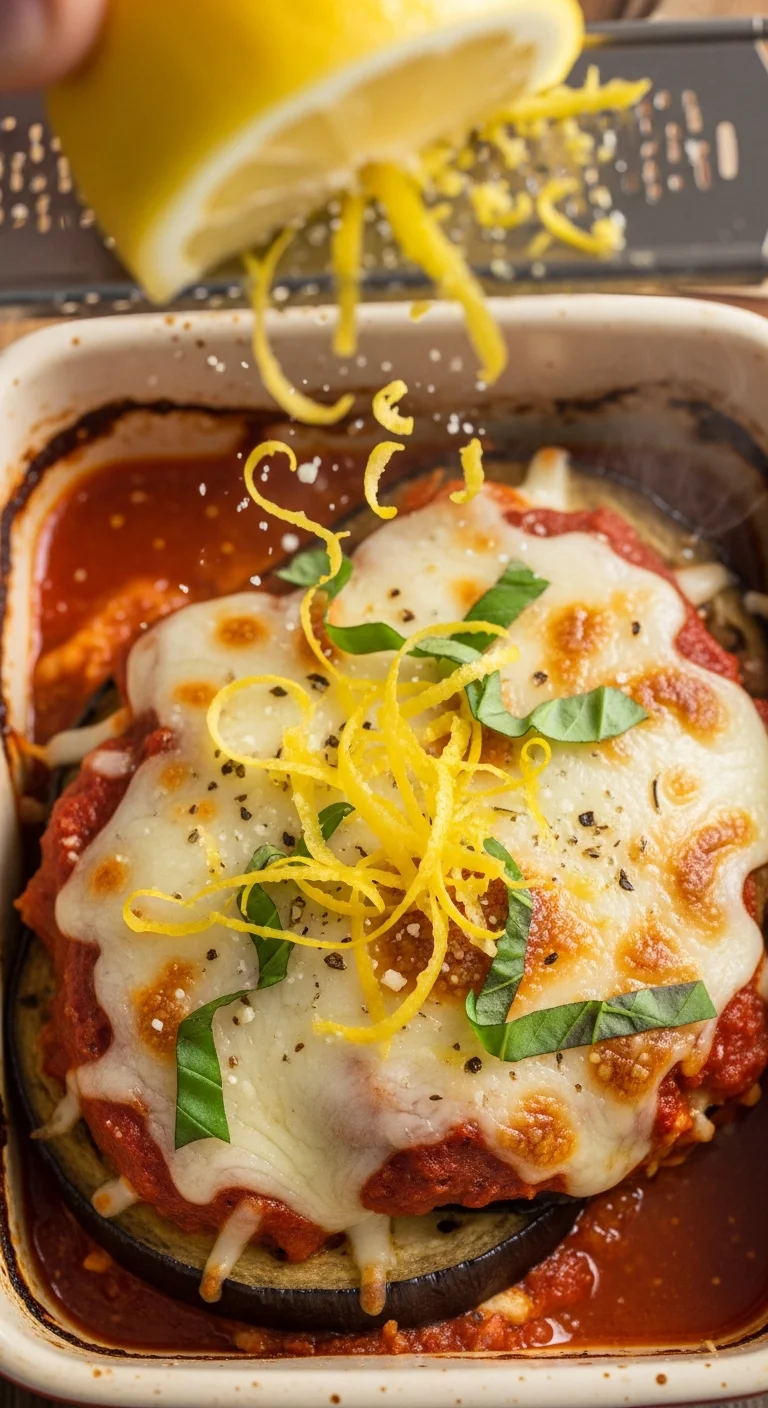
For an unexpected brightness that cuts through the dish’s richness, grate a small amount of fresh lemon zest (avoiding the bitter white pith) over the top of the Eggplant Parmesan just before serving. Lemon zest provides an incredible high note that awakens the palate. You only need a small amount, perhaps half a teaspoon for a large casserole, to achieve this refreshing contrast. This technique balances the acidity of the tomato and the fattiness of the cheese perfectly.
15. The Air Fryer Crisping Hack
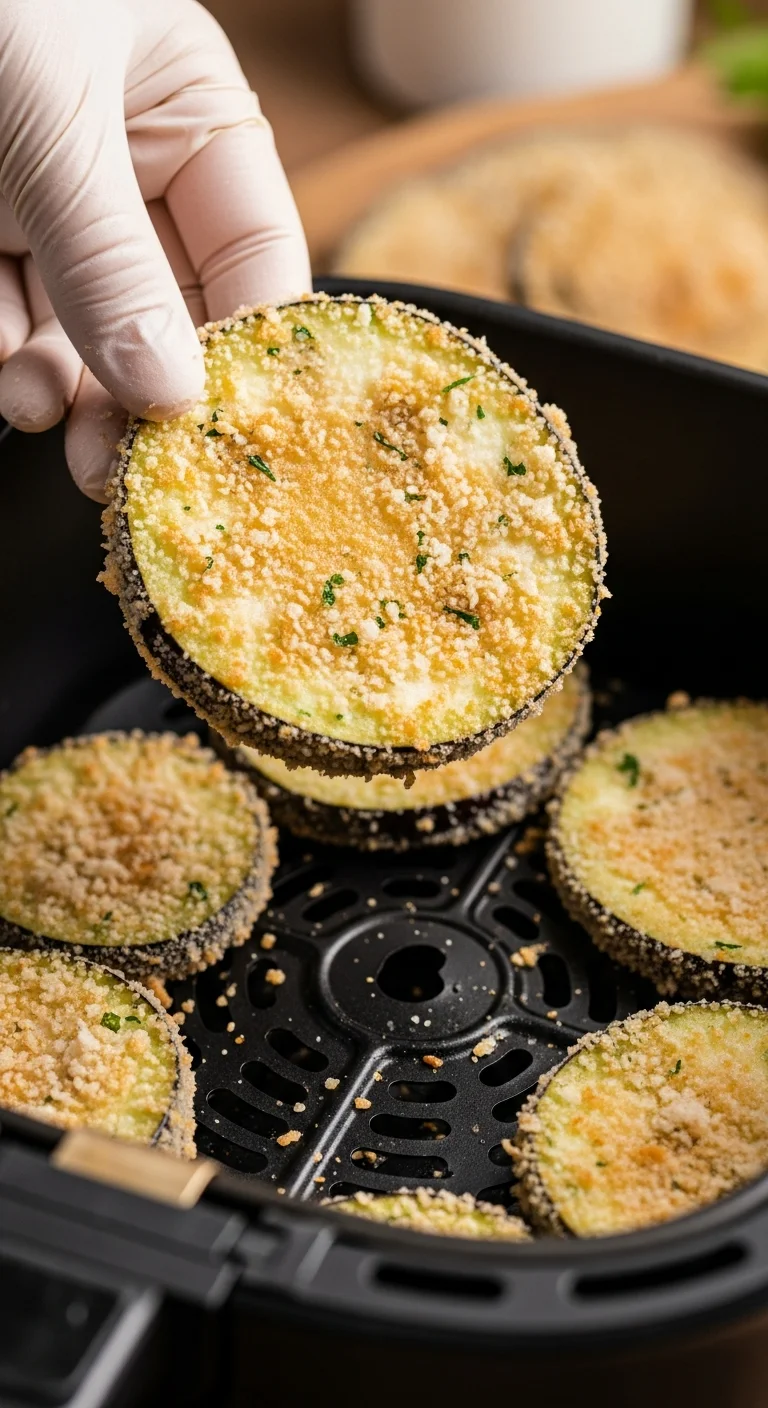
If you have an air fryer, use it for the pre-bake step. It ensures incredible crispness with minimal oil. After breading the eggplant slices (as detailed in Tip 3), spray them lightly with oil and air fry at 375°F (190°C) for 6-8 minutes, flipping halfway. This intense, circulating heat creates a shell that is practically impossible to achieve in a standard oven, providing the absolute crispiest base for your baked dish. The air fryer is a great tool for achieving perfection in baked comfort foods.
16. Don’t Over-Sauce the Top Layer
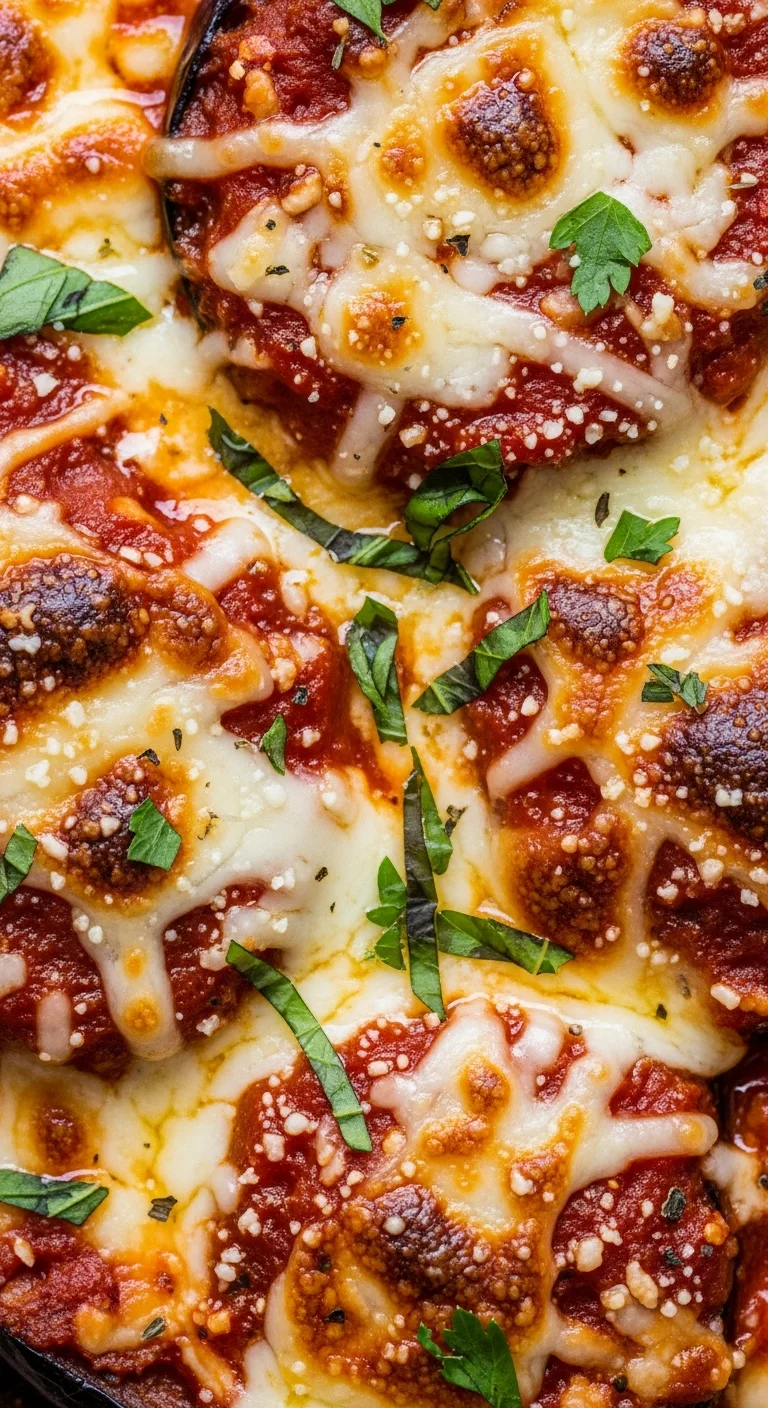
The top layer of sauce and cheese needs to achieve a beautiful, bubbling, caramelized crust. If you use too much sauce on the final layer, it will prevent the cheese from browning properly and can lead to steam buildup. Keep the final application of marinara sparse, focusing instead on generously mounding the mozzarella and Parmesan. The heavy cheese layer will protect the breading below while creating that signature golden-brown topping everyone loves. Once done, let it rest and enjoy your perfect main dish!