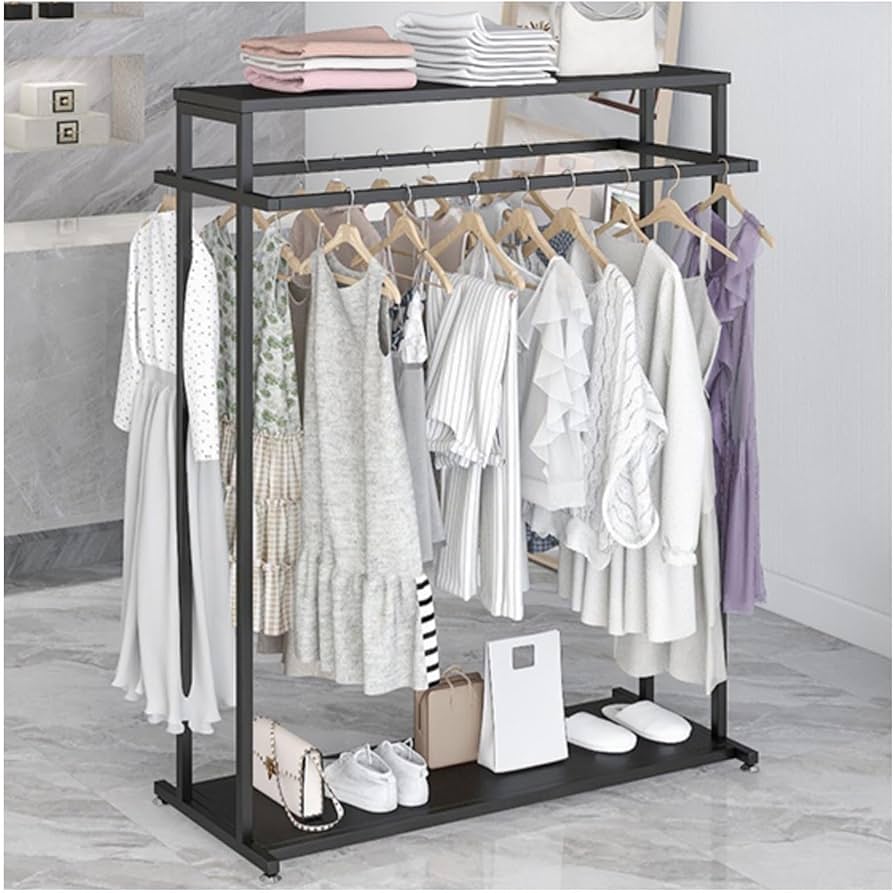
Embrace the Power of Negative Space

Minimalist design thrives on empty areas. Think of negative space as a luxury in a small room; it gives the eye a place to rest and prevents the space from feeling cluttered or overwhelming. Avoid filling every corner simply because it’s empty. Instead, let certain walls remain bare, or leave sufficient distance between furniture pieces. This intentional visual pause tricks the brain into perceiving the room as much larger than its physical footprint suggests.
Master the Monochromatic Palette

Color is a powerful tool for expansion. Sticking to a soft, monochromatic palette, such as whites, creams, or pale grays, ensures visual continuity. When walls and large furniture pieces share a similar tone, the boundaries of the room blur, creating an illusion of depth. Use varying textures within the same hue to add interest without introducing visual noise. This cohesive approach promotes calm and maximizes natural light diffusion throughout the compact area.
Go Vertical with Storage

When floor space is limited, the only way to expand is up. Utilizing vertical storage is crucial for maintaining an uncluttered environment. Tall, slender shelving units draw the eye upwards, emphasizing ceiling height. Consider leveraging the space above doors or windows. For maximum efficiency and a sleek, light look, check out ideas like the 13 Floating Shelves for Ultimate Vertical Storage Wins. Keeping items off the floor instantly makes the room feel more spacious and open.
Choose Dual-Purpose Furniture

Every piece of furniture in a small room must justify its existence with multiple functionalities. Look for coffee tables that lift into desks or ottomans with internal storage compartments. A sofa bed is the quintessential dual-purpose item, seamlessly transitioning a living area into a guest room. Investing in smart, transforming items reduces the need for multiple single-purpose pieces, dramatically freeing up precious square footage while adhering to minimalist principles.
Scale Down Your Sofa
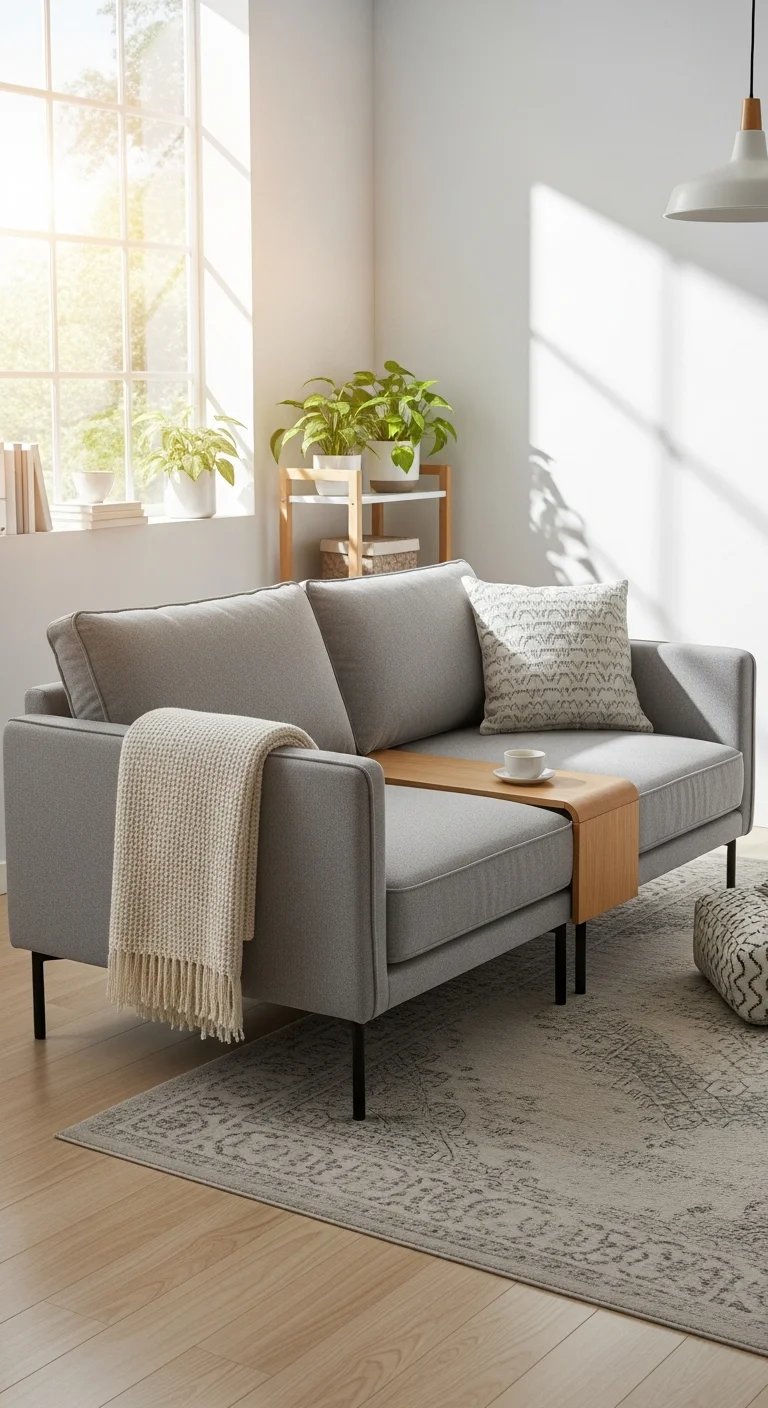
Large, bulky seating can instantly overwhelm a small floor plan. Opt for streamlined couches with thin arms and elevated legs, which allow light and space to flow underneath. If traditional sofas feel too imposing, consider flexible options. Explore ideas like the 14 Modular Sofas for Tiny Floor Plans: Expert Picks to find configurations that you can adjust based on your current needs. Choosing tailored, low-profile pieces ensures comfort without compromising the airy, minimalist aesthetic.
Invisible Storage Solutions

True minimalist decor hides clutter entirely. Focus on seamless, built-in storage solutions that blend into the architecture. Think custom cabinetry painted the same color as the walls, or deep drawers integrated into the base of a bed frame. Wall-mounted closed cabinets are excellent for storing smaller, functional items like charging cables and office supplies. When your belongings are concealed behind smooth, flush surfaces, the room maintains a pristine and calm atmosphere.
Mirror, Mirror on the Wall

Mirrors are the oldest and most effective trick for expanding small spaces. They reflect both light and the opposite side of the room, instantly doubling the perceived size. Choose large, frameless mirrors for the sleekest effect. Placement is crucial: position a mirror to reflect a window or a beautiful piece of art, rather than a cluttered corner. This strategic reflection enhances natural light, making the entire space brighter and more inviting.
Declutter Ruthlessly (The 90/90 Rule)

Minimalism starts with what you own. Adopt the 90/90 rule: if you haven’t used an item in the last 90 days and won’t use it in the next 90 days, consider donating or discarding it. This requires strict editing of personal possessions, leaving only functional necessities and truly beloved decorative pieces. A small room cannot tolerate excess. Maintaining this principle ensures your surfaces remain clear and the minimalist design intent is always visible.
Utilize Light, Airy Textiles

Heavy drapery and thick, patterned rugs can visually weigh down a small space. Instead, opt for lightweight, sheer fabrics for window coverings that allow maximum light penetration. Choose natural fibers like linen or cotton in light, solid colors. For area rugs, select low-pile options that define zones without consuming volume. Using simple, textured textiles adds warmth and comfort while preserving the feeling of openness that minimalist design requires.
Prioritize Quality Over Quantity

Because minimalism focuses on having fewer items, the ones you do choose must be exceptional. Investing in high-quality furniture and artwork ensures longevity and impact. One beautifully crafted wooden chair or a single, impactful piece of abstract art provides more aesthetic value than dozens of cheap accessories. This approach elevates the room, making it feel intentionally curated rather than empty. Think investment pieces rather than quick fixes.
Floating Furniture Is Your Friend
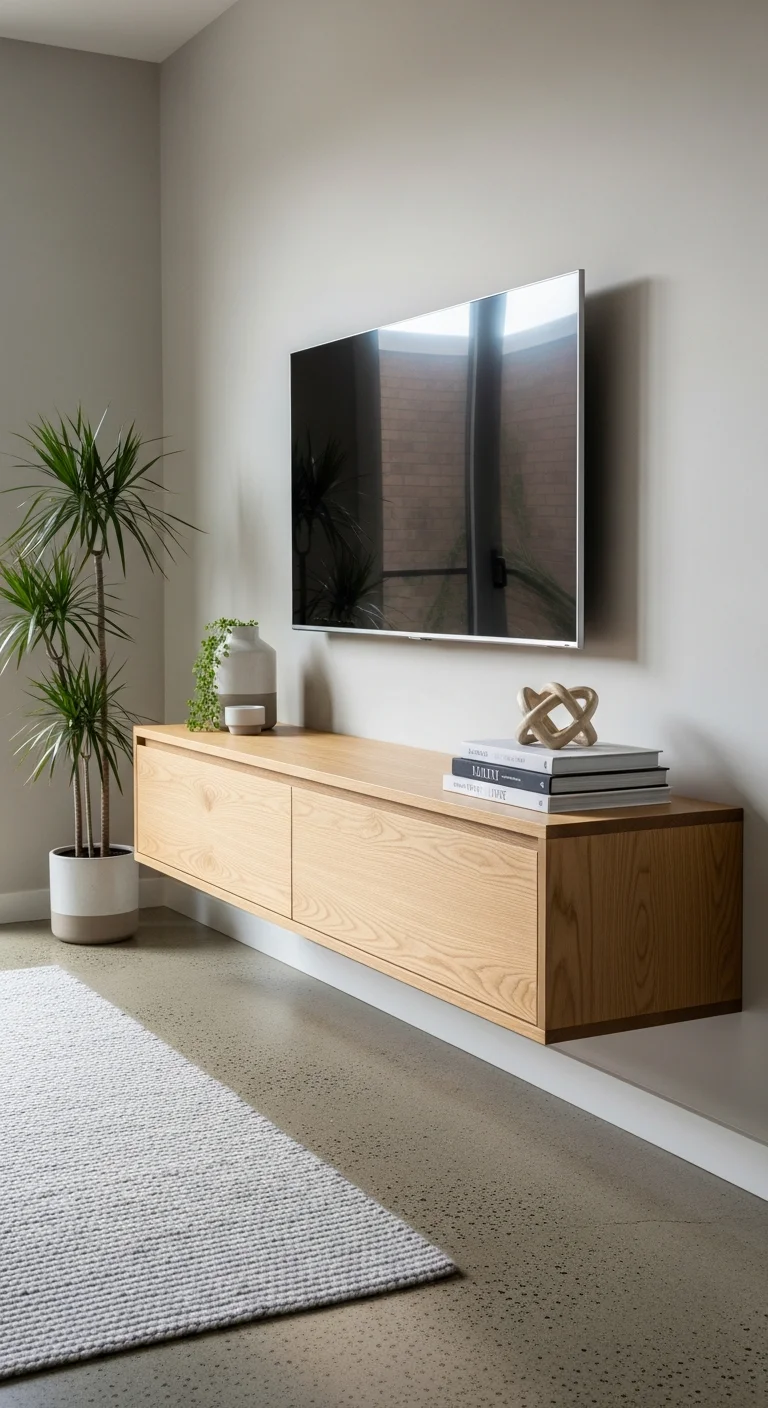
Elevating furniture off the floor creates an immediate sense of spaciousness. Beds, consoles, and dressers mounted directly to the wall give the illusion that the floor extends further back. Even pieces with slender, visible legs help, as they prevent the room from feeling solid and grounded. Allowing sight lines to continue unobstructed underneath key pieces of furniture is a fantastic technique to visually expand the small room’s footprint.
Streamline Window Treatments

Complex valances, tie-backs, or layered curtains add visual bulk. Minimalist design favors clean simplicity. Consider inside-mount roller shades, simple plantation shutters, or unadorned sheer panels that hang straight down. Ensure the treatment matches the wall color if possible to maintain visual flow. If privacy isn’t essential, leaving windows completely bare maximizes natural light and reinforces the open, airy feeling of the room.
Integrated Lighting Design

Avoid bulky floor lamps or table lamps that consume valuable surface area. Instead, integrate lighting directly into the structure. Utilize recessed lighting (pot lights), sleek track lighting, or even strategically placed LED strip lighting under cabinets or shelves. This minimizes clutter and enhances the room’s architecture. Integrating lighting helps highlight your carefully selected decor pieces, rather than drawing attention to the light fixture itself. This method is far superior to cluttering the floor plan with free-standing fixtures. For instance, combining this with efficient vertical options like 13 Floating Shelves for Ultimate Vertical Storage Wins truly maximizes efficiency.